



What you can see
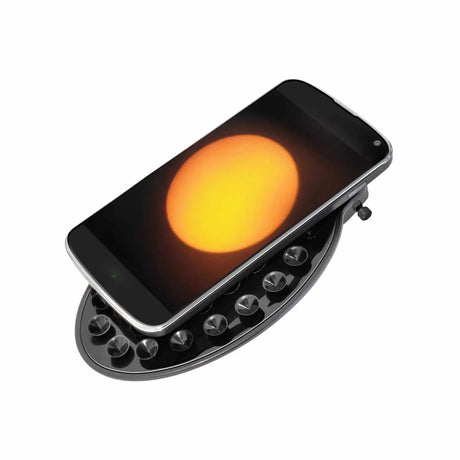
Through a proper solar filter the Sun shows sunspots, the bright patches called faculae and the granular texture of its surface, and the view changes from day to day as spots form and move across the disk.
Safety first
Never look at the Sun through a telescope without a special-purpose solar filter secured over the front of the optics: viewing any part of the bright Sun without one causes severe eye injury instantly. Fit the filter before you point the telescope at the Sun, and follow the directions printed on it.
Choosing a solar telescope
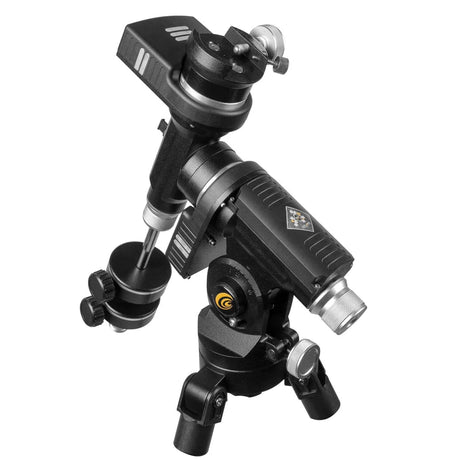
Every package here doubles as a night telescope, so choose it as you would any first telescope. A refractor needs little upkeep and suits the Moon and planets, a reflector gives the most aperture for the money, and a Sidara Pro GoTo mount finds objects for you.
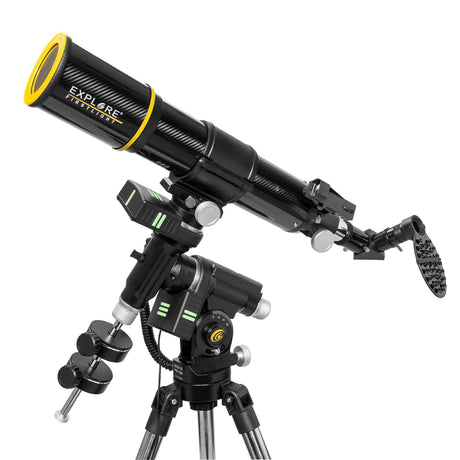
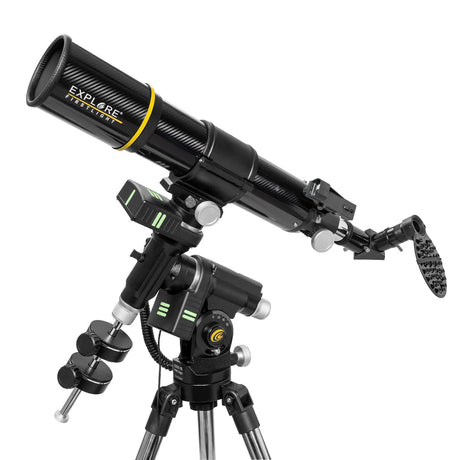
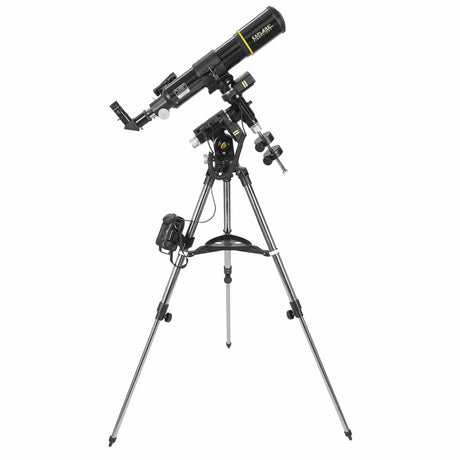
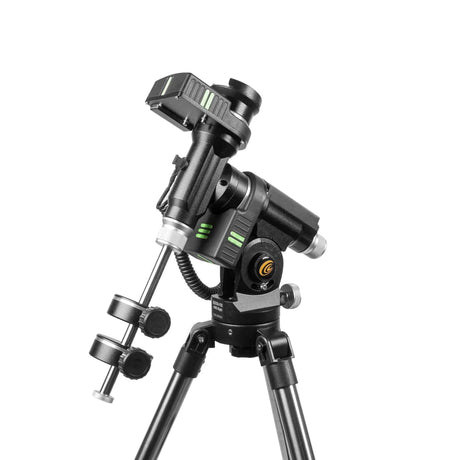
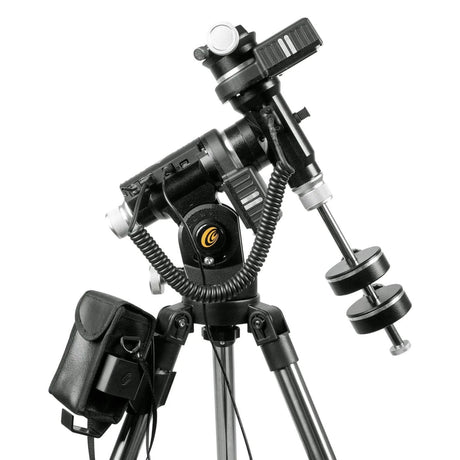
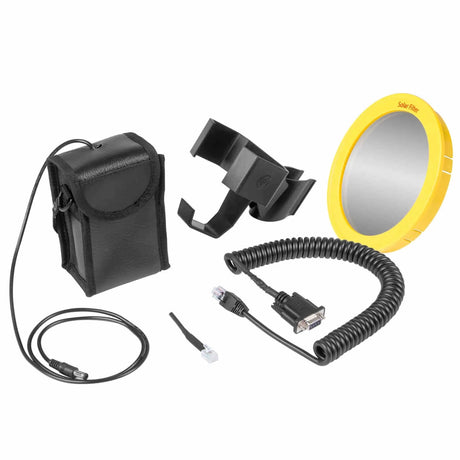
The two Explore FirstLight kits, the 80 mm carbon-fiber refractor on the Sidara Nano mount and the same telescope on the iEXOS-100 GoTo tracker, come with a Solarlite filter, which Explore Scientific says is the same material as its eclipse glasses, rated to ISO 12312-2. The eight Sidara packages come with a solar filter cap that fits over the front of the tube: follow the directions printed on it before you observe the Sun. The Sun Catcher, for a telescope you already own, comes in sizes from small refractors up to 14-inch Schmidt-Cassegrains. Match the filter to your optic so it fits securely over the front of the tube, as the American Astronomical Society advises.
Frequently Asked Questions
Can I use eclipse glasses with a telescope?
No. Eclipse glasses are made for your eyes alone. Through a telescope, only a special-purpose solar filter secured over the front of the optics is safe.
Do these telescopes work at night?
Yes. With the filter off they are ordinary telescopes, and the Sidara packages include 25 mm and 10 mm eyepieces for the Moon, planets and brighter deep-sky objects.
Is a dark eyepiece filter safe for the Sun?
No. Use only a solar filter that covers the front of the telescope. A filter at the eyepiece end is not a safe substitute.
For solar and other filters, read A Guide to Choosing the Right Telescope Filters, and for eclipses, What are Solar and Lunar Eclipses?