


How to choose binoculars
Magnification
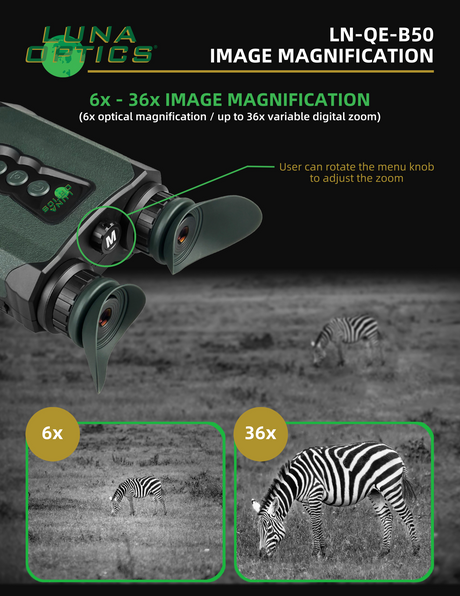
Magnification multiplies your hand tremor along with the view, so more power is not automatically better. An 8x gives the widest, steadiest image and is the easiest to hold on a moving bird. A 10x adds reach for open country and is the usual all-round choice for hunting. Twelve power sits at the practical limit for handheld use; beyond it, use a tripod or a stabilized binocular.
Objective size and exit pupil
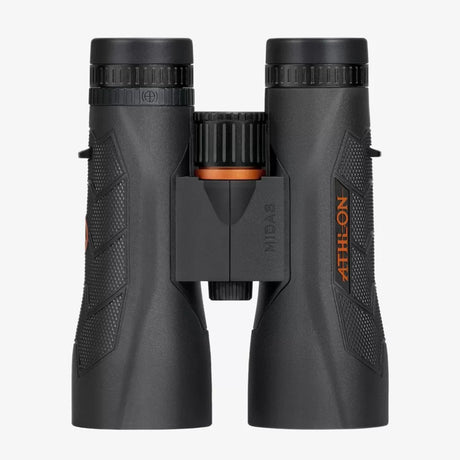
Divide the objective size by the magnification and you get the exit pupil, the width of the beam that reaches your eye: 5.25 mm for an 8x42, 4.2 mm for a 10x42. In daylight your own pupil is only a few millimeters wide, so a bigger objective adds no brightness until the light fades. At dawn and dusk the wider beam pays, which is why 42 mm is the usual balance of brightness and weight.
Glass, field of view and eye relief
ED (extra-low-dispersion) names a real glass type that cuts the color fringing around high-contrast edges, while HD and UHD are makers' own names for their grades. A wider field of view makes moving subjects easier to find and follow. If you wear glasses, look for at least 15 to 16 mm of eye relief, or you will lose the edges of the view.
Binoculars by use
- Birding and general nature: an 8x42, for the widest, steadiest view at a weight you can carry all day.
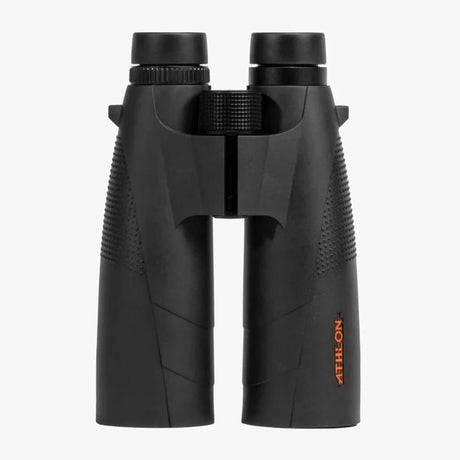
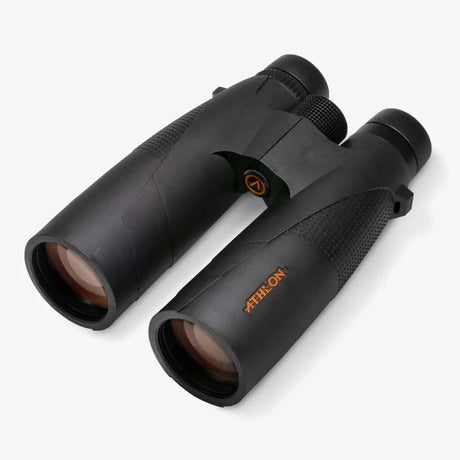
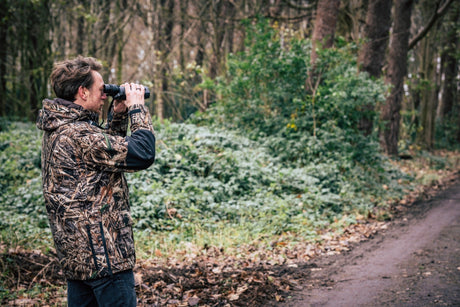
- Hunting and open country: a 10x42 for reach, or a 12x50 for long glassing sessions, steadiest on a tripod.
- Travel and hiking: compact binoculars around 30 mm, which in daylight give up less than their size suggests.
- Boating: a 7x porro binocular such as Steiner's Navigator, whose Sports-Auto-Focus is set once for your eyes, with no focus wheel to turn.
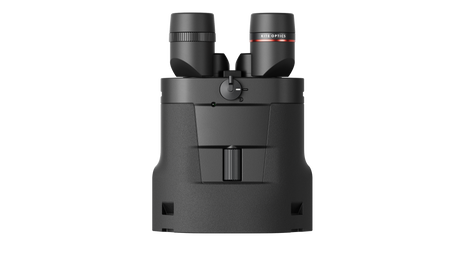
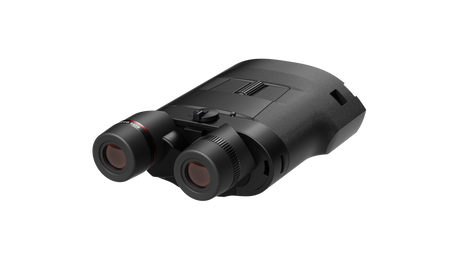
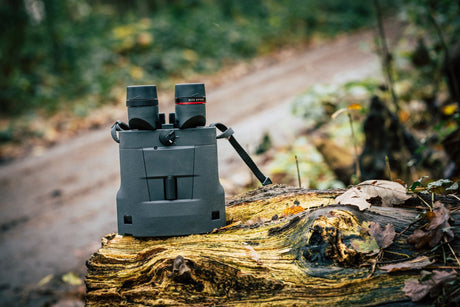
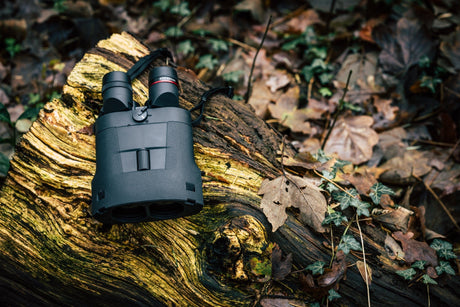
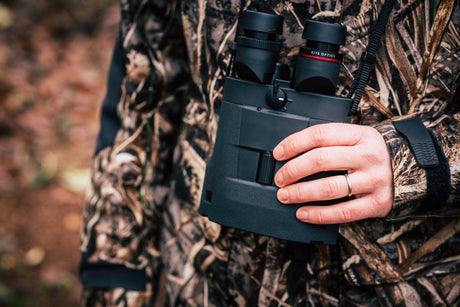
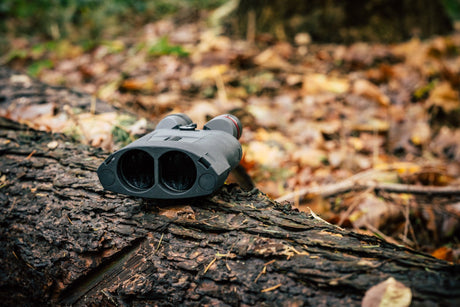
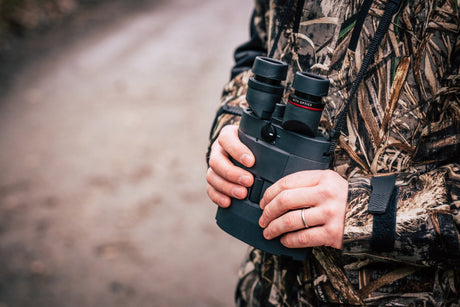
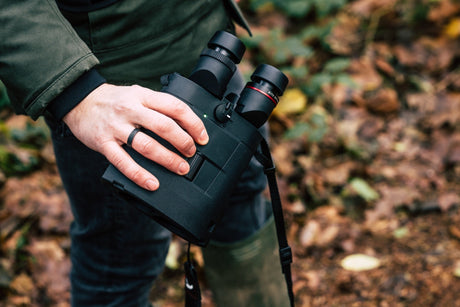
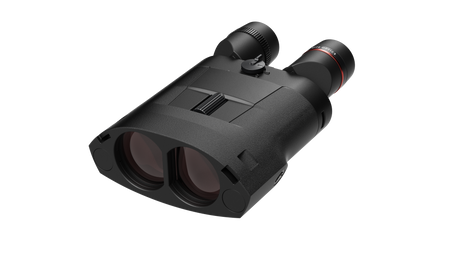
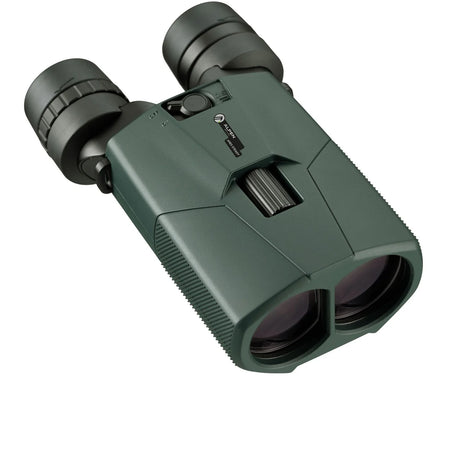
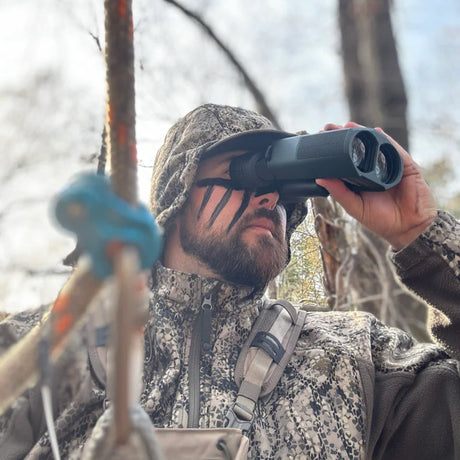
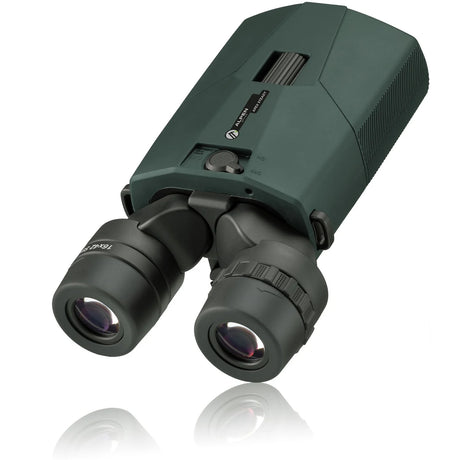
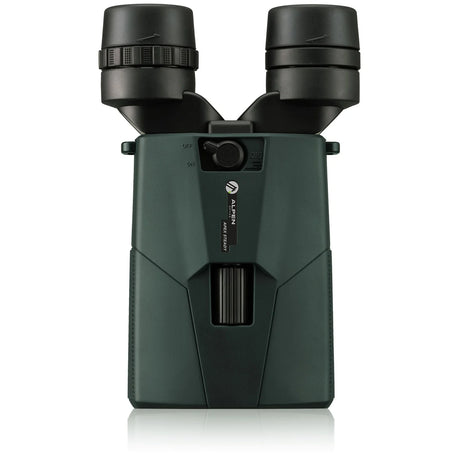
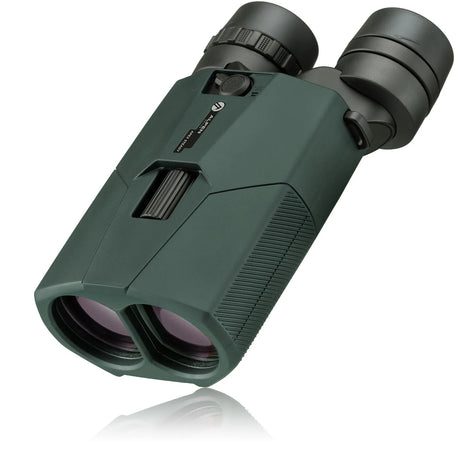
- High power without a tripod: stabilized binoculars from Kite and Alpen, which hold high magnification steady by hand.
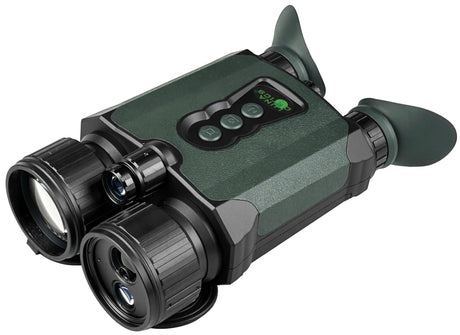
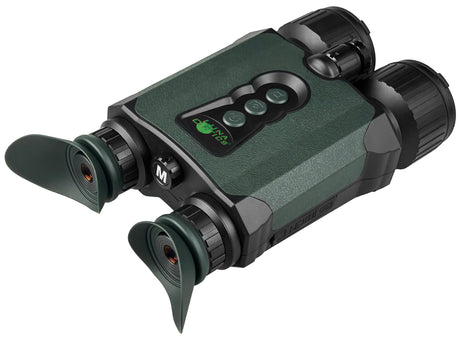
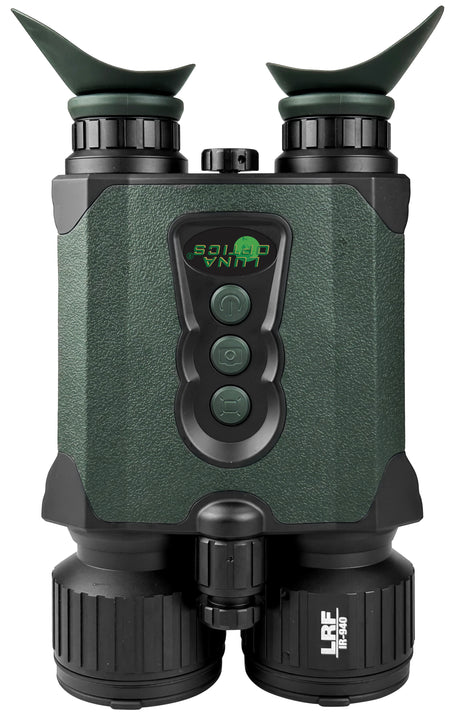
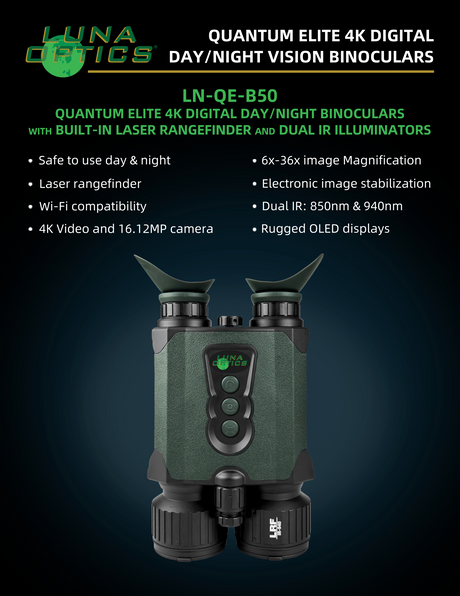
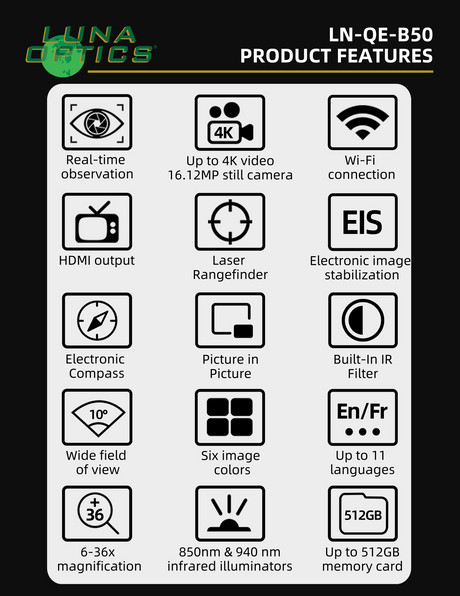
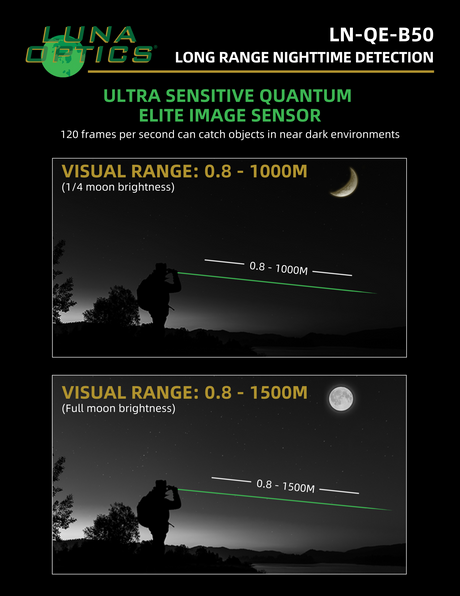
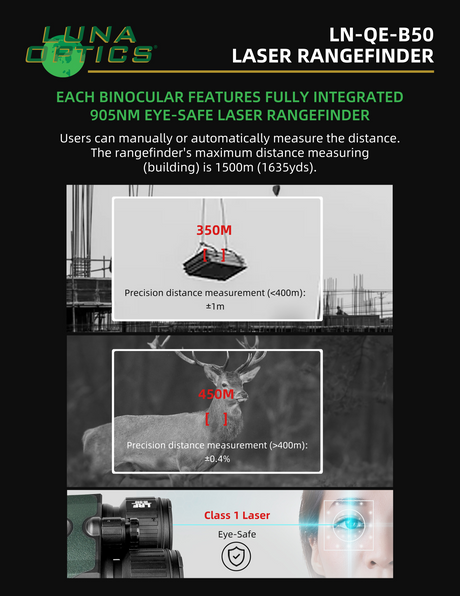
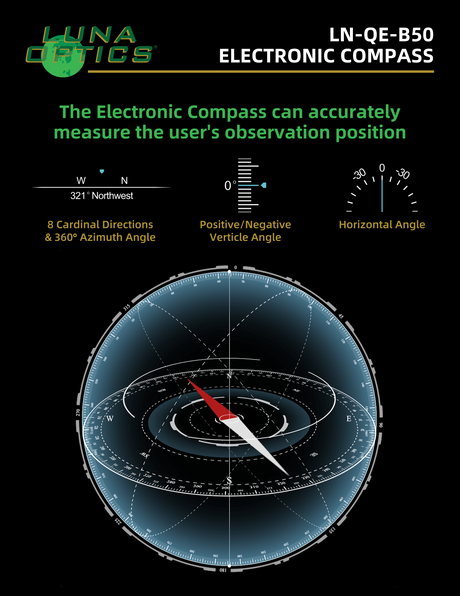
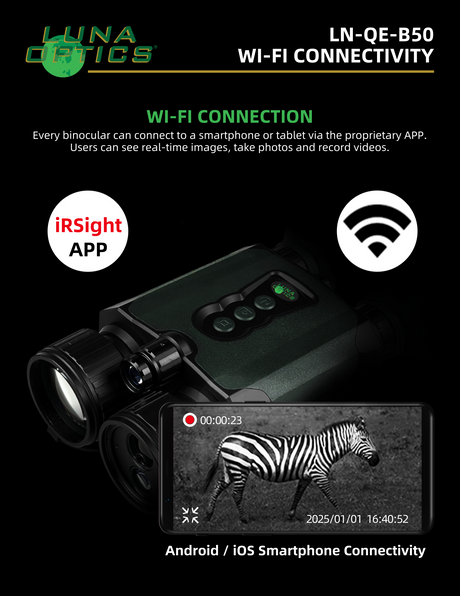
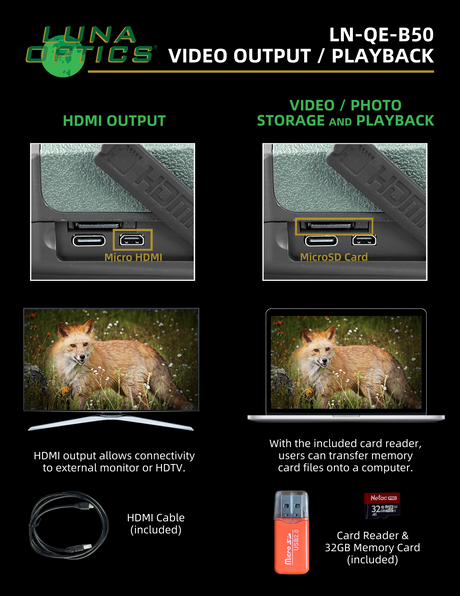
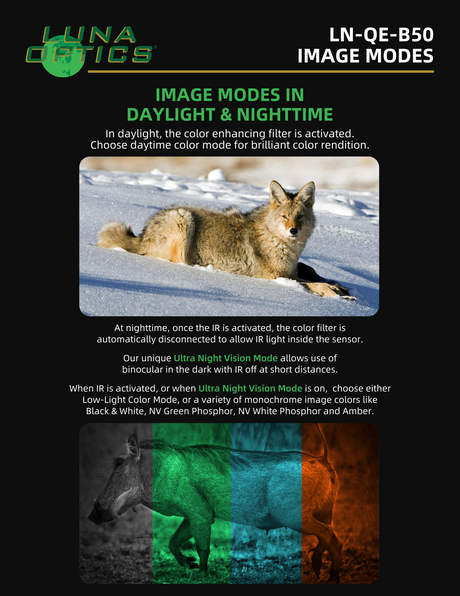
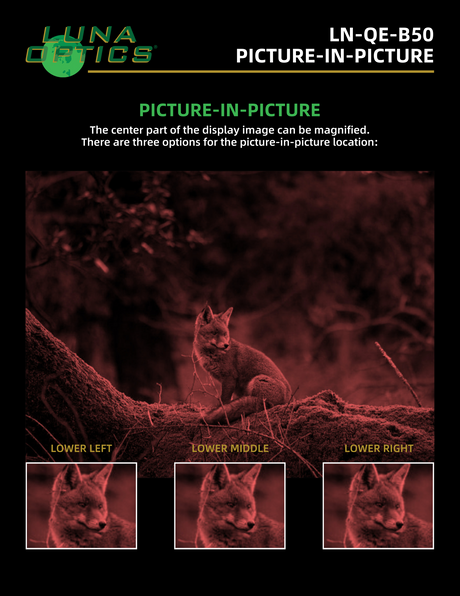
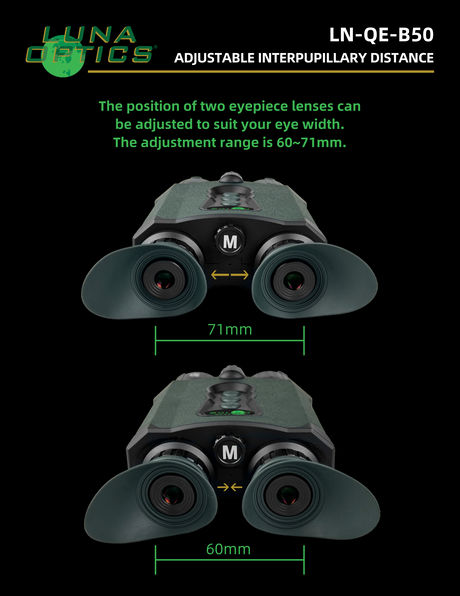
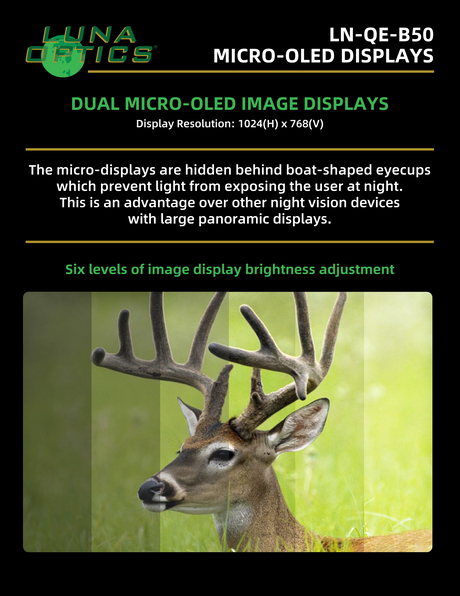
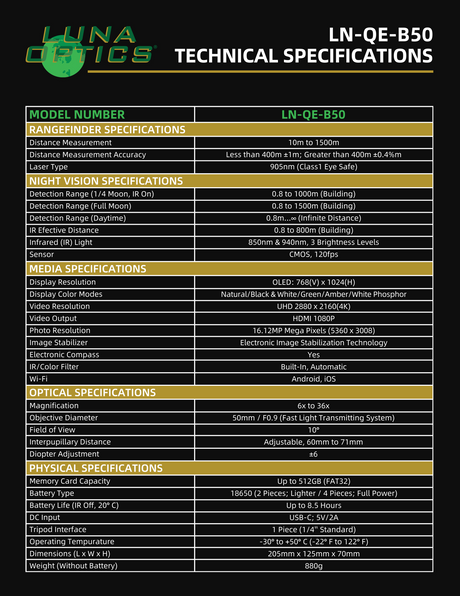
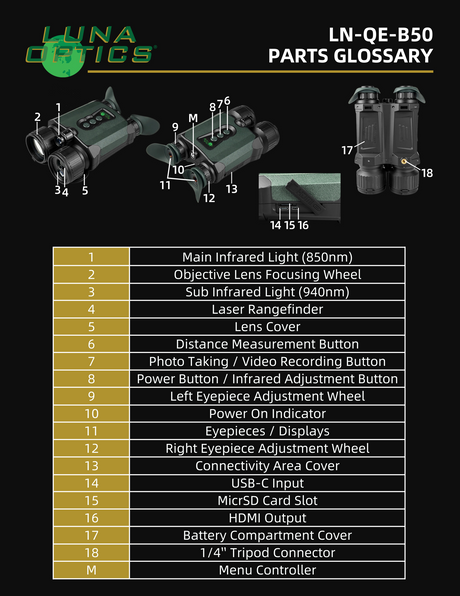
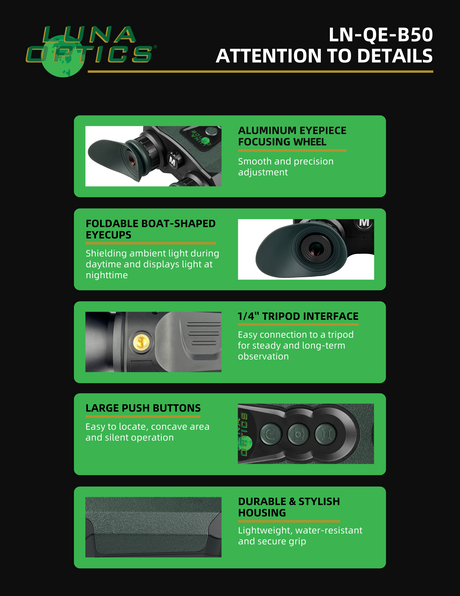
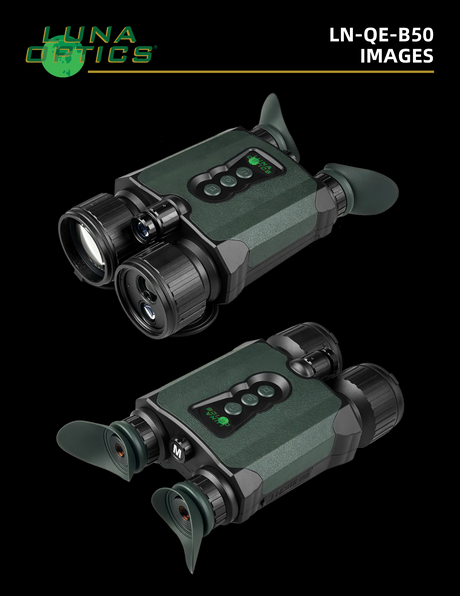
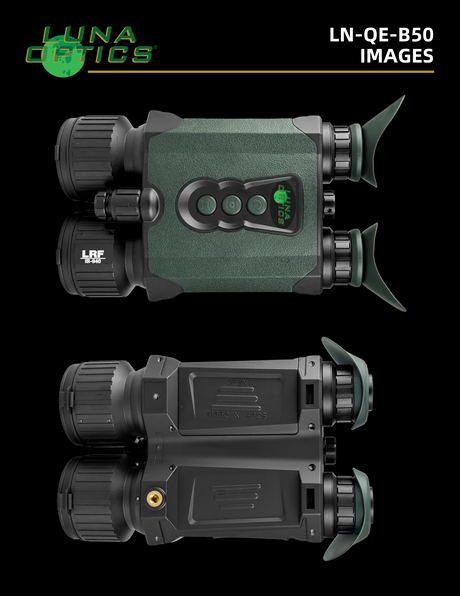
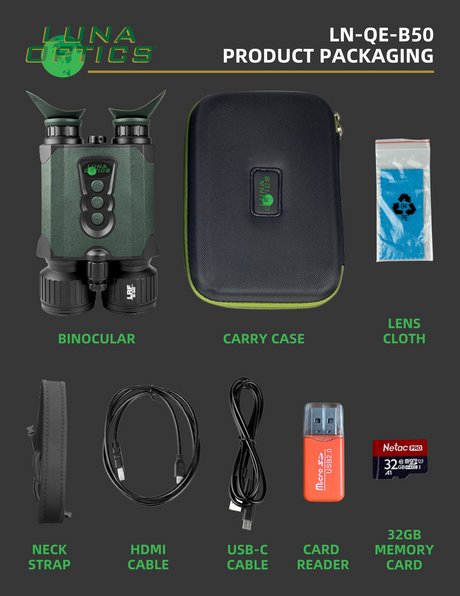
- After dark: digital night vision binoculars from Luna, and astronomy binoculars for the night sky.
Frequently Asked Questions
What do the numbers on binoculars mean?
The first number is magnification and the second is the diameter of each objective lens in millimeters. An 8x42 makes the subject appear eight times closer, through 42 mm lenses.
Is 8x42 or 10x42 better?
For most birding, the 8x42: its wider, steadier view finds and follows birds more easily. For hunting, and in open country, the 10x42 is the usual default.
For sizes, glass and fit in more depth, read our Binoculars Buyer's Guide, and for hunting picks by terrain, Best Hunting Binoculars 2026.