







What the bigger objective buys
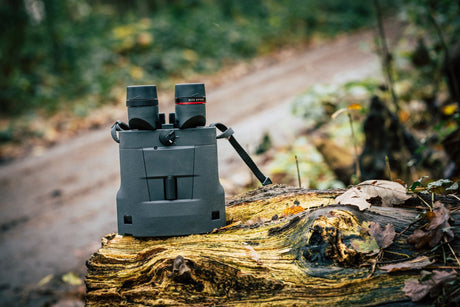
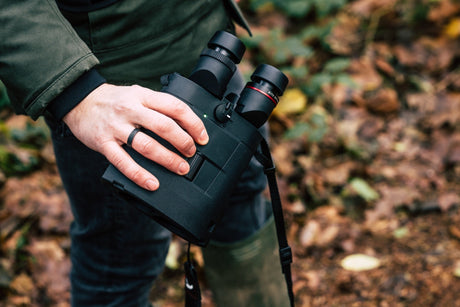
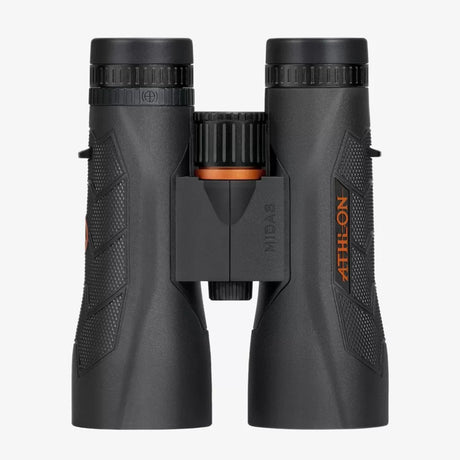
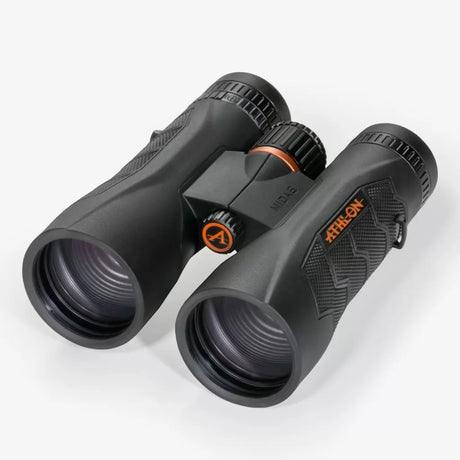
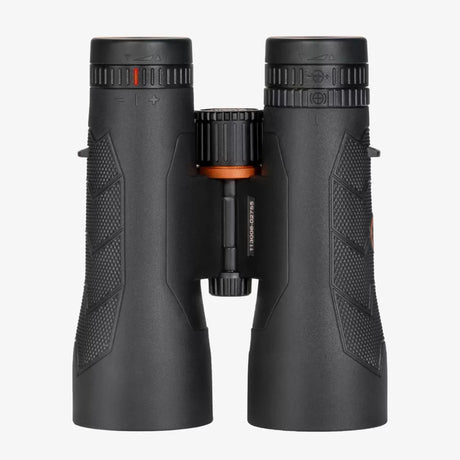
At the same magnification, a 50 mm objective gathers about 42 percent more light than a 42 mm, and on a 10x its exit pupil grows from 4.2 to 5 mm. In daylight your pupil admits no more from either, so the gain shows in the first and last half hour of light and under the stars, and you carry about 4 to 6 oz more for it.
Choosing a size
7x50 and 8x56
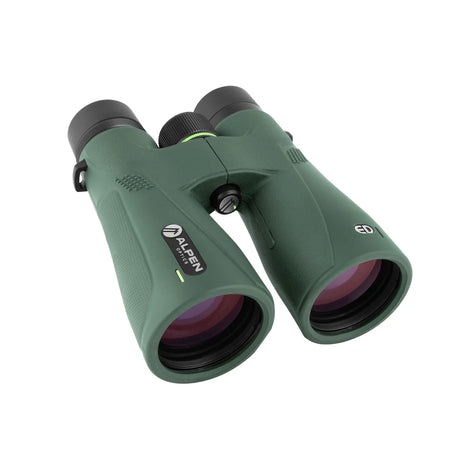
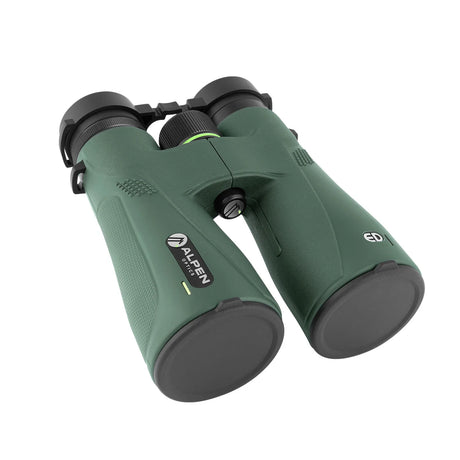
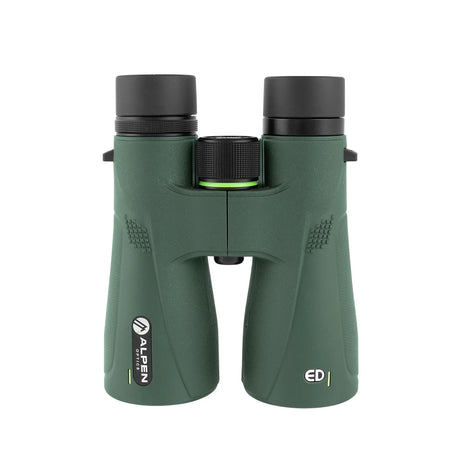
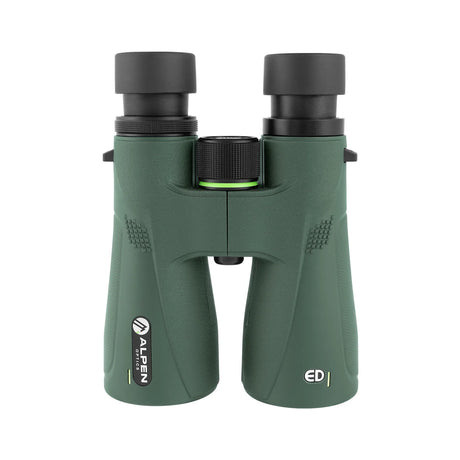
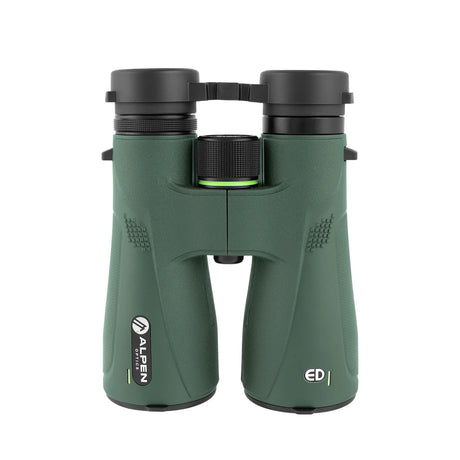
With a 7 mm exit pupil, the widest of any here, the 7x50s and 8x56s keep the image bright in the dimmest light. The 7x50s include Steiner's Military-Marine, Commander, Navigator and Tactical and Hawke's Endurance ED Marine, some with a built-in compass; the 8x56s come from Steiner, Alpen and Explore Scientific.
10x50 and 12x50
The 10x50 is the bright all-day 10x, with a 5 mm exit pupil. A 12x50 adds reach for glassing at long distances, but at 12x your pulse shows as a floating image, so brace it or use a tripod. Its 4.2 mm exit pupil is about that of a 10x42.
15x56, stabilized and giants
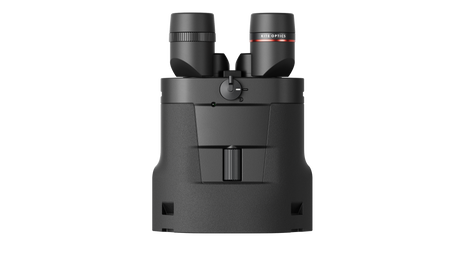
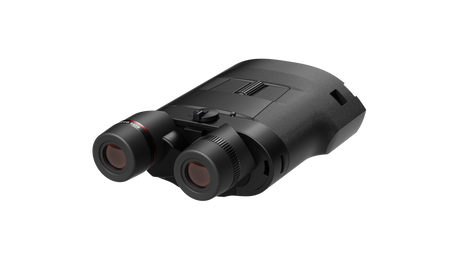
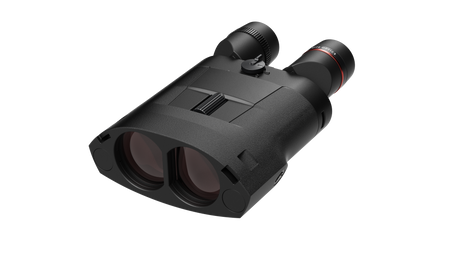
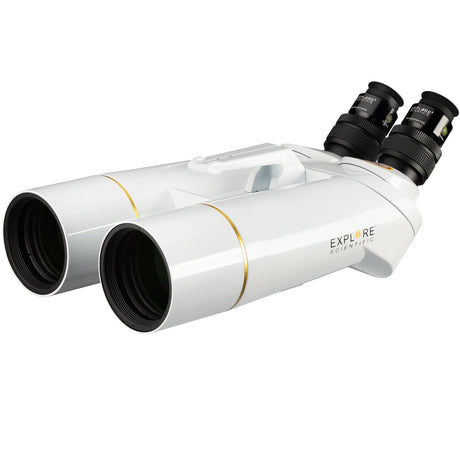
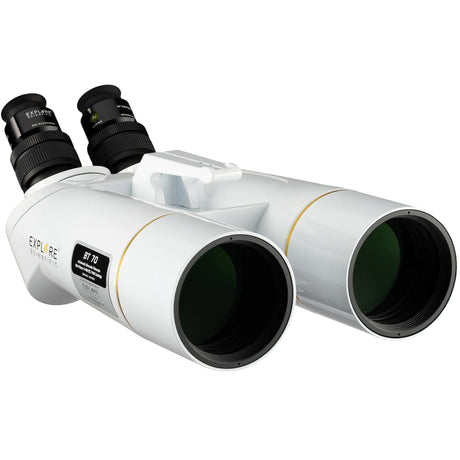
The Steiner Predator and Athlon Cronus G2 UHD 15x56 want a tripod. The Kite APC 14x50, 18x50 and 22x50 are image-stabilized. The Explore Scientific BT-70, BT-120 and BT 150 giants, at 7.5 to 41.2 lb, need a mount.
Frequently Asked Questions
Can I hold a 12x50 steady?
Briefly. Twelve power is around the practical limit for handheld binoculars, so brace against something solid or use a tripod for long looks.
Are full-size binoculars good for astronomy?
Yes. After dark your pupil opens wide enough to use a 50 or 56 mm objective's full light. For the deepest views, see our astronomy binoculars, the BT giants among them.
Which pair is lightest?
The Steiner Navigator 7x50, at 26.6 oz. Most of the 50 mm pairs here weigh about 28 to 42 oz.
For the size step compared, read 10x42 vs 10x50 Binoculars, and for 12x, Are 12x50 Binoculars Worth It?