


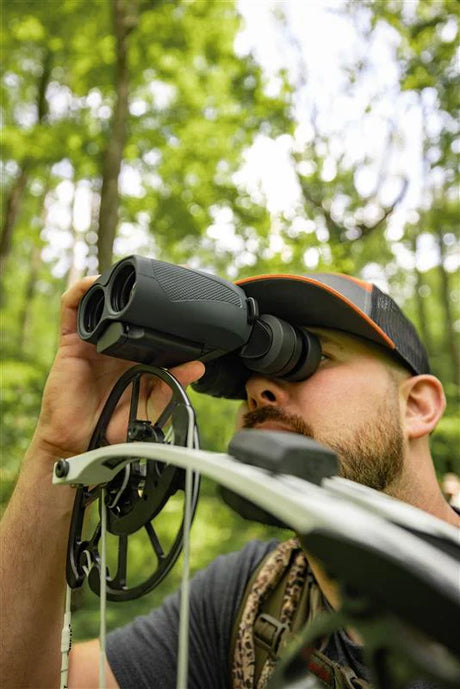
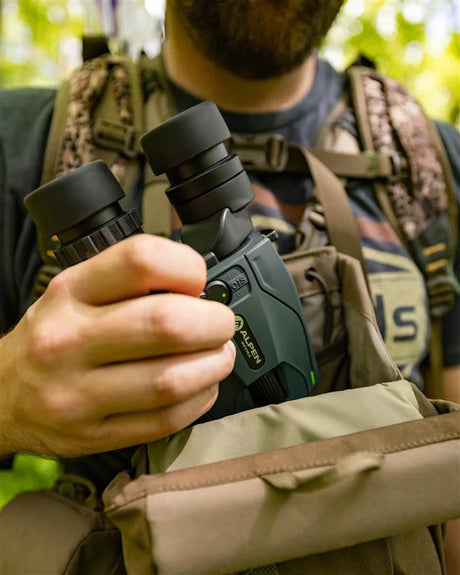


What a compact gives up
In daylight, very little
A 42 mm objective gathers about 72 percent more light than a 32 mm, but in daylight your own pupil is narrower than the beam either size delivers, so a compact looks just as bright. Field of view is set by the eyepiece design, not the objective: the Kite Lynx HD+ 8x30 shows 453 ft at 1,000 yards, the same as the Lynx HD+ 8x42, at 17.5 oz instead of 24.3.
In dim light
The trade comes at dawn and dusk. A 10x28 has a 2.8 mm exit pupil, which makes it a daylight binocular, while an 8x42's 5.25 mm keeps working as the light fades. The wider beam of a full-size binocular is also more forgiving of where your eye sits.
The compacts we carry
- Kite Lynx HD+ 8x30 and 10x30: premium compacts with IPX7 waterproofing.
- Steiner pocket models: the BluHorizons 10x26 at 10.6 oz, and the Tactical T824 8x24 and T1028 10x28, both under 13 oz.
- Steiner Navigator 7x30 and 7x30c, and Military-Marine 8x30: porro binoculars with Sports-Auto-Focus, set once for your eyes. The Navigator 7x30c adds a compass.
- Alpen Chisos 6.5x32 ED: low power and ED glass for a 432 ft field.
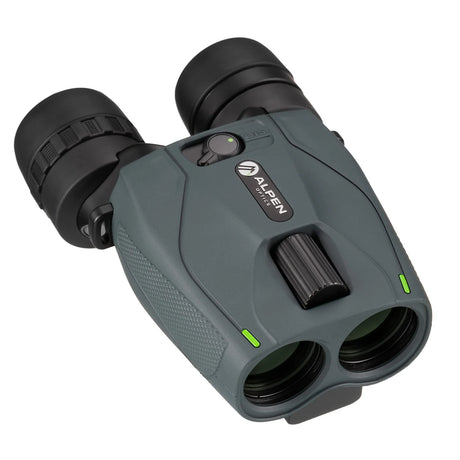
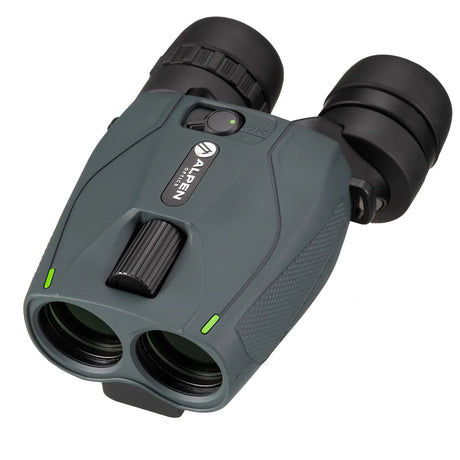
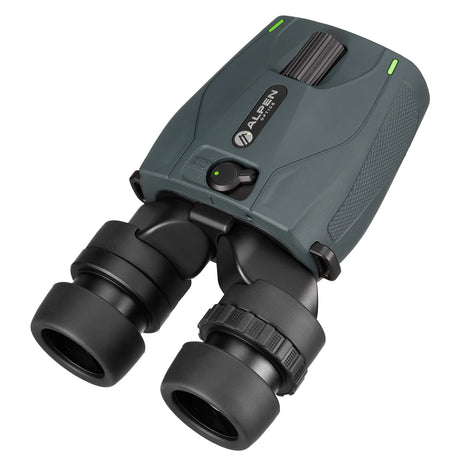
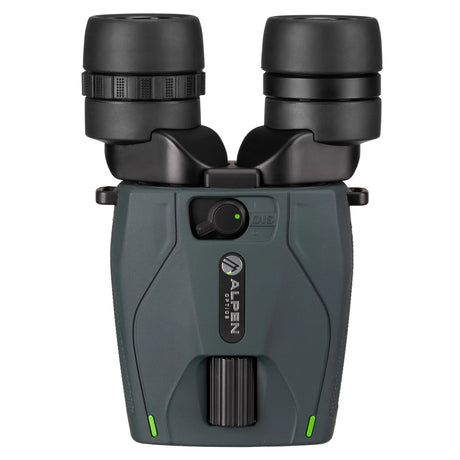
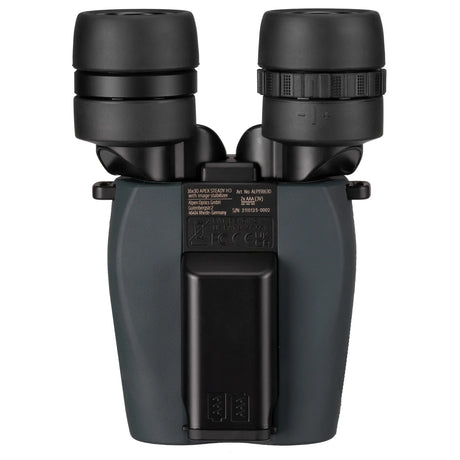
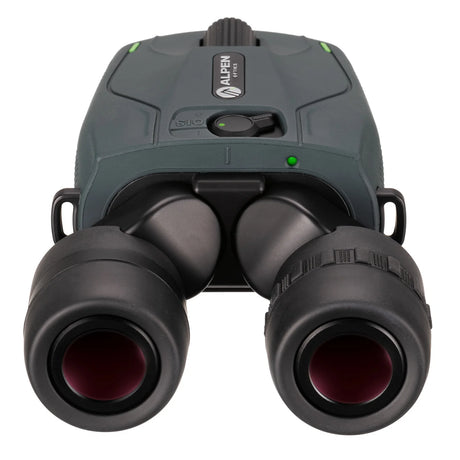
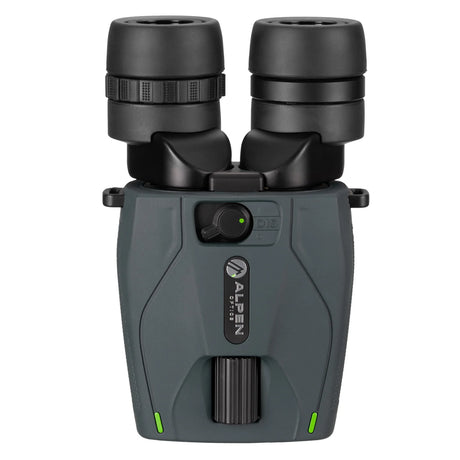
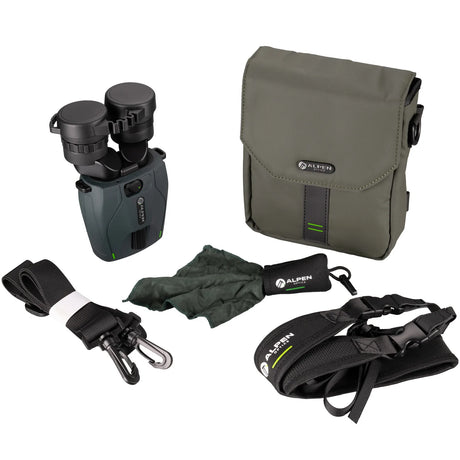
- Stabilized compacts: the Kite APC 10x30 and 12x30 and the Alpen Apex Steady 16x30 HD, which hold high magnification steady by hand.
Frequently Asked Questions
Are compact binoculars good for birding?
In daylight, yes. For daytime birding an 8x30 or 8x32 is close to an 8x42, and Audubon lists both sizes as suitable. Choose the 42 mm if you often watch at dawn and dusk.
Which compact is best for boating?
The Steiner Navigator 7x30 or 7x30c. Seven power is the marine standard because it keeps a boat's motion manageable in the hand, and Sports-Auto-Focus leaves nothing to turn at the helm.
For the full comparison, read 8x32 vs 8x42 Binoculars: The Compact Gives Up Less Than You Think.