

How to choose a tactical riflescope
LPVO or higher magnification
A 1-6x low-power variable optic (LPVO) covers close quarters under about 300 yards. For longer range, a 4.5-27x or 6-24x adds the magnification to see detail far out.
Reticle and focal plane
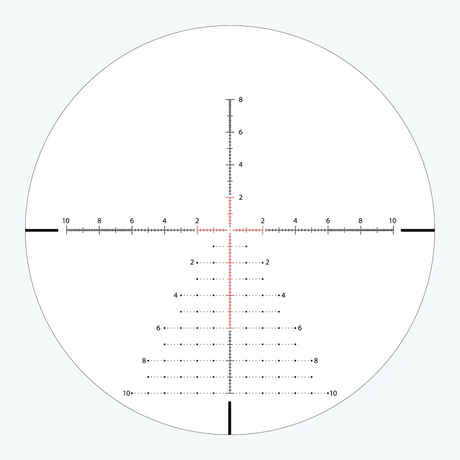
A first focal plane reticle grows and shrinks with magnification, so its marks stay true at every power, which matters when you use them at more than one setting. MIL and MOA are both angular measurement systems, and illuminated reticles help most at low magnification at dawn and dusk.
Turrets
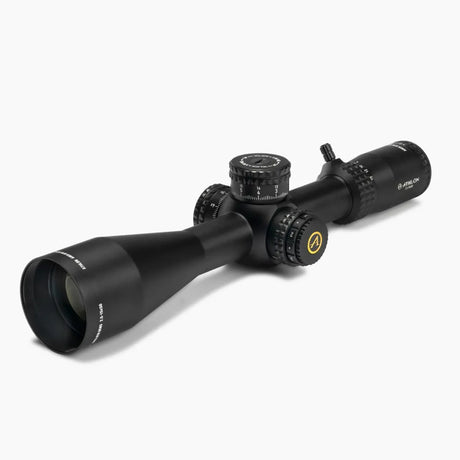
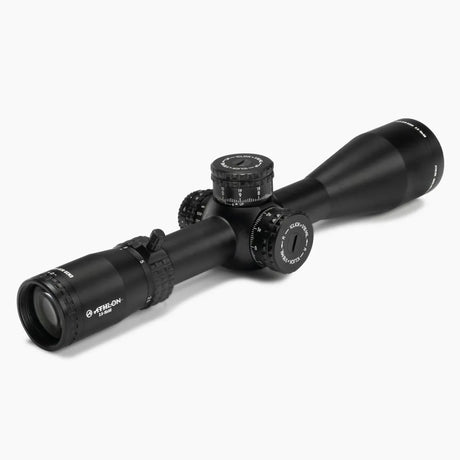
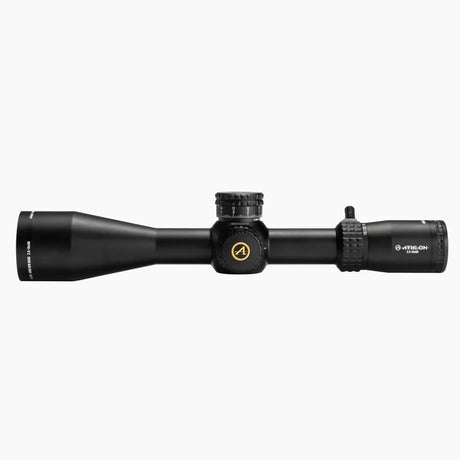
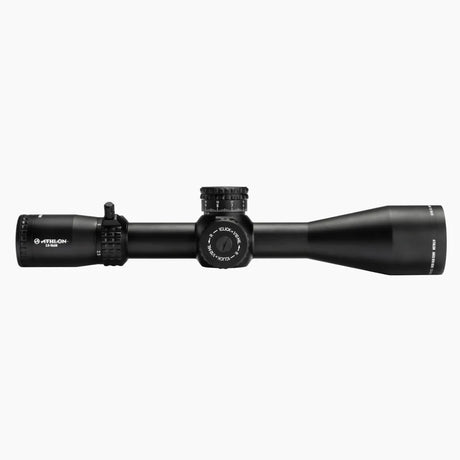
Exposed turrets let you dial quickly, and a zero-stop lets you spin back to your zero until it stops. Athlon's Heras SPR carries a locking windage turret across the line, and a 34 mm tube generally allows more internal elevation travel than a 30 mm one.
What we carry
- Athlon: the Argos, Helos, Midas, Heras, Ares and Cronus lines.
- Alpen: the Apex 1-6x24, 2.5-15x50 and 4.5-27x50, and the Kodiak 6-24x50.
Frequently Asked Questions
FFP or SFP?
Both work. If you use the reticle's marks at varying magnifications, FFP keeps them accurate at any zoom; if you mostly use one setting, SFP keeps a consistent reticle.
Will my rings fit?
Match the ring diameter to the scope's tube exactly: the scopes here use 30 mm or 34 mm tubes, and some Athlon models 1 inch.
Do I need an illuminated reticle?
It helps most at low magnification at dawn and dusk, when a black reticle disappears against a dark background.
For Athlon's lines compared, read Athlon Riflescopes Explained, and for our picks, Best Riflescopes for Hunting and Precision Shooting in 2026.