





Which National Geographic telescope
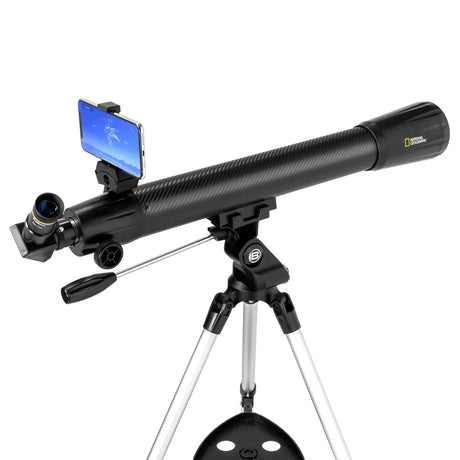
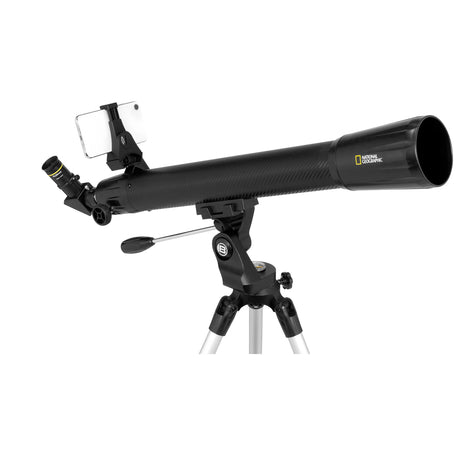
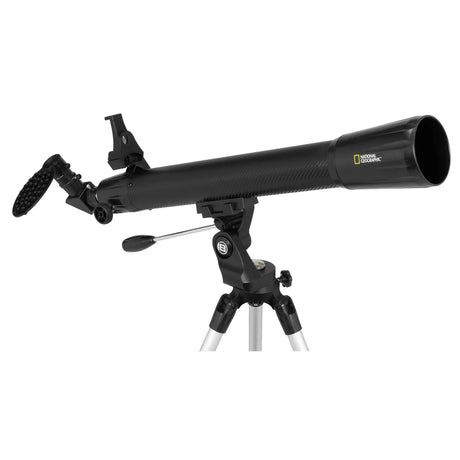
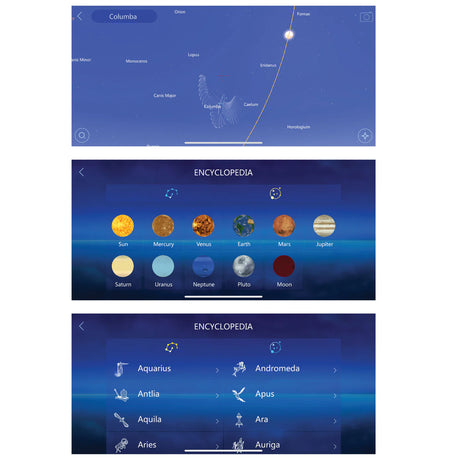
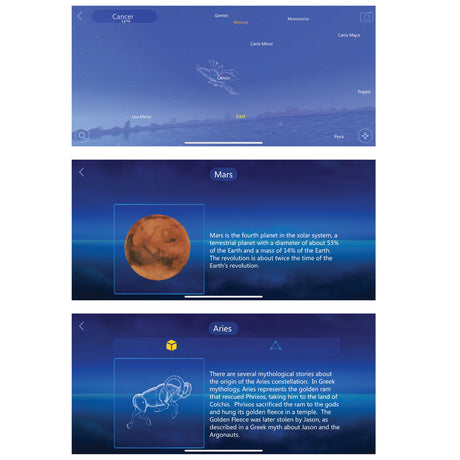
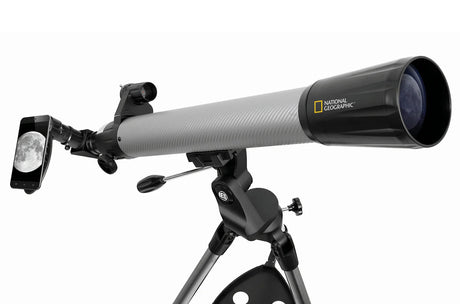
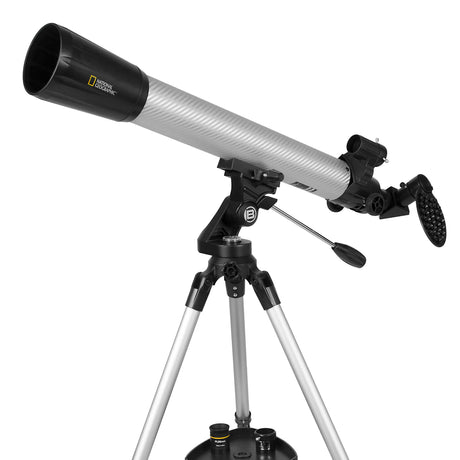
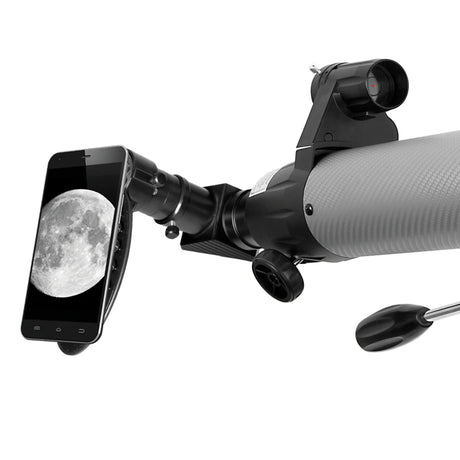
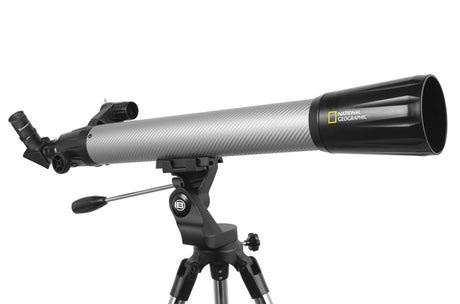
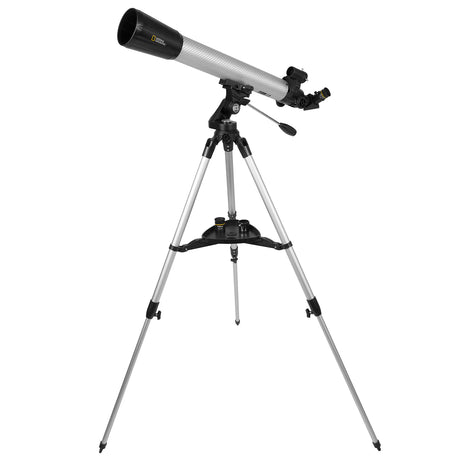
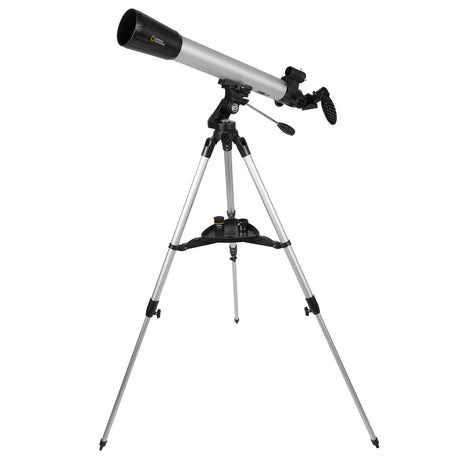
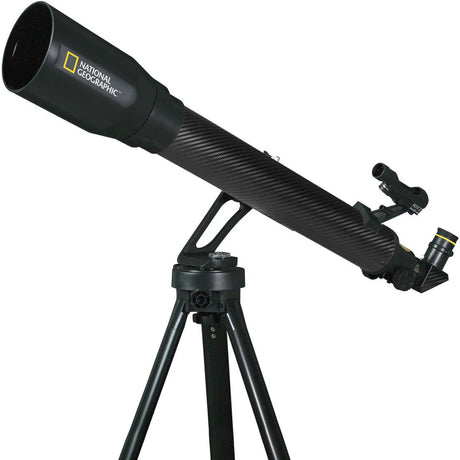
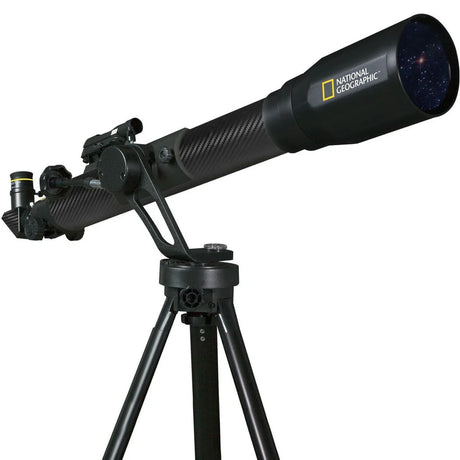
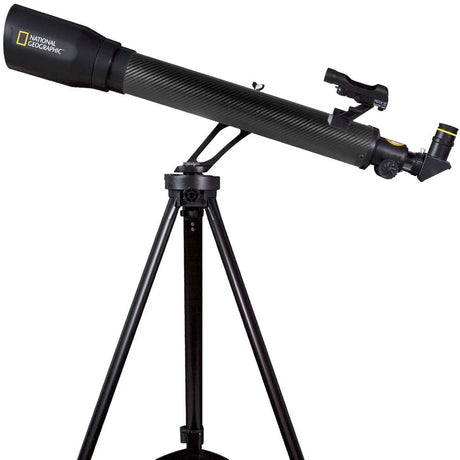
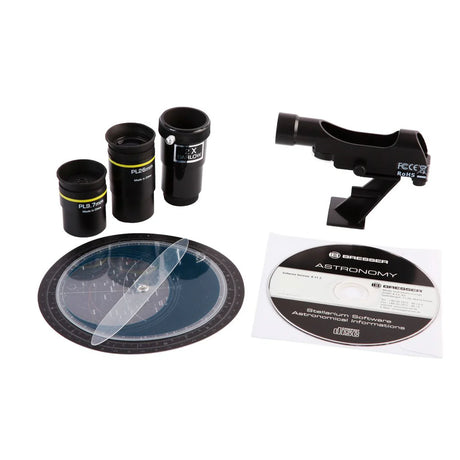
- 70 mm refractors (the CF700SM, the Silver Carbon Fiber and the StarApp70): a 700 mm focal length at f/10, enough to show Saturn's rings and Jupiter's belts and moons. The StarApp70 adds an astronomy app.
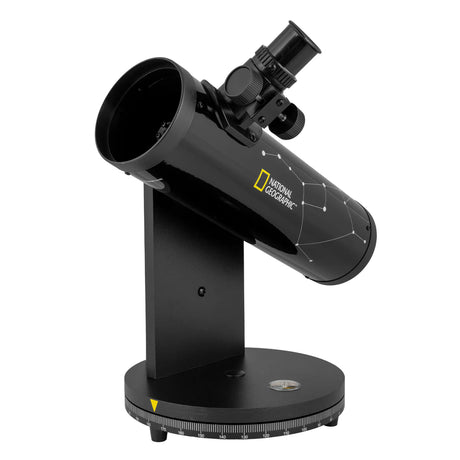
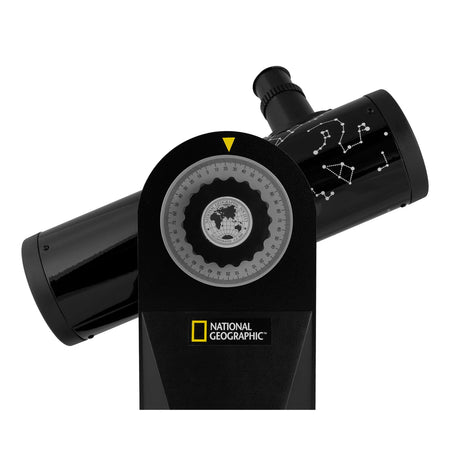
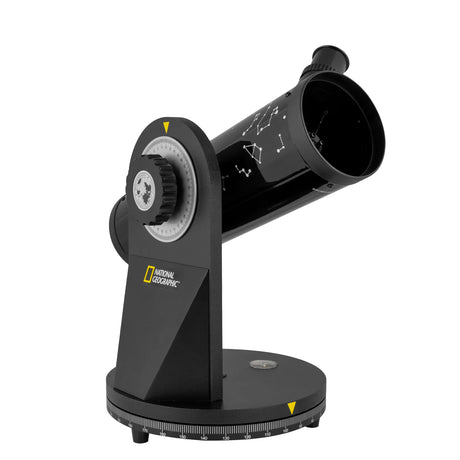
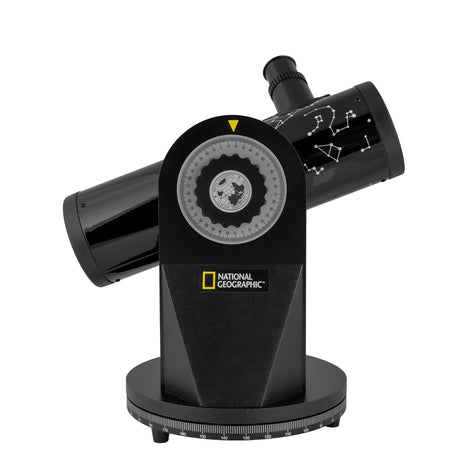
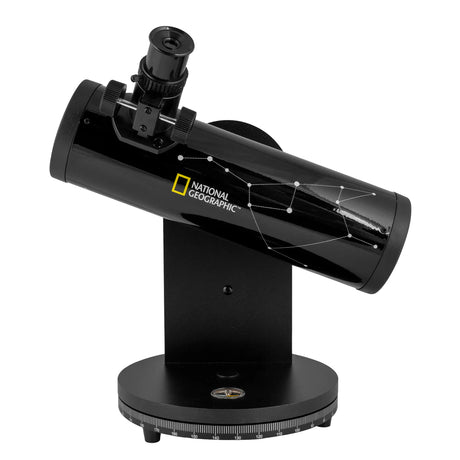
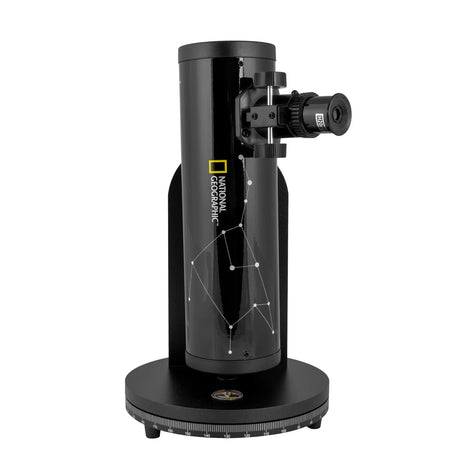
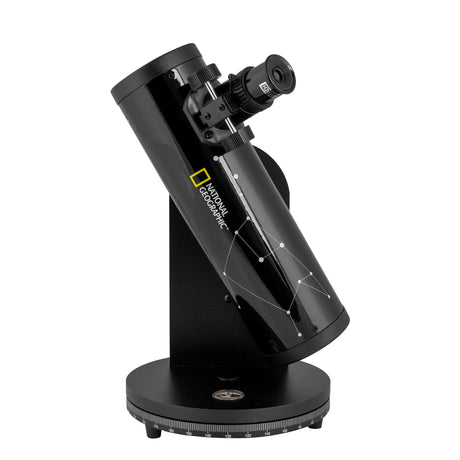
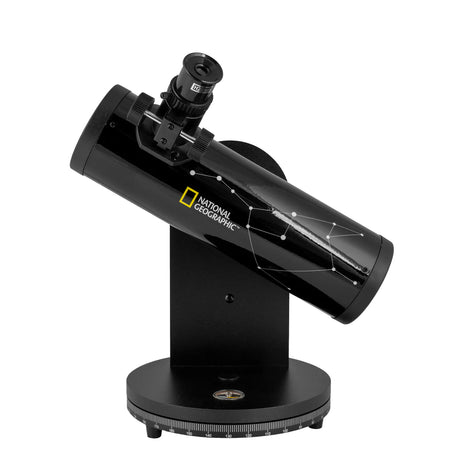
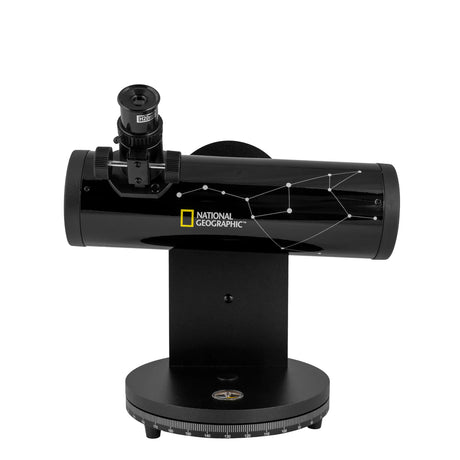
- 76 mm Compact Reflector: a 4.2 lb reflector that is easy to carry outside.
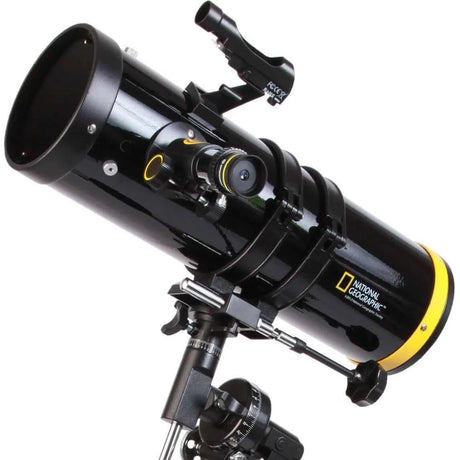
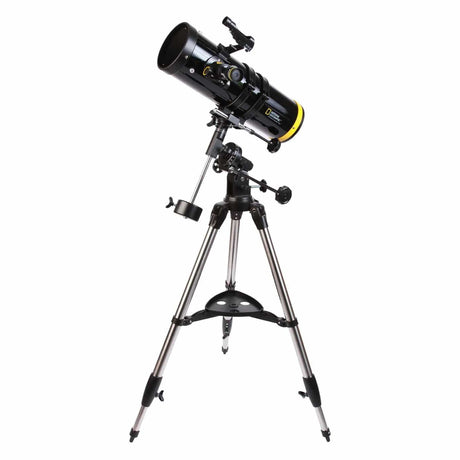
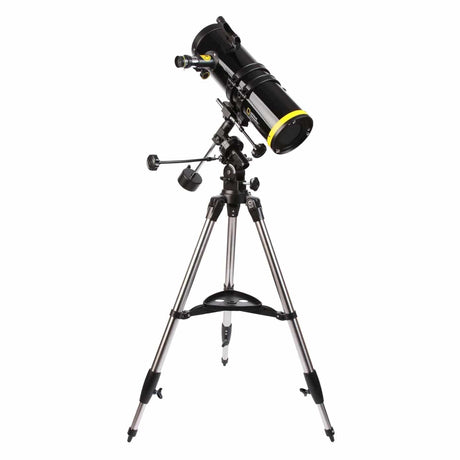
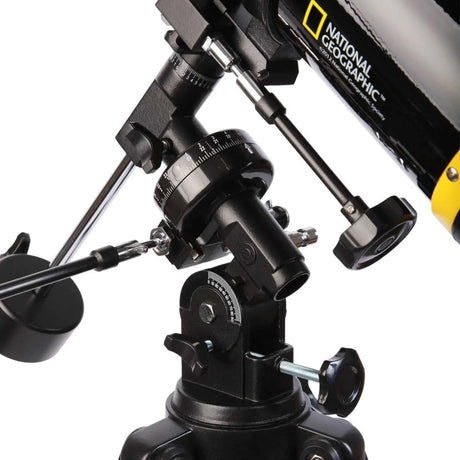
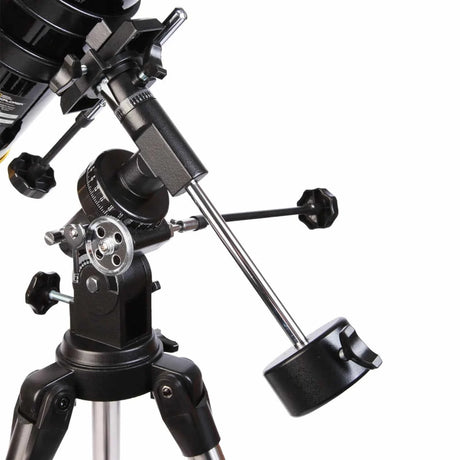
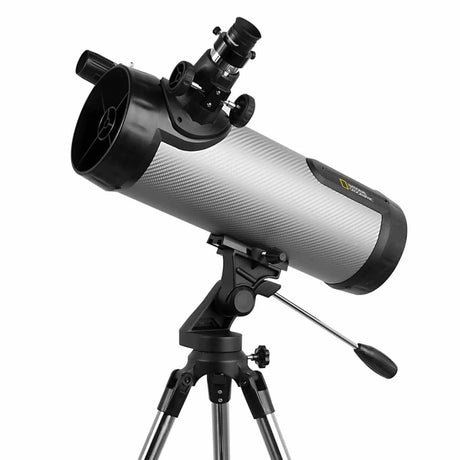
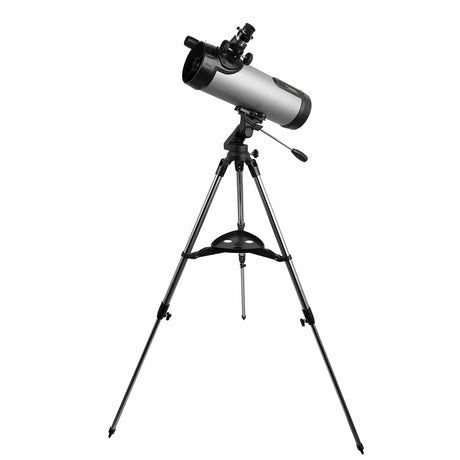
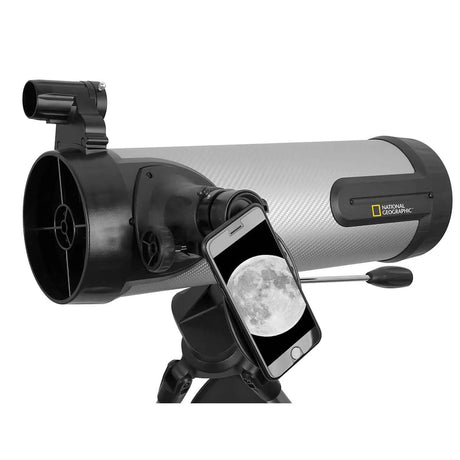
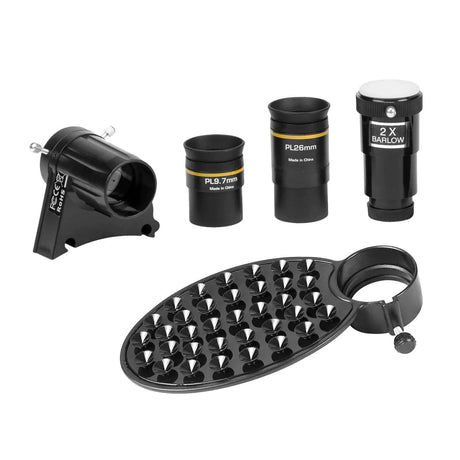
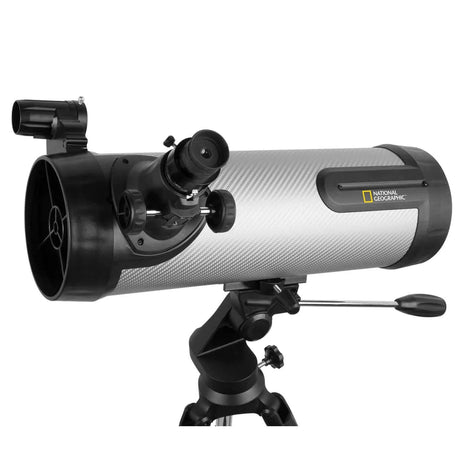
- 114 mm reflectors: the NT114PH, the budget pick in our Jupiter and Saturn guides, and the NG114mm on an equatorial mount.
- Excursion binoculars: 8x42 and 10x42, with BaK-4 prisms and nitrogen-purged bodies. The 8x42 shows 393 ft at 1,000 yards.
What to expect
A 70 mm refractor shows the Moon's craters, Saturn's ring shape and Jupiter's belts and four moons, and its f/10 focal ratio reaches higher magnification with ordinary eyepieces. The 114 mm reflectors gather more than twice the light, which shows more of the brighter star clusters, and their short f/4.4 tubes give wide, low-power views.
Frequently Asked Questions
Is a National Geographic telescope good for a beginner?
Yes. They are designed to keep a first look at the Moon simple, and the NT114PH is the budget pick in our planet guides.
Who makes National Geographic telescopes?
Explore Scientific, an official National Geographic licensee.
Are the Excursion binoculars good for birding?
Yes. An 8x42 is the usual choice for birding, for its wide, steady view, and the Excursion 8x42 shows 393 ft at 1,000 yards.
What can I see with a 114 mm reflector?
The Moon's craters, Saturn's rings, Jupiter's belts and moons, and the brighter star clusters. From about 100 mm of aperture you can start to pick out the Cassini Division, the gap in Saturn's rings.
For what a small telescope shows on Jupiter, read Minimum Telescope to See Jupiter.