



How to choose a reflector
Aperture
A reflector's strength is aperture for the money, so choose as much as you can store and carry. Aperture decides how much light the telescope gathers: Explore Scientific's 10-inch Dobsonian collects about 47 percent more than its 8-inch, which under a dark sky brings out more detail in faint galaxies.
Mount
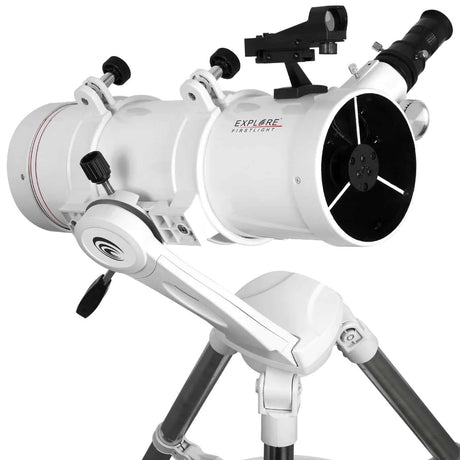
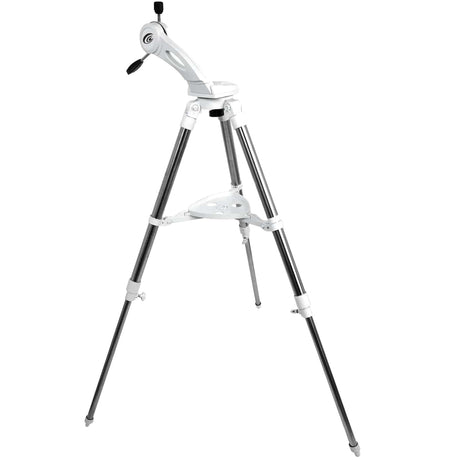
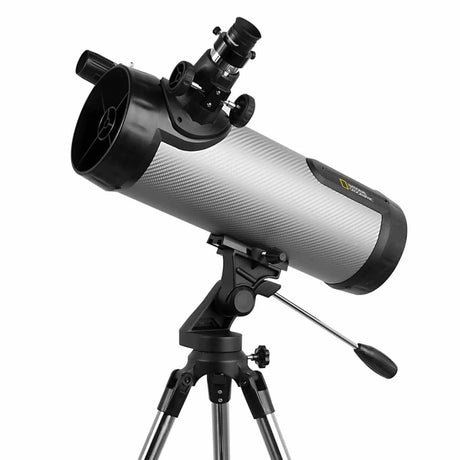
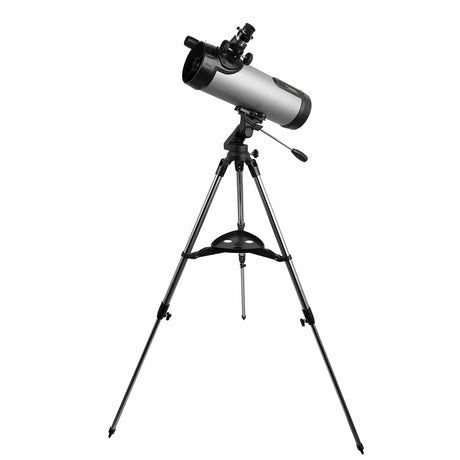
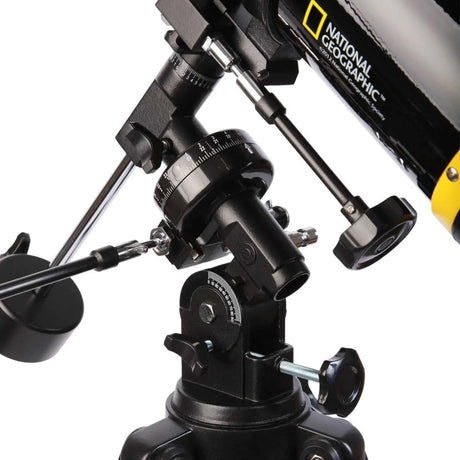
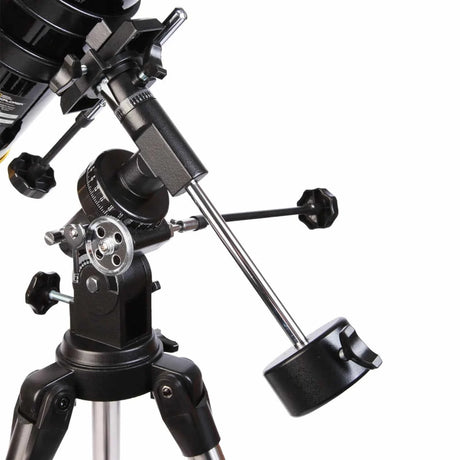
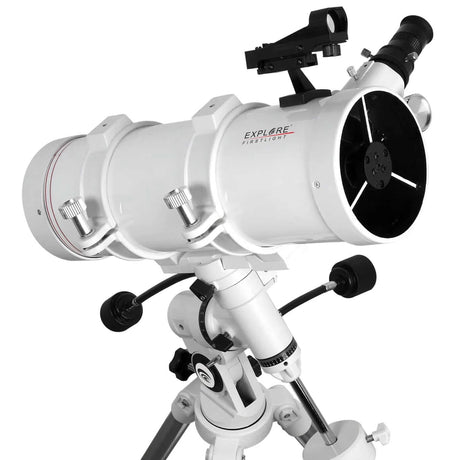
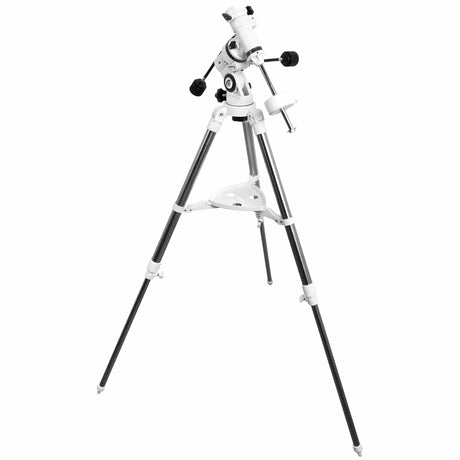
A Dobsonian sets the tube on a rocker base that you move by hand. The Sidara packages put a reflector on an alt-azimuth tripod mount with slow-motion controls, and the FirstLight 114 comes on an EQ3 equatorial mount.
Collimation and cool-down
A reflector's mirrors need lining up (collimation) from time to time, more often after the telescope is moved or bumped, and a fast focal ratio is less forgiving: the 8-inch f/5.9 Dobsonian tolerates about twice the error of the 10-inch f/4.7. Before observing, give the mirror about half an hour to cool to the night air, or the view shimmers.
The reflectors we carry
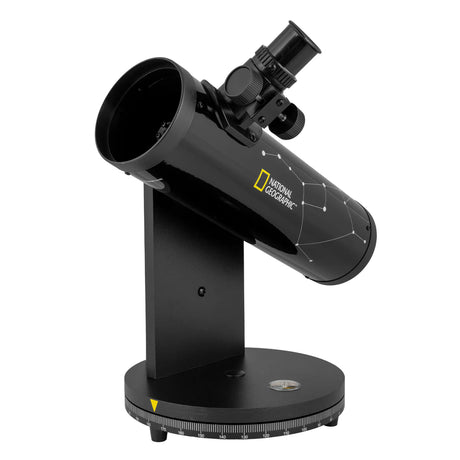
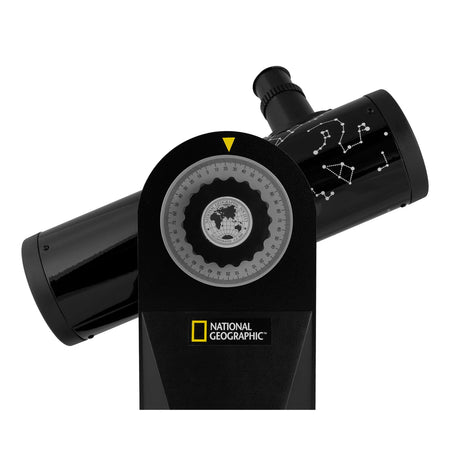
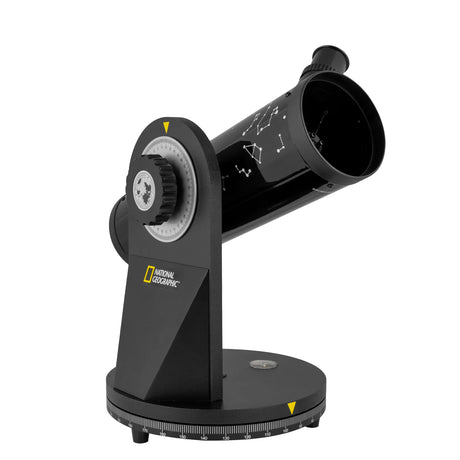
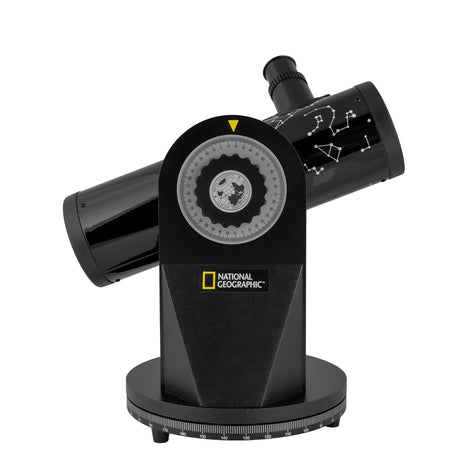
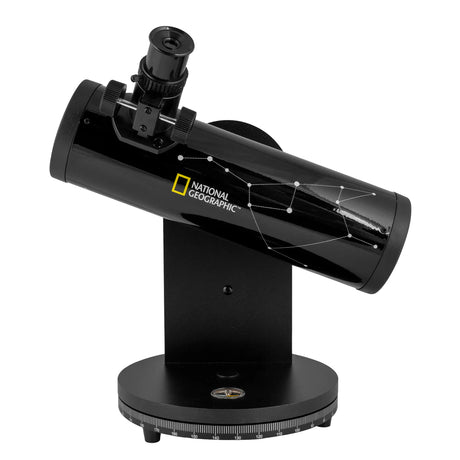
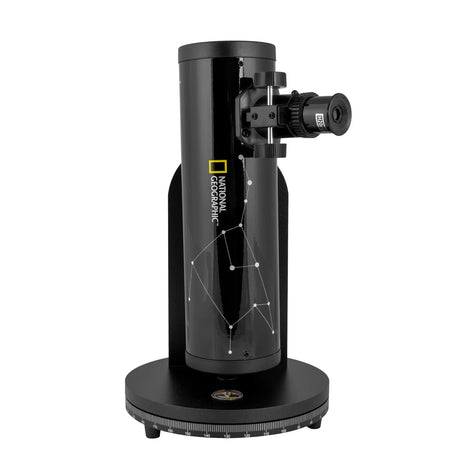
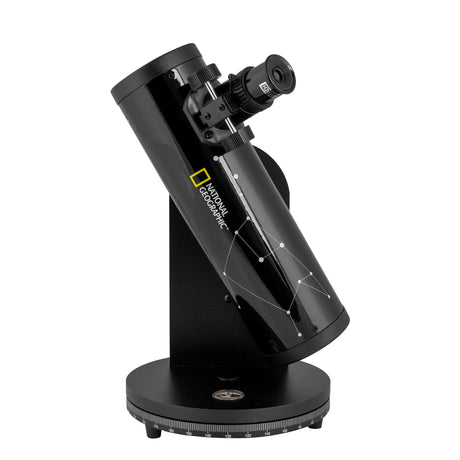
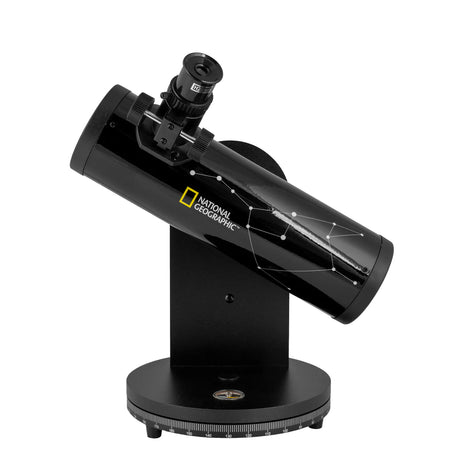
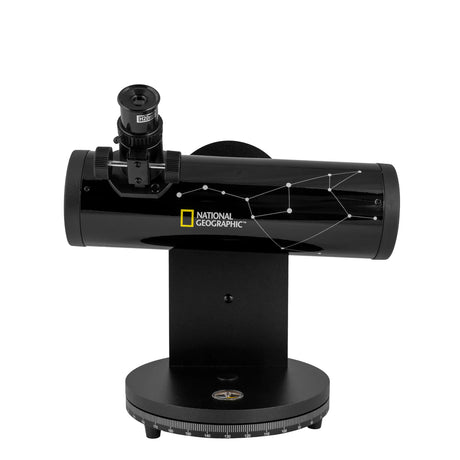
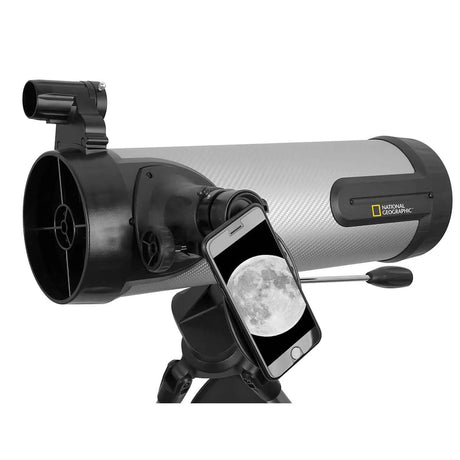
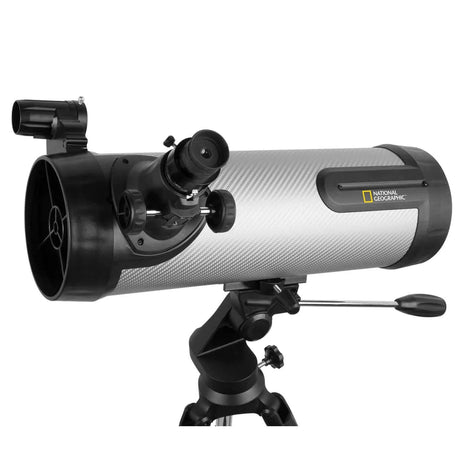
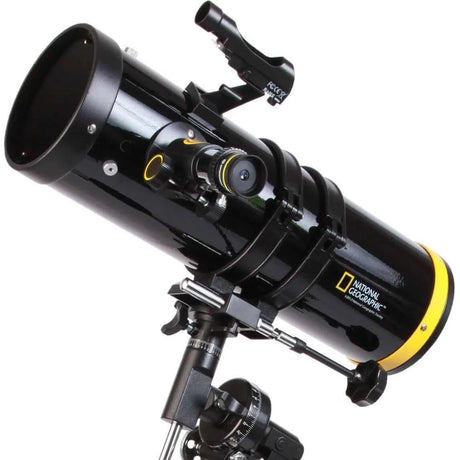
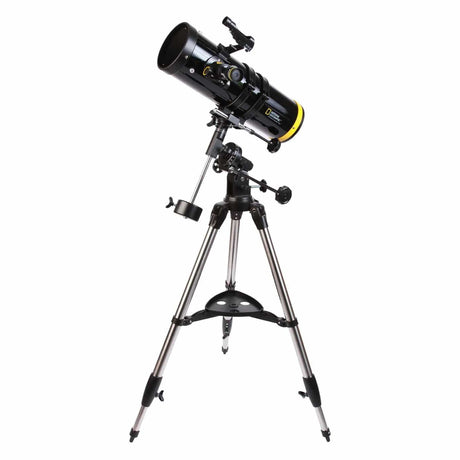
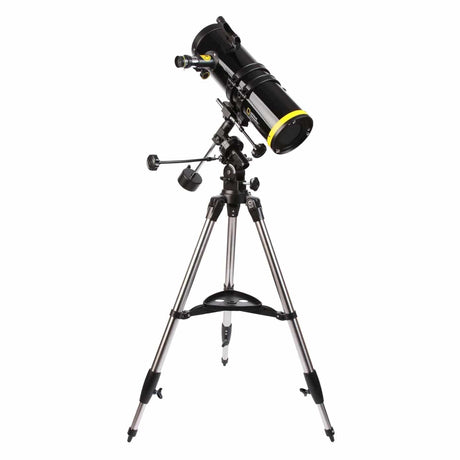
- Starter reflectors: National Geographic's 76 mm and 114 mm models and the Explore FirstLight 114.
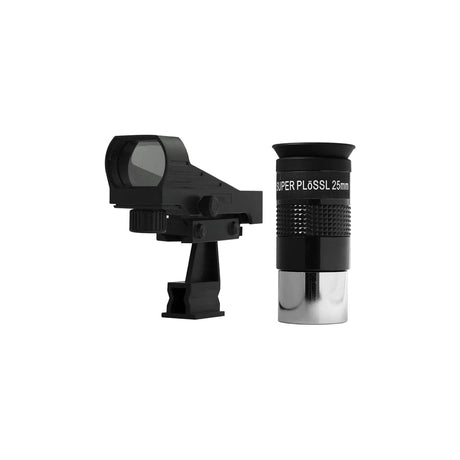
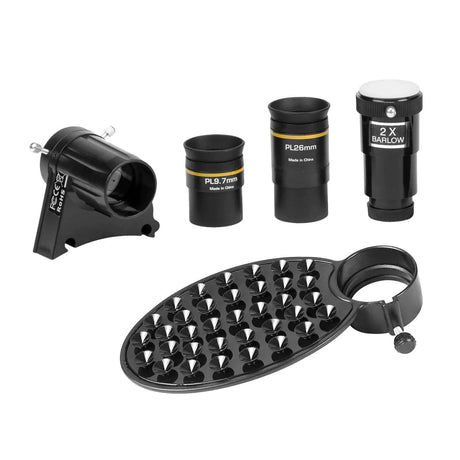
- Sidara packages: the Nano 114, Essential 130 and Plus 150 on matched alt-azimuth mounts, each with 25 mm and 10 mm eyepieces and the SkyAssist app.
- Dobsonians: Explore Scientific's 6-inch tabletop, 8-inch f/5.9 and 10-inch models, in solid tube and hybrid truss.
Frequently Asked Questions
Do reflectors show false color?
No. A mirror brings every color to the same focus, so a reflector shows none of the color fringing an achromatic refractor can. Every Newtonian does show some coma, which stretches stars away from the center of the field into small comet shapes.
Should I buy an 8-inch or a 10-inch Dobsonian?
The 10-inch collects about 47 percent more light for about 7 pounds more. Take it if the telescope can live on the ground floor or in a garage, and the 8-inch if you carry it up stairs or want easier collimation.
For the full size comparison, read 8 Inch vs 10 Inch Dobsonian Telescope, and for the Sidara packages, Explore Scientific Sidara Telescopes Compared.