






Mount types
Alt-azimuth
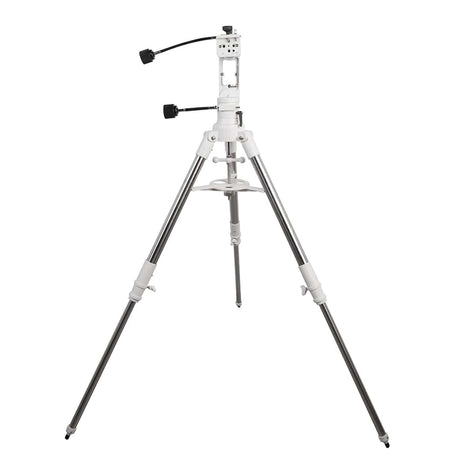
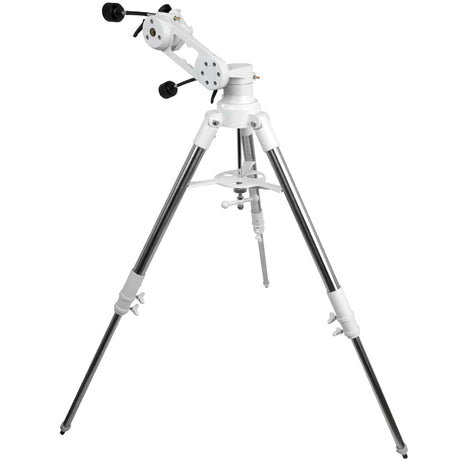
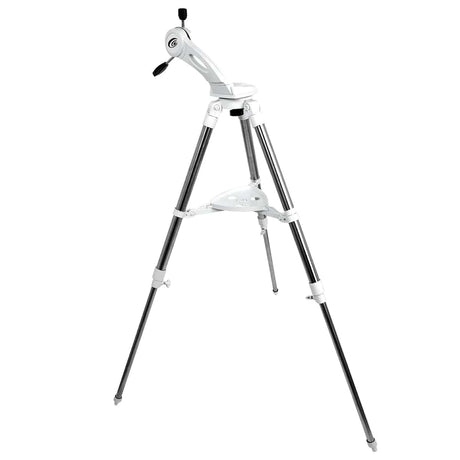
An alt-azimuth mount moves up and down and side to side, and it is ready as soon as the tripod is up. The Sidara Nano carries 5 lb and the Twilight I 18 lb, both moved by hand with slow-motion controls, and the Sidara Pro adds GoTo pointing and tracking for up to 11 lb.
Equatorial
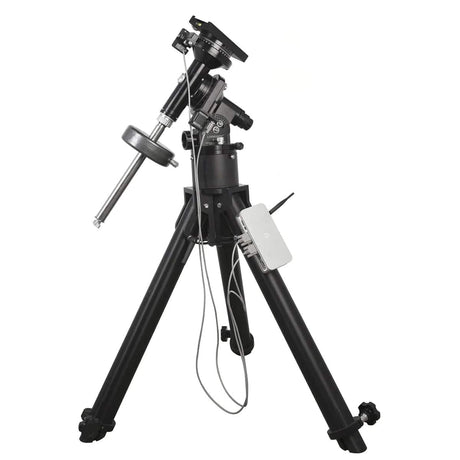
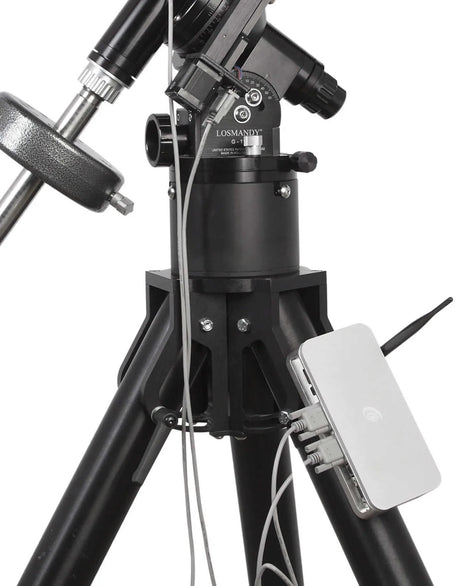
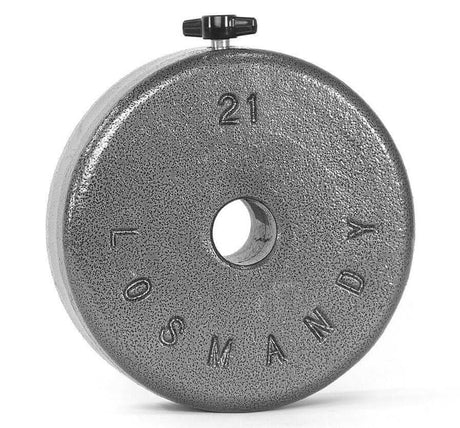
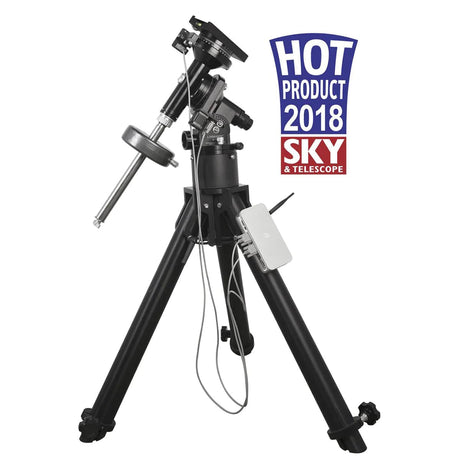
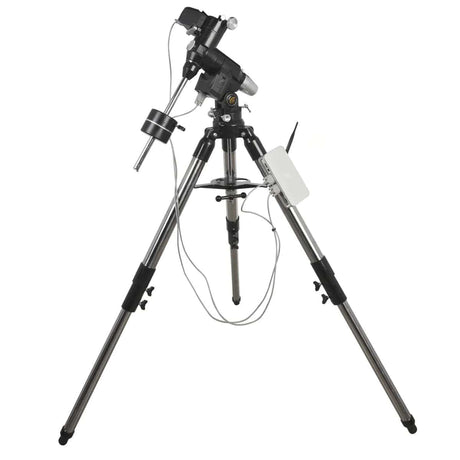
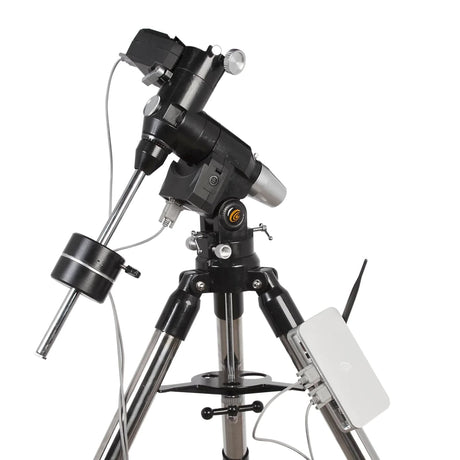
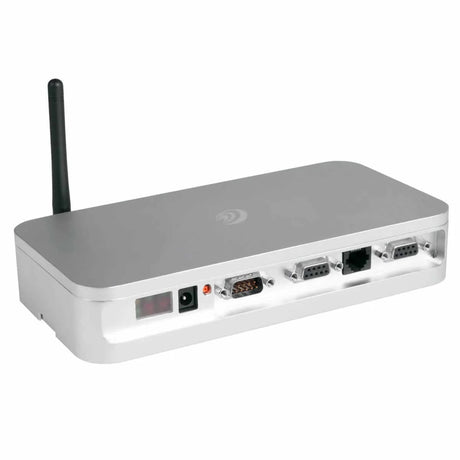
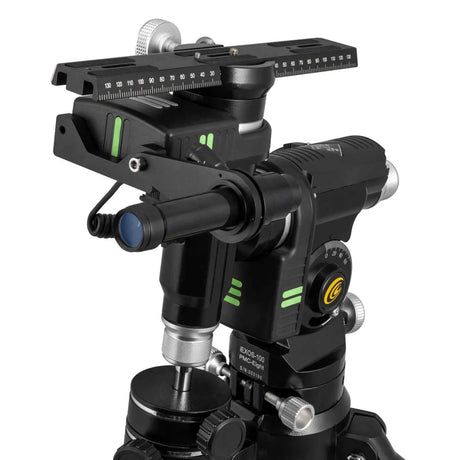
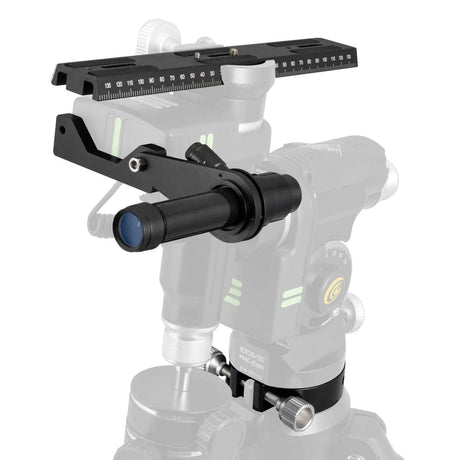
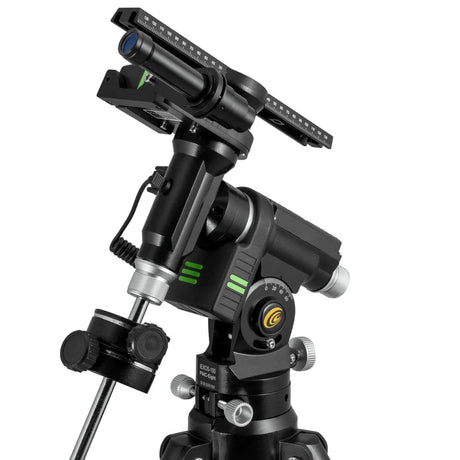
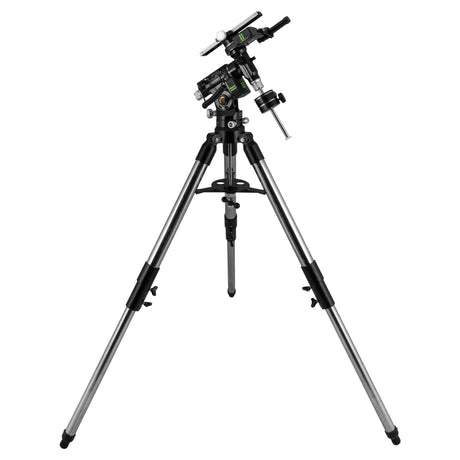
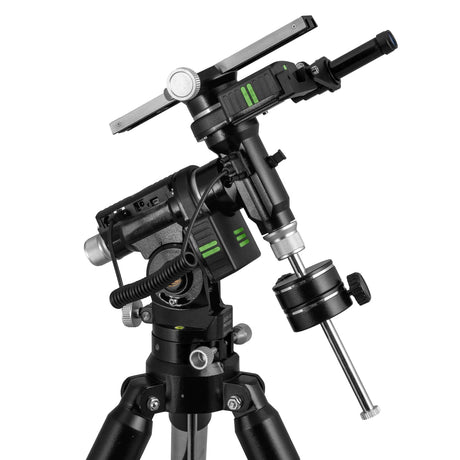
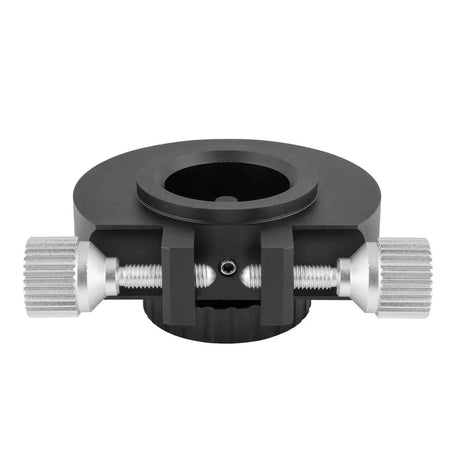
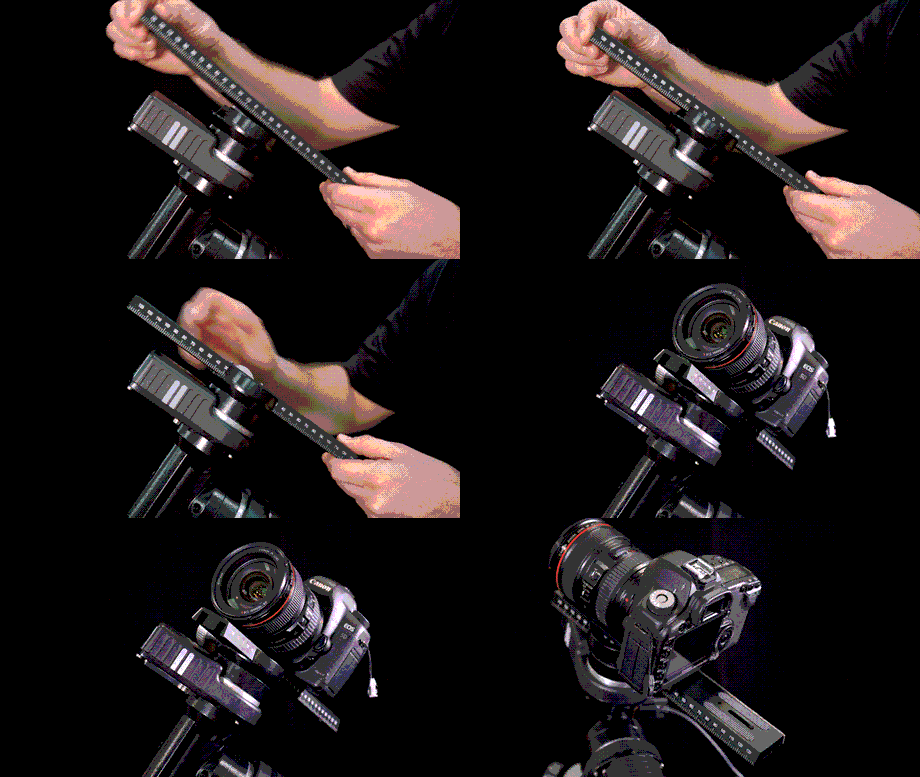
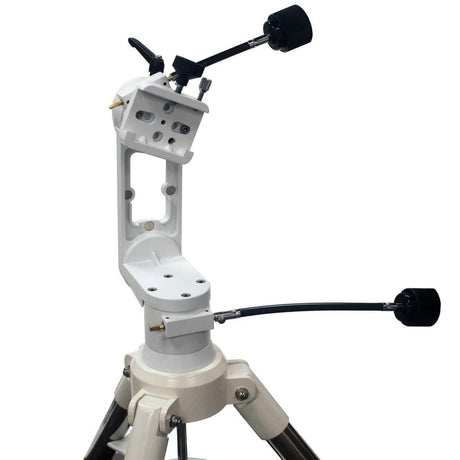
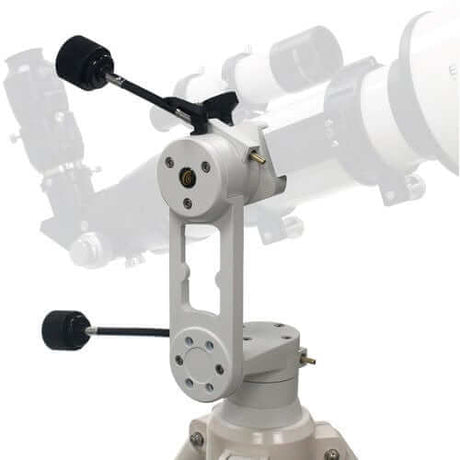
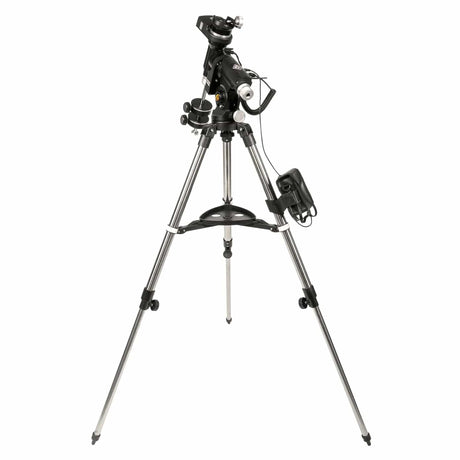
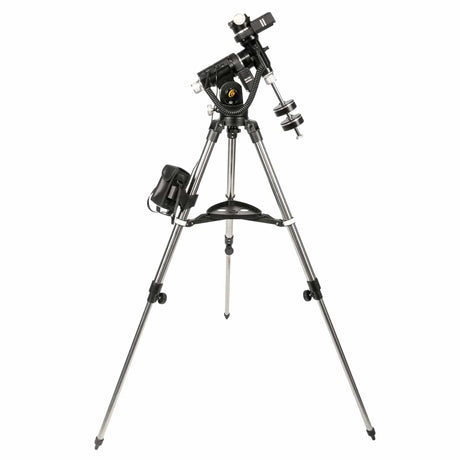
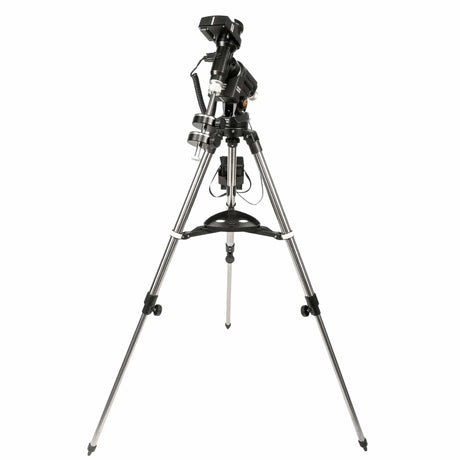
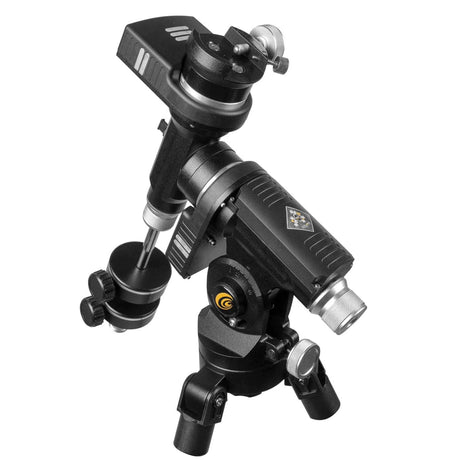
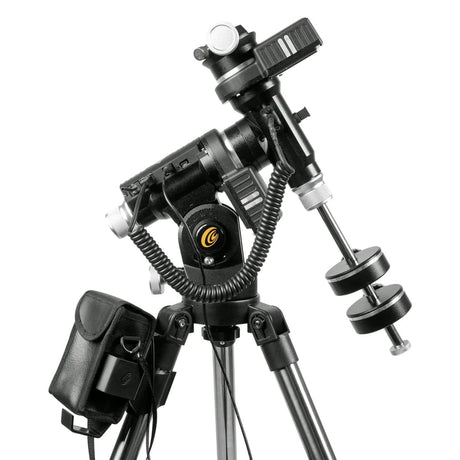
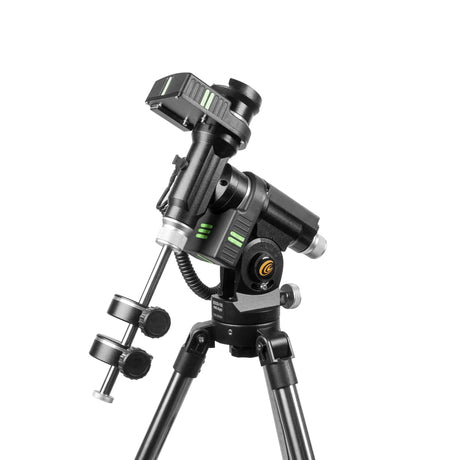
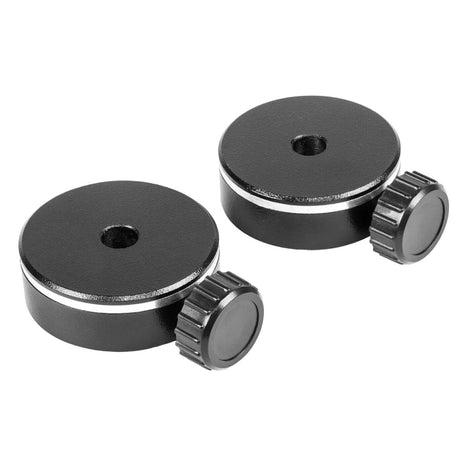
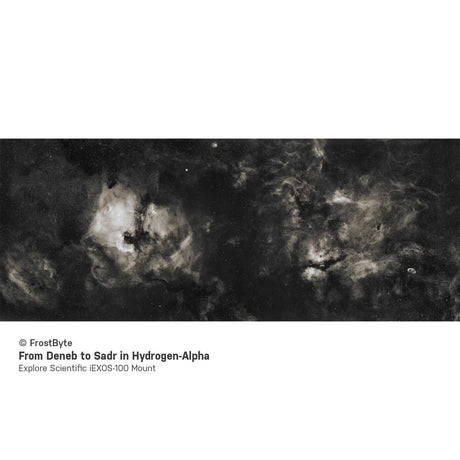
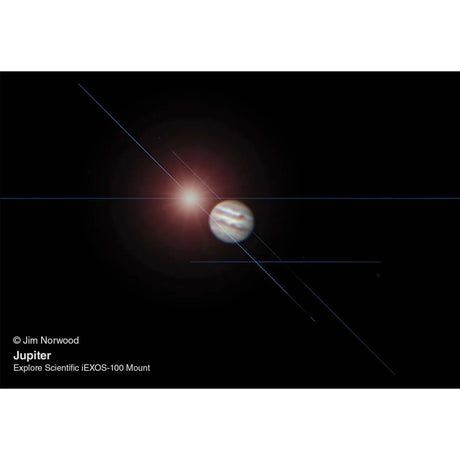
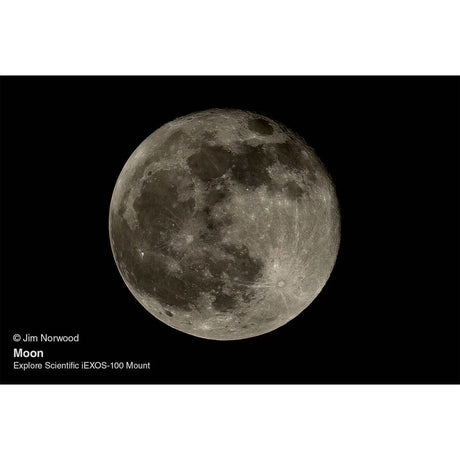
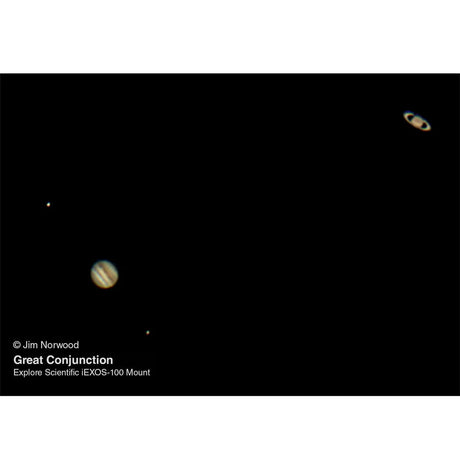
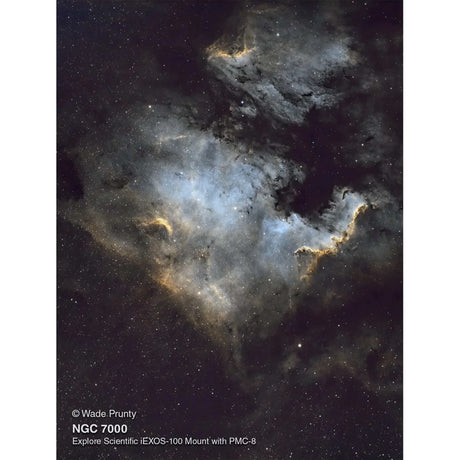
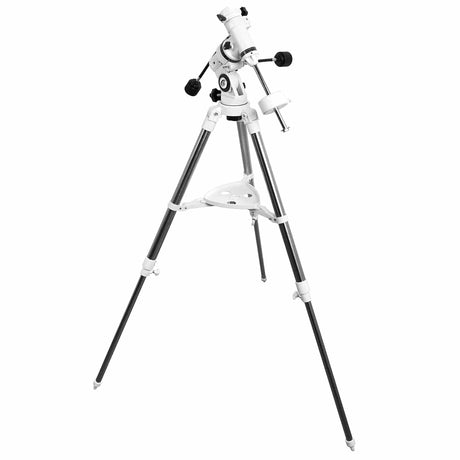
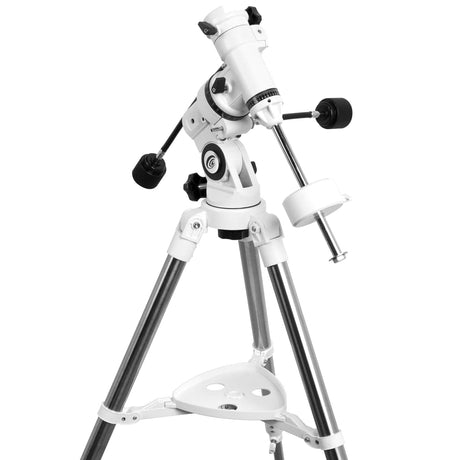
An equatorial mount, once polar aligned, follows the sky on one axis, which long-exposure imaging needs. The FirstLight EXOS Nano is a manual German equatorial head rated for 15 lb. The PMC-Eight mounts track and slew on their own: the iEXOS-100 carries about 9 lb of equipment, and the EXOS2-GT 28 lb of instruments for astrophotography and 40 lb for visual use, plus counterweights.
Binocular mounts and tripods
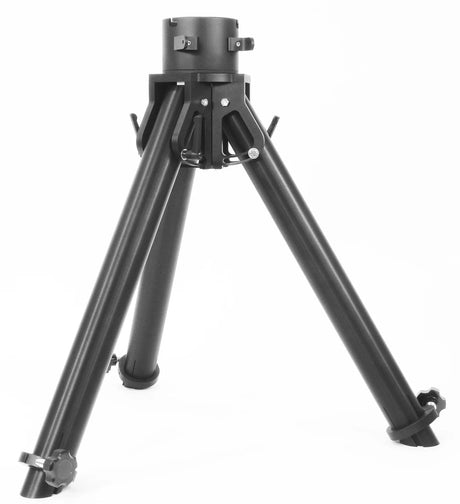
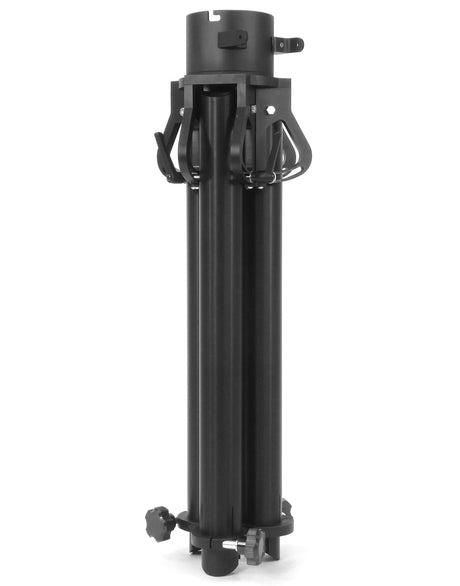
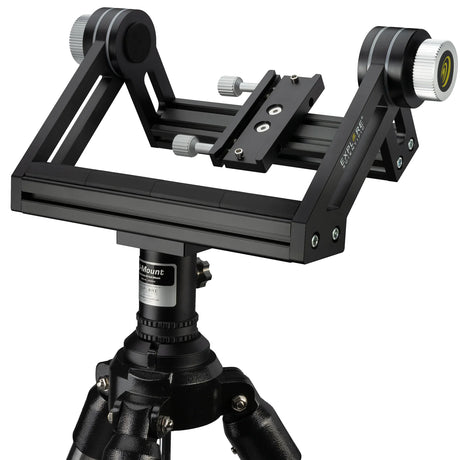
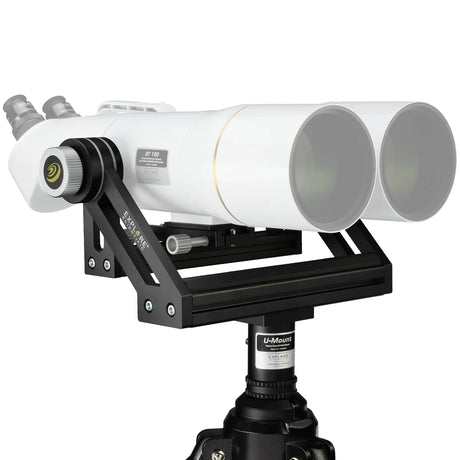
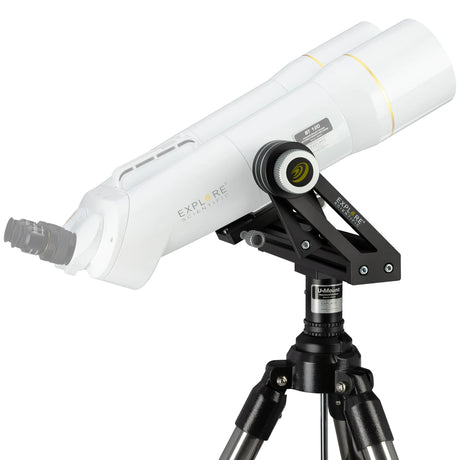
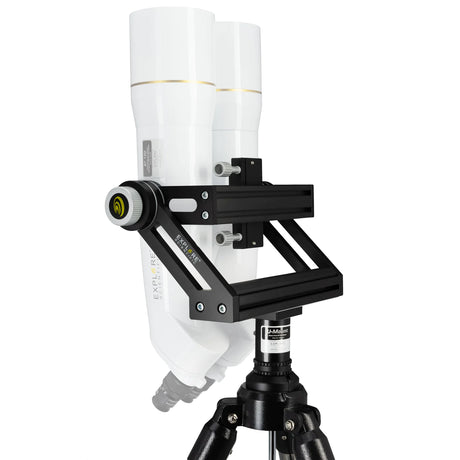
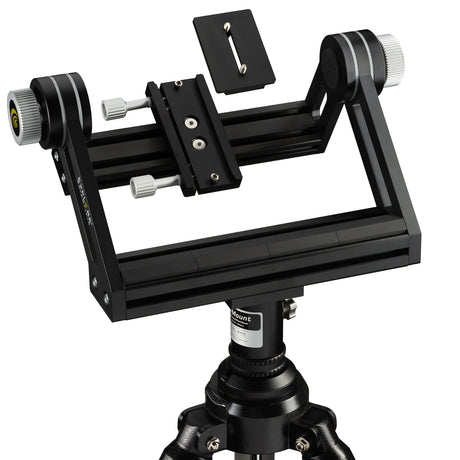
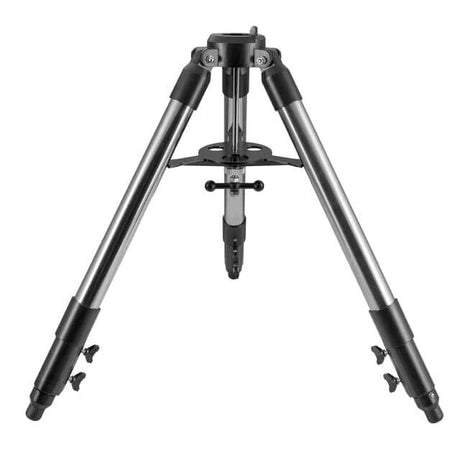
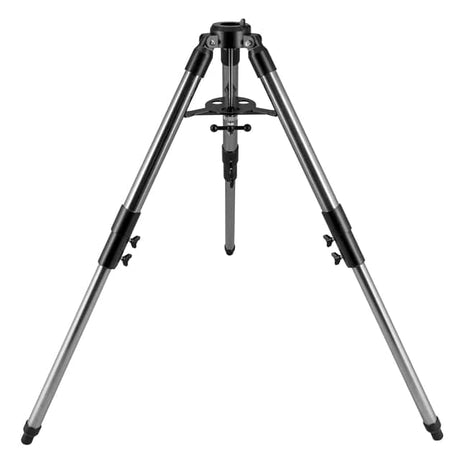
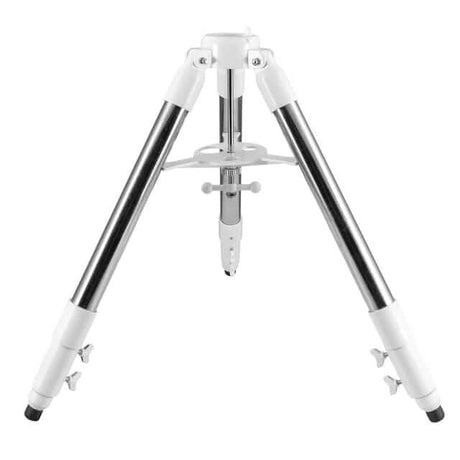
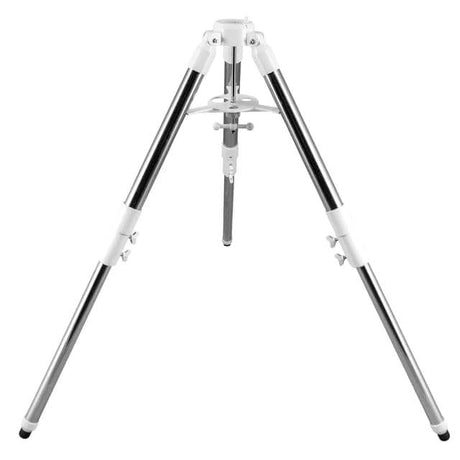
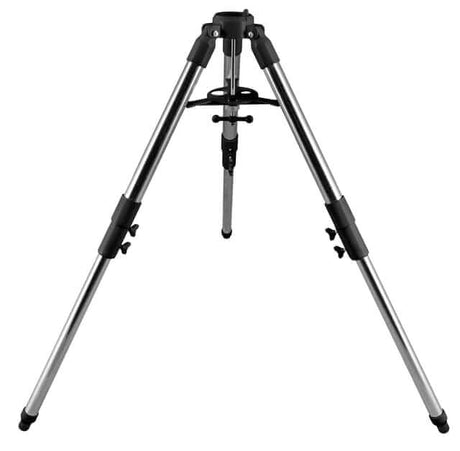
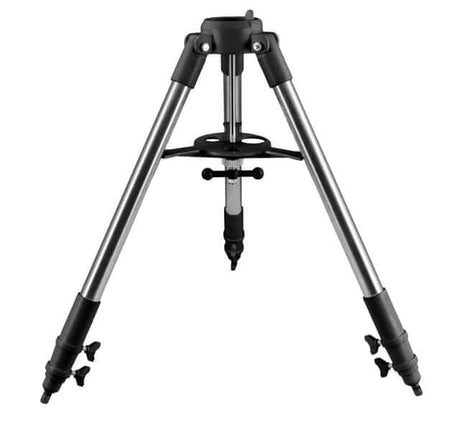
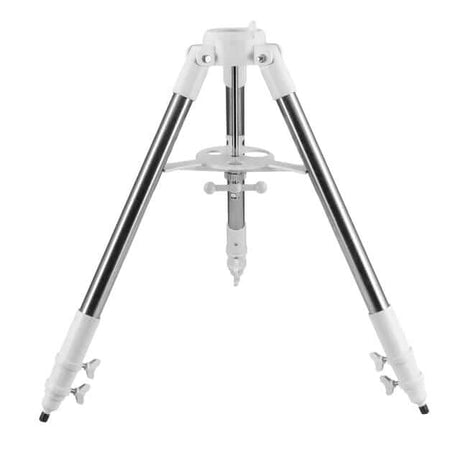
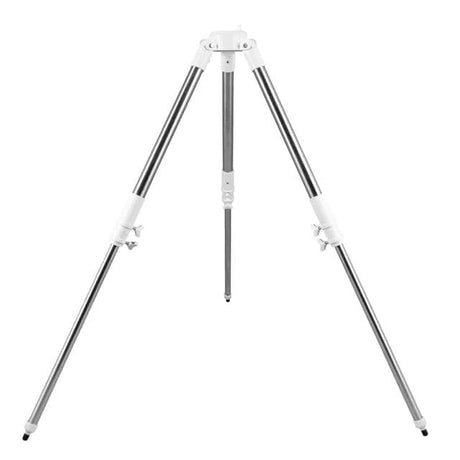
Giant binoculars ride a U-mount: Explore Scientific's U-mount with tripod for large binoculars is rated for 26 lb, and the BT-150's own U-mount and tripod for 110 lb. For building your own setup, the Twilight Medium Duty and Heavy Duty tripods, at 11 and 13.6 lb, each come with a spreader accessory tray.
Frequently Asked Questions
How much mount do I need?
One rated for your telescope and everything you hang on it, with room to spare for imaging, where ratings run lower: the EXOS2-GT, for one, is rated for 28 lb for astrophotography against 40 lb for visual use.
Alt-azimuth or equatorial?
Alt-azimuth for visual observing and a quick setup. Equatorial for long-exposure astrophotography, where the field must not rotate during the exposure.
What does GoTo add?
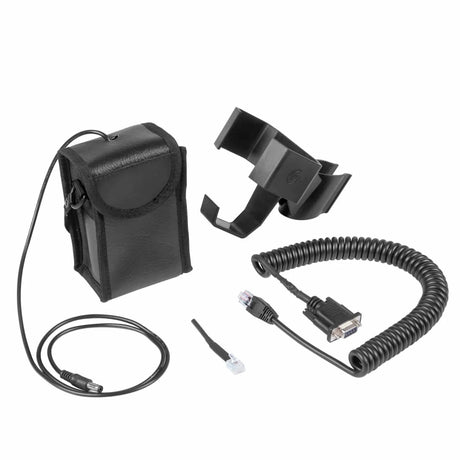
Motors and an object database: you choose a target from a hand controller or an app, and the mount slews to it and tracks it. The Sidara Pro and the PMC-Eight mounts are GoTo; the Twilight I, Sidara Nano and EXOS Nano are moved by hand.
For GoTo mounts alone, browse our computerized GoTo mounts, and before your first imaging night, read Balancing Your Equatorial Mount for Stellar Observations.