




Digital night vision or thermal?
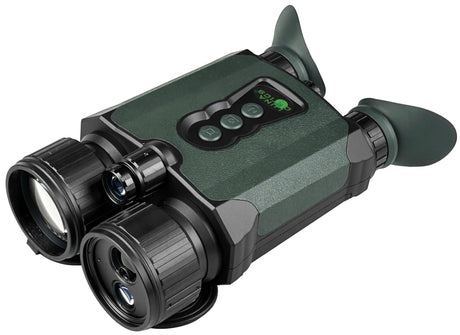
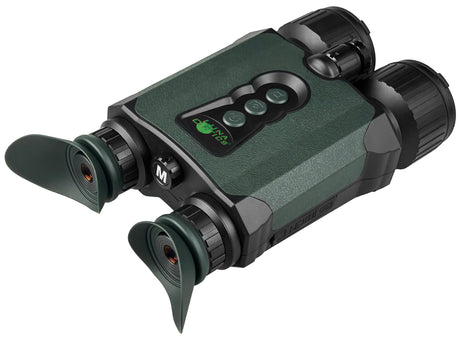
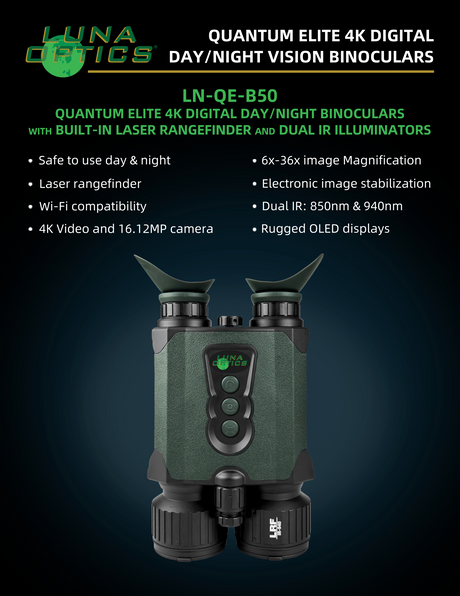
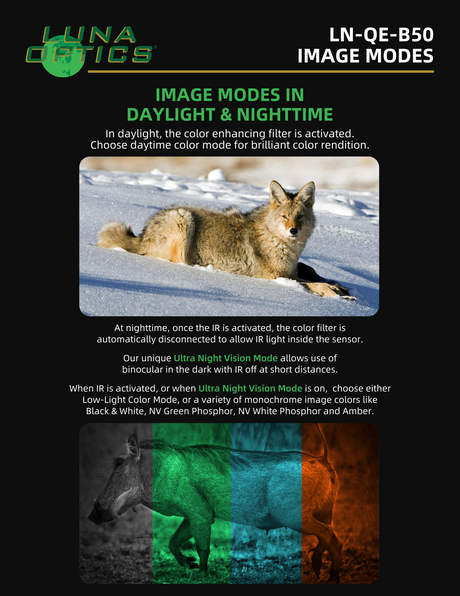
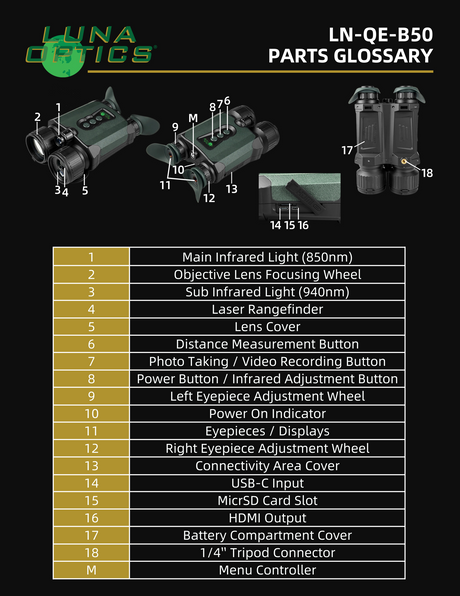
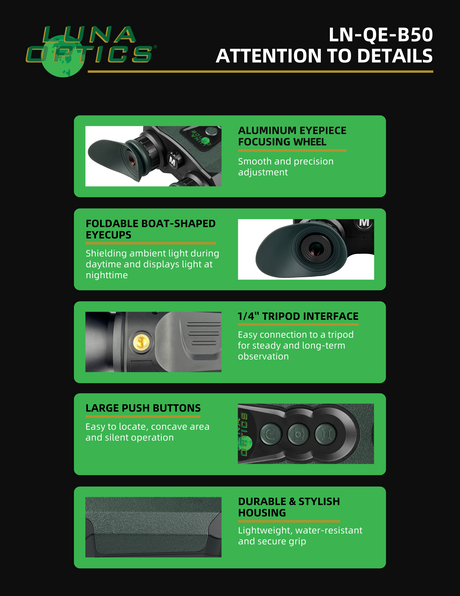
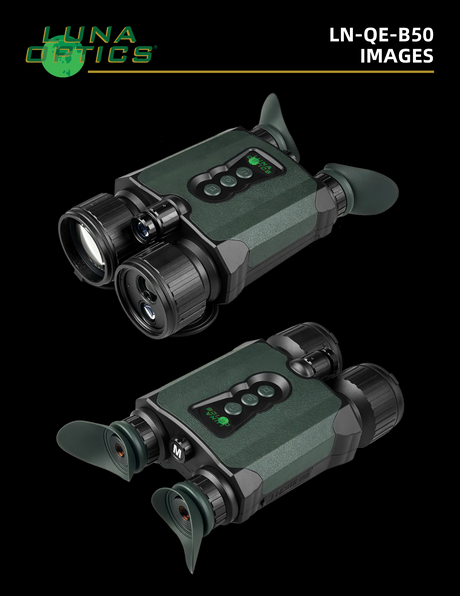
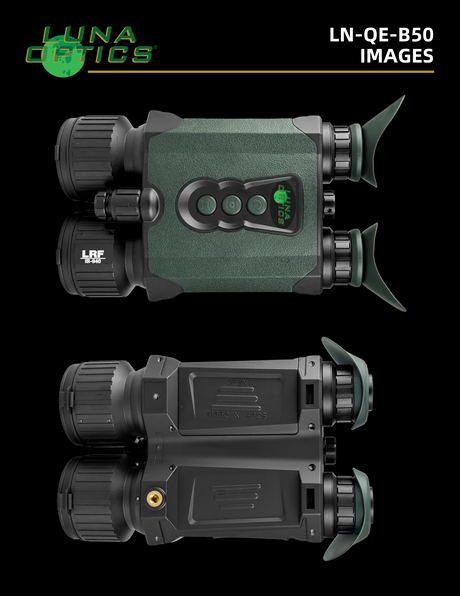
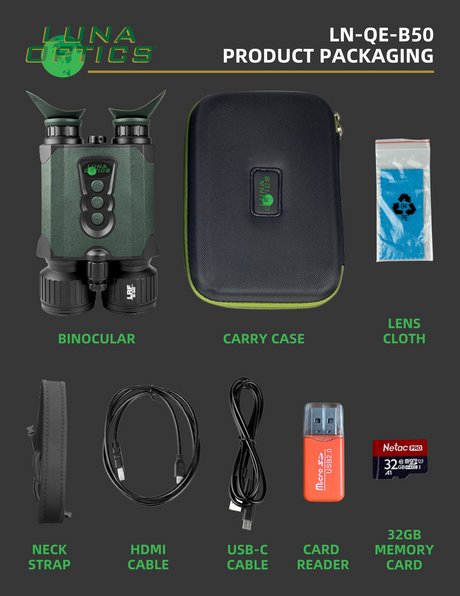
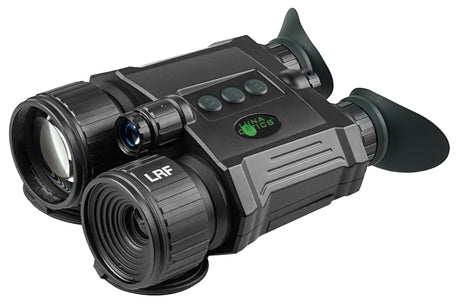
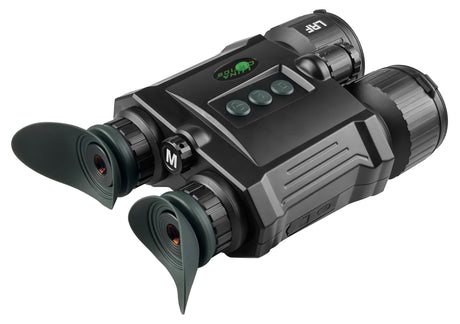
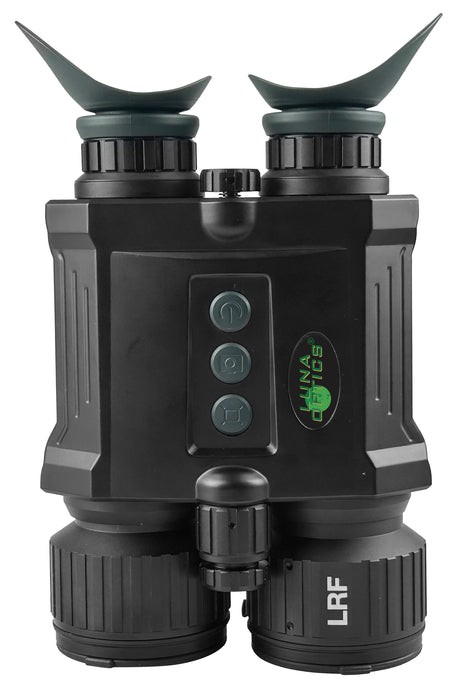
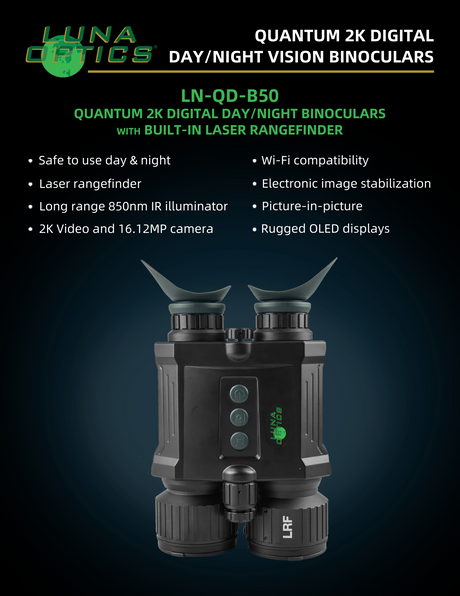
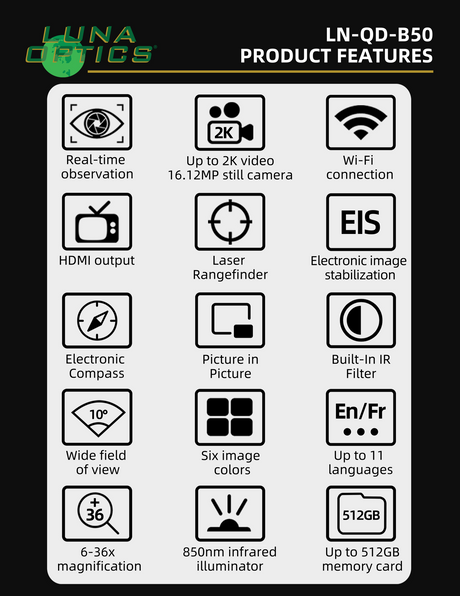
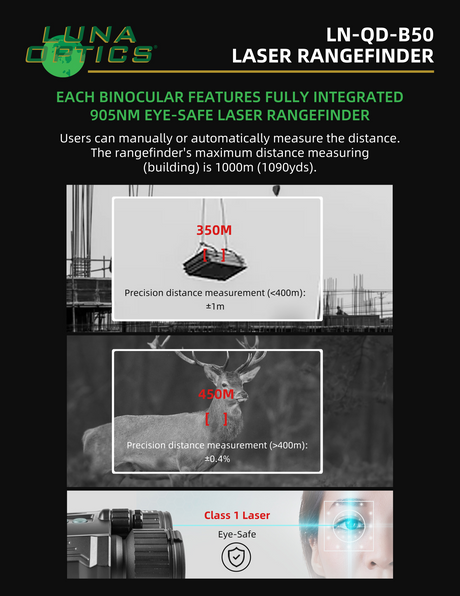
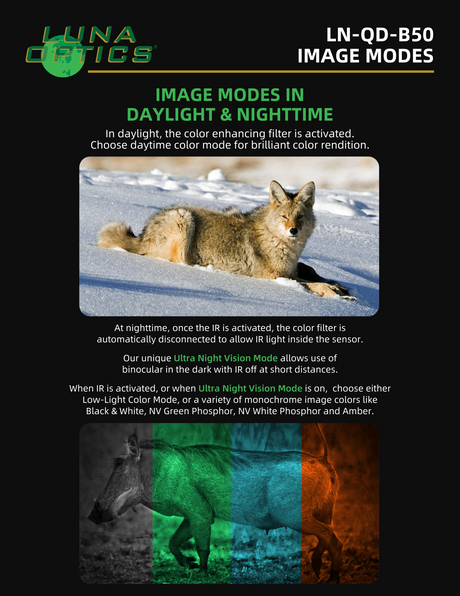
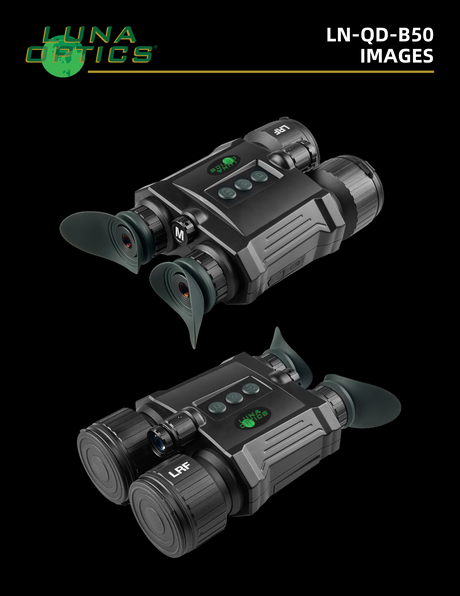
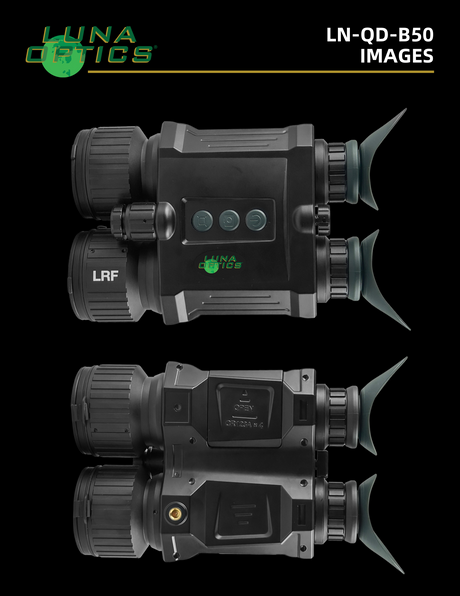
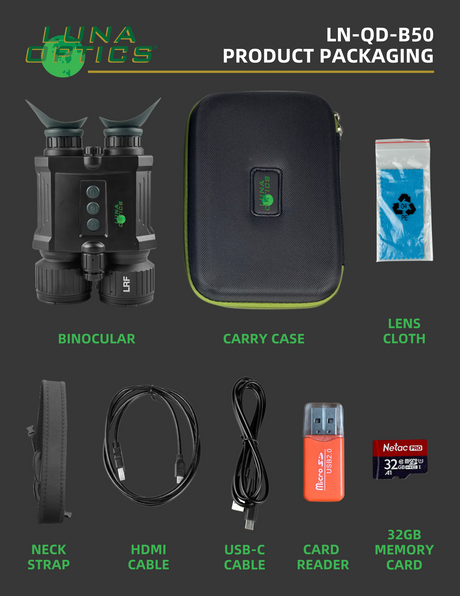
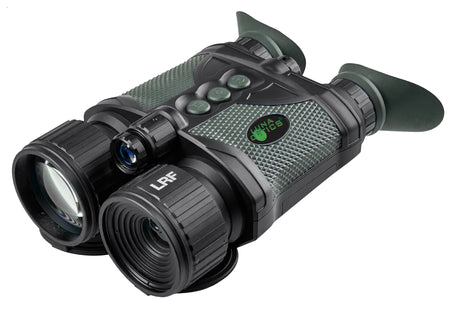
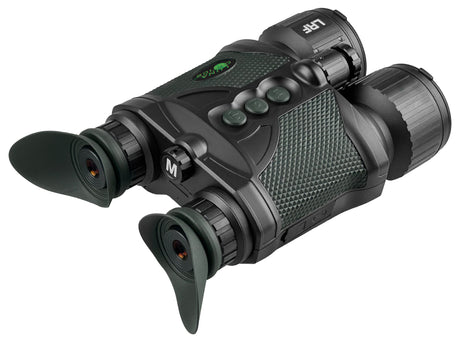
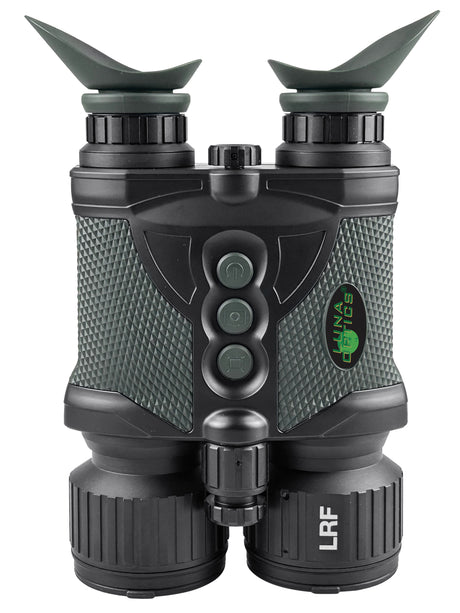
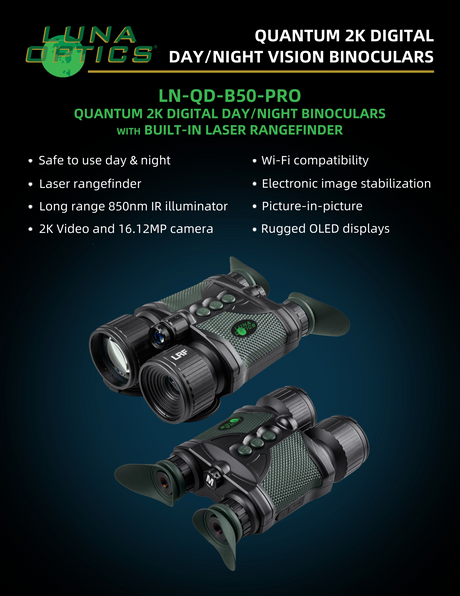
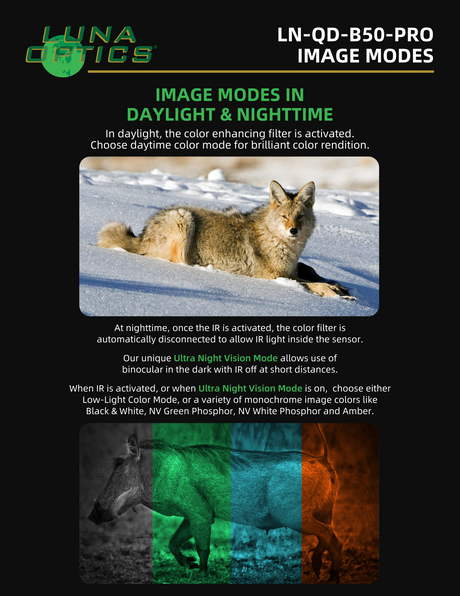
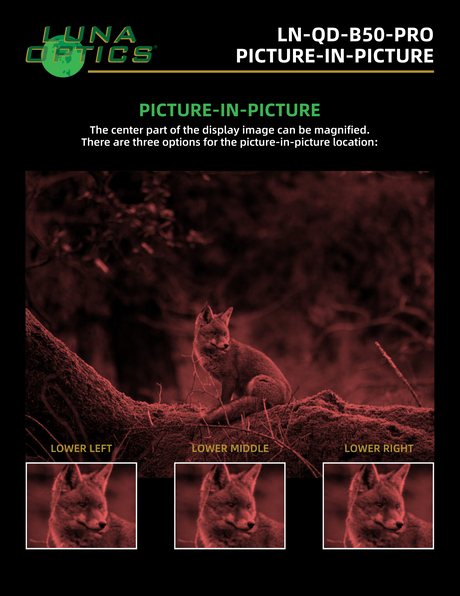
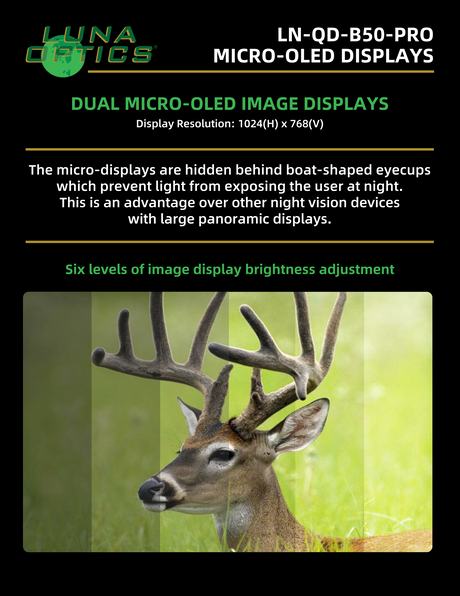
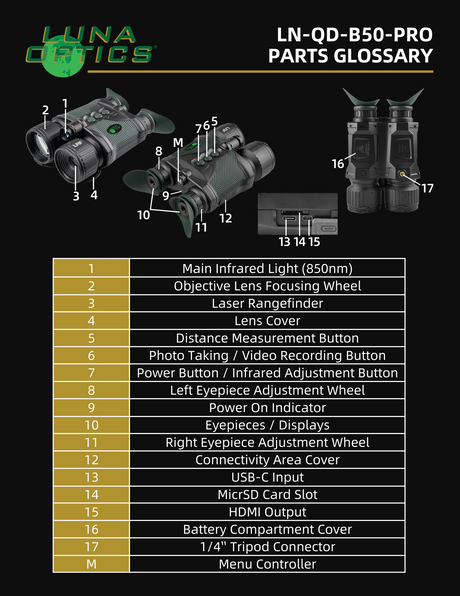
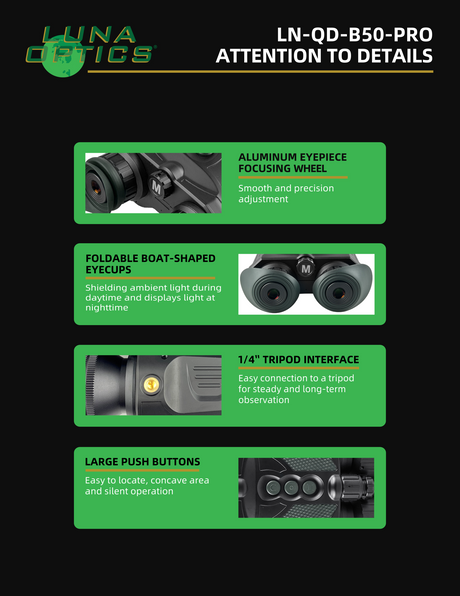
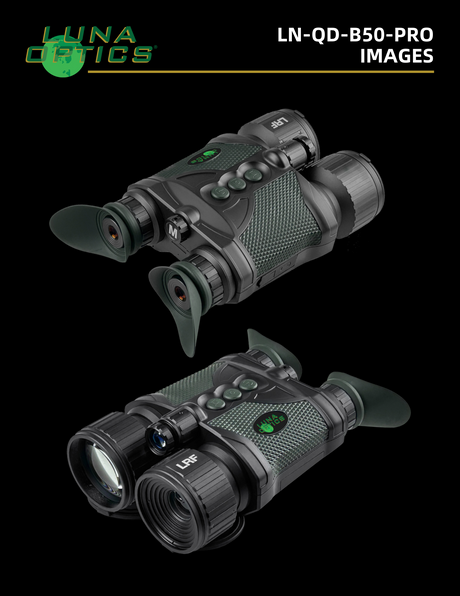
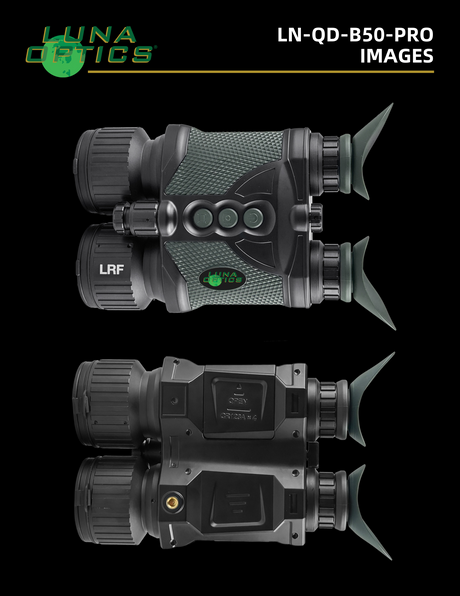
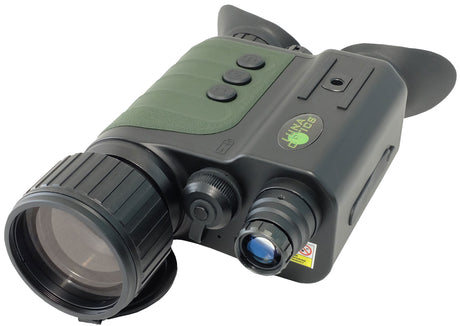
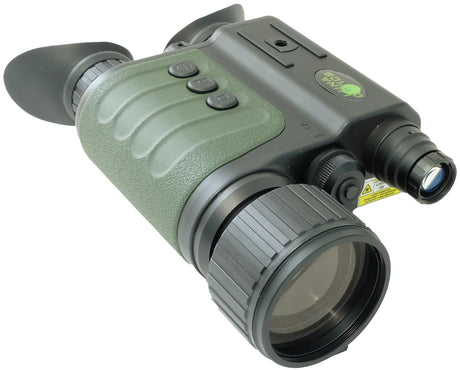
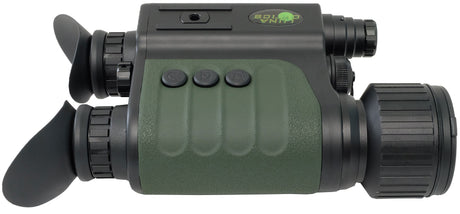
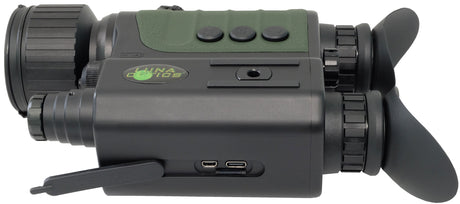
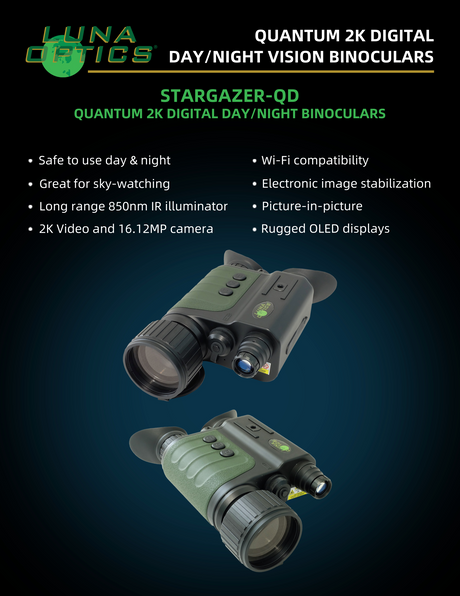
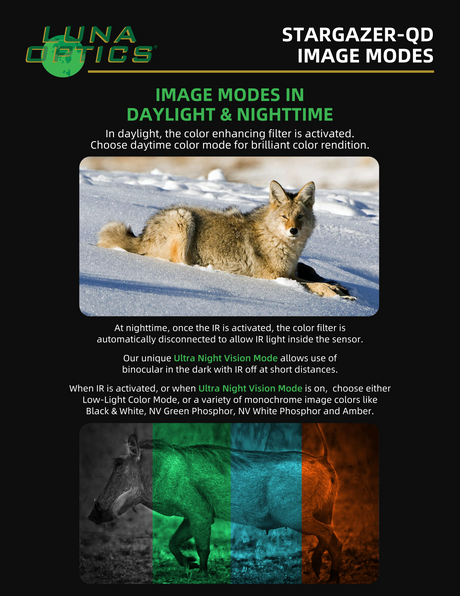
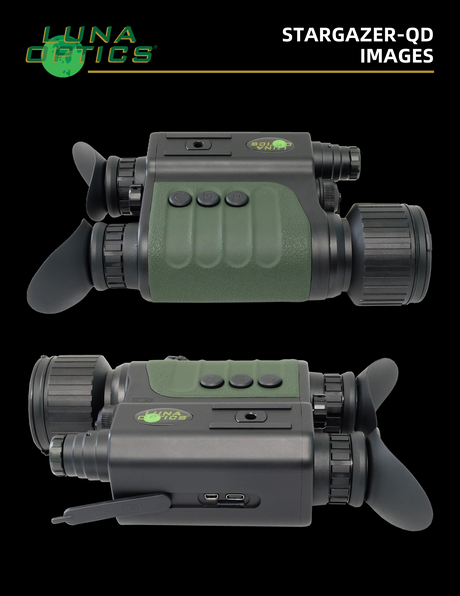
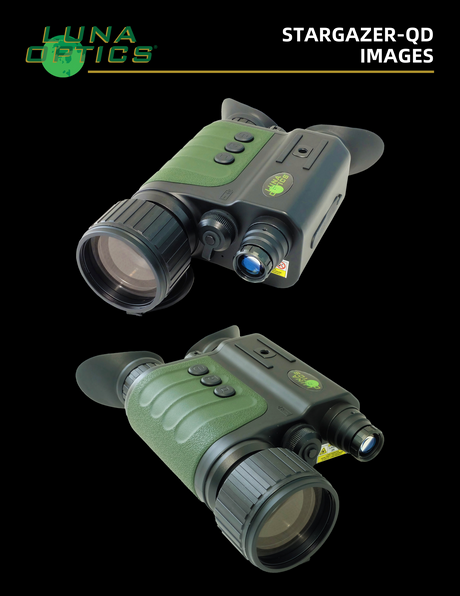
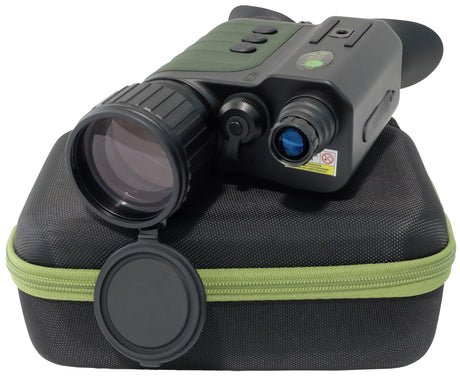
Digital night vision uses a CMOS sensor and an infrared illuminator in place of the old image-intensifier tube, so it shows a natural, detailed scene after dark, records photos and video, and is safe to use in daylight. Thermal reads heat instead of light. It finds a warm animal two to three times farther away and keeps working in smoke and light fog, but night vision shows you more of what the animal is. Guide's DN70M and TN650M Muo binoculars combine both channels.
What to compare
Sensor sensitivity
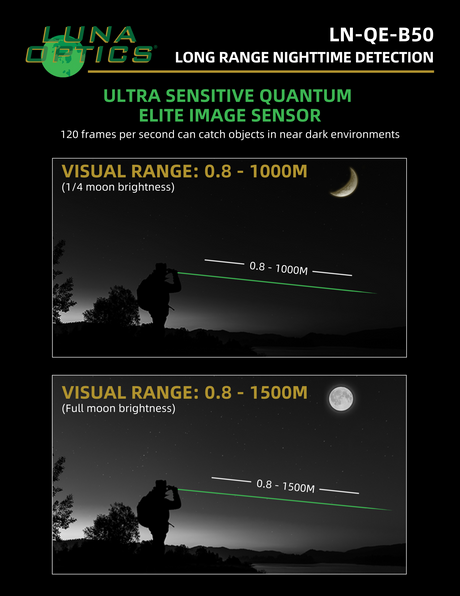
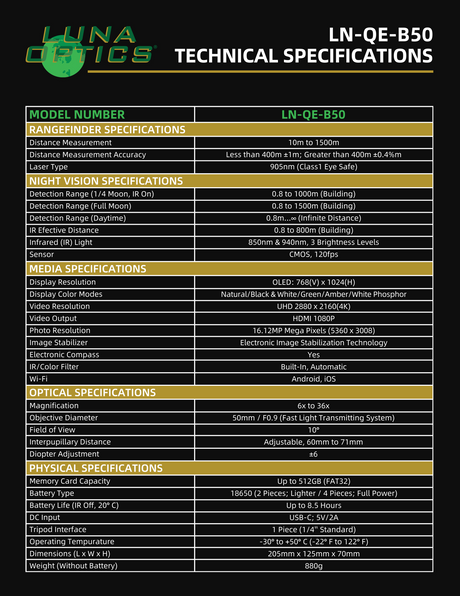
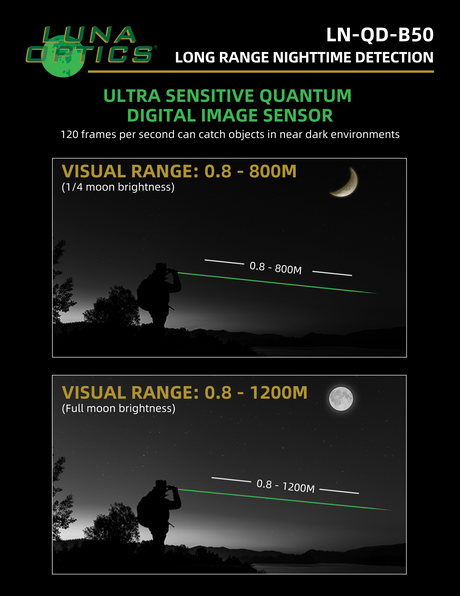
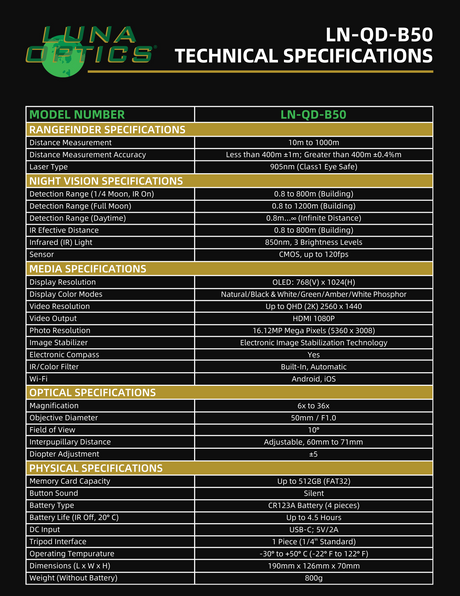
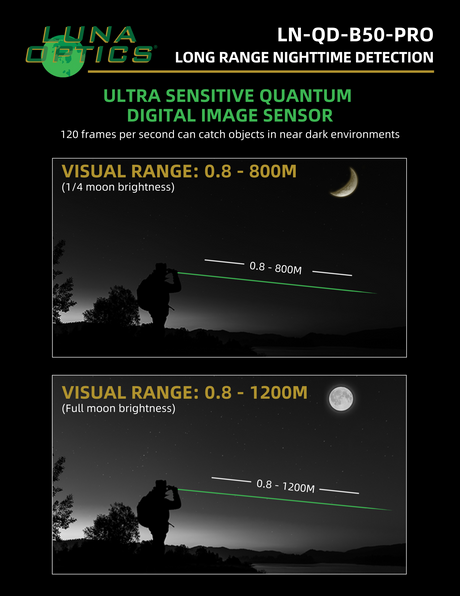
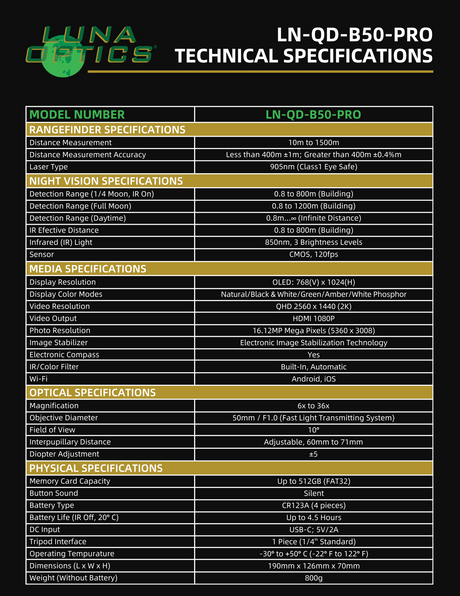
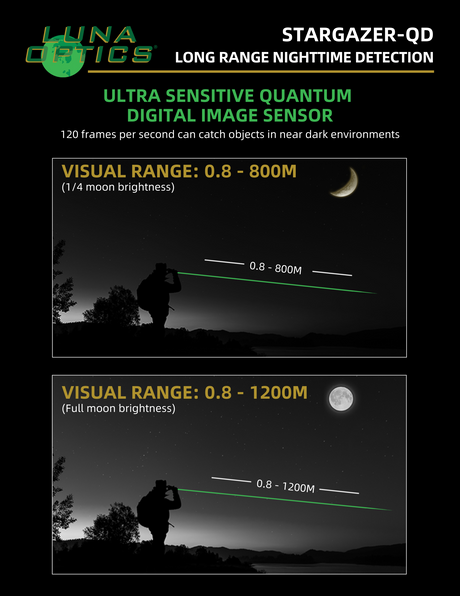
A lower lux rating means a usable image in darker conditions. Luna rates the Quantum Elite's 4K sensor at 0.0005 lux and its Quantum Digital sensor at 0.0015 lux.
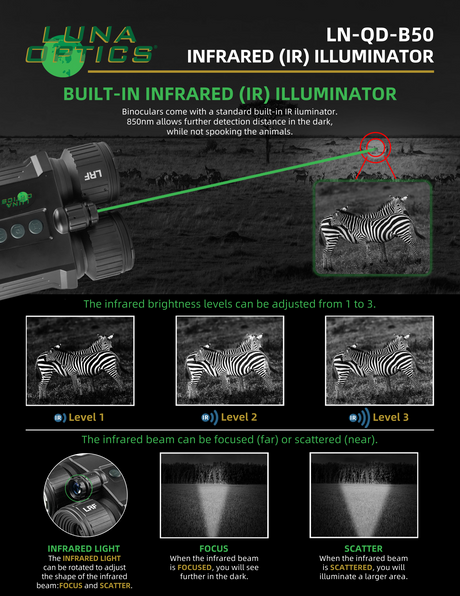
Infrared illuminator
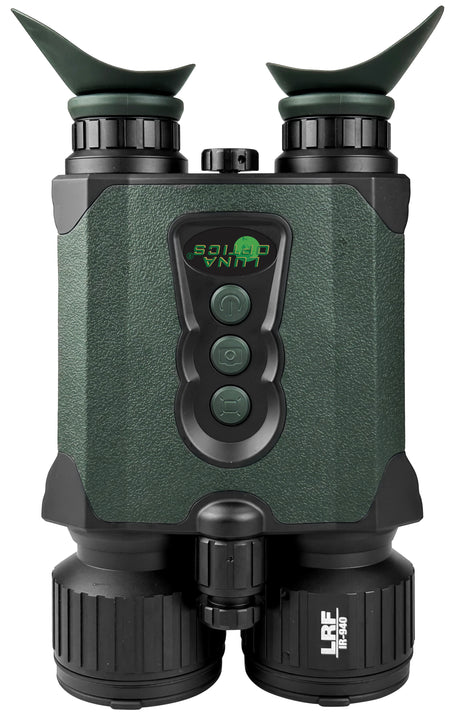
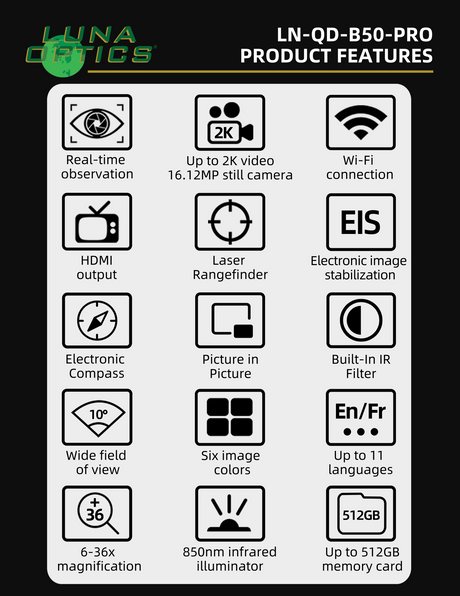
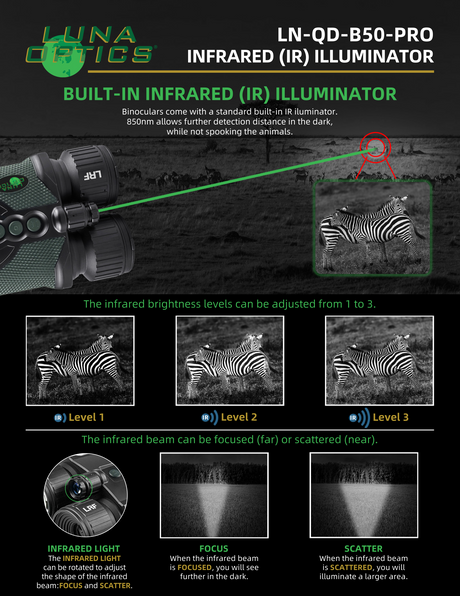
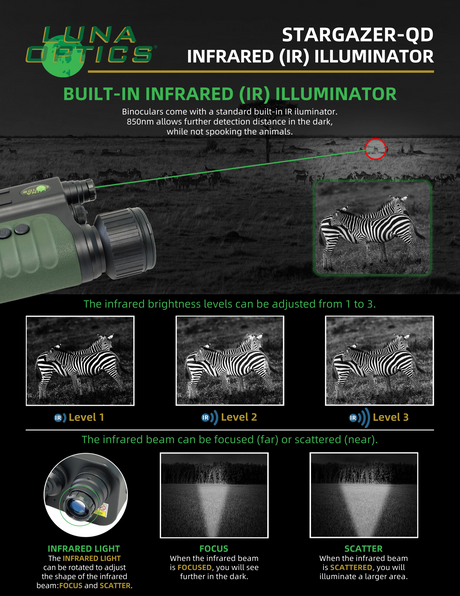
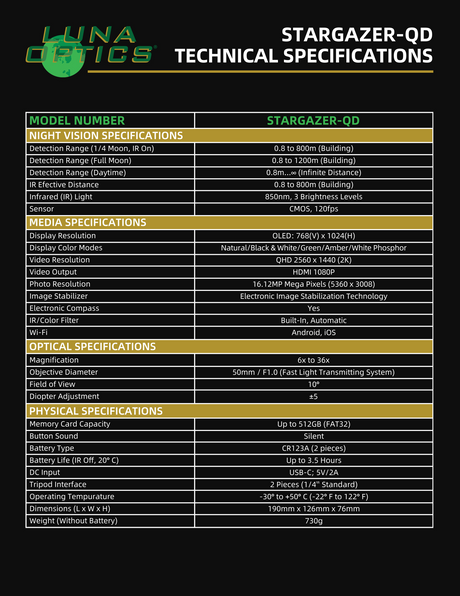
The infrared illuminator lights the scene beyond what the sensor gathers on its own. Luna's G3 manuals give 400 meters in complete darkness with the built-in infrared, and the ELIR-3 is Luna's extended-range illuminator.
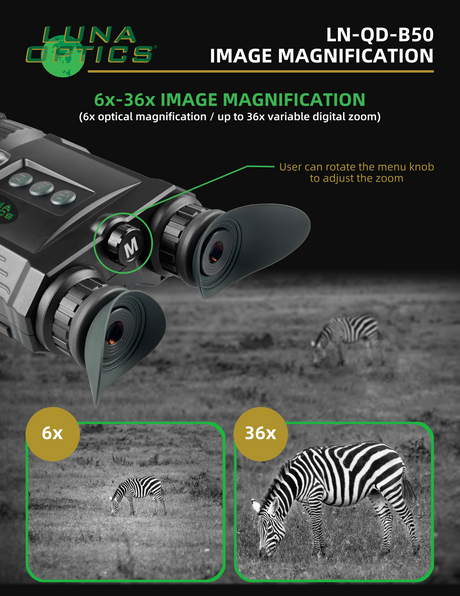
Magnification and format
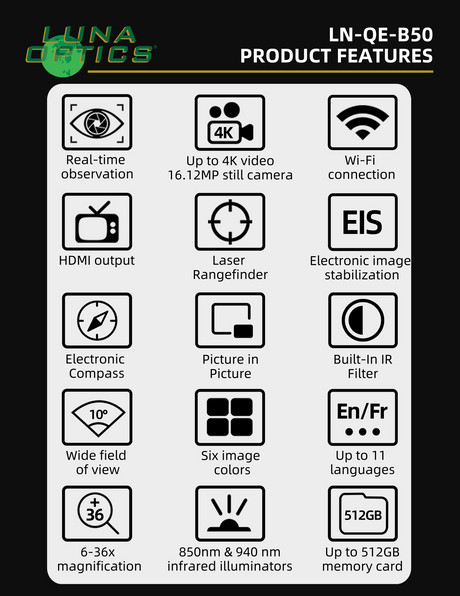
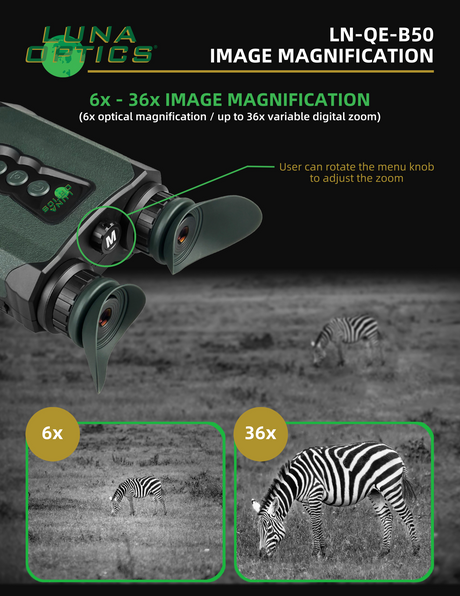
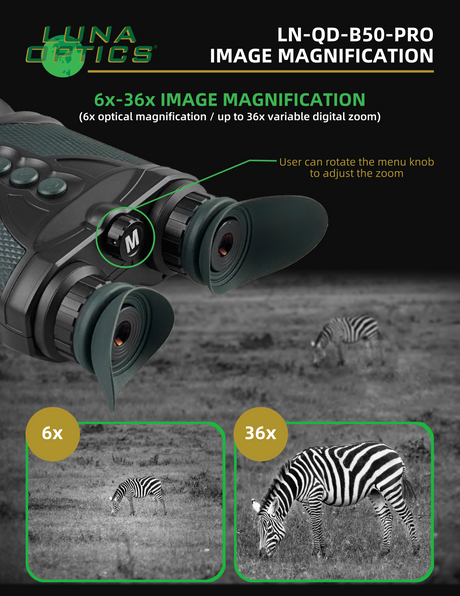
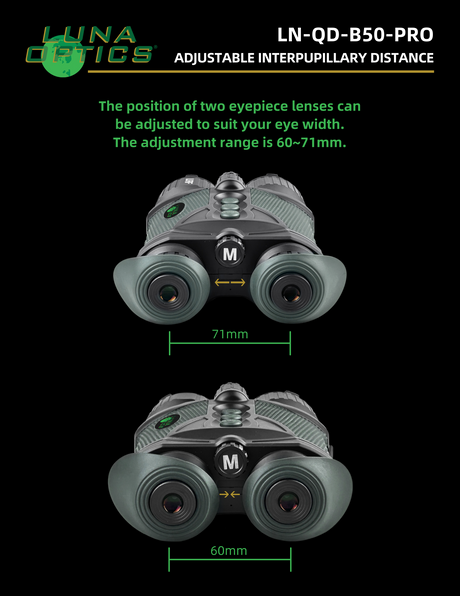
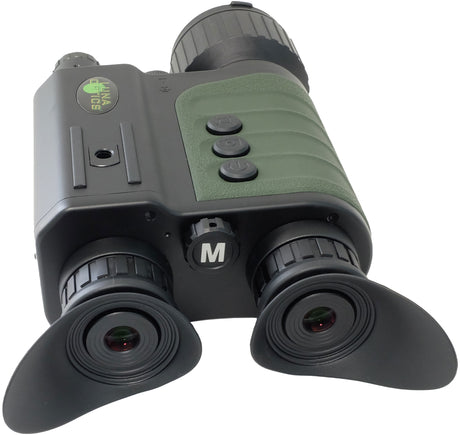
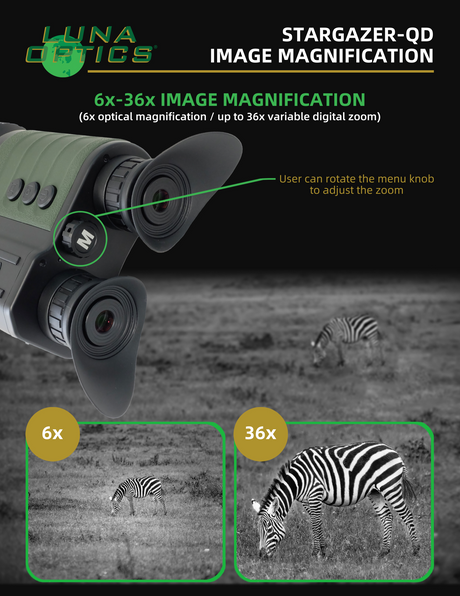
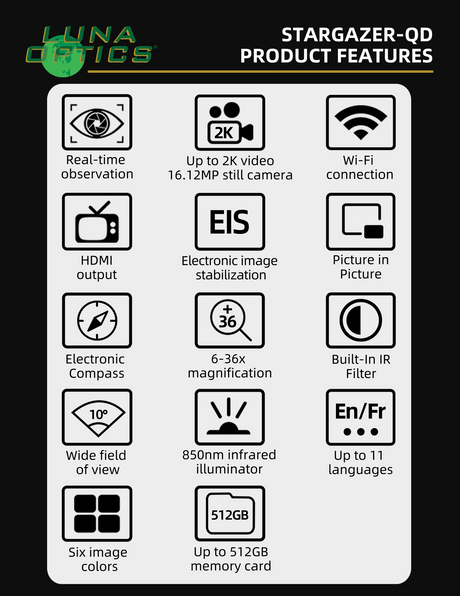
A low-power device such as the 1-6x DTM1 suits walking and hands-free use, while the 5-30x and 6-36x models reach farther. A binocular is easier on the eyes over a long session than a single eyepiece.
Frequently Asked Questions
Can I use digital night vision in daylight?
Yes. A digital sensor is not harmed by daylight the way an image-intensifier tube can be, so one device covers day and night.
Is night vision legal for hunting?
It depends on the state and the species. Check your state wildlife agency's rules before a night hunt.
For the full comparison, read Thermal vs Night Vision for Hunting, and for handheld picks, Best Night Vision Monoculars in 2026.