





Where to start with Explore Scientific
First telescopes
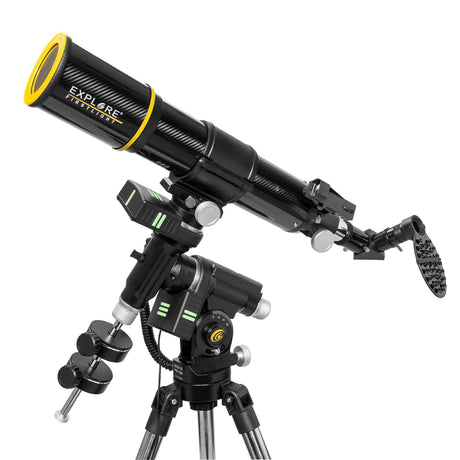
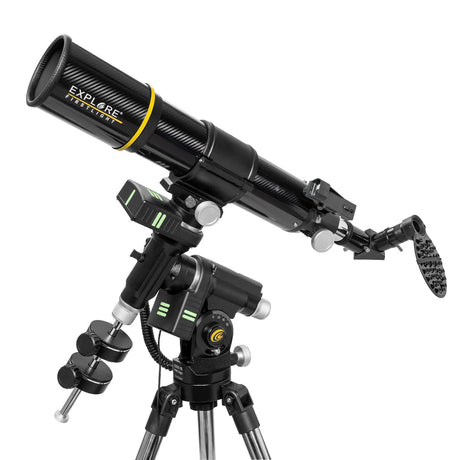
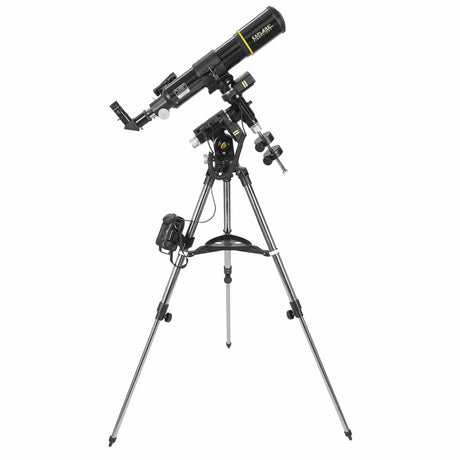
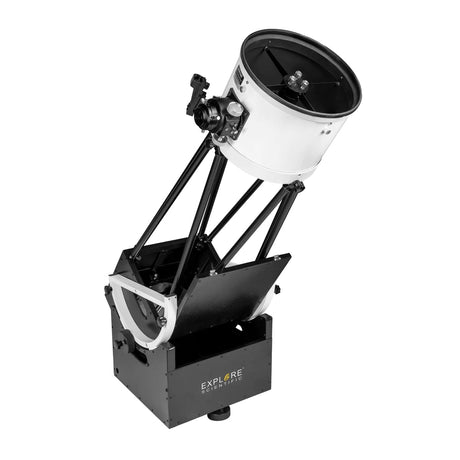
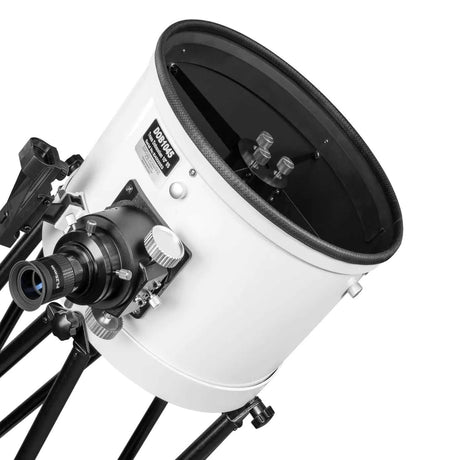
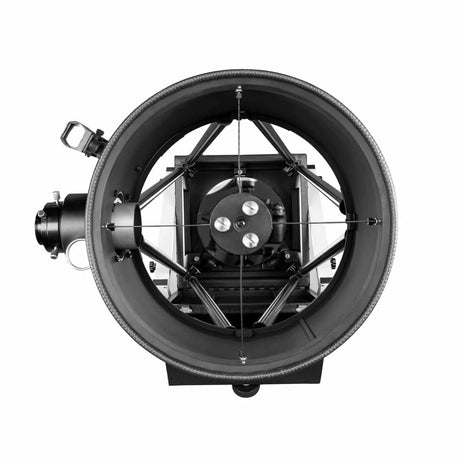
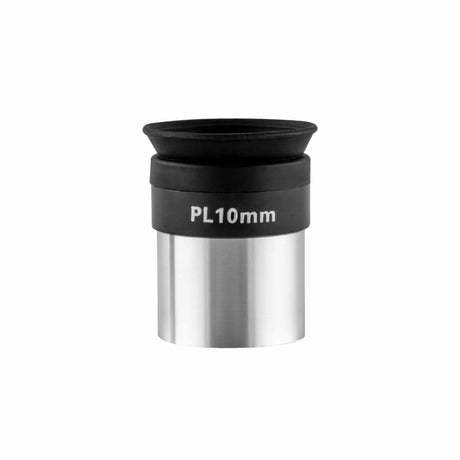
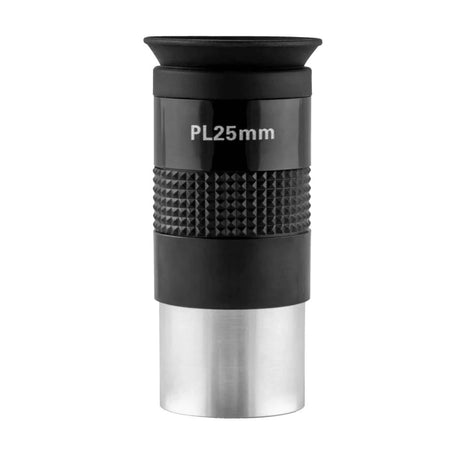
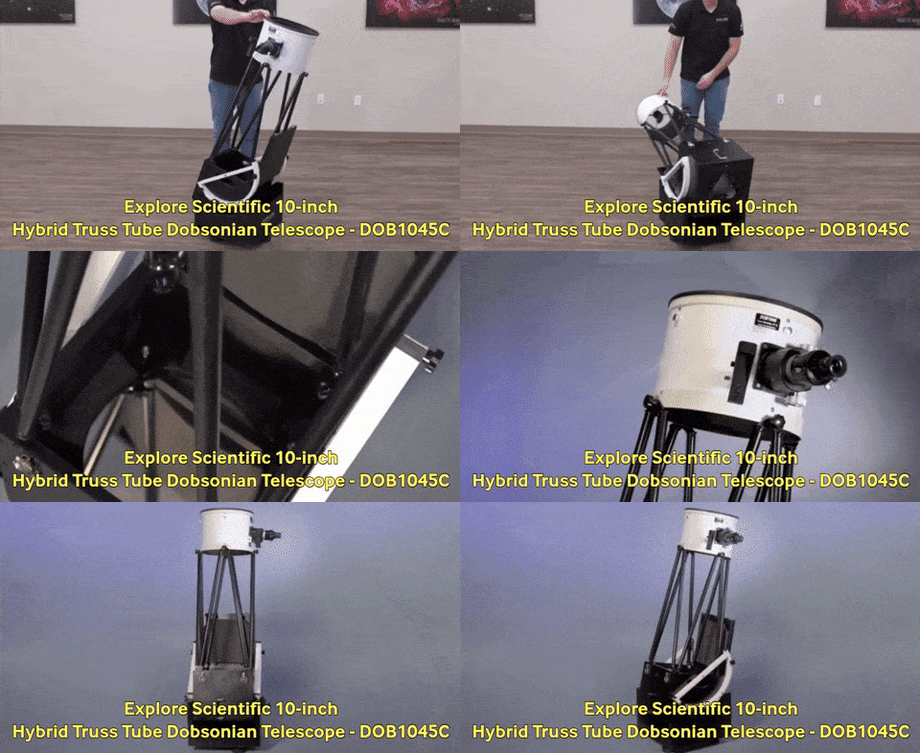
The Sidara line is the simplest way in: complete packages on four mounts, from the manual Nano to the Pro GoTo, each with 25 mm and 10 mm eyepieces and the SkyAssist app that helps you find your way around the sky. The Dobsonians we carry, from the 6-inch tabletop to the 10-inch, give the most aperture for the money.
Refractors for observing and imaging
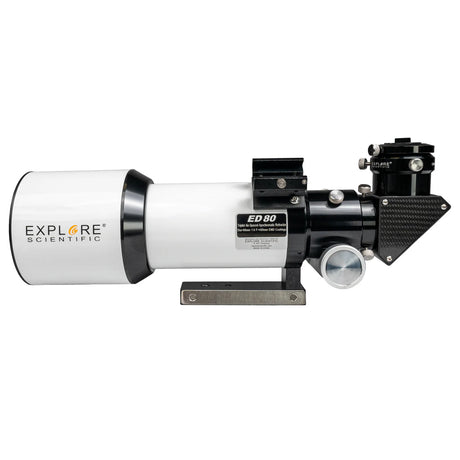
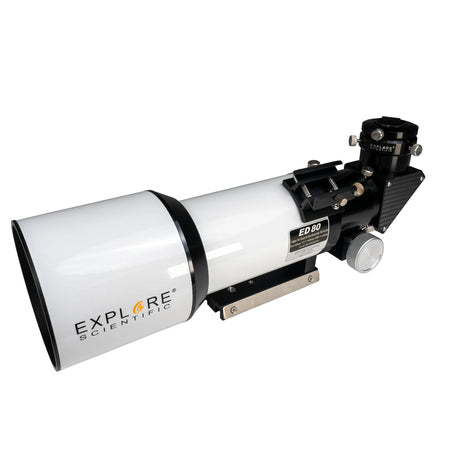
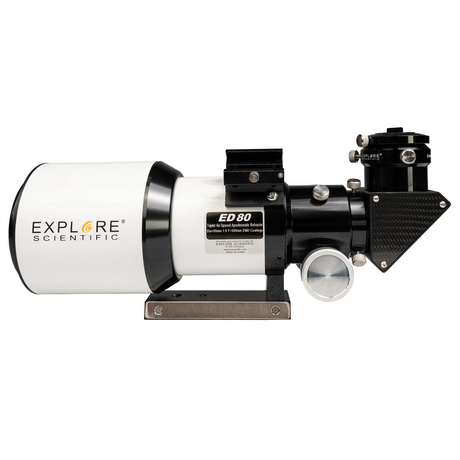
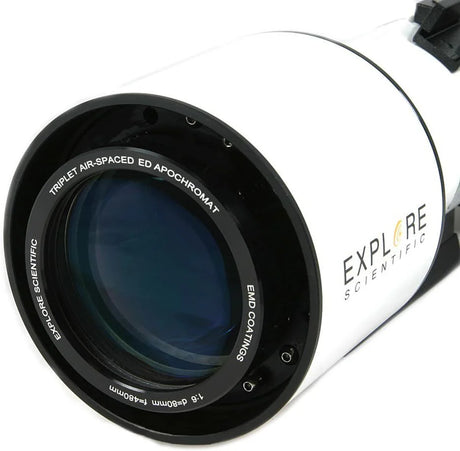
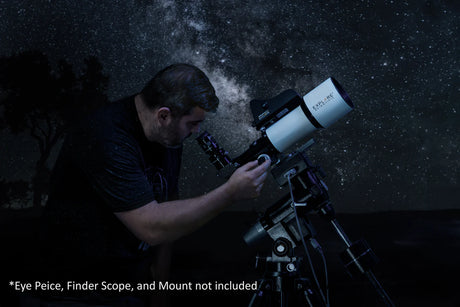
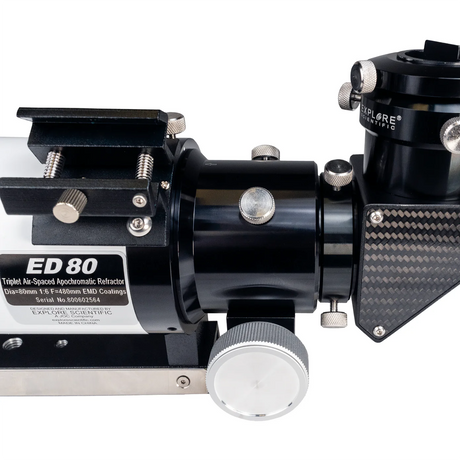
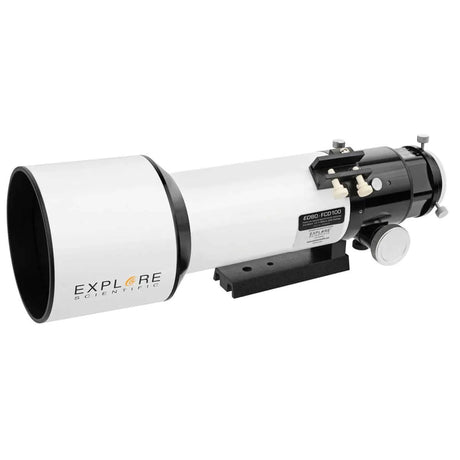
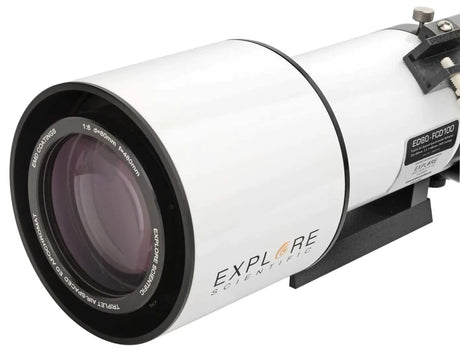
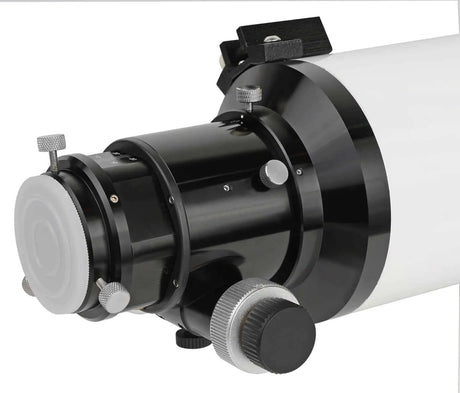
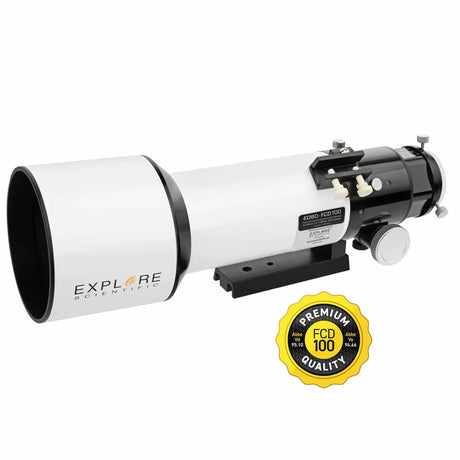
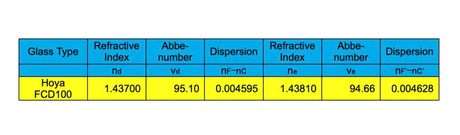
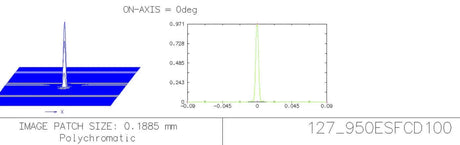
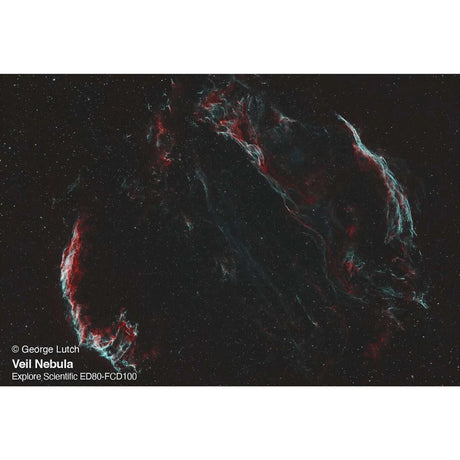
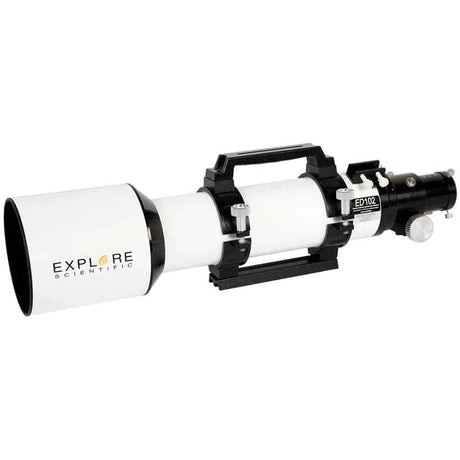
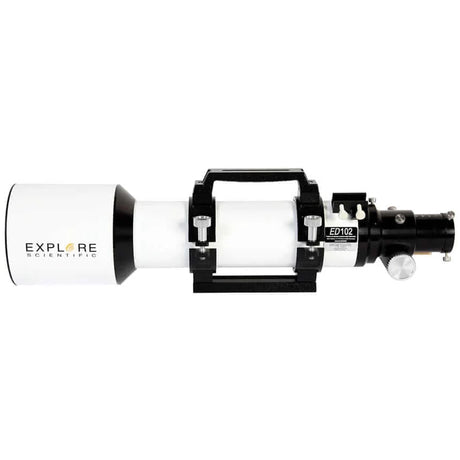
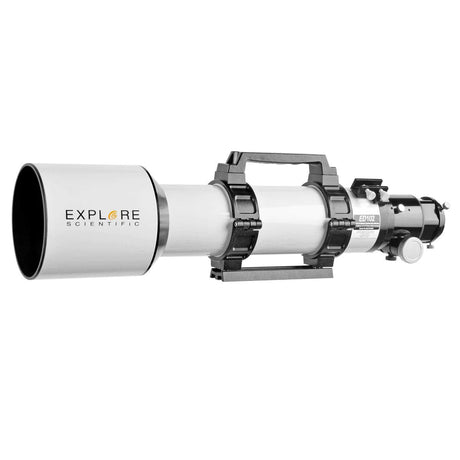
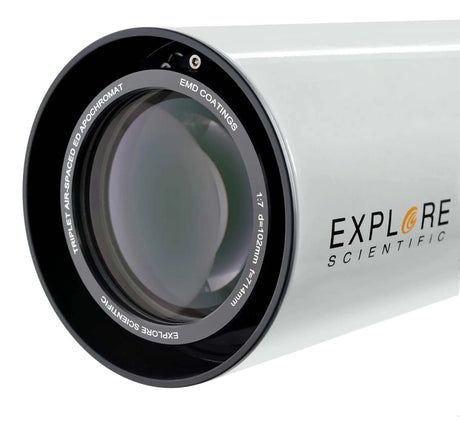
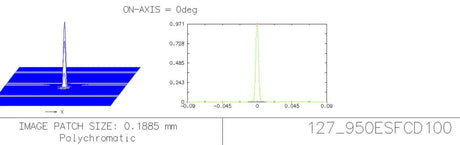
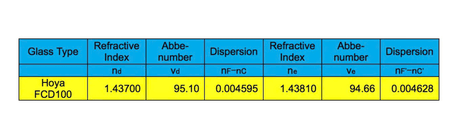
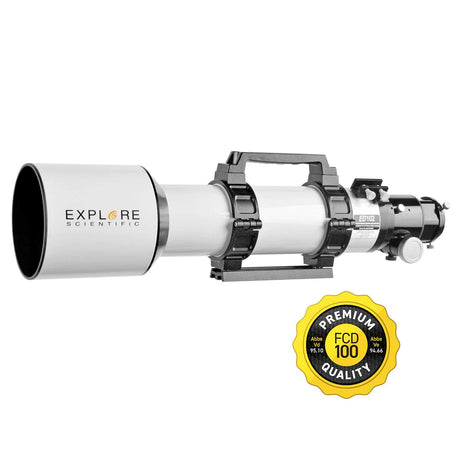
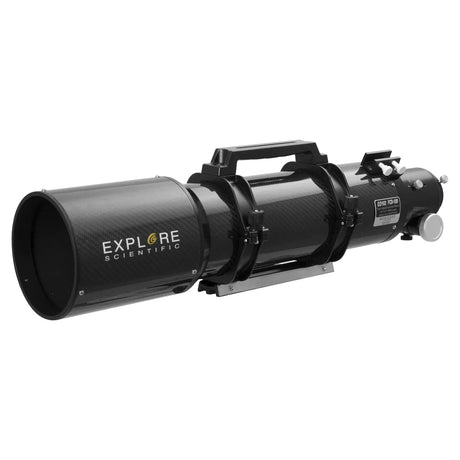
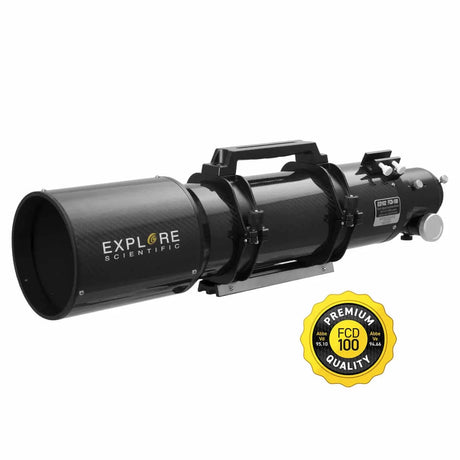
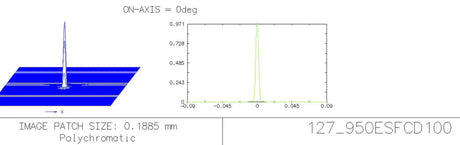
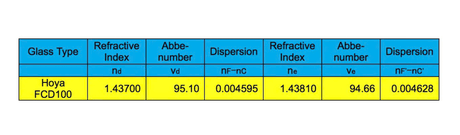
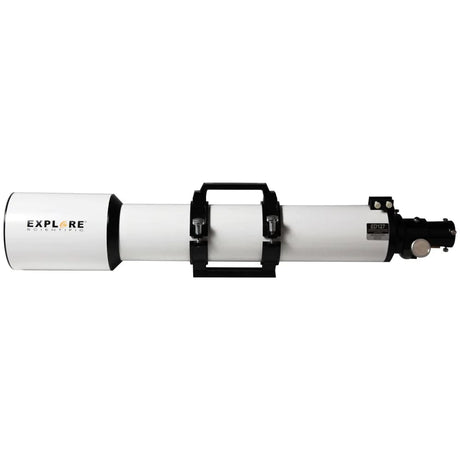
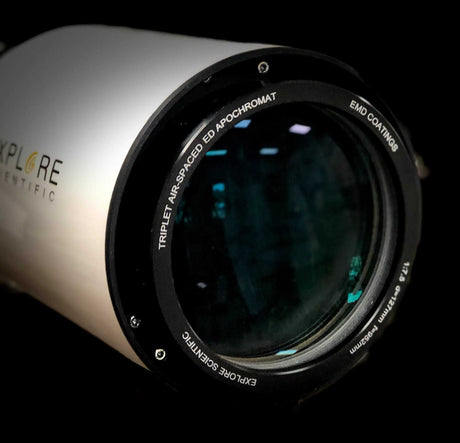
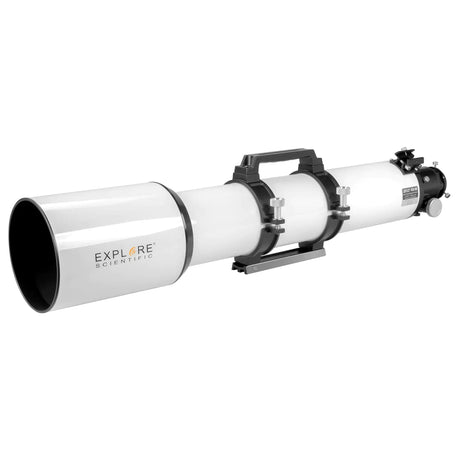
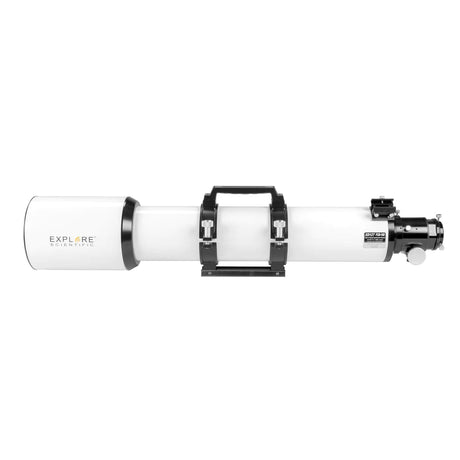
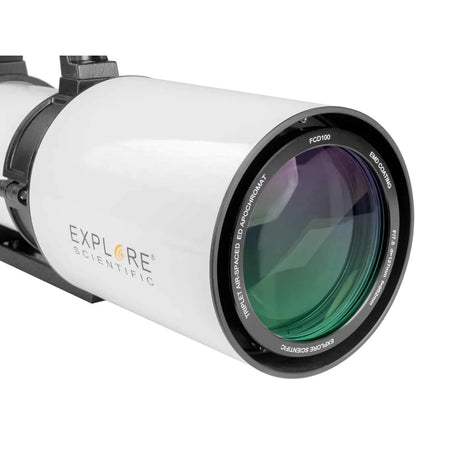
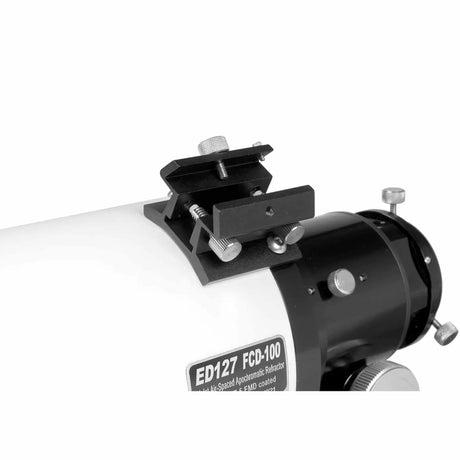
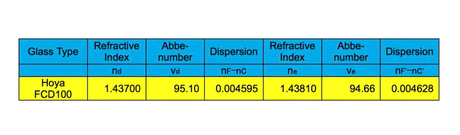
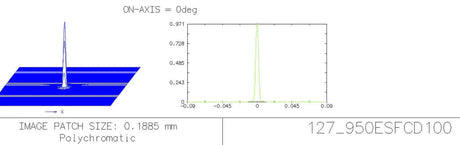
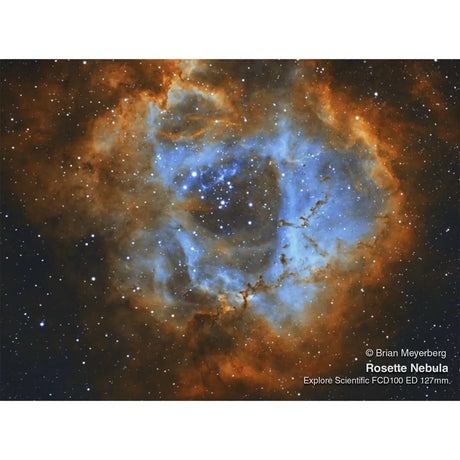
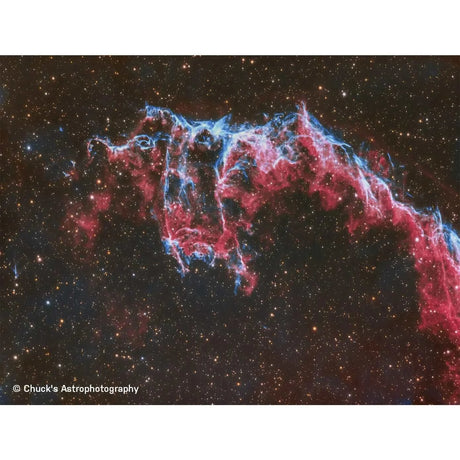
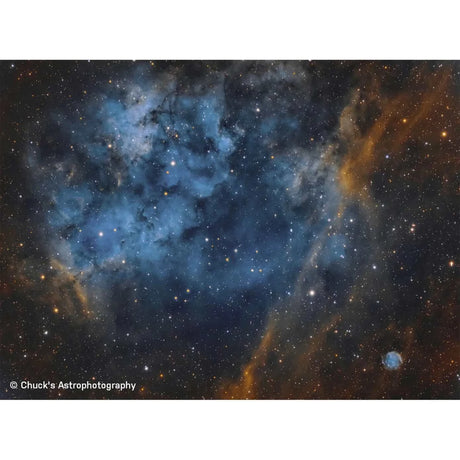
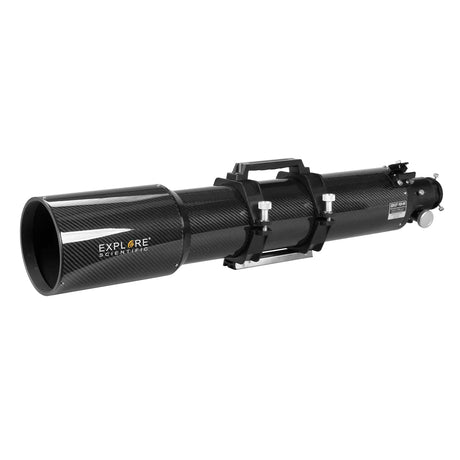
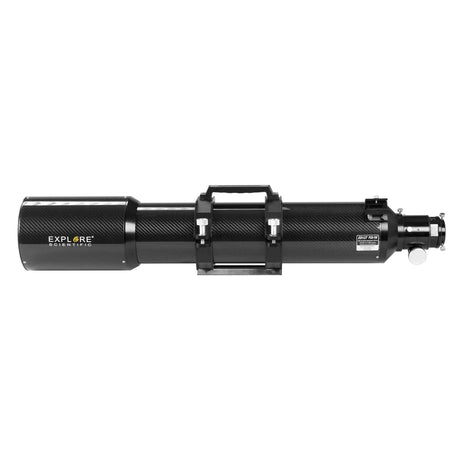
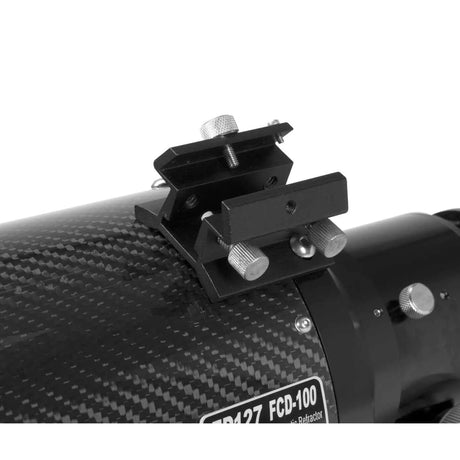
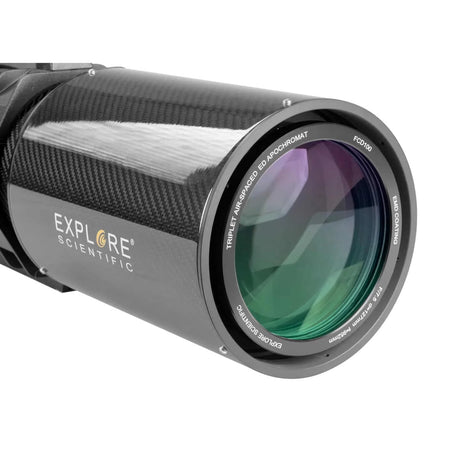
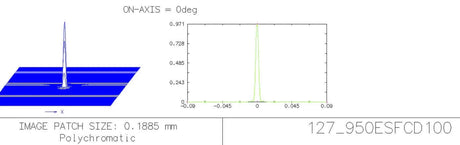
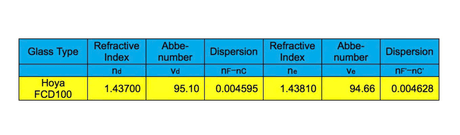
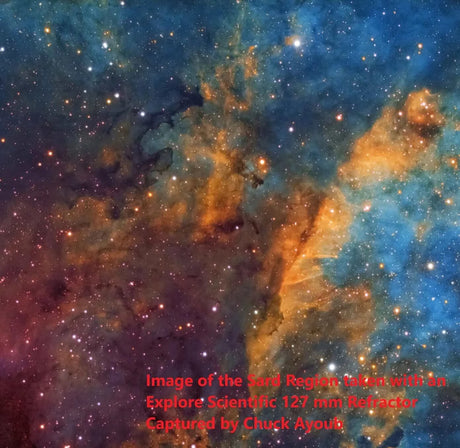
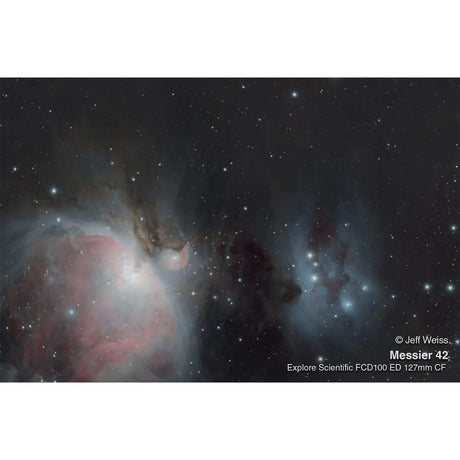
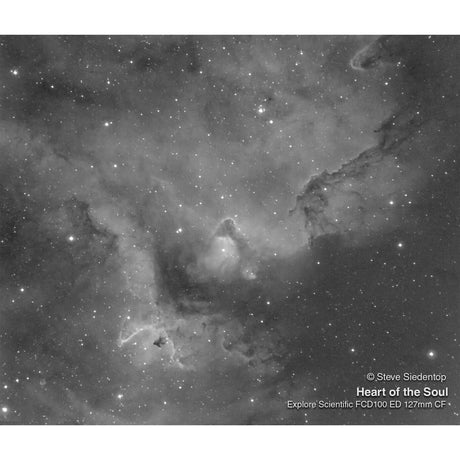
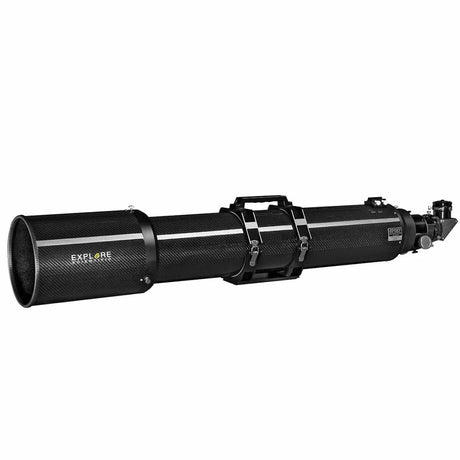
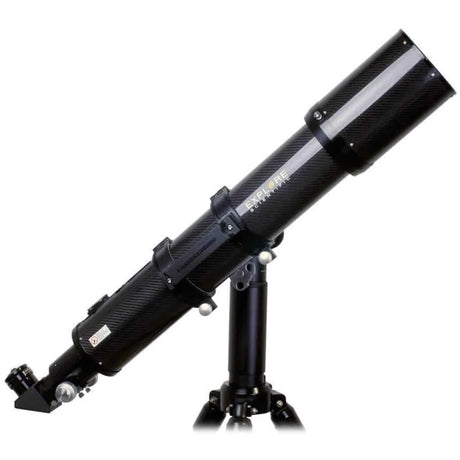
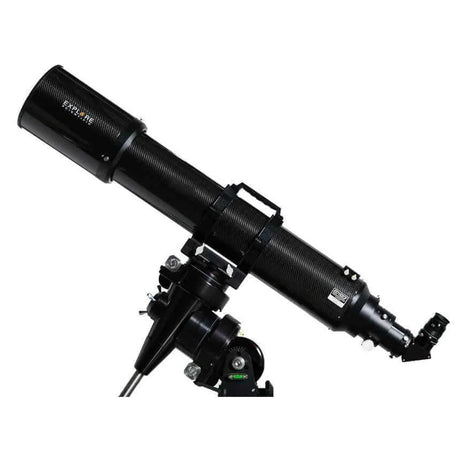
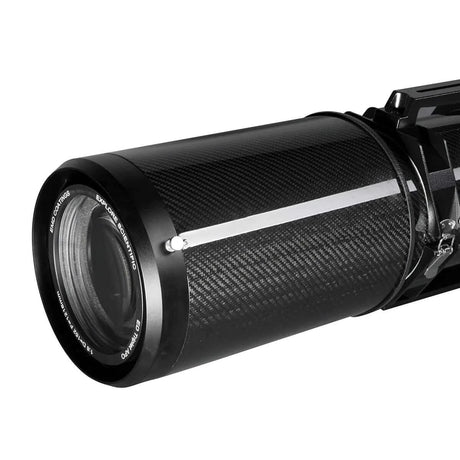
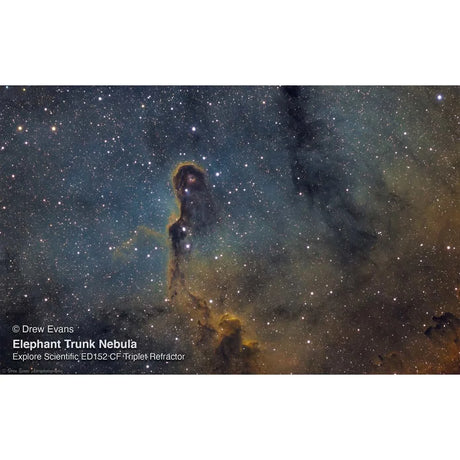
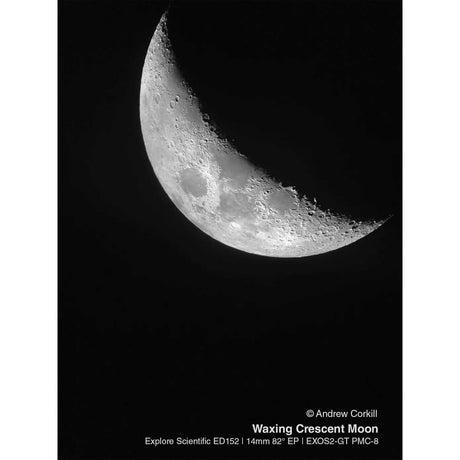
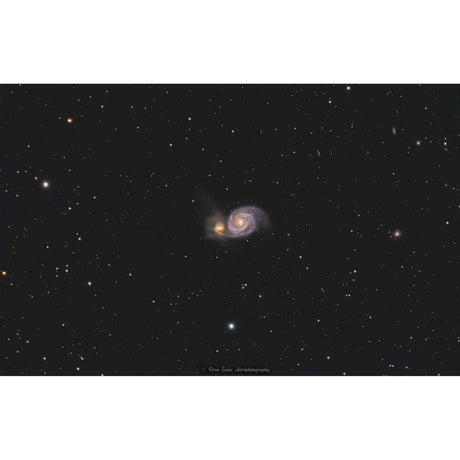
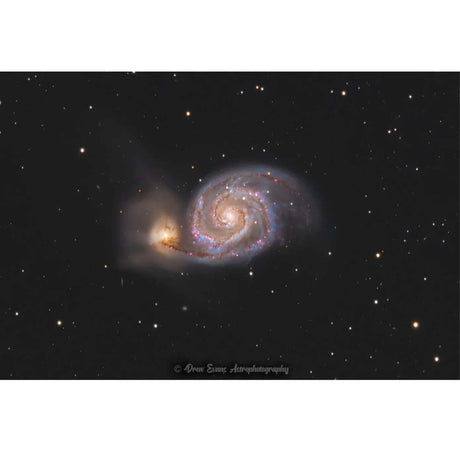
The AR doublets are achromats that keep the cost of aperture down for visual work. The ED triplets correct color for astrophotography, and the FCD100 models use Hoya's super-ED glass for tighter correction still.
Eyepieces, mounts and binoculars
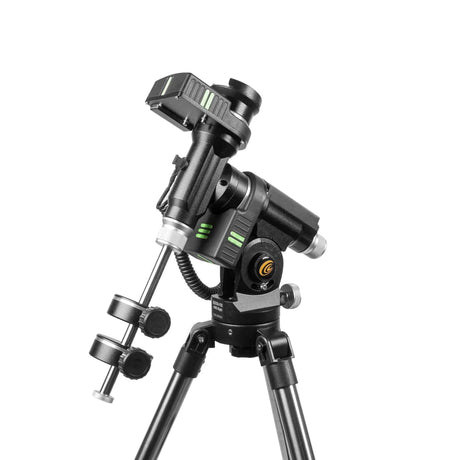
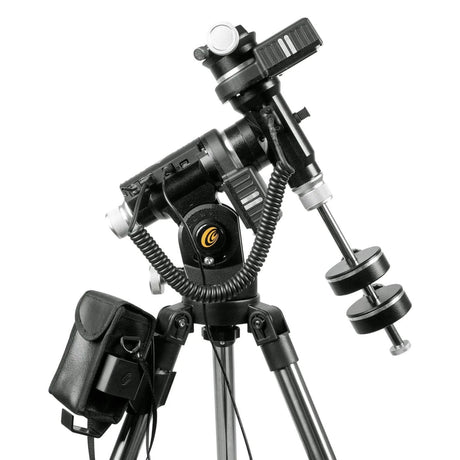
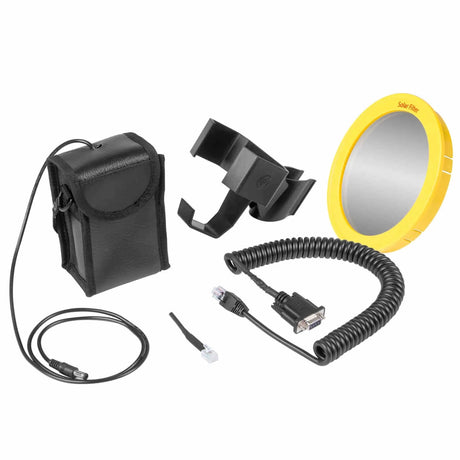
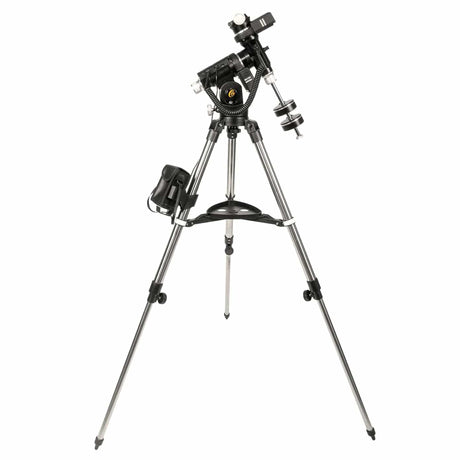
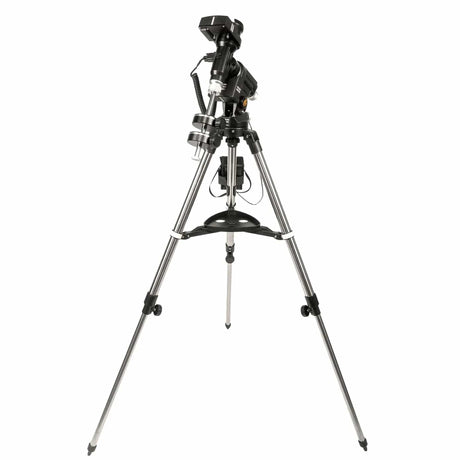
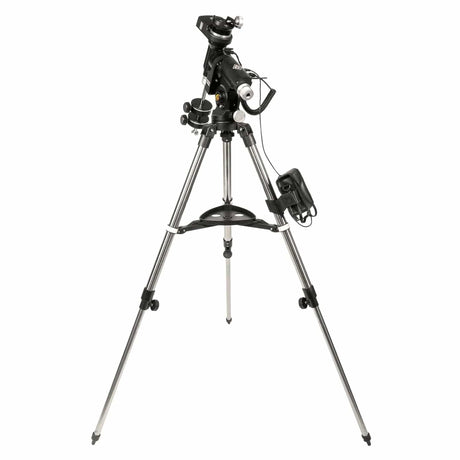
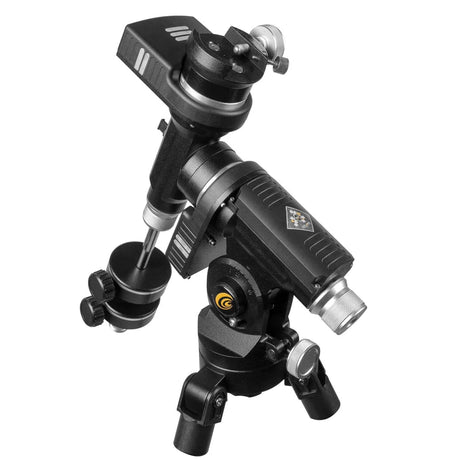
Explore Scientific's eyepieces span apparent fields from 52° to 120°, and every model is argon-purged and waterproof against dew. The iEXOS-100 and EXOS2-GT mounts run on the PMC-Eight control system, and the BT giant binoculars, from the BT-70 to the 150 mm BT-150 ED, take interchangeable eyepieces in matched pairs.
Frequently Asked Questions
Manual or GoTo mount?
A manual mount is ready as soon as the tripod is up and never needs batteries: you find targets yourself, with SkyAssist's help. A GoTo mount such as the Sidara Pro finds and tracks objects for you, and runs on batteries or a power bank.
What is the difference between the AR and ED refractors?
The glass. The AR models are achromatic doublets of crown and flint glass, fine for visual observing with some false color on bright targets. The ED models are apochromatic triplets with Hoya extra-low-dispersion glass, which nearly eliminate false color and suit astrophotography.
For the Sidara packages side by side, read Explore Scientific Sidara Telescopes Compared, and for building an eyepiece set, Best Telescope Eyepieces.