



How to choose a hunting riflescope
Magnification
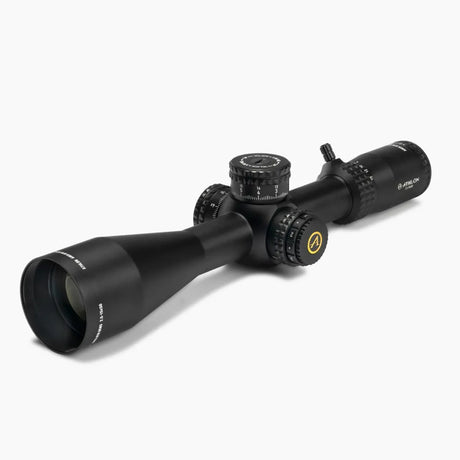
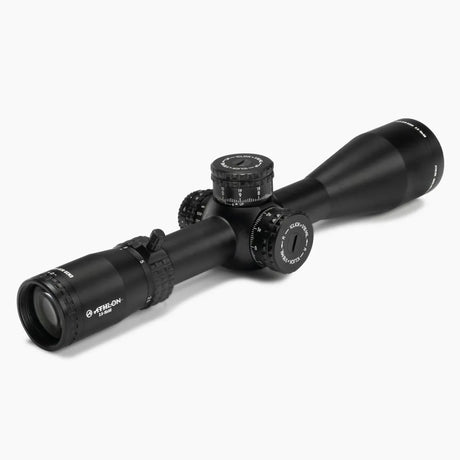
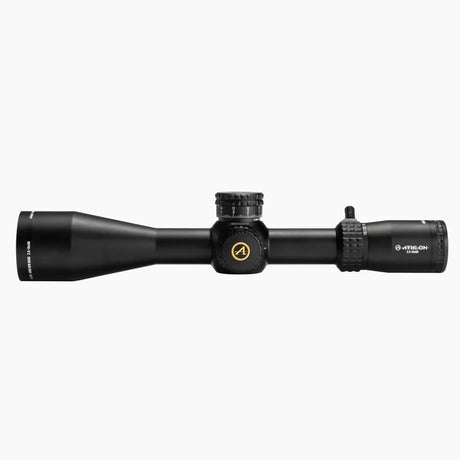
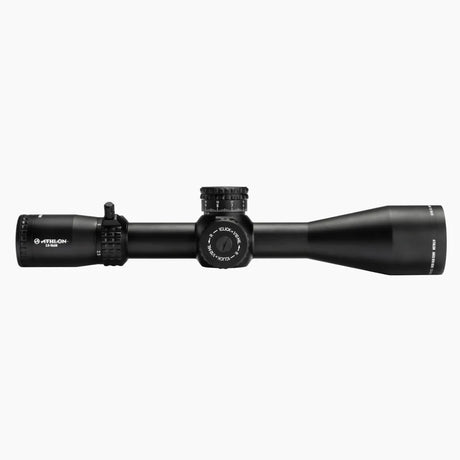
Match the range to where you hunt. A 2.5-15x or 4-16x covers timber out to 500 yards: the Alpen Apex 2.5-15x50, for one, is low enough at 2.5x for brush and reaches open country to 400 or 500 yards at 15x. For varmints and long fields, the Kite B6 LR 3-18x50 adds side-focus parallax adjustment to infinity.
Low light
Game moves at dawn and dusk, when a 50 mm objective earns its light gathering and an illuminated reticle helps most at low magnification, because a black reticle disappears against dark timber.
Reticle
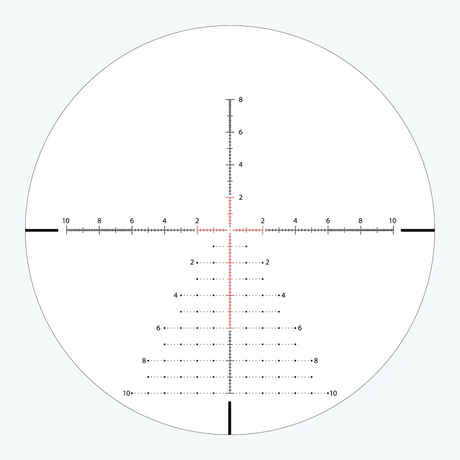
A BDC reticle gives holdover marks for set distances, so you hold instead of dialing. In a first focal plane scope those marks stay true at any magnification. Most hunting scopes have long been second focal plane, whose reticle stays the same size and reads true at one setting, but first focal plane has gained ground with hunters, and Alpen's Apex scopes put their BDC reticles there.
After dark
Two Guide Nova thermal riflescopes extend the hunt past dark where your state allows it: the N435 with a 400x300 sensor and the N635S with a 640x512 sensor behind a 35 mm F0.9 lens.
Frequently Asked Questions
How much eye relief do I need?
Set the scope for maximum eye relief before you tighten the rings. American Hunter calls 3 inches ideal for most shooting, and 3.75 to 4 inches is not unusual on scopes for big-bore rifles.
Is a 30 mm tube enough for hunting?
Yes, for hunting under 500 yards: a 30 mm tube works well there and saves several ounces over a 34 mm one, whose extra elevation travel pays at long range.
Is thermal hunting legal?
Rules differ by state and by species. Check your state wildlife agency before you hunt with thermal.
For hunting after dark, read Best Night Vision Rifle Scopes 2026, and for rings and the rest of the setup, Riflescope Accessories.