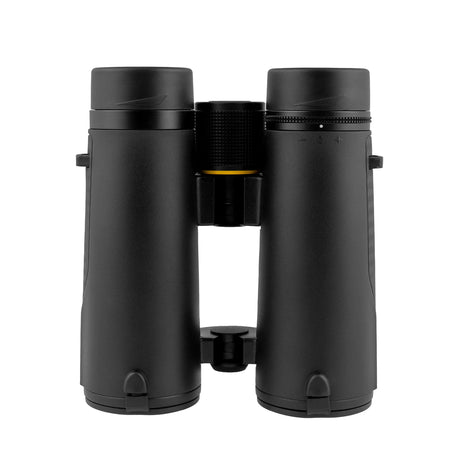
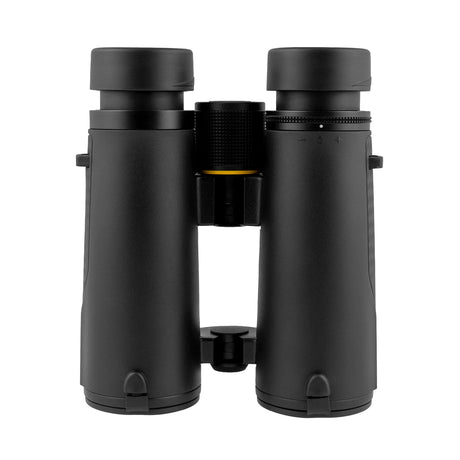
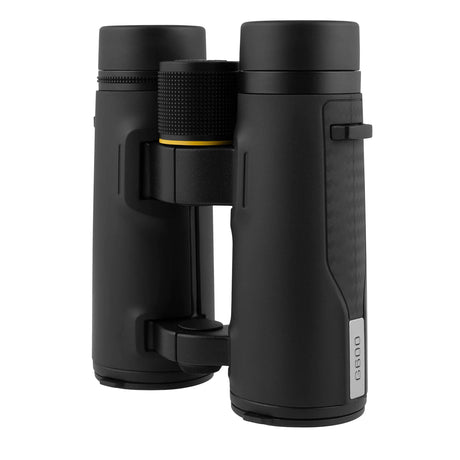
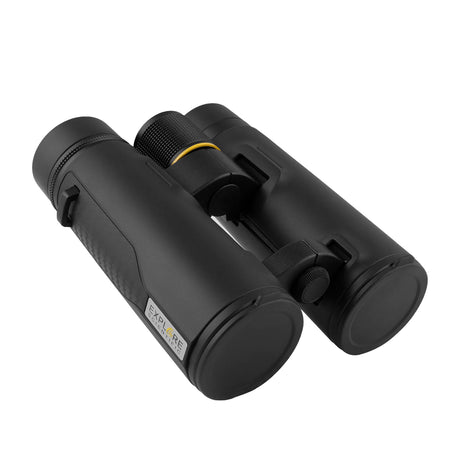
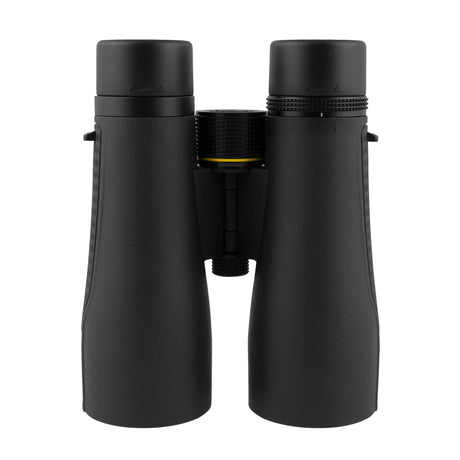
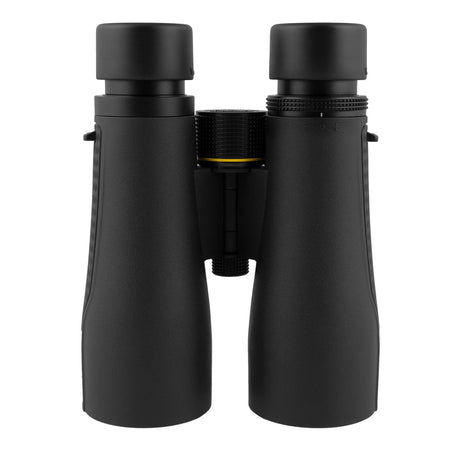
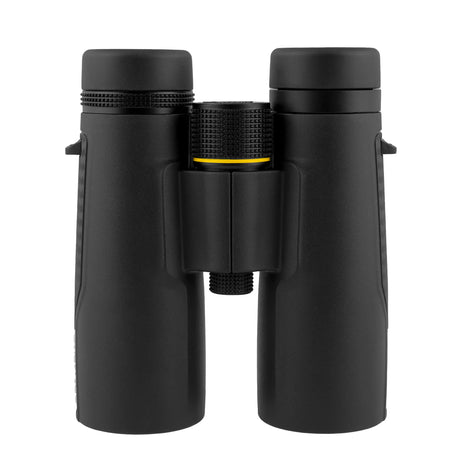
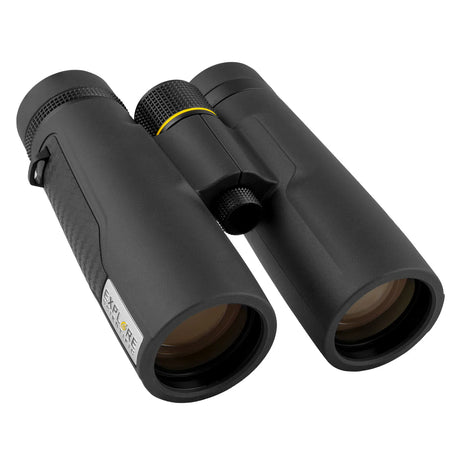
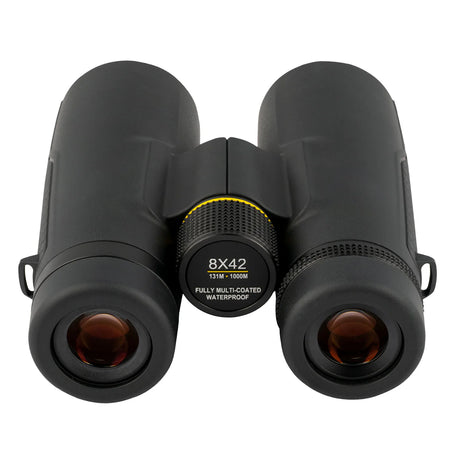
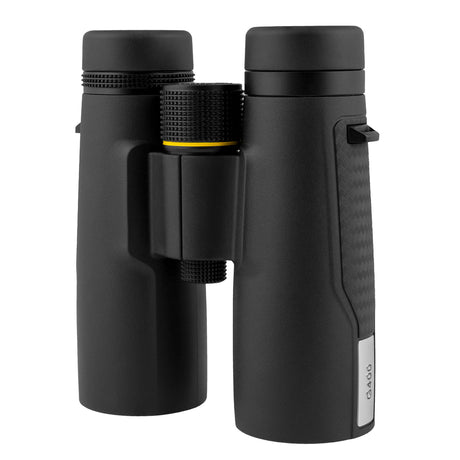
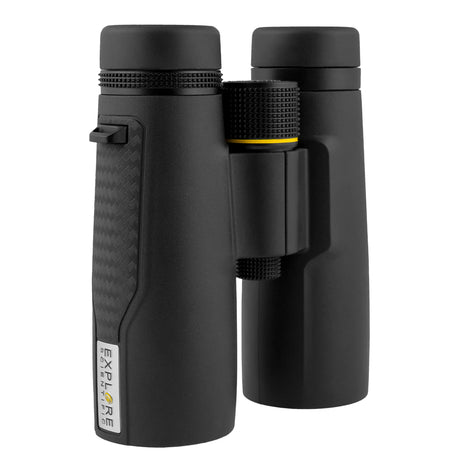
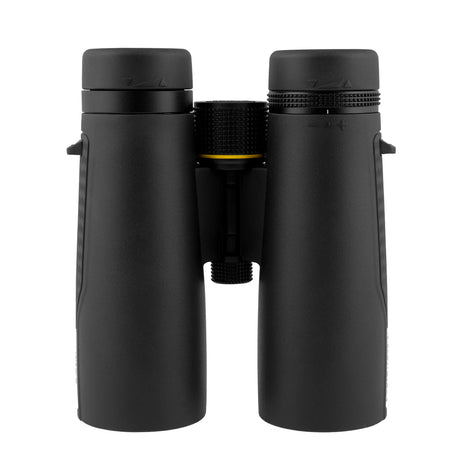
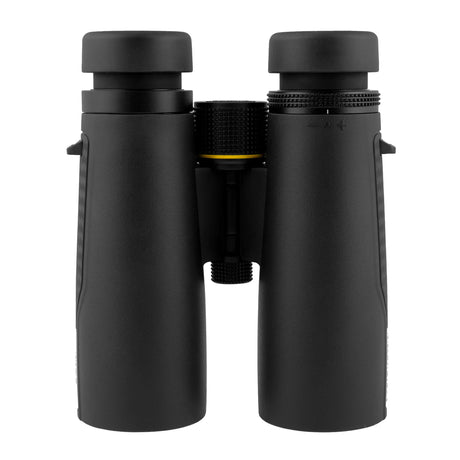
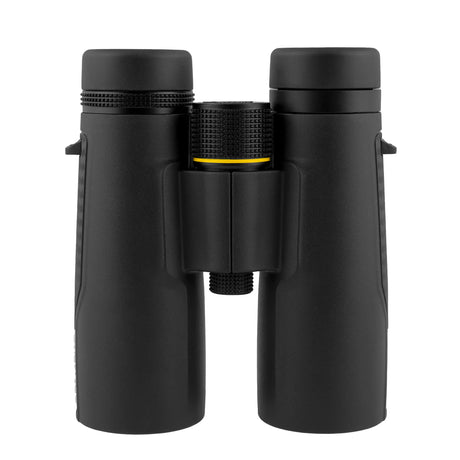
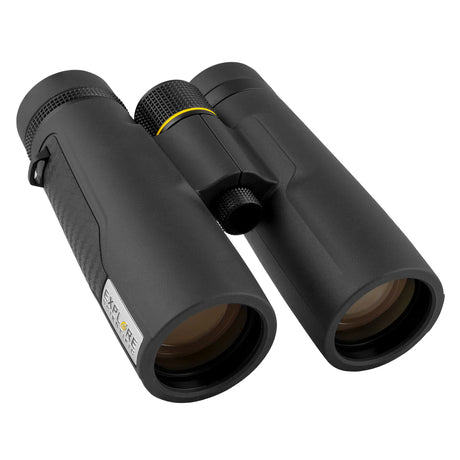
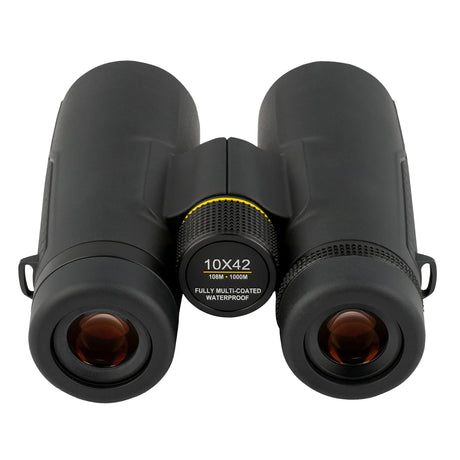
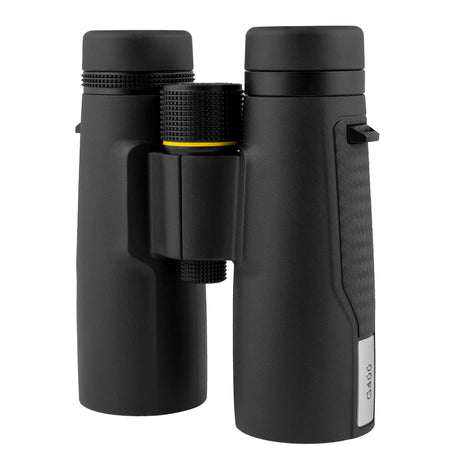
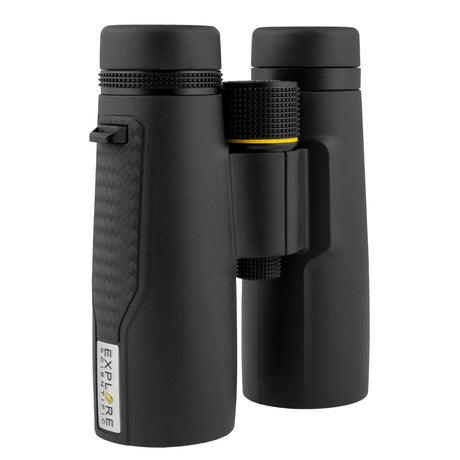
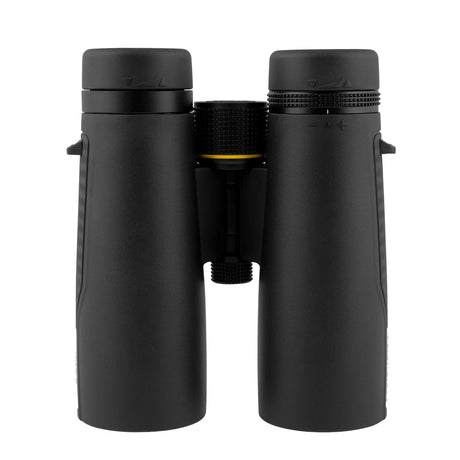
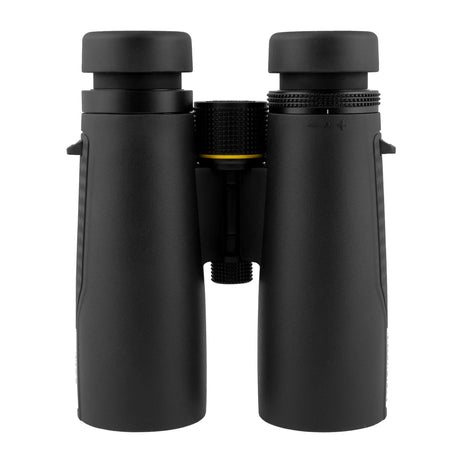
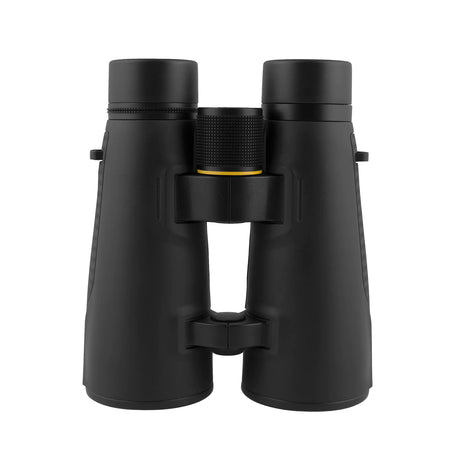
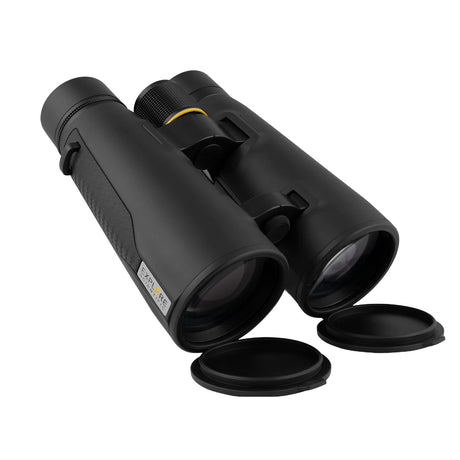
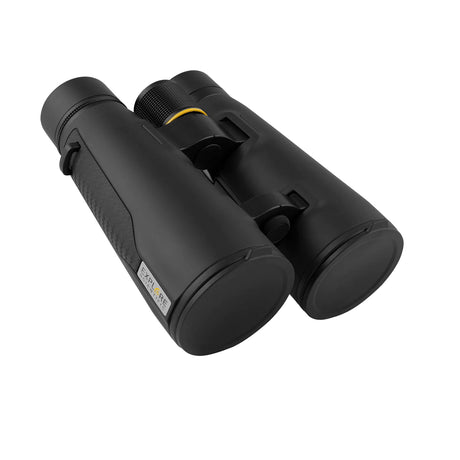
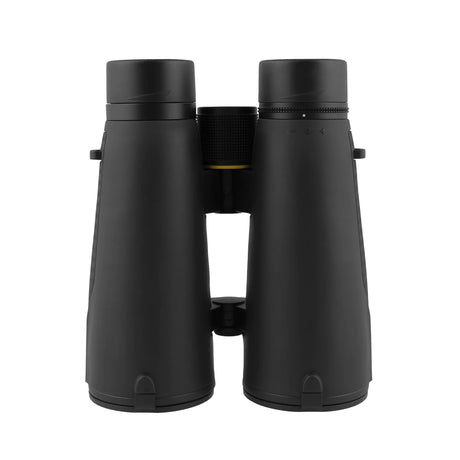
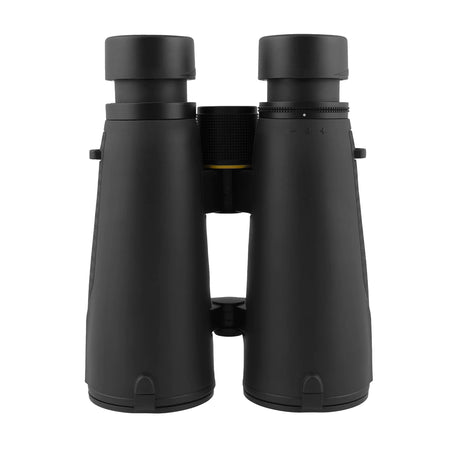
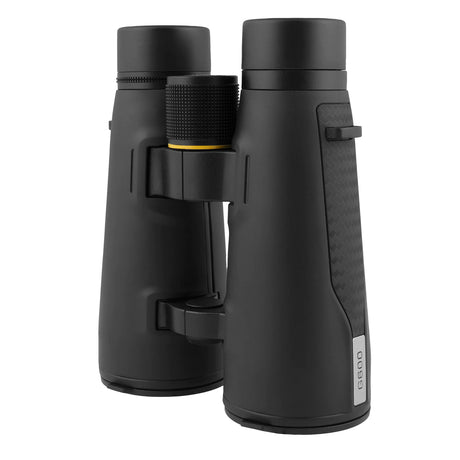
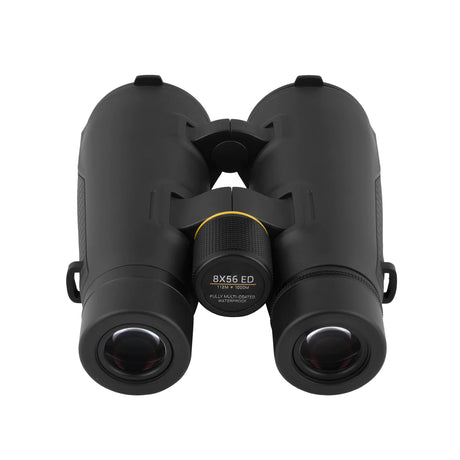
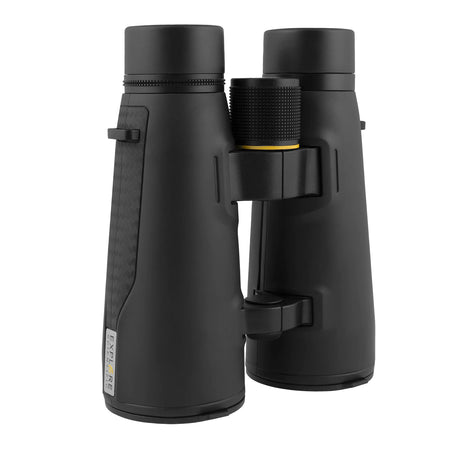
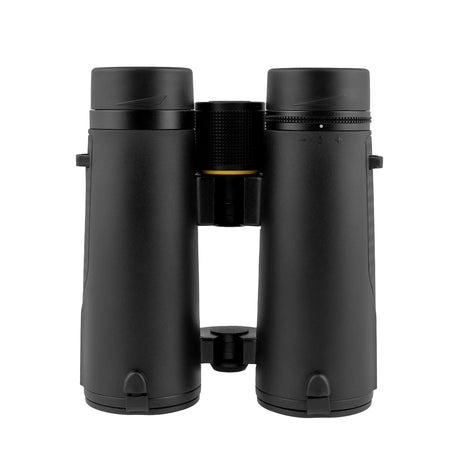
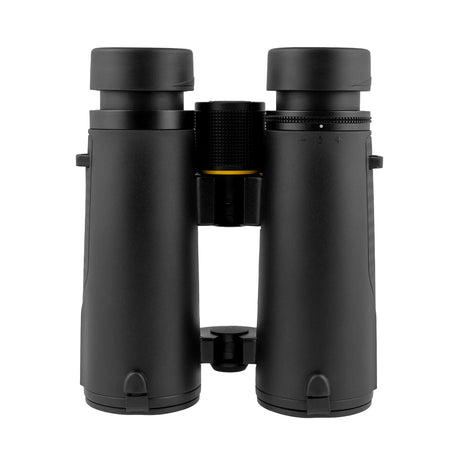
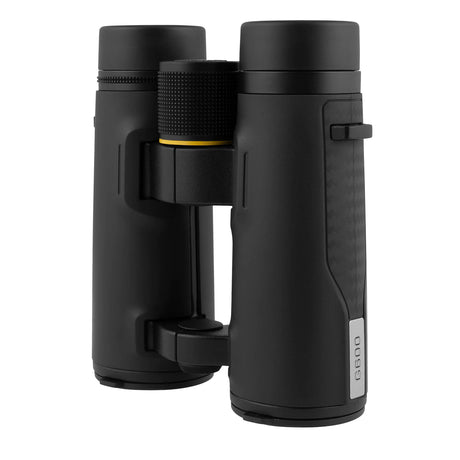
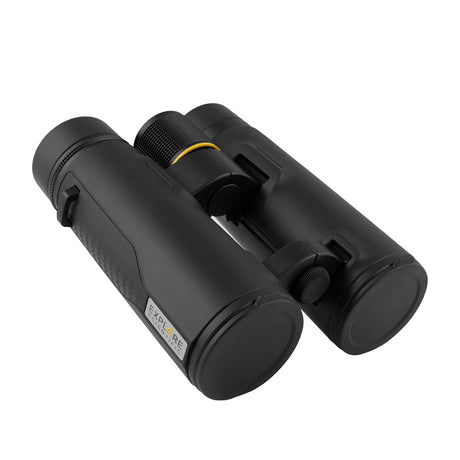
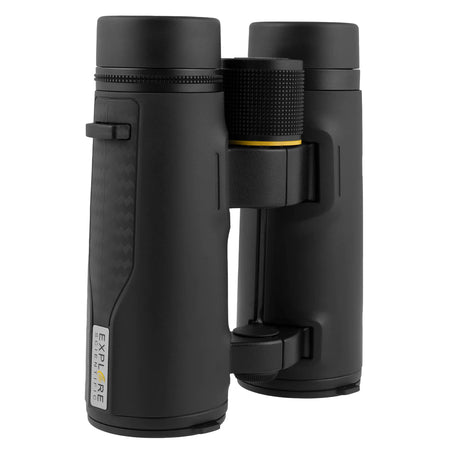
G400 or G600 ED?
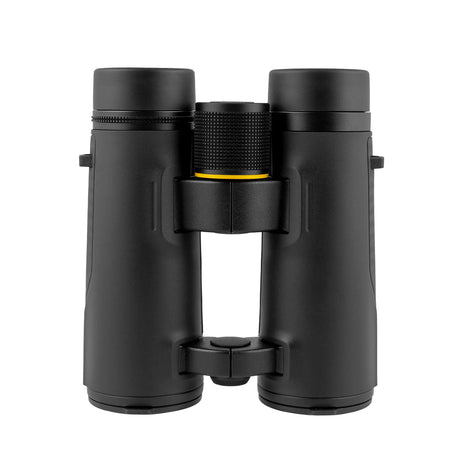
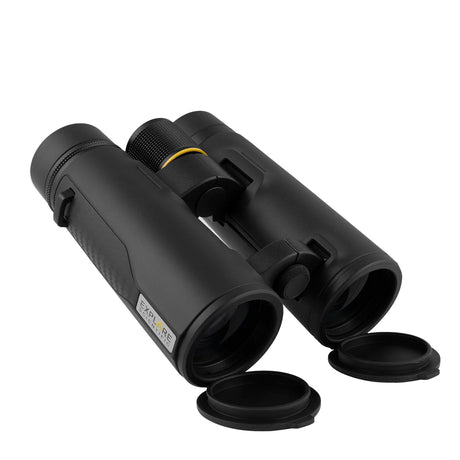
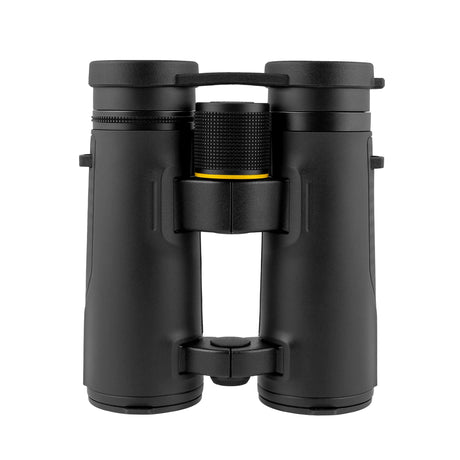
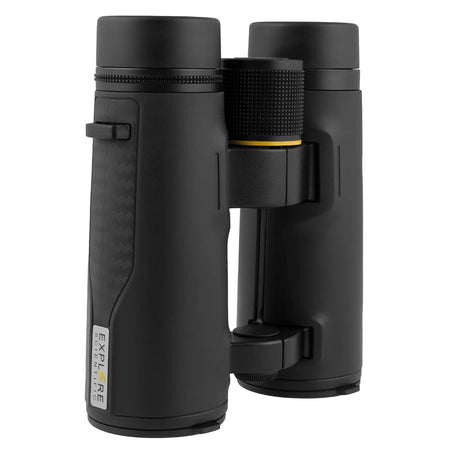
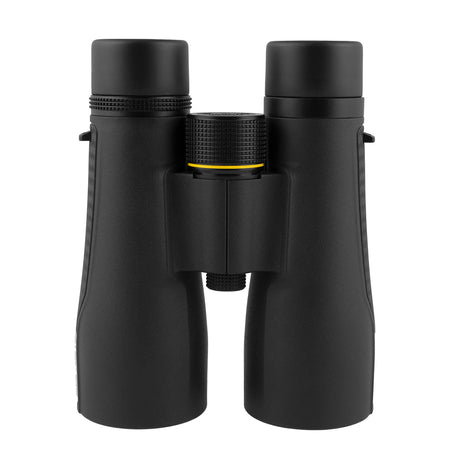
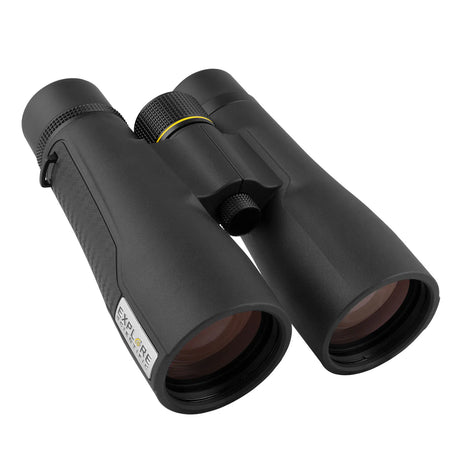
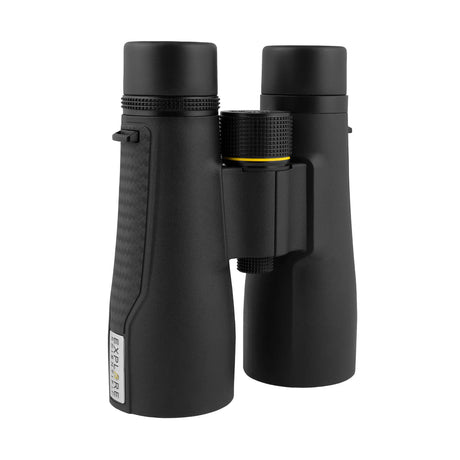
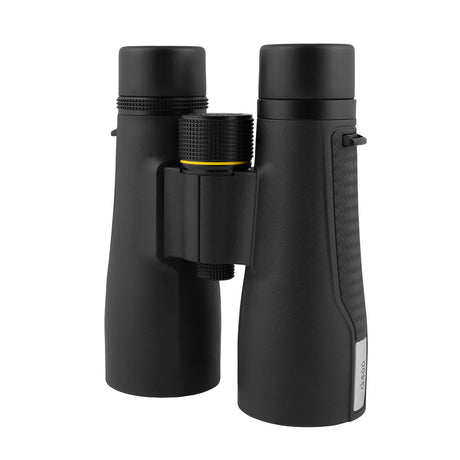
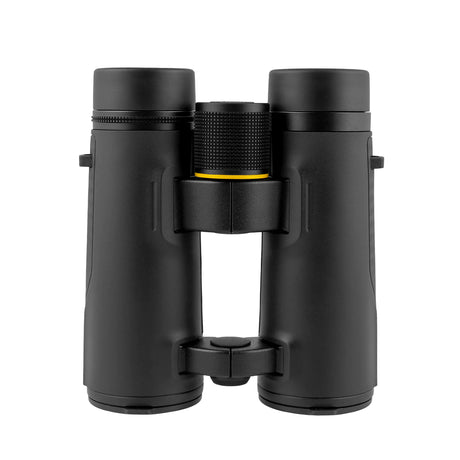
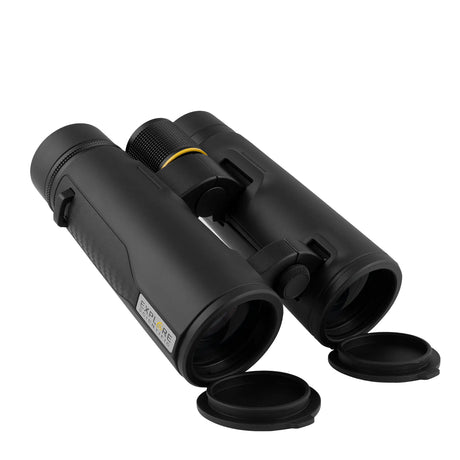
Both series use BAK-4 roof prisms. The G400 covers the everyday sizes, 8x42, 10x42 and 10x50, and the G600 adds ED glass for sharper color correction, in 8x42, 10x42 and 8x56, with IPX7 sealing on the 10x42 and 8x56.
Which size
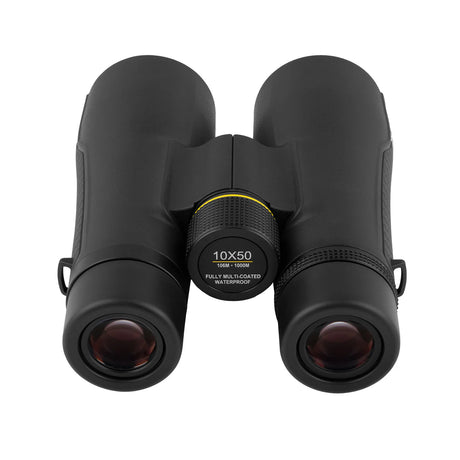
The 8x42 gives the widest view, 394 ft at 1,000 yards on the G400 and 372 ft on the G600, with a 5.25 mm exit pupil. The 10x42 adds reach. The G400 10x50 gathers more light than the 42s for dusk, and the G600 8x56, with a 7 mm exit pupil, is the one for the last light.
Close focus and sealing
The G400 binoculars focus closer, from 2 m on the 8x42 to 2.5 m on the 10x42, against 3 m on the G600 models, which matters for butterflies and feeder birds. Every model is waterproof, and the G600 10x42 and 8x56 are rated IPX7.
Frequently Asked Questions
Should I choose 8x42 or 10x42?
The 8x42 for a wider, steadier view in woods and for most birding, and the 10x42 for more reach in open country.
Are these the same as Explore Scientific's astronomy binoculars?
No. The G-Series are handheld daytime binoculars. The BT giant binoculars for astronomy are on our astronomy binoculars page.
Can I use them for stargazing?
Yes, for casual observing: a 10x50 already shows the Moon's craters and Jupiter's four large moons. For dedicated observing, look at the BT giant binoculars.
Do they suit glasses wearers?
Yes: the G400 8x42 has 17.5 mm of eye relief, the G600 8x42 17.3 mm and the G600 8x56 19.3 mm, above the 15 to 16 mm glasses wearers need.
To choose a size, read 8x42 vs 10x42 Binoculars.