







What limits planetary detail
On most nights the air, not the telescope, decides how much detail reaches your eye. Typical backyard seeing blurs to about 2 arcseconds, so a 4-inch and a 10-inch often show a planet much alike on an average night, and the larger pulls ahead only when the air is calm. Observe each planet when it is highest in the sky, where you look through the least air, and give a closed tube such as a Maksutov time to cool to the night air.
How to choose
Aperture
About 60 to 80 mm shows Jupiter's two main belts and its four bright moons, and the shape of Saturn's rings. Around 100 mm brings the Great Red Spot when it faces Earth and, while Saturn's rings are tilted shallow through 2026, the Cassini Division. From 127 to 150 mm Jupiter adds its temperate belts, festoons on good nights and the shadows of its moons.
Focal ratio
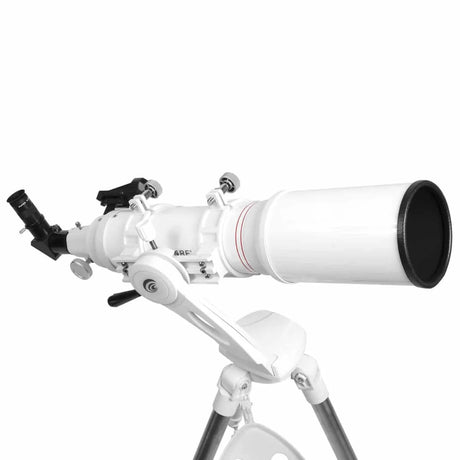
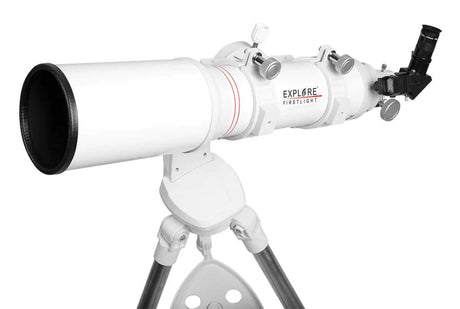
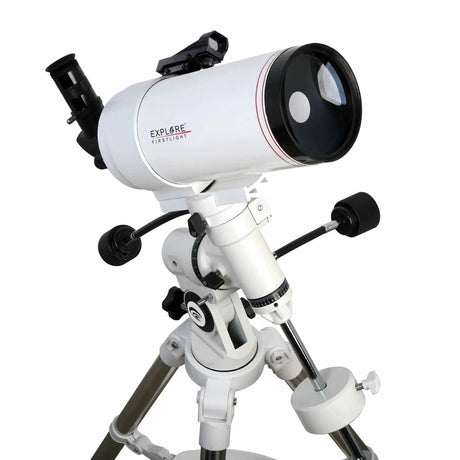
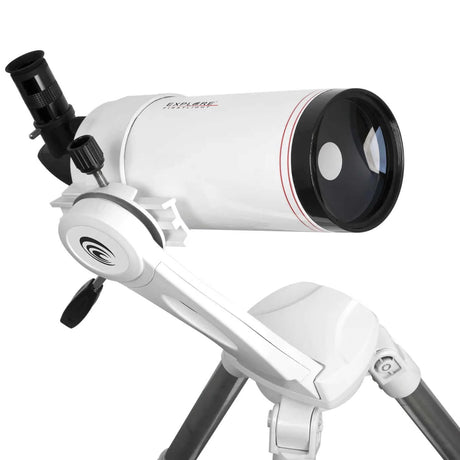
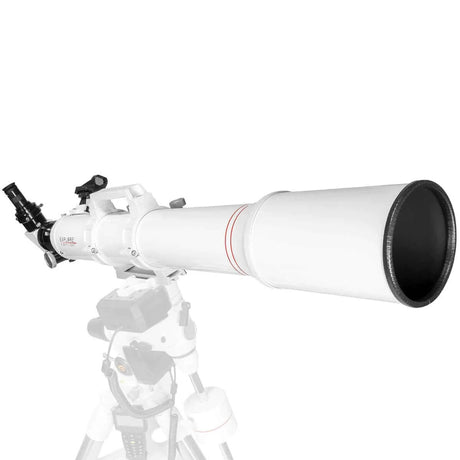
A long focal ratio adds no resolution, which aperture alone sets. What it buys is planetary magnification with a longer, more comfortable eyepiece and, in a Maksutov, a smaller secondary mirror. That is the case for the FirstLight 100 and 127 Maksutovs, at f/14 and f/15, and the Sidara Pro 127.
Magnification
Planetary observers work at about 25x to 30x per inch of aperture, roughly 100x to 120x on a 100 mm telescope. The 50x per inch printed as a maximum is a ceiling for double stars, so start lower and go up only while the image keeps improving.
Frequently Asked Questions
Can I observe the planets from a city?
Yes. The planets are bright enough that light pollution barely touches them, so a balcony in town works. Steady air matters more than a dark sky.
Why do photos show more than the eyepiece?
Planetary photos are stacked from thousands of video frames, keeping only the sharpest. At the eyepiece, watch for several minutes and the air will give you brief steady moments when detail snaps into view.
Can I photograph the Moon and planets?
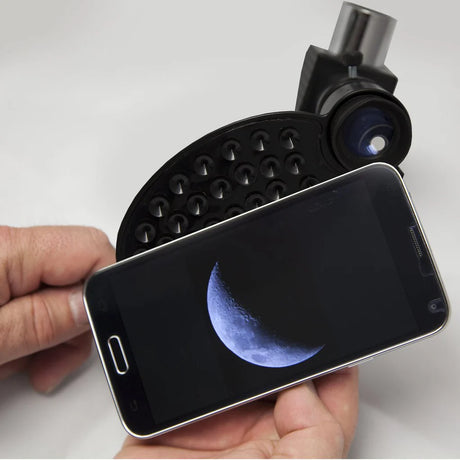
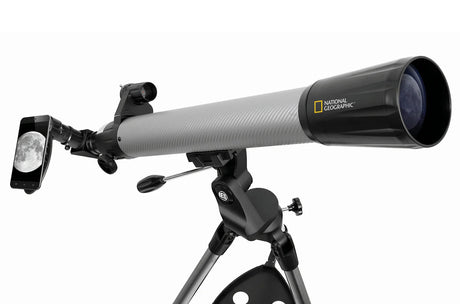
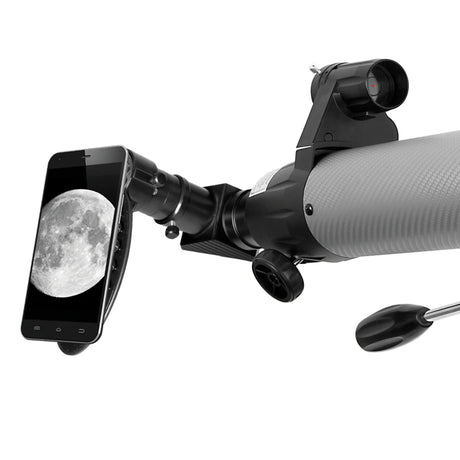
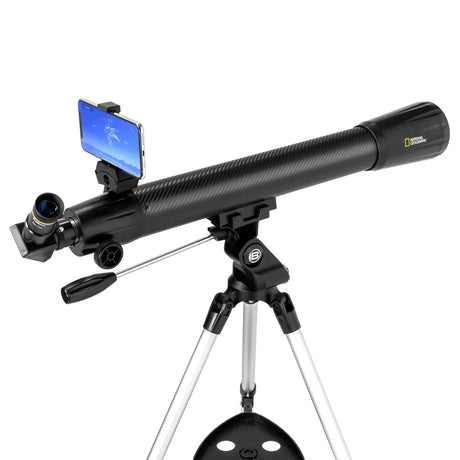
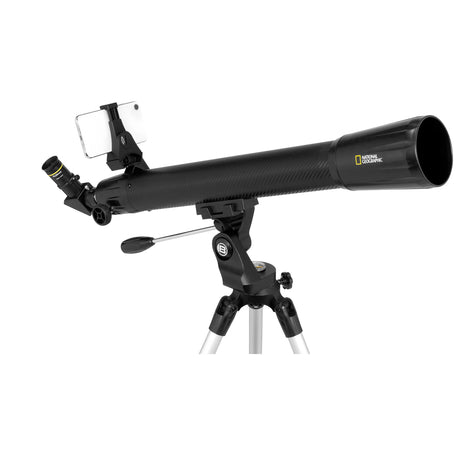
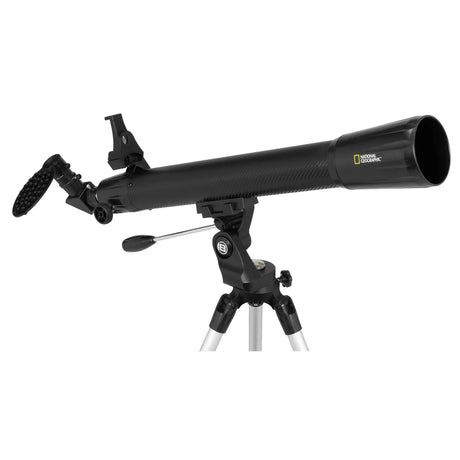
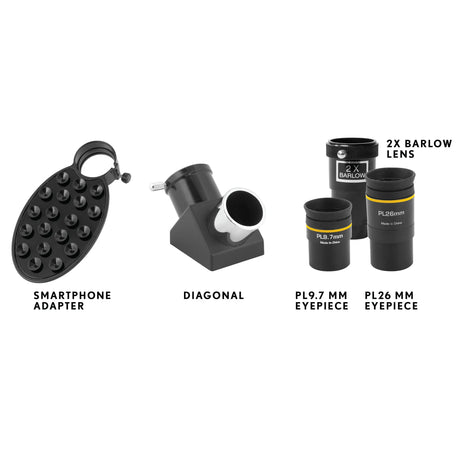
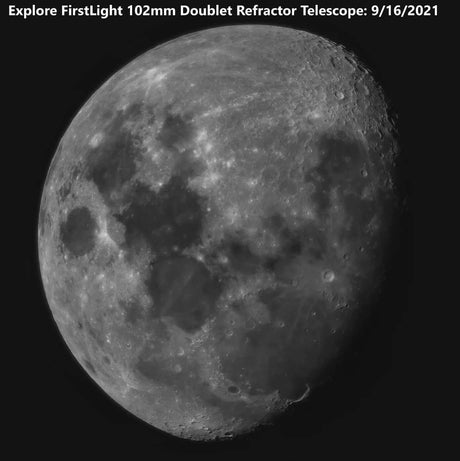
Yes, with a phone held at the eyepiece, which captures the Moon's craters and Saturn's rings. Some telescopes here include a smartphone adapter. See our telescopes with smartphone adapters.
For the planets one at a time, read Minimum Telescope to See Jupiter and Minimum Telescope Size to See Saturn's Rings Clearly.