




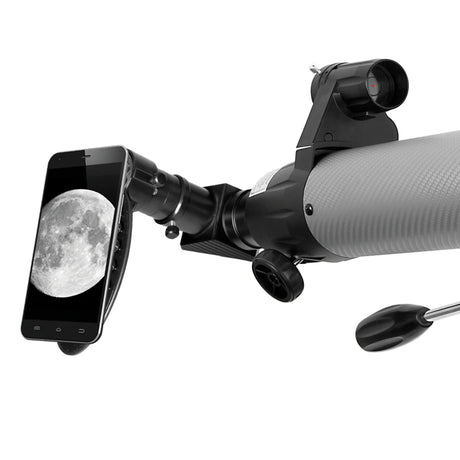
What you can photograph
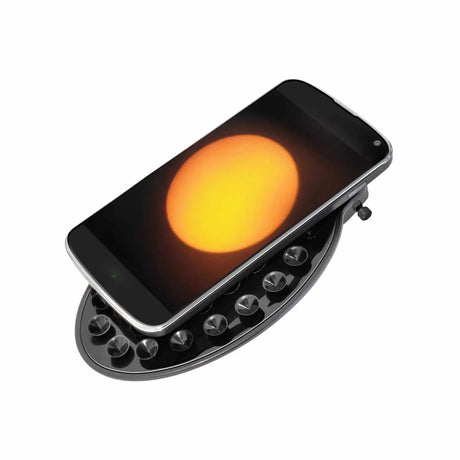
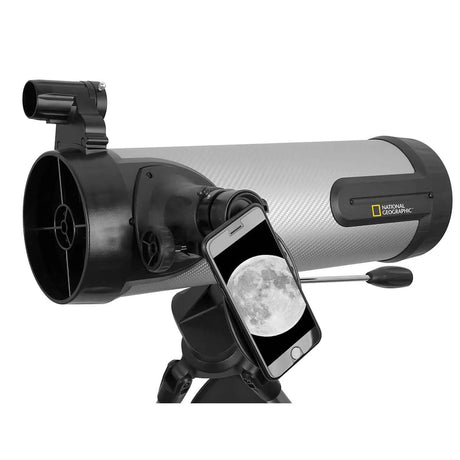
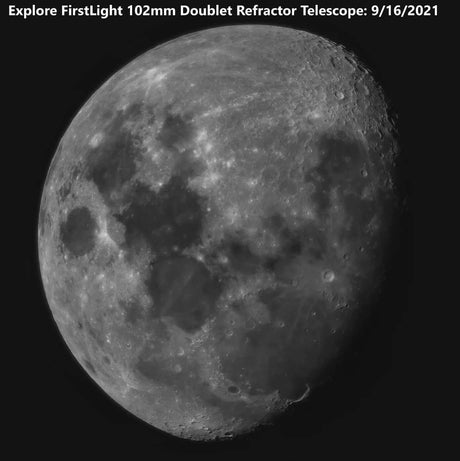
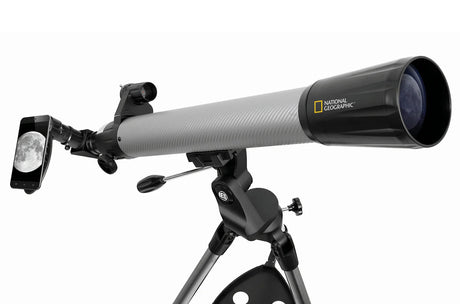
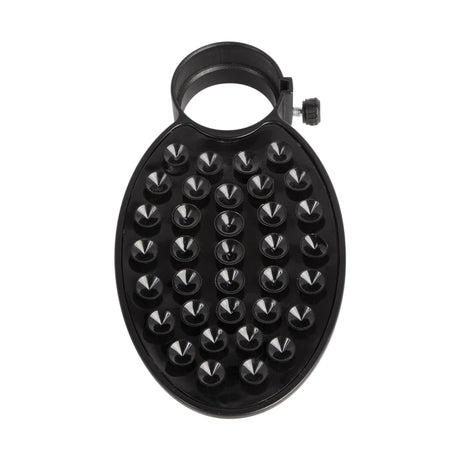
With a phone held steady at the eyepiece you can capture recognizable images of the Moon's craters and of Saturn's rings. Serious planetary imaging moves on to a dedicated astronomy camera, which records hundreds or thousands of short frames that software stacks to beat the shimmer of the atmosphere. The camera attaches to the focuser with T2 adapters, which you will find in our adapters collection.
Choosing a telescope
For the Moon and planets
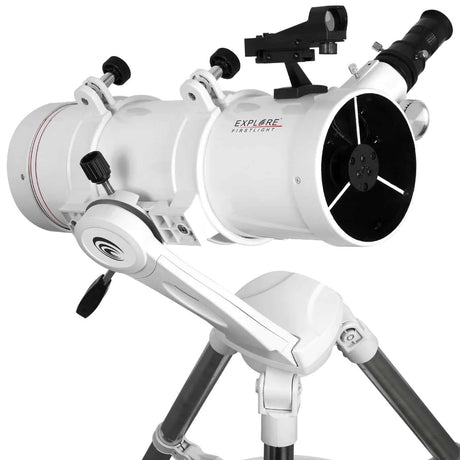
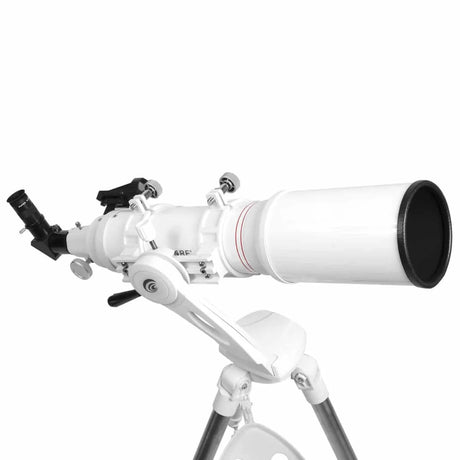
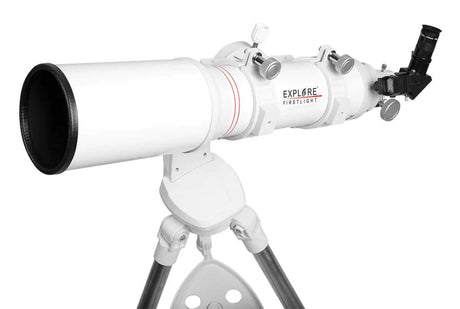
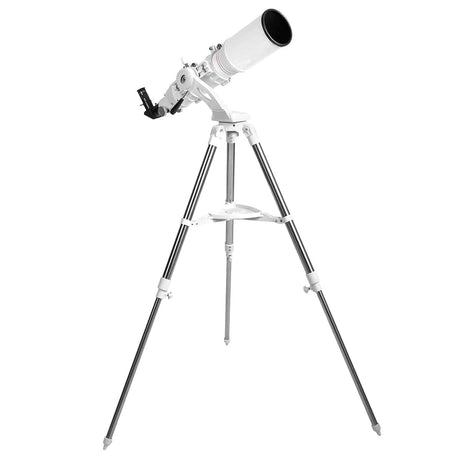
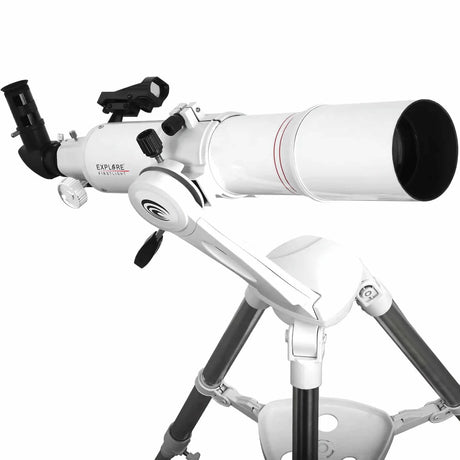
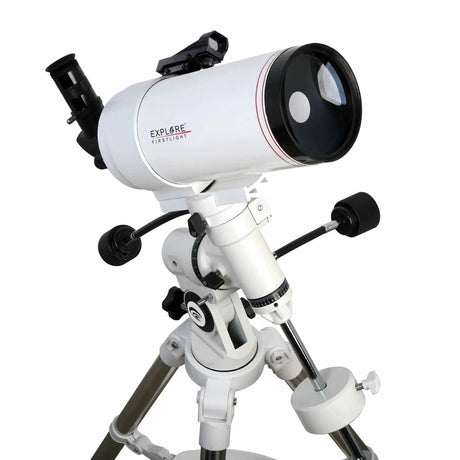
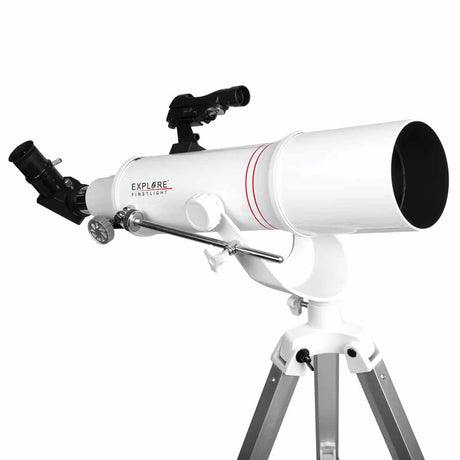
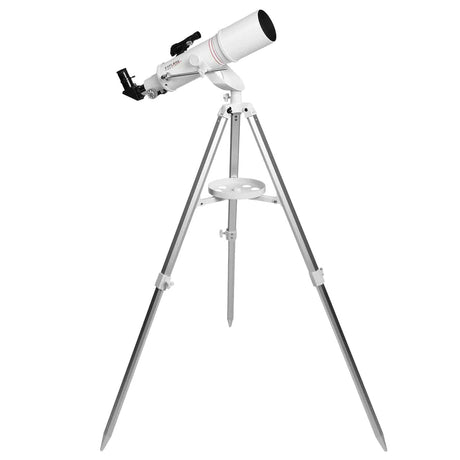
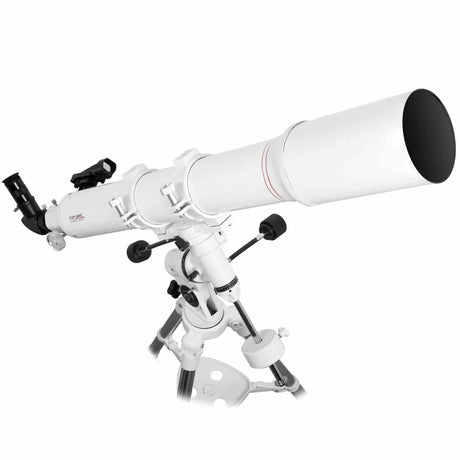
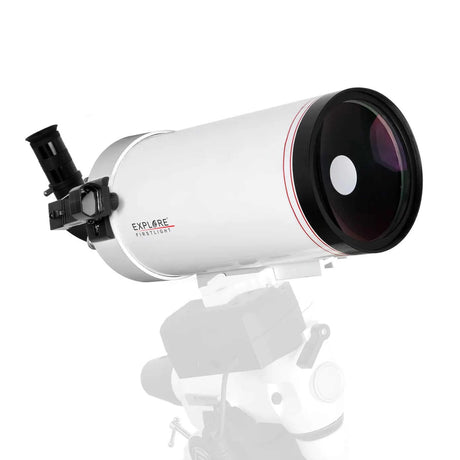
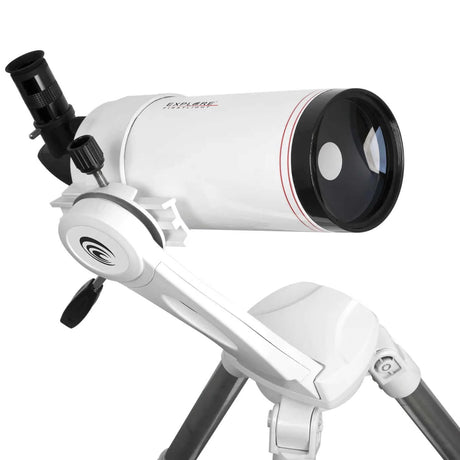
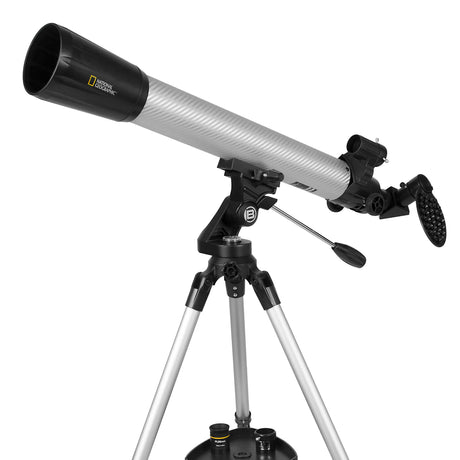
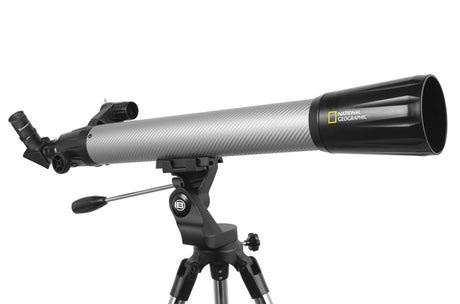
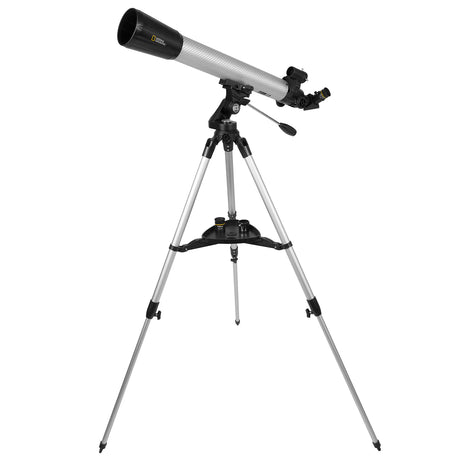
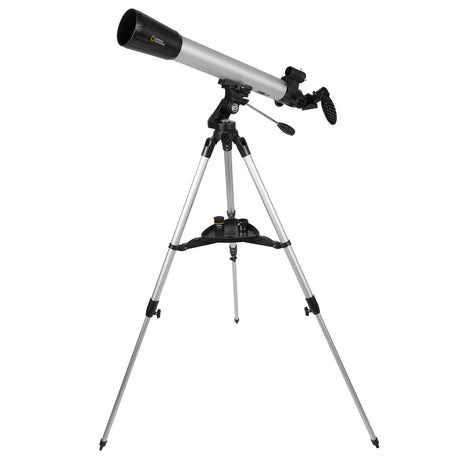
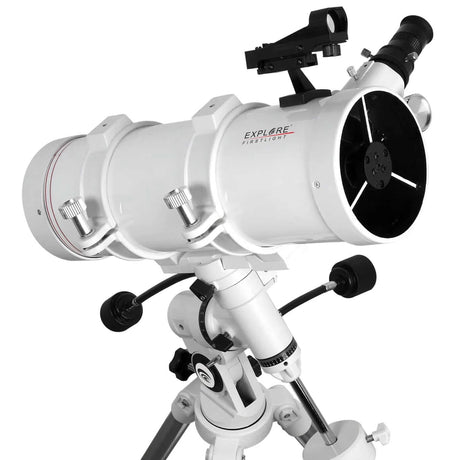
A long focal length gives the high magnification planets need. The FirstLight 100mm f/14 and 127mm f/15 Maksutovs fold 1,400 mm and 1,900 mm into short tubes, and the National Geographic 70 mm refractors run at f/10.
For more of the night sky
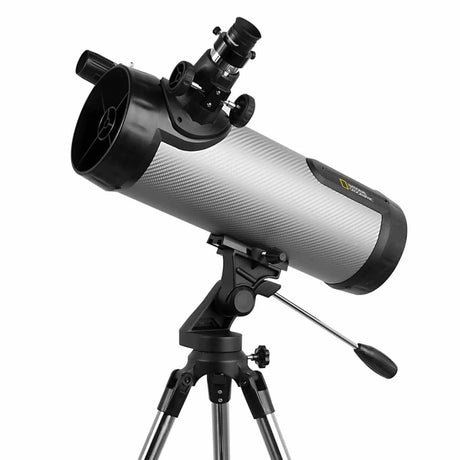
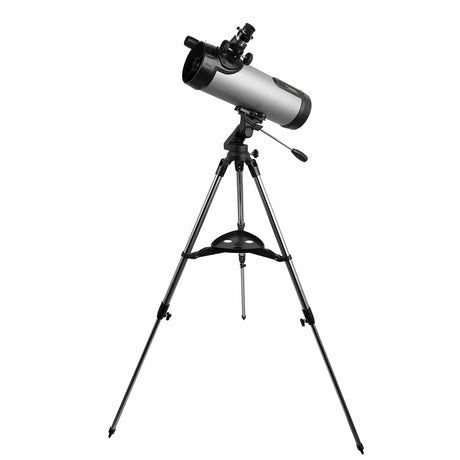
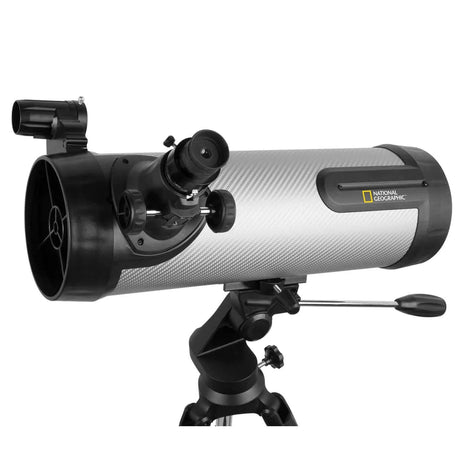
Aperture gathers the light for faint objects. The National Geographic NT114PH, the 6-inch Tabletop Dobsonian and Explore Scientific's 8- and 10-inch Dobsonians collect far more of it than a small refractor.
Tracking
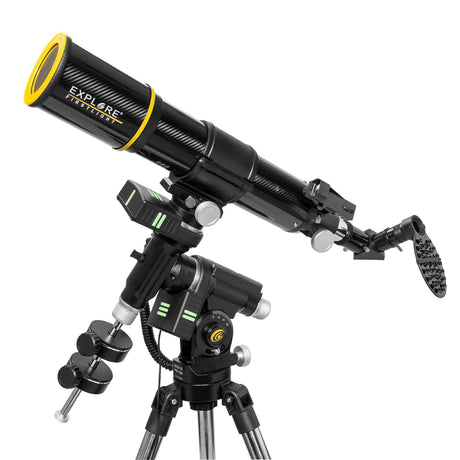
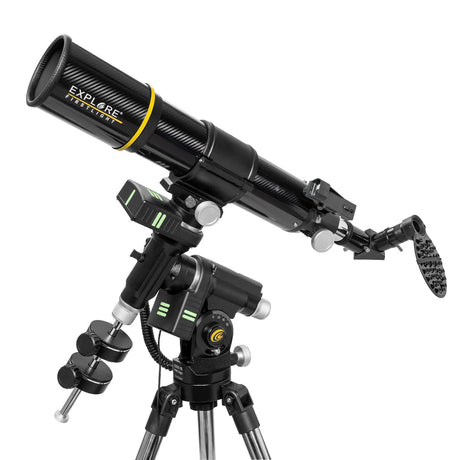
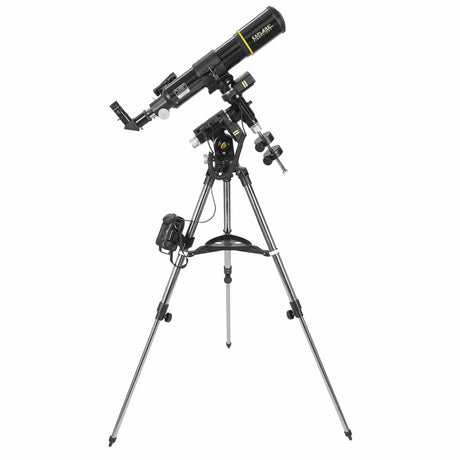
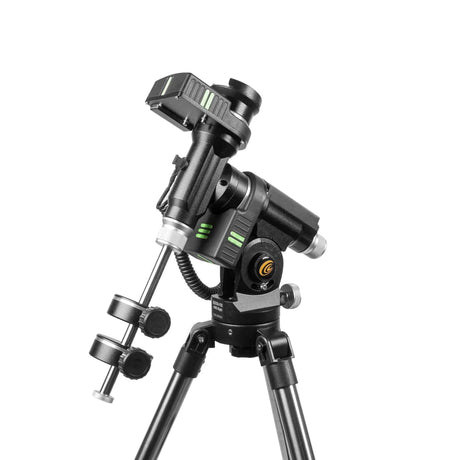
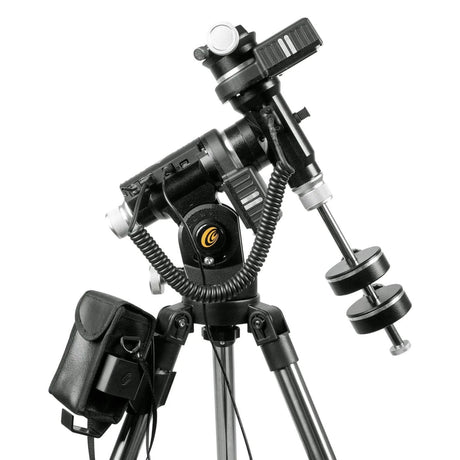
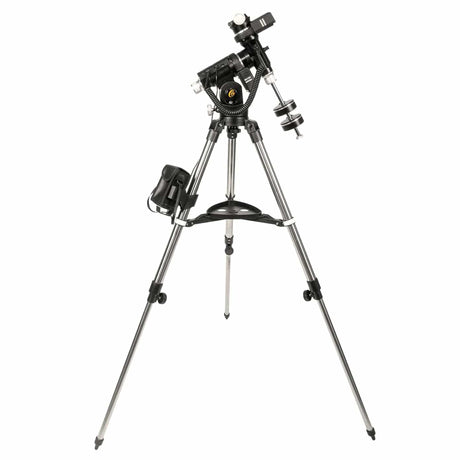
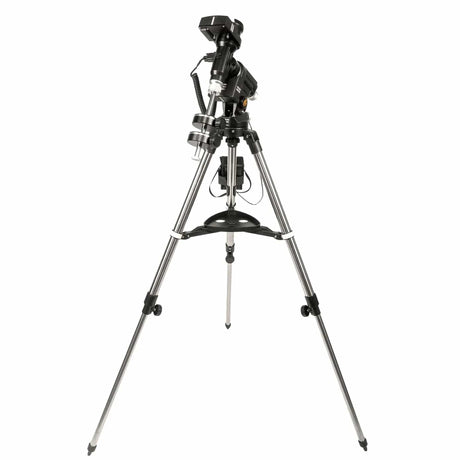
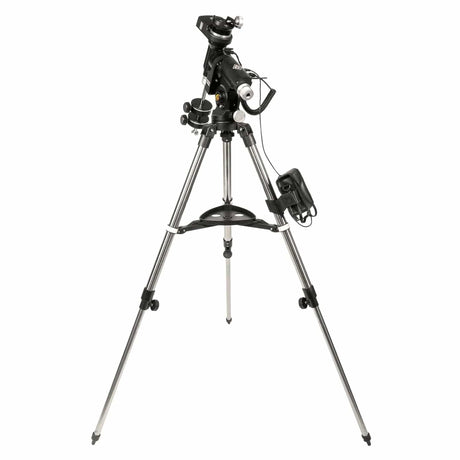
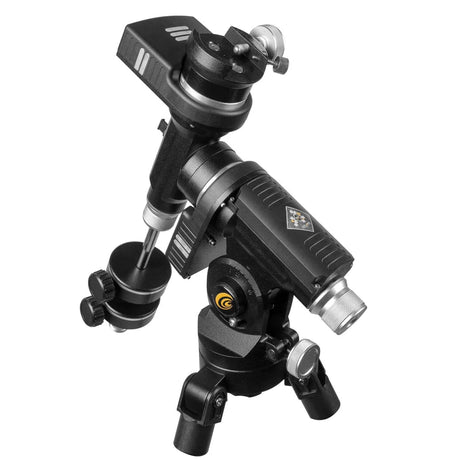
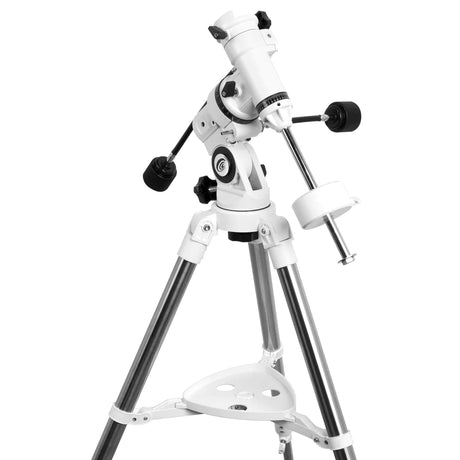
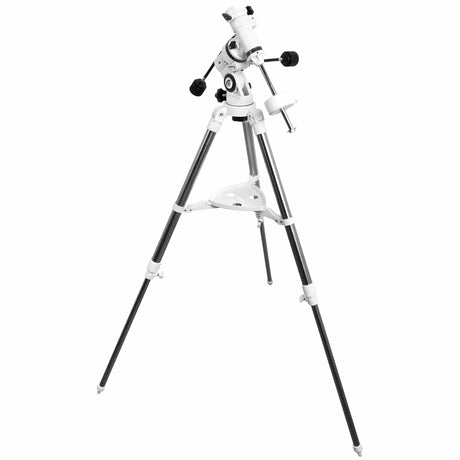
The FirstLight 80mm Go-To Tracker combos sit on the iEXOS-100 tracker, which follows the sky so an object stays centered while you frame a photo.
Frequently Asked Questions
What comes in a typical kit?
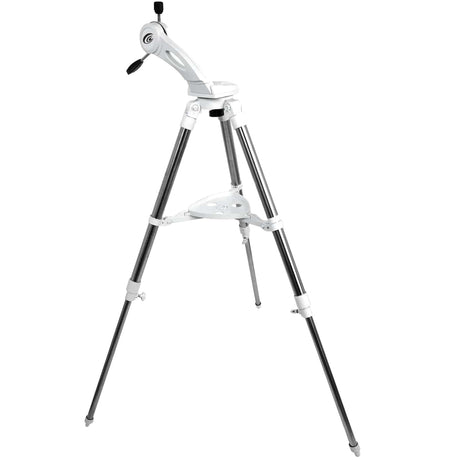
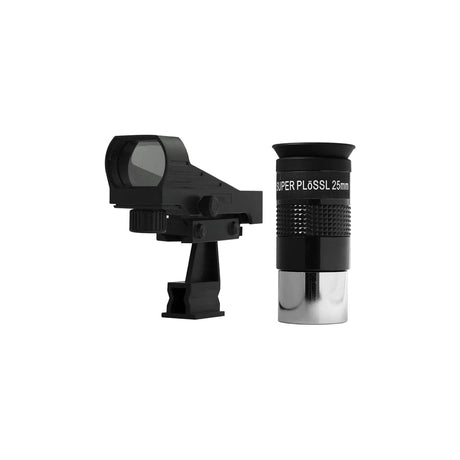
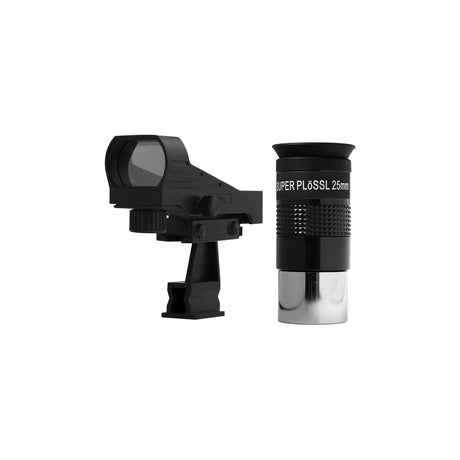
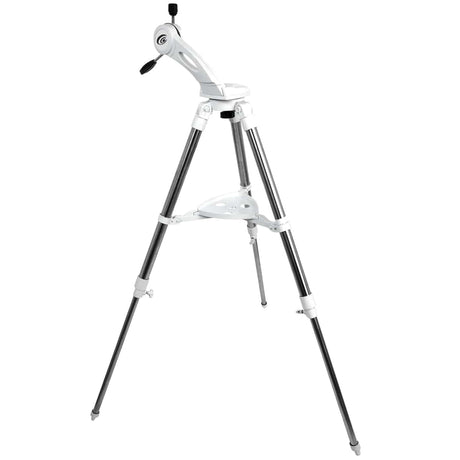
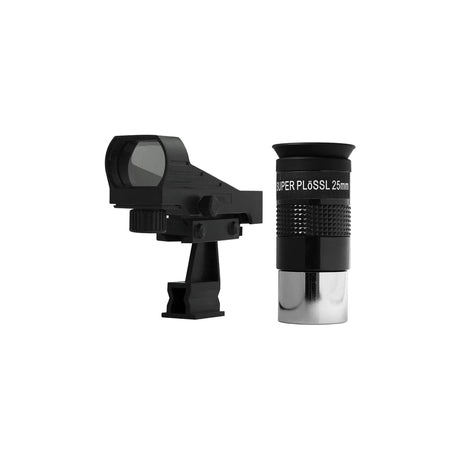
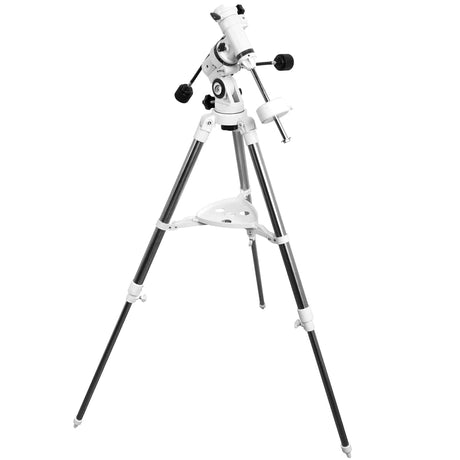
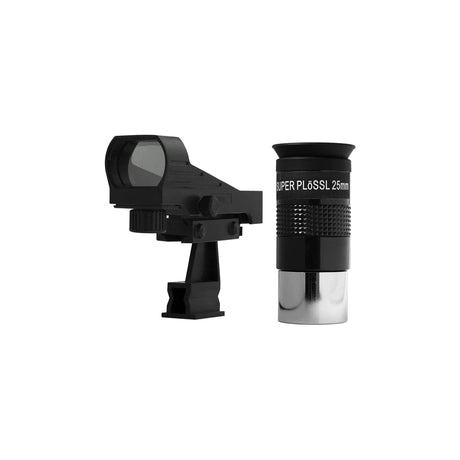
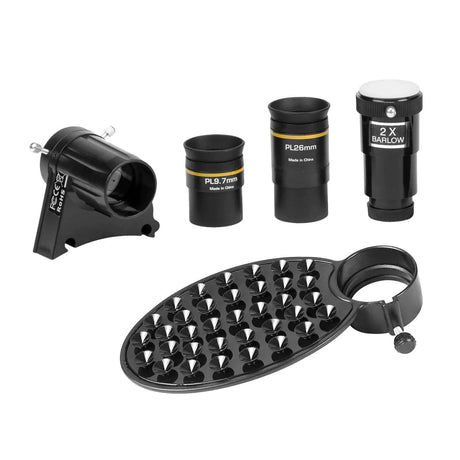
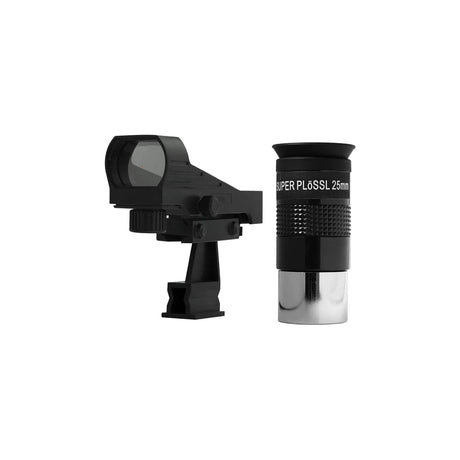
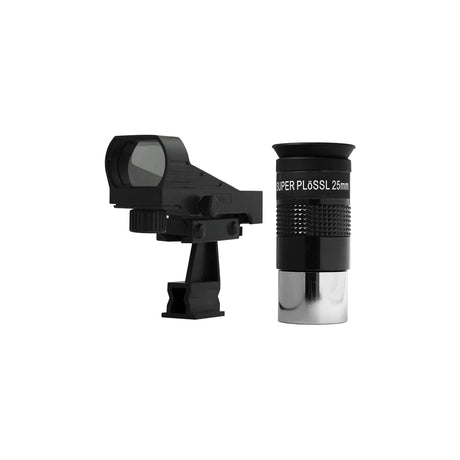
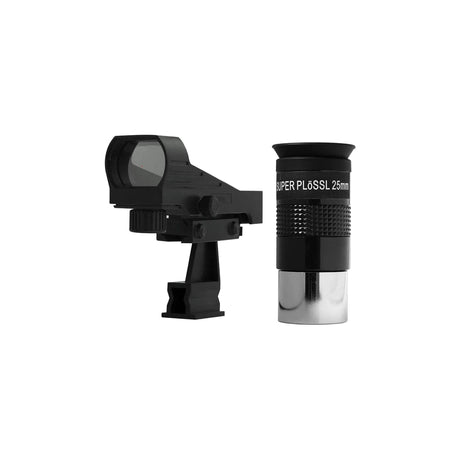
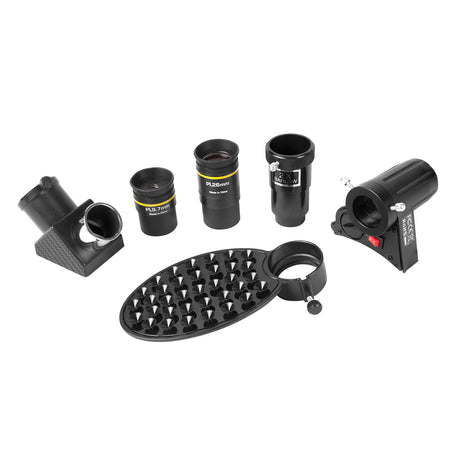
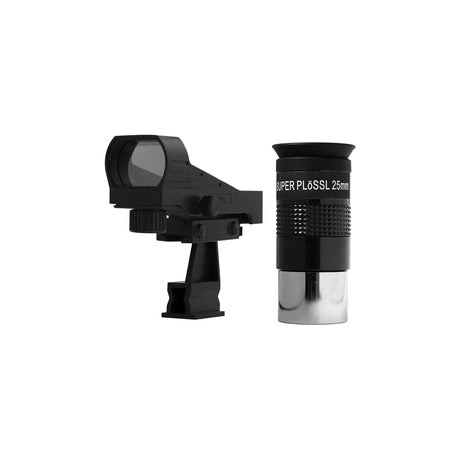
Besides the adapter, most include a mount, a finder and at least one eyepiece. The FirstLight 127mm Mak is the exception: a tube with a diagonal, a red-dot finder and the adapter, but no mount.
Is this real astrophotography?
It is the first step. A phone captures the Moon and the bright planets well; for detailed planets and faint deep-sky objects, a dedicated astronomy camera and stacking software go much further.
Can I photograph Saturn with my phone?
Yes. A phone at the eyepiece captures recognizable images of Saturn showing the ring structure, and even the 70 mm refractors here show the ring shape.
For what each size shows, read Minimum Telescope Size to See Saturn's Rings Clearly, and for the next step, Essential Astrophotography Gear for Beginners.