



What the step up buys
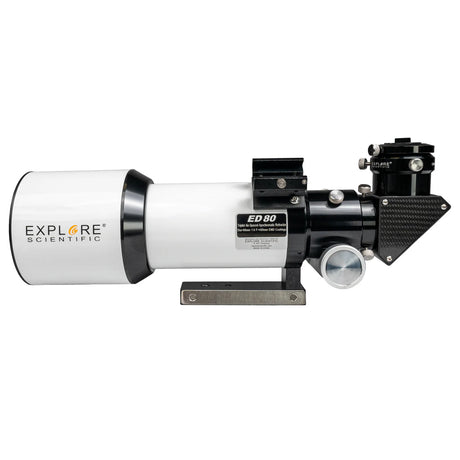
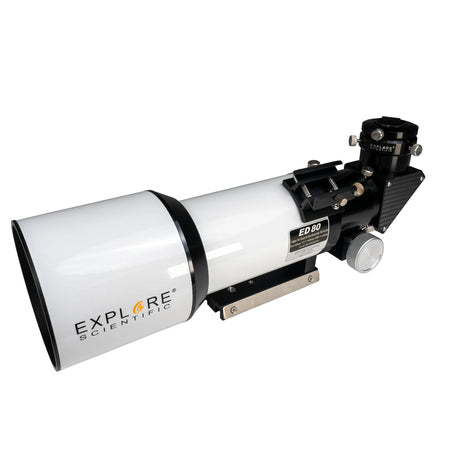
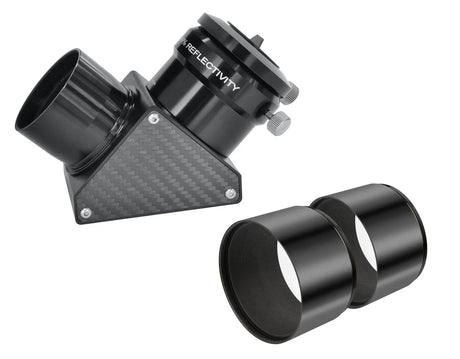
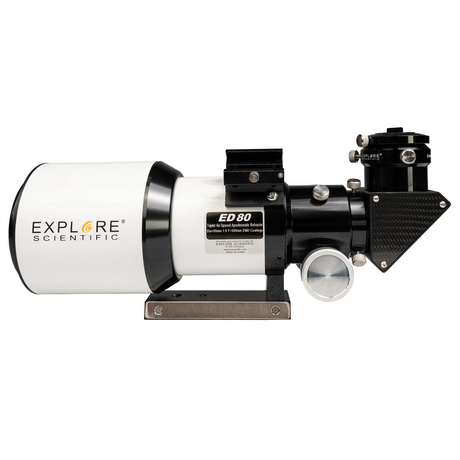
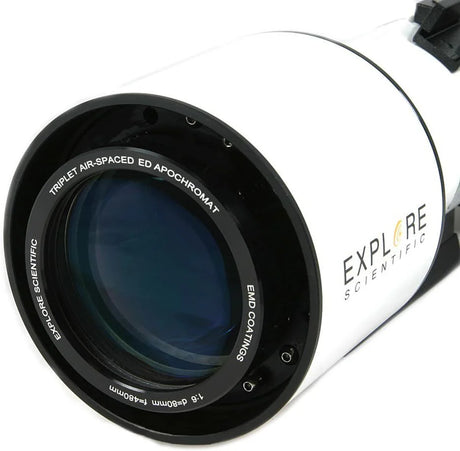
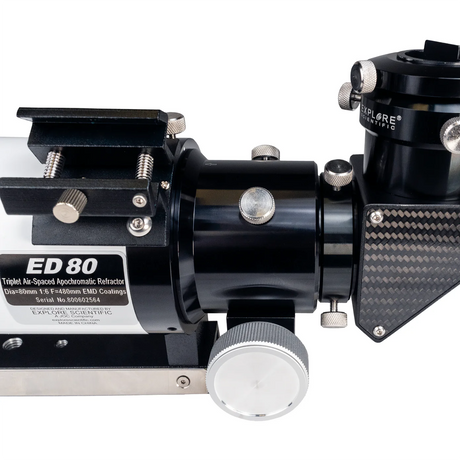
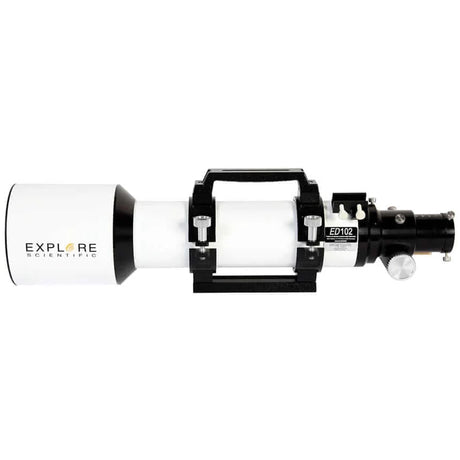
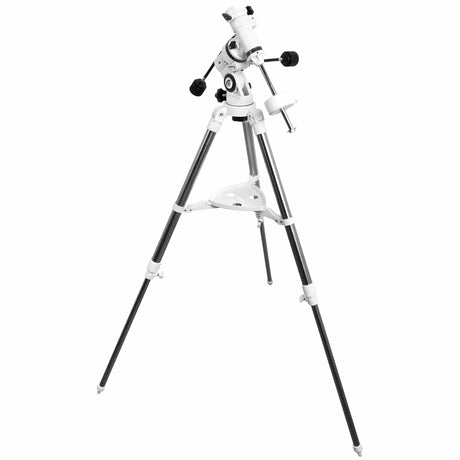
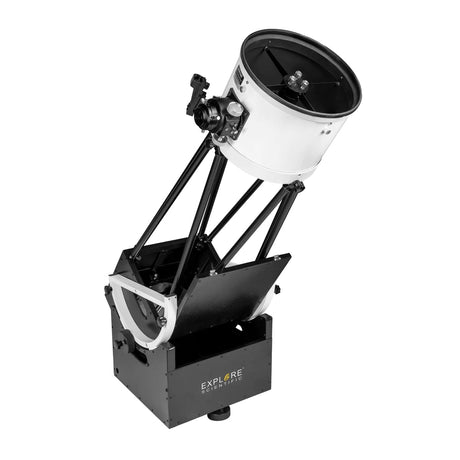
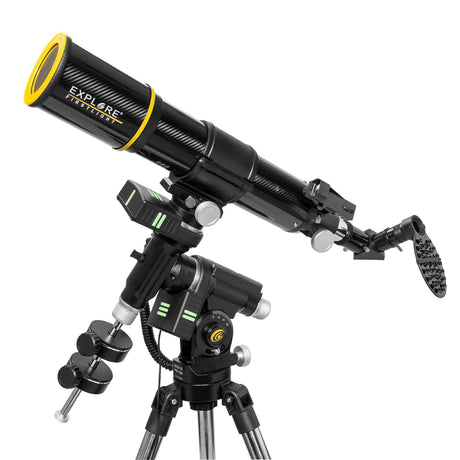
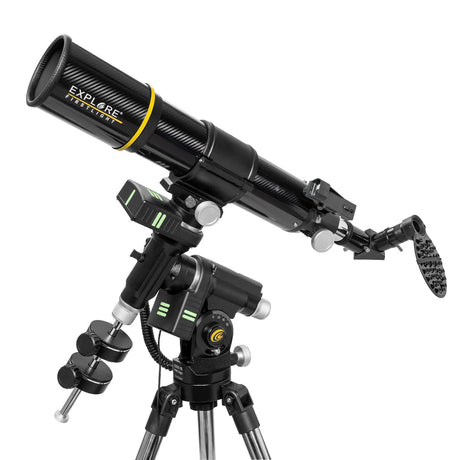
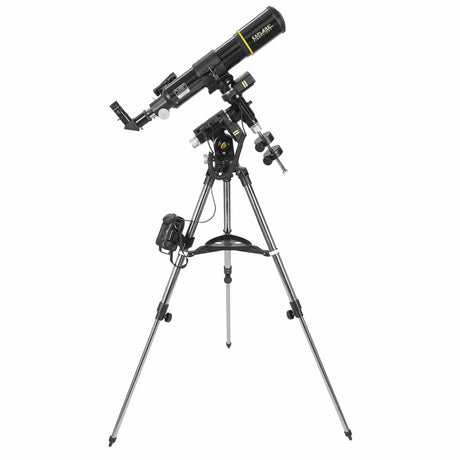
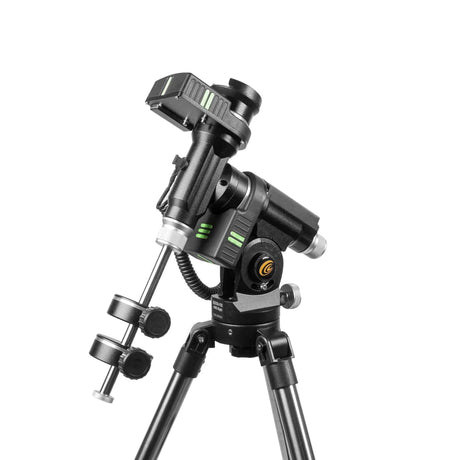
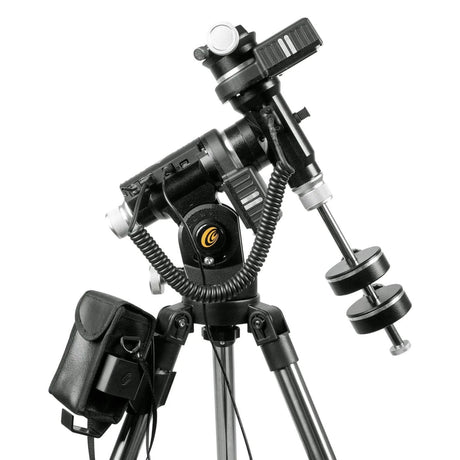
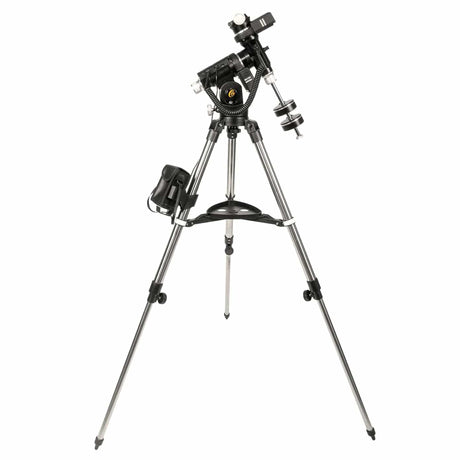
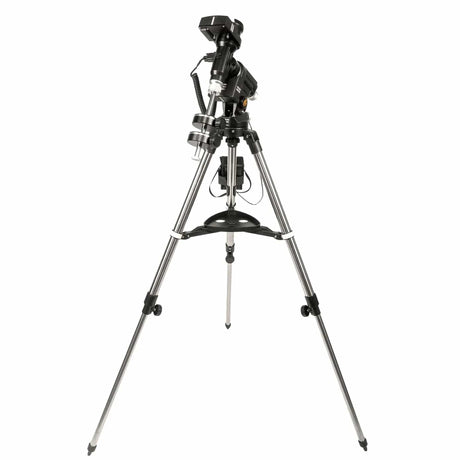
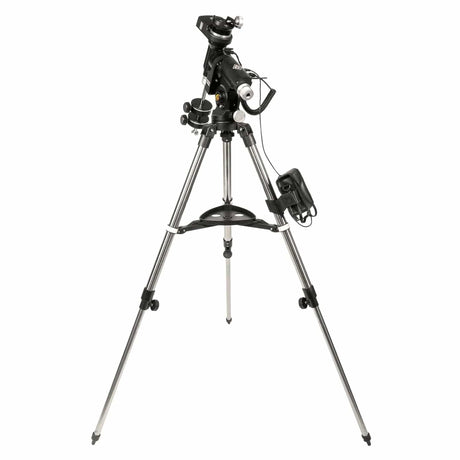
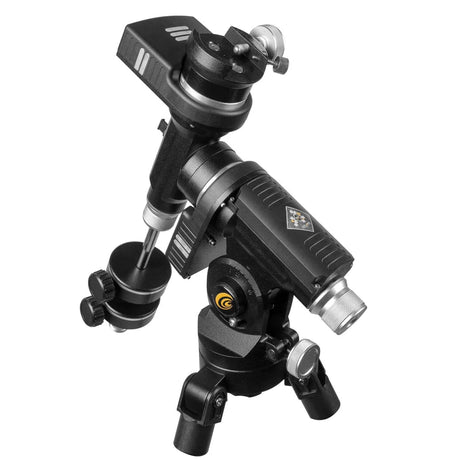
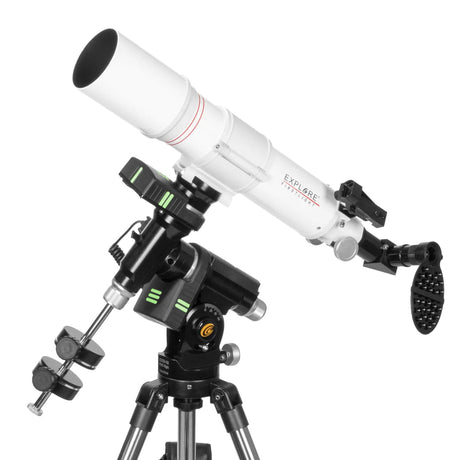
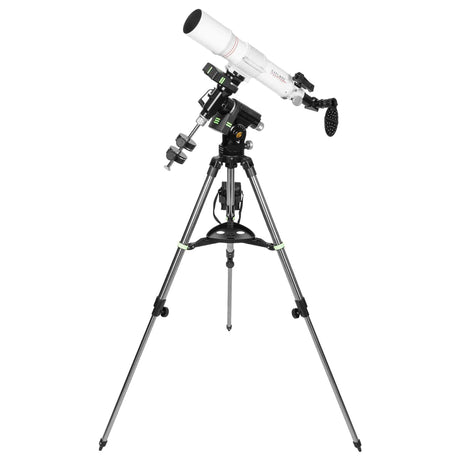
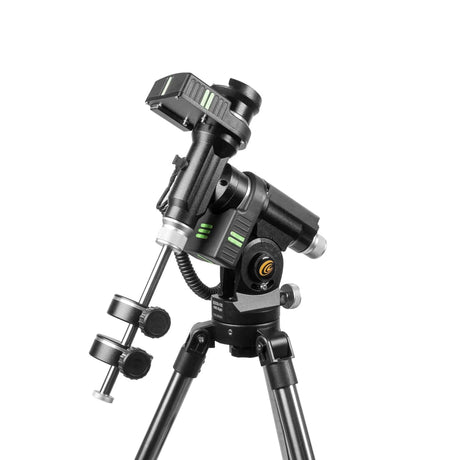
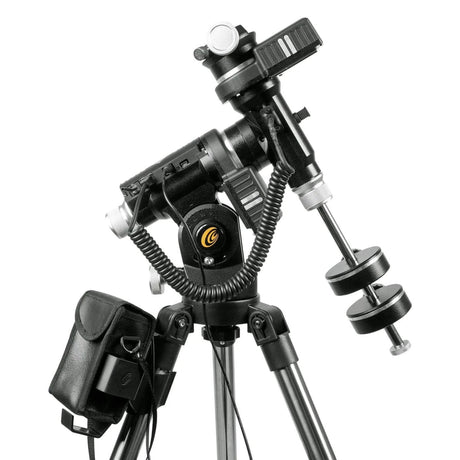
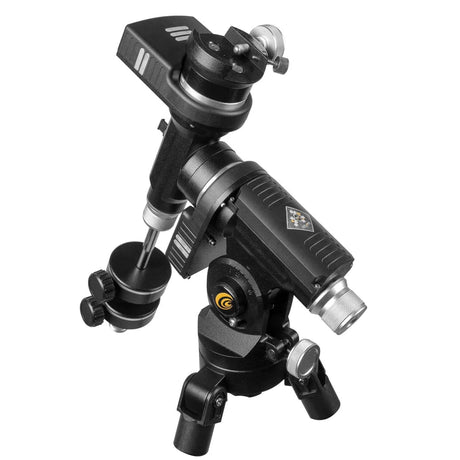
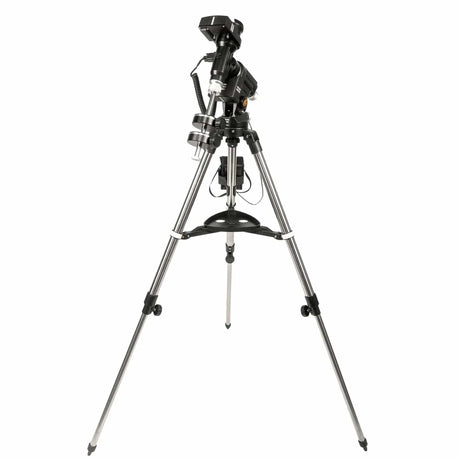
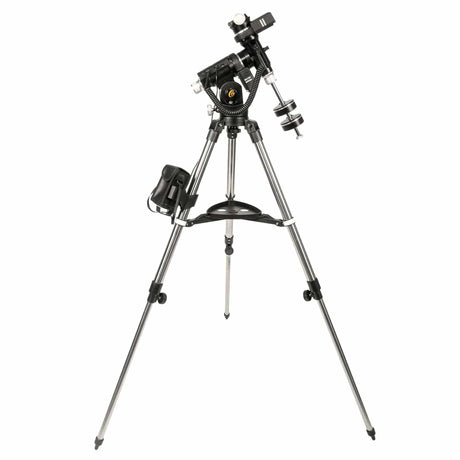
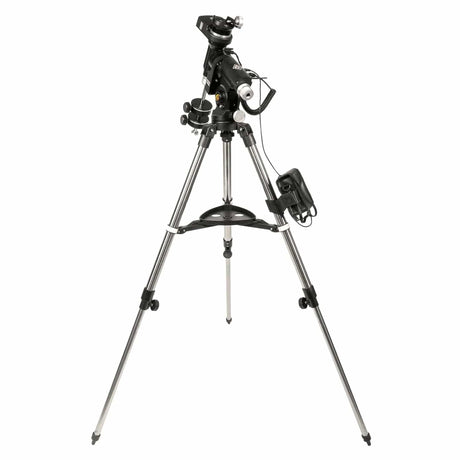
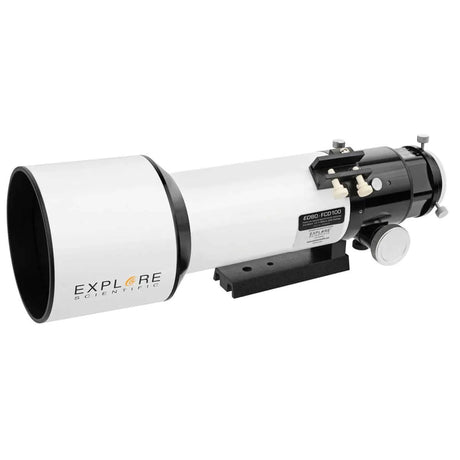
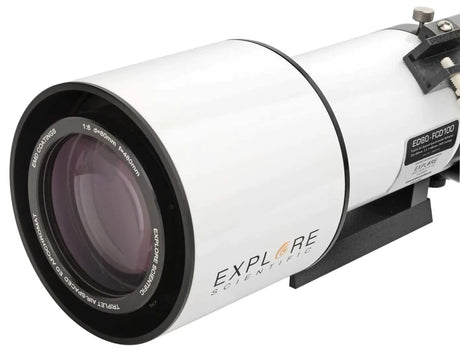
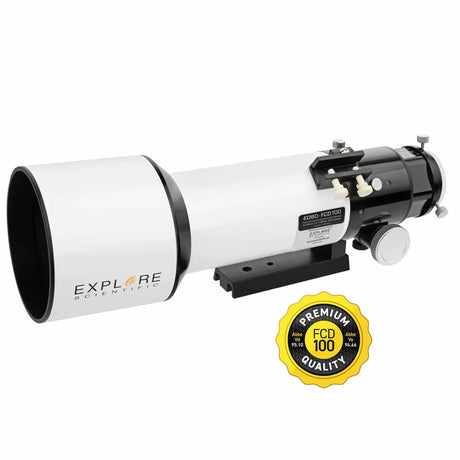
Above the entry tier, the budget buys one of three things: aperture, color correction or tracking. The Explore Scientific 10-inch Dobsonians gather about 47 percent more light than an 8-inch, the ED80 and ED102 triplets bring red, green and blue light to one focus for astrophotography, and the FirstLight 80 Go-To Tracker combos ride an iEXOS-100 GoTo mount.
Choosing by what you observe
Galaxies and clusters
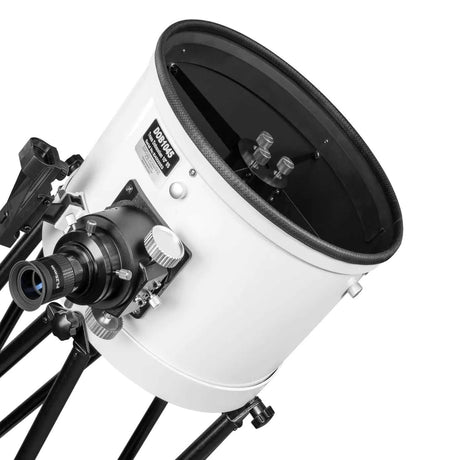
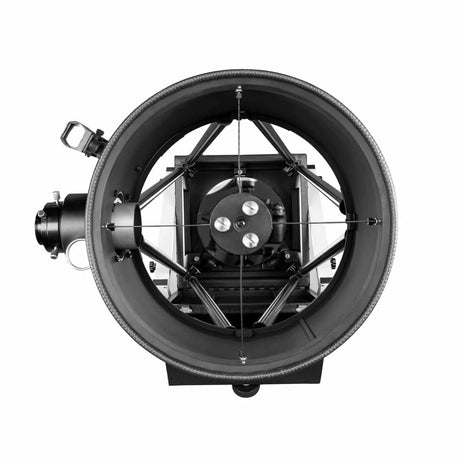
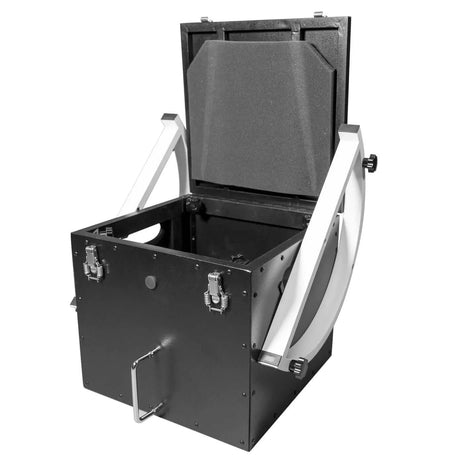
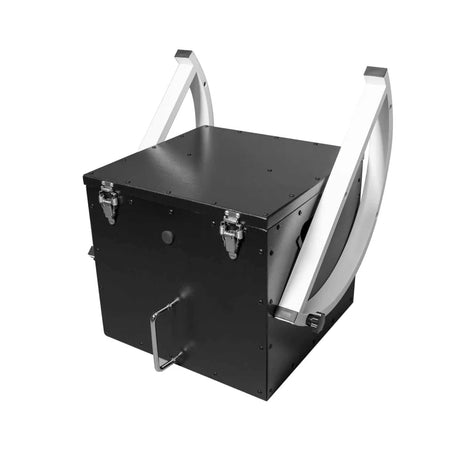
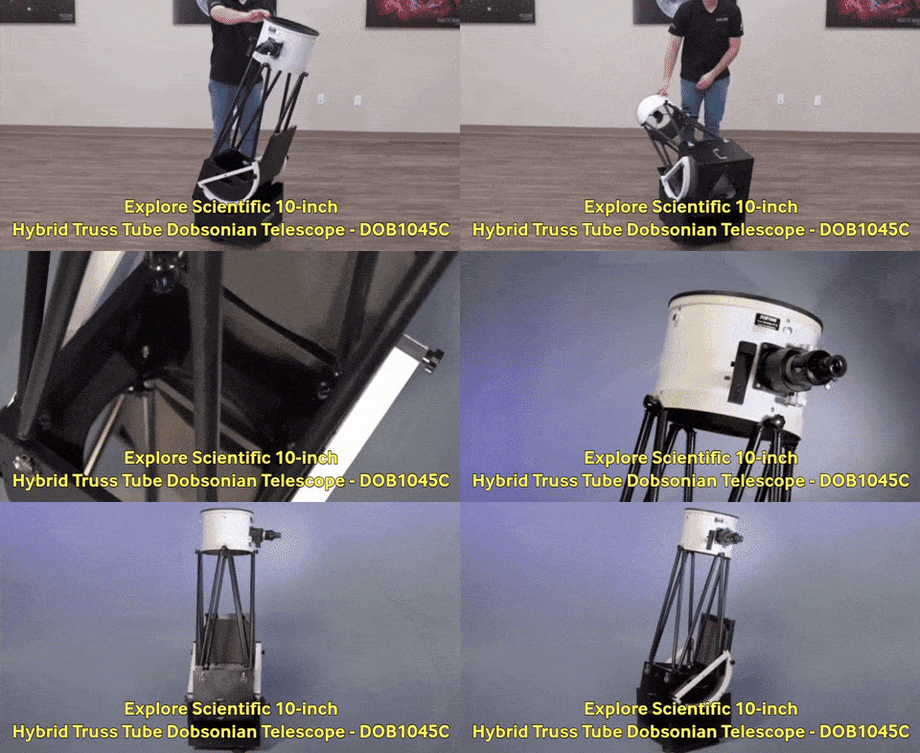
The 10-inch f/4.7 solid tube and the 10-inch f/5 hybrid truss, with 254 mm mirrors, resolve most of the globular clusters in the Messier catalog into stars and, from a dark site, show the spiral arms of bright galaxies to a careful eye.
The Moon and planets
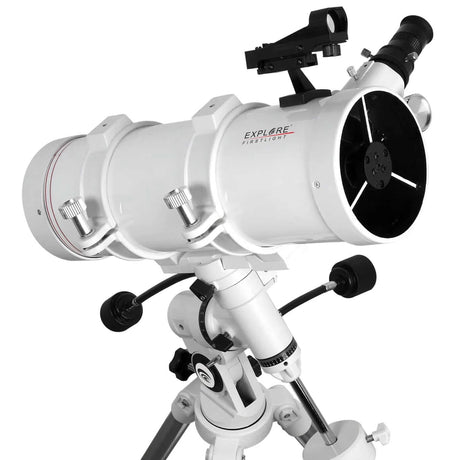
The FirstLight 100 and 127 Maksutovs, at f/14 and f/15, reach planetary magnification with ordinary eyepieces, and the ED102 gives color-free views of bright targets.
Imaging
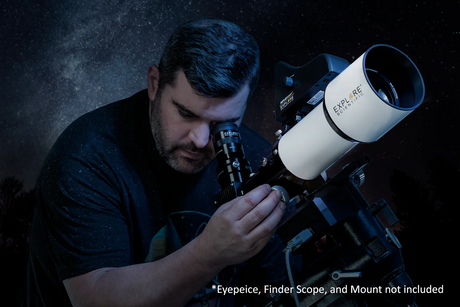
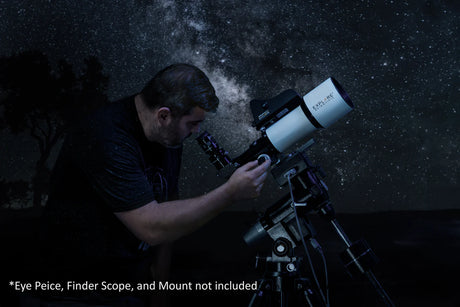
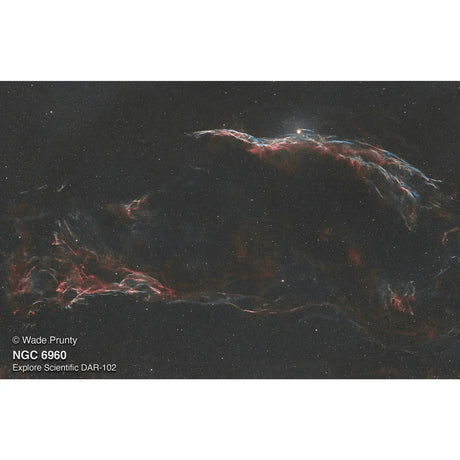
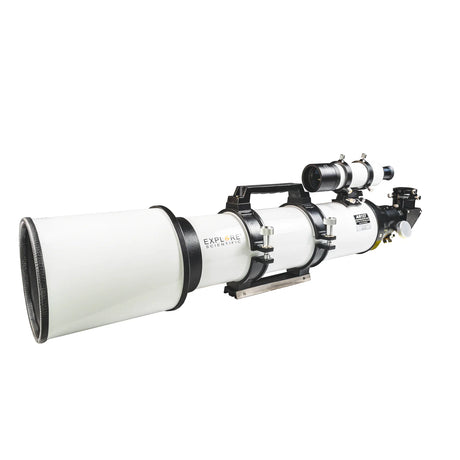
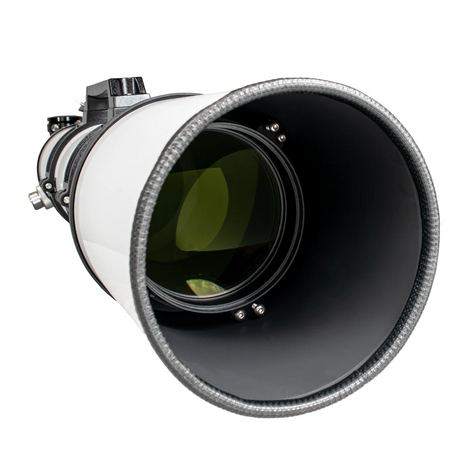
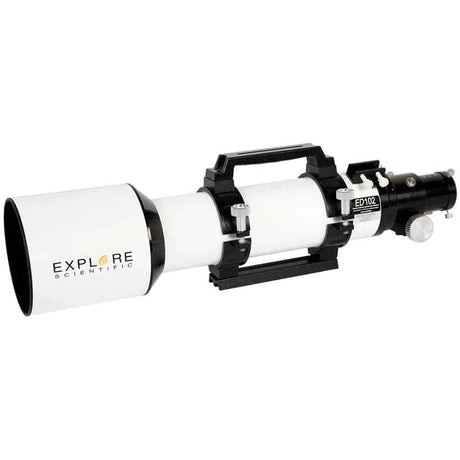
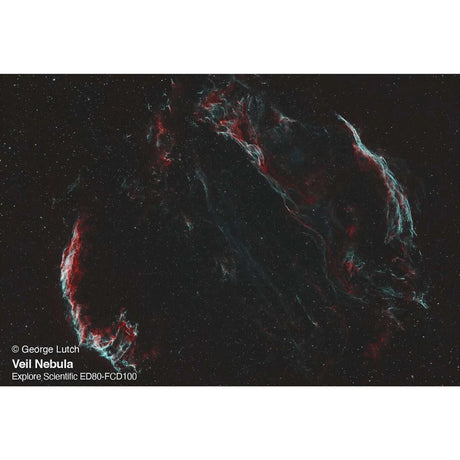
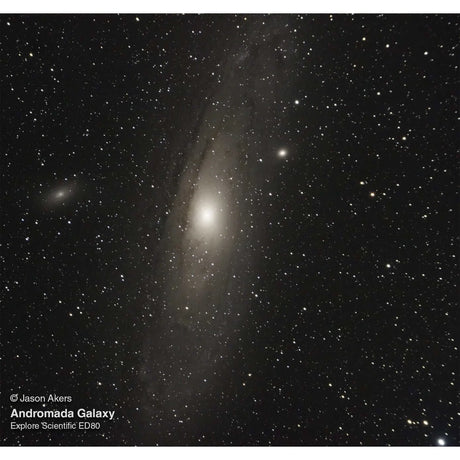
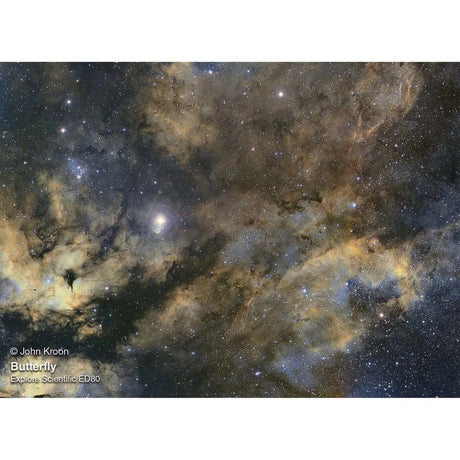
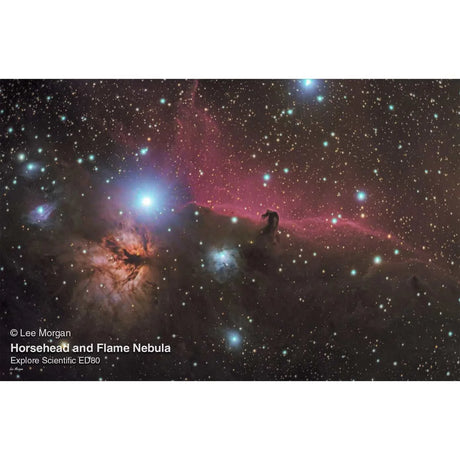
For deep-sky photography, use an ED triplet on a tracking mount. The ED80 and ED102 are tubes alone, and the FirstLight 80 Go-To Tracker combos pair an 80 mm refractor with the iEXOS-100.
A first telescope
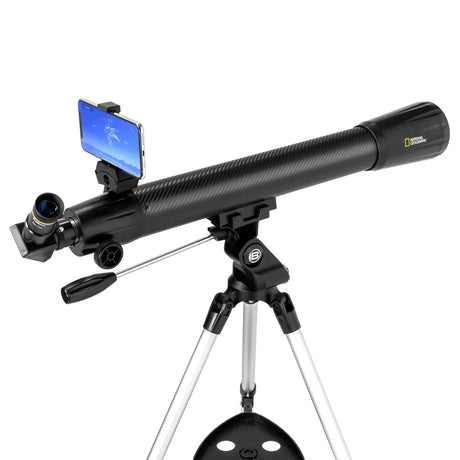
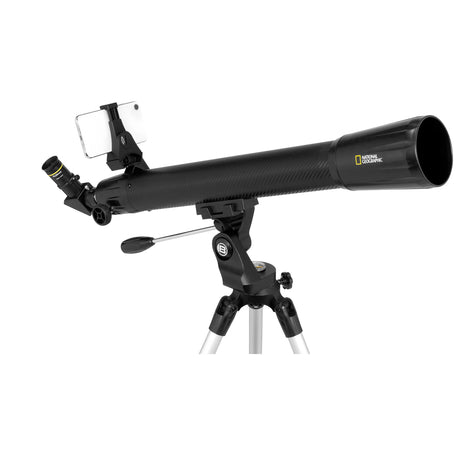
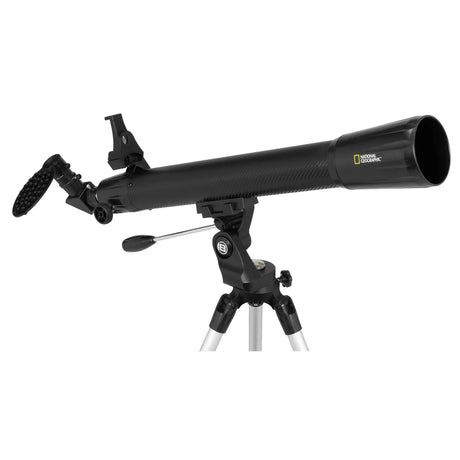
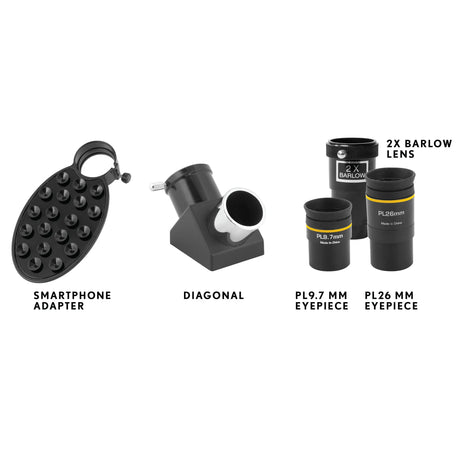
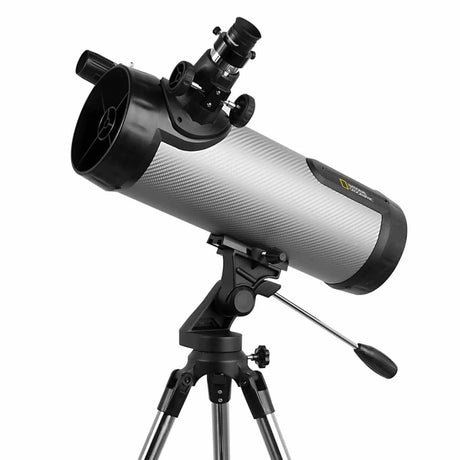
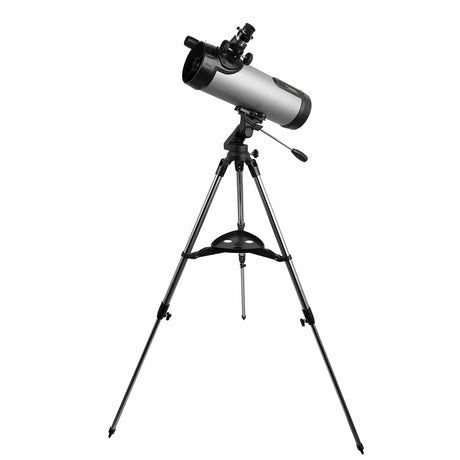
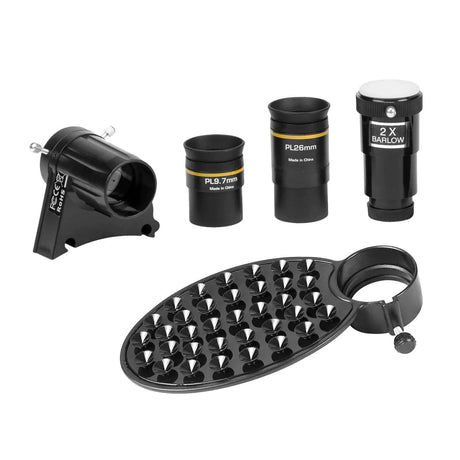
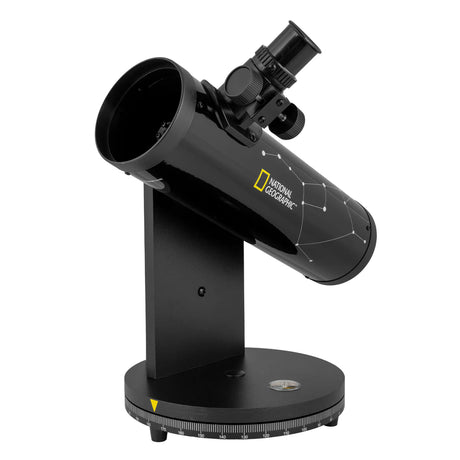
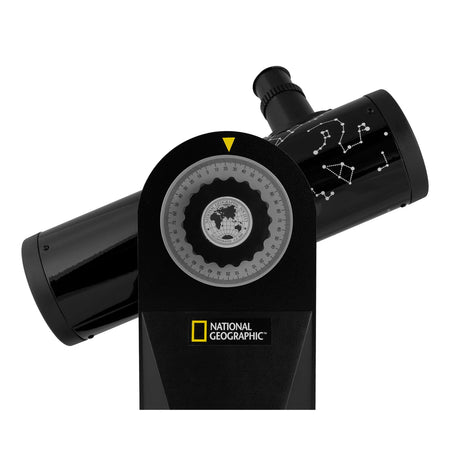
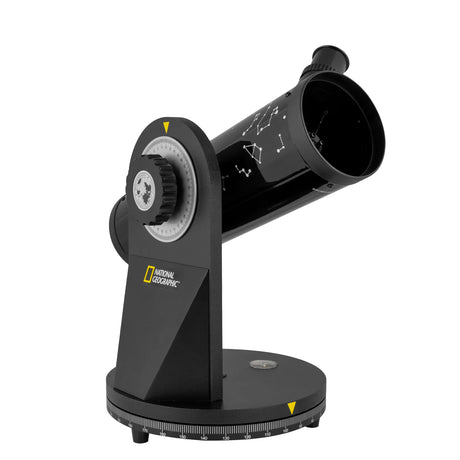
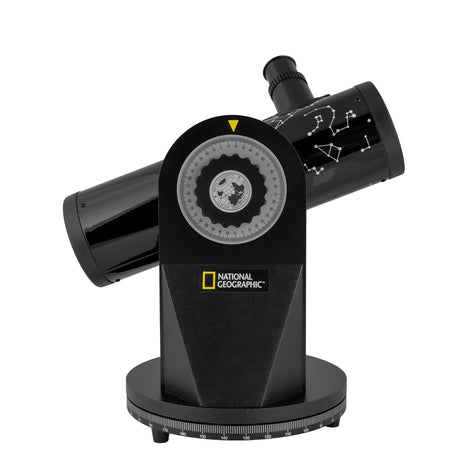
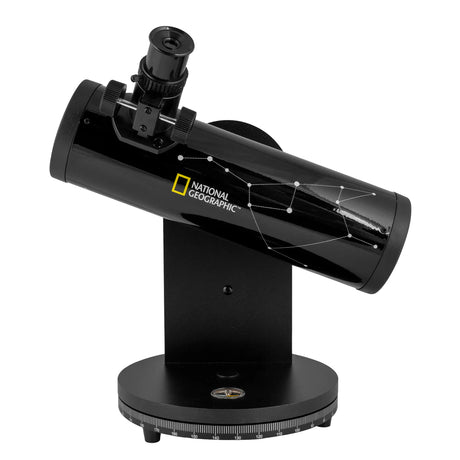
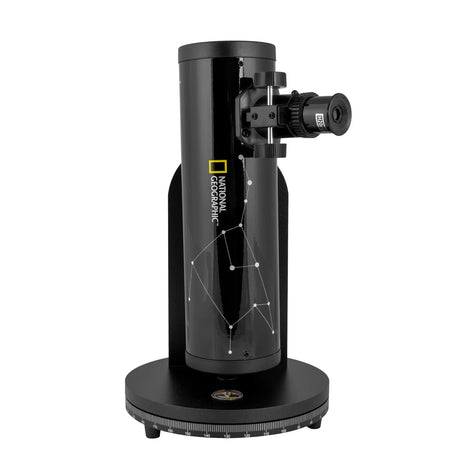
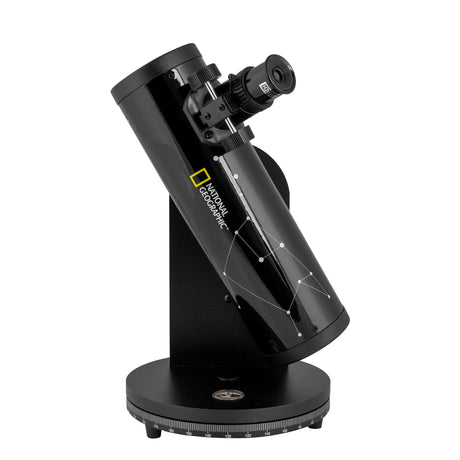
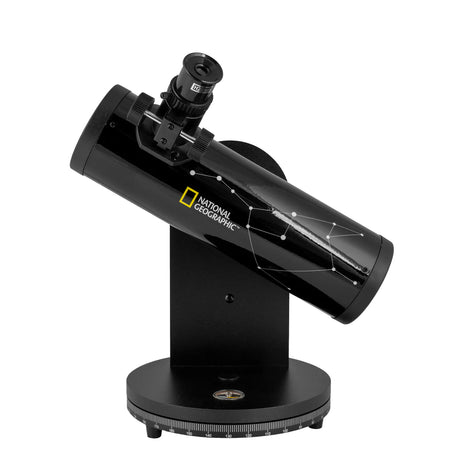
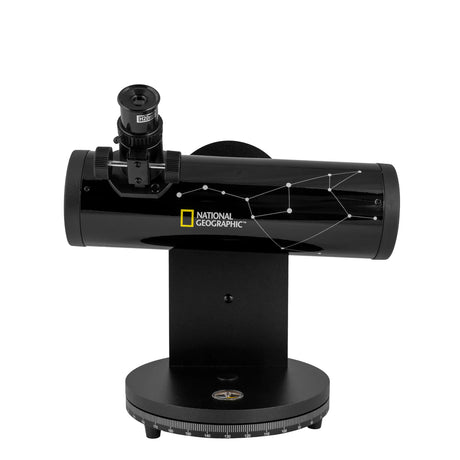
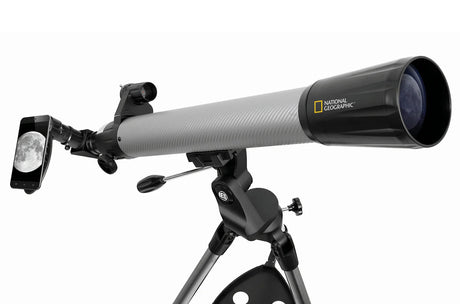
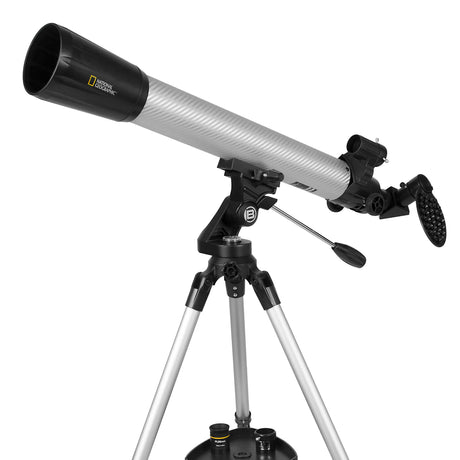
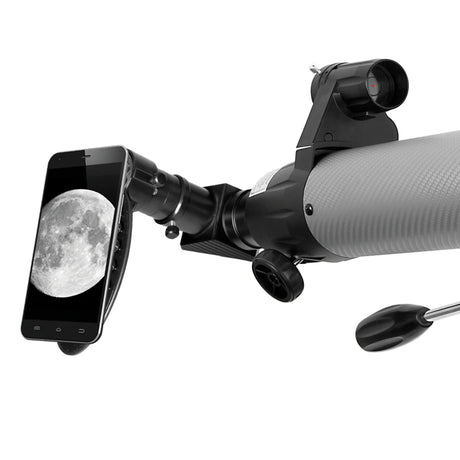
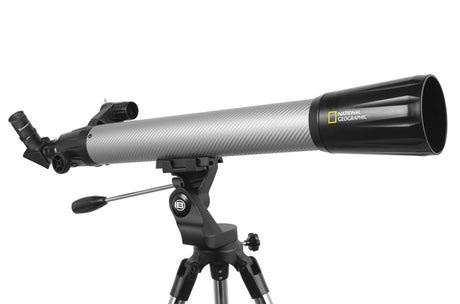
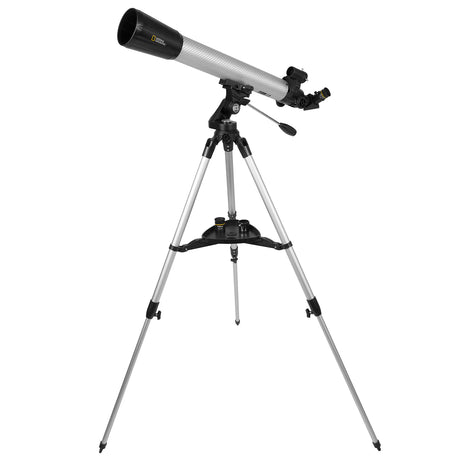
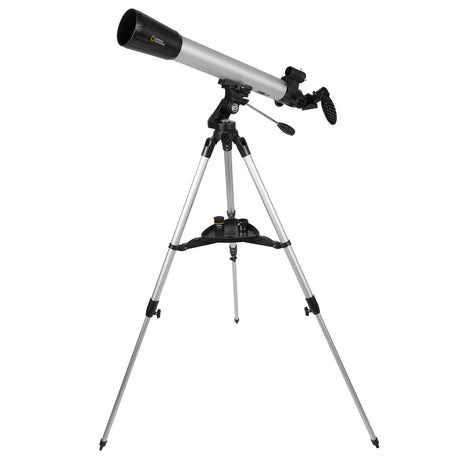
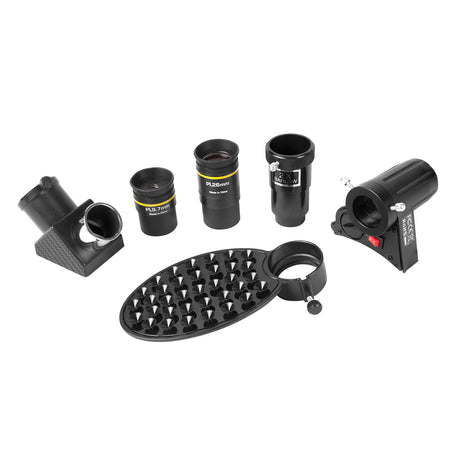
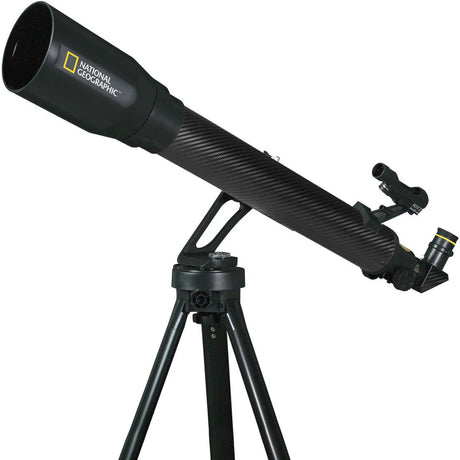
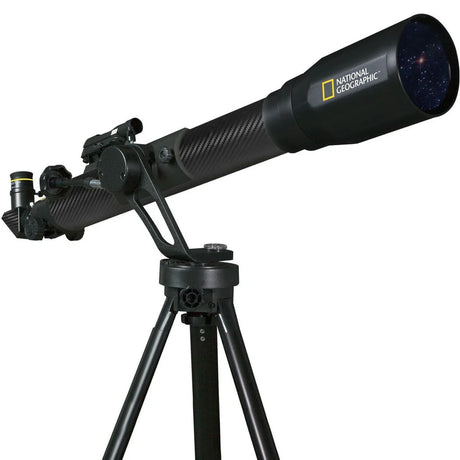
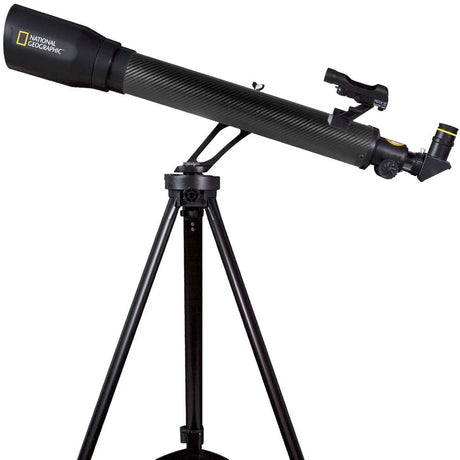
The smaller kits, from National Geographic's 70 mm refractors to the 6-inch Tabletop Dobsonian, come complete with a mount and suit a first night out.
Frequently Asked Questions
Is a 10-inch Dobsonian worth it?
If it can live on the ground floor or in a garage, yes: a 10-inch gathers about 47 percent more light than an 8-inch, for about 7 pounds more.
Which need a separate mount?
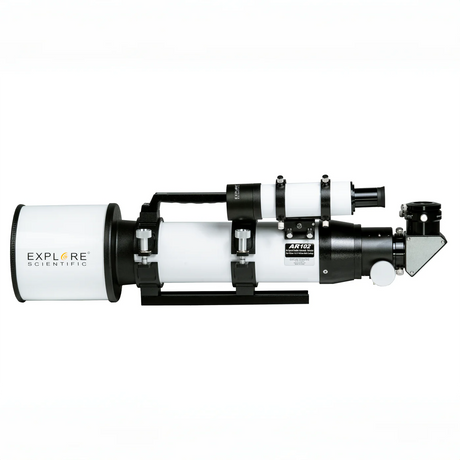
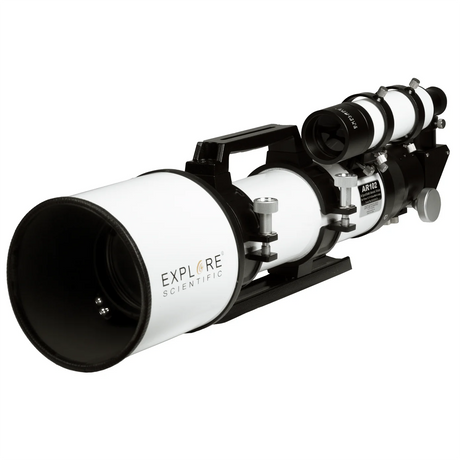
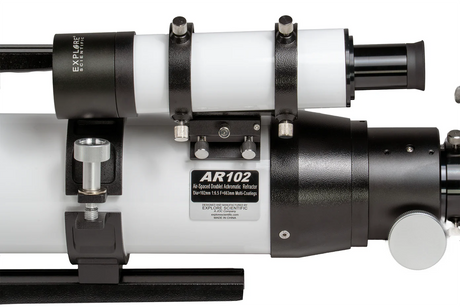
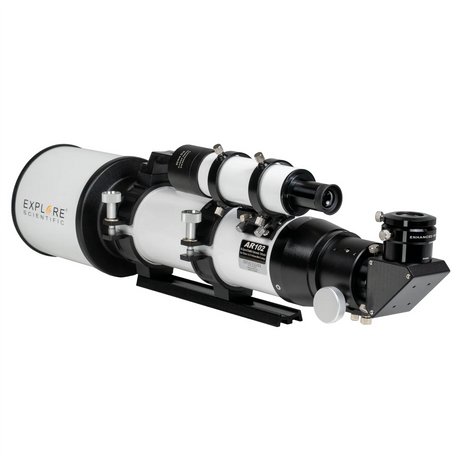
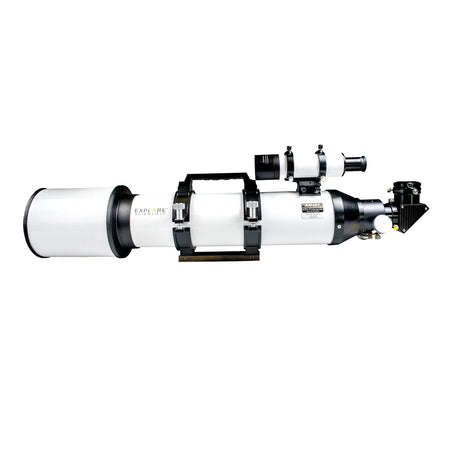
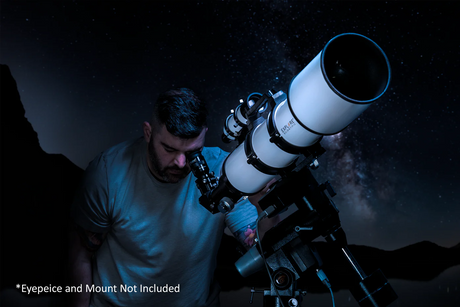
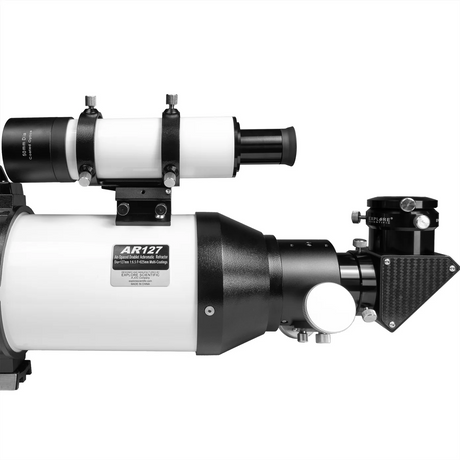
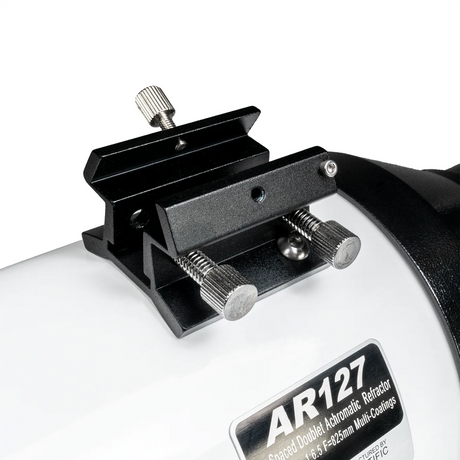
The ED80, ED102, AR102, AR127 and the FirstLight 127 Maksutov are sold as tubes alone, for a mount you choose.
Which is best for imaging?
An ED triplet on a tracking mount, such as the ED80 or ED102 on an iEXOS-100 or EXOS2-GT.
For the entry tier, browse our entry-level telescopes, and for the next step, our intermediate telescopes.