

What to look for
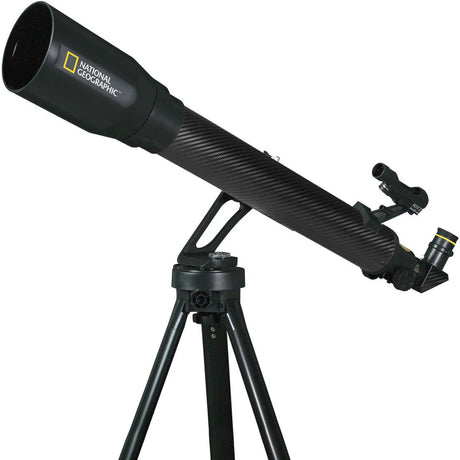
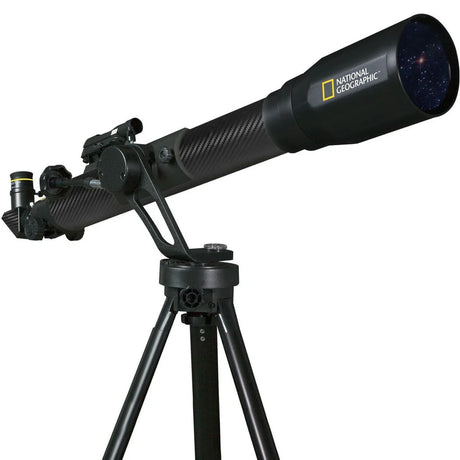
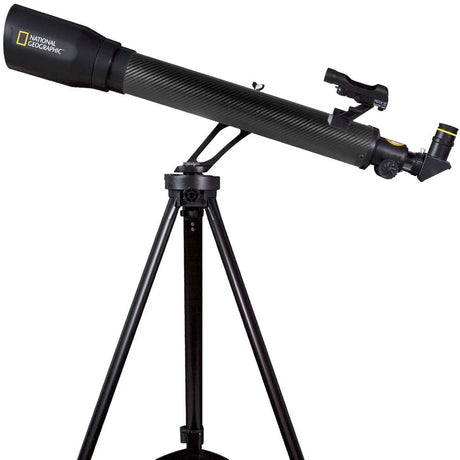
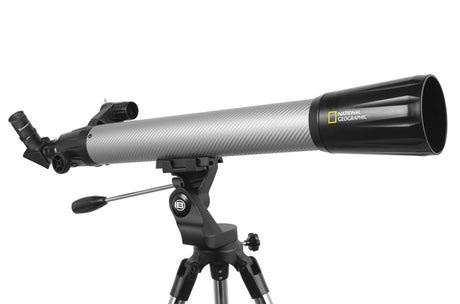
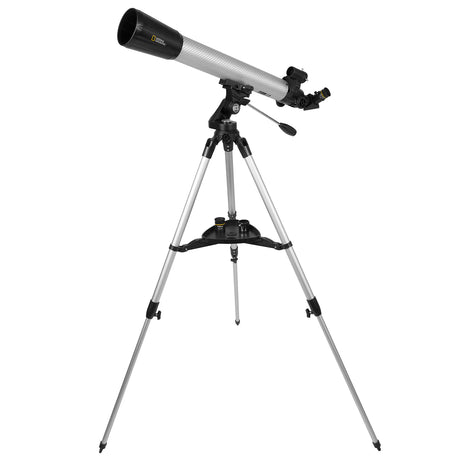
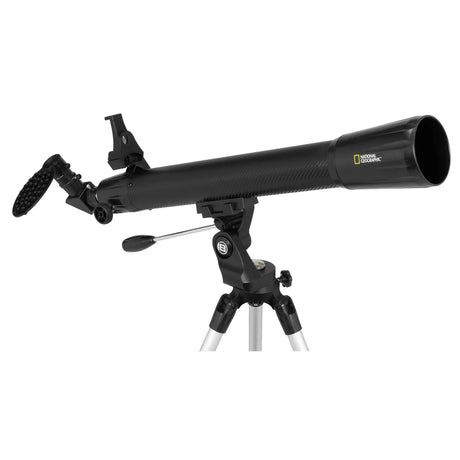
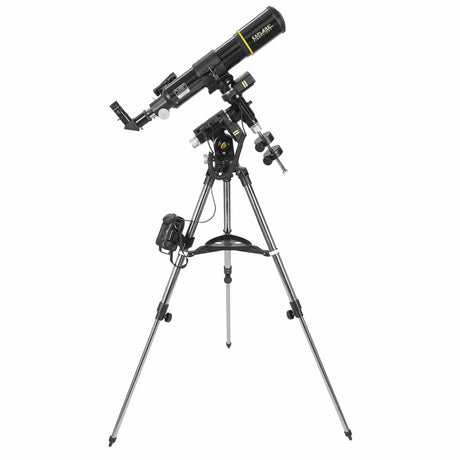
Favor a steady mount and real aperture over big magnification claims. A 70 mm refractor shows Saturn's rings and Jupiter's belts and moons, a 100 mm Maksutov such as the FirstLight 100mm f/14 gives the high magnification the planets need, and a 114 mm reflector or the 6-inch Tabletop Dobsonian gathers the most light for star clusters and nebulae.
Refractor, reflector or Maksutov?
A refractor is the low-maintenance choice for the Moon and planets. A reflector gives the most aperture for the money, but its mirrors need lining up now and then. A Maksutov folds a long focal length into a short tube, which suits the planets.
The telescopes here
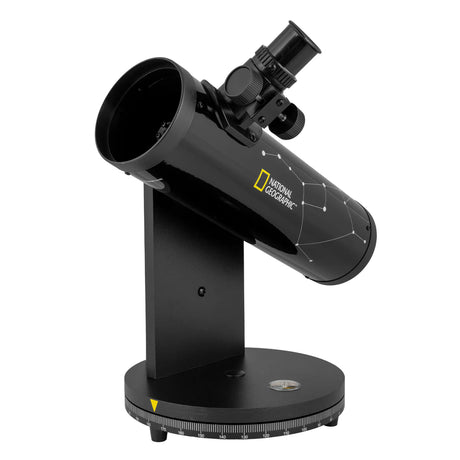
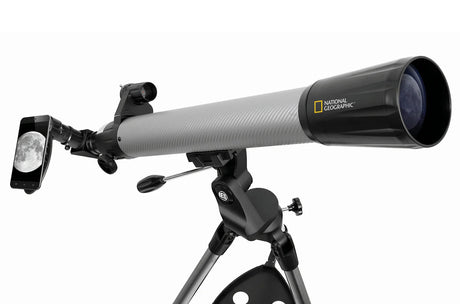
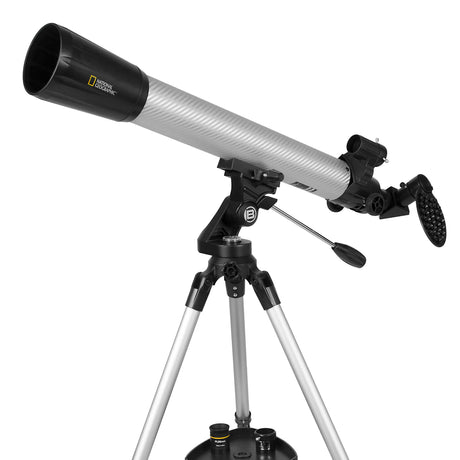
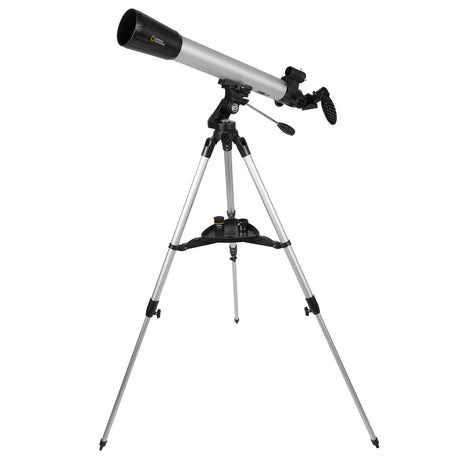
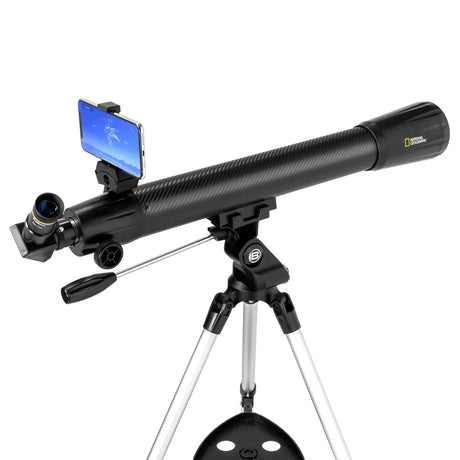
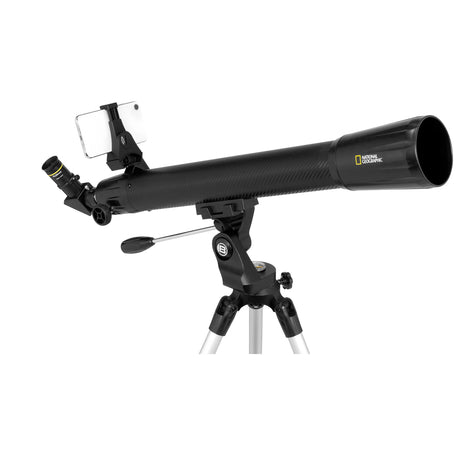
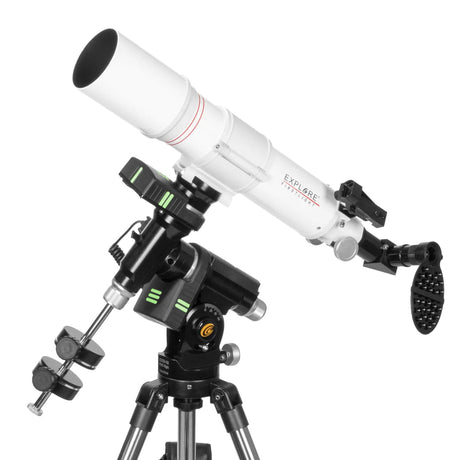
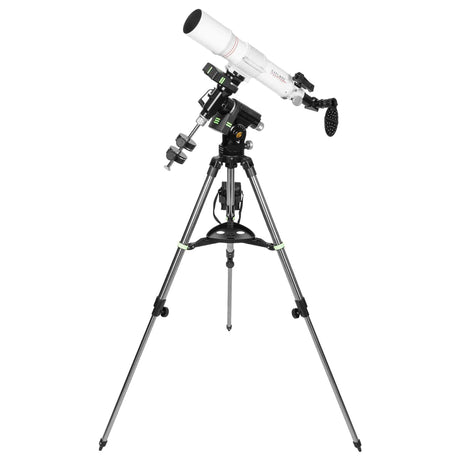
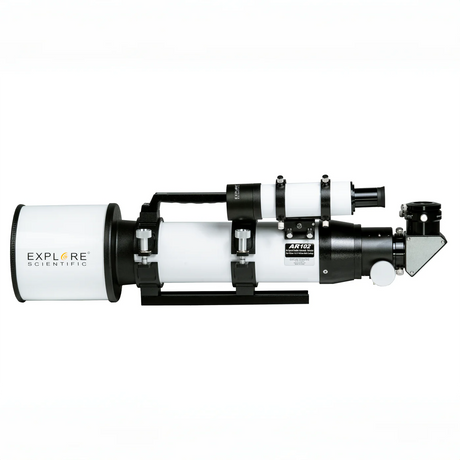
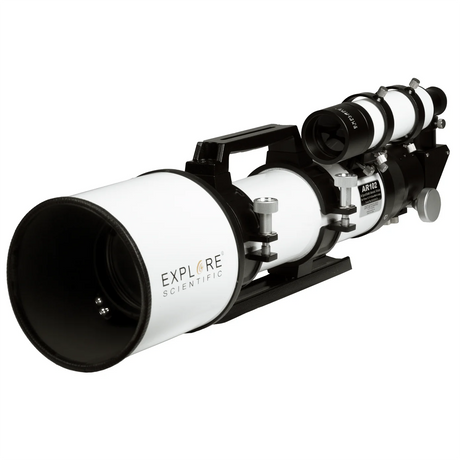
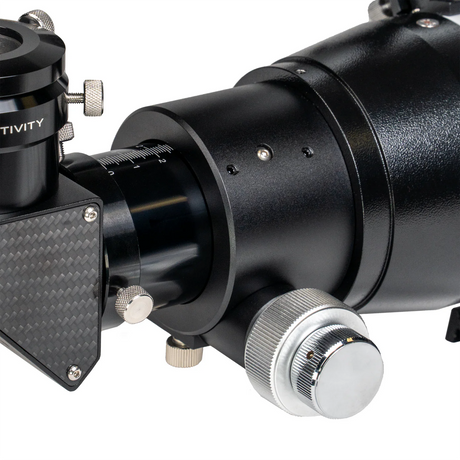
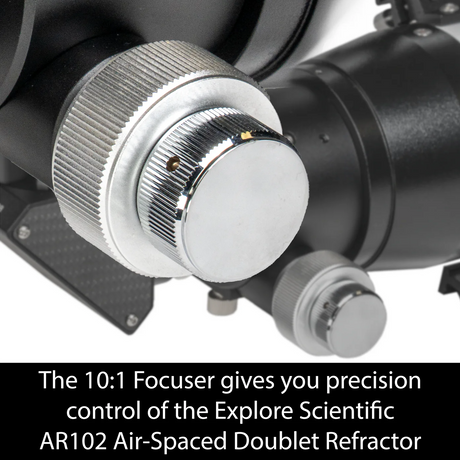
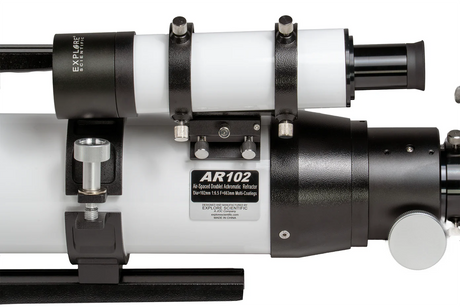
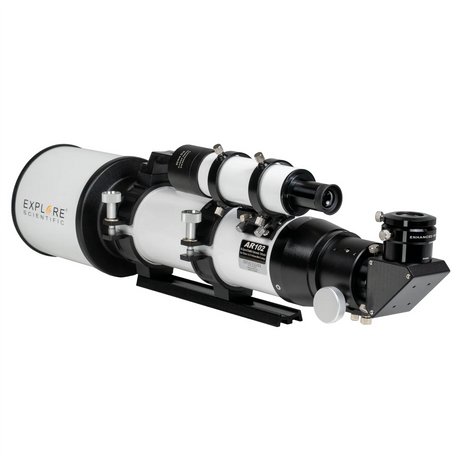
- Refractors: National Geographic's 70 mm models, the FirstLight 80mm f/8 Go-To Tracker combos and the Explore Scientific AR102.
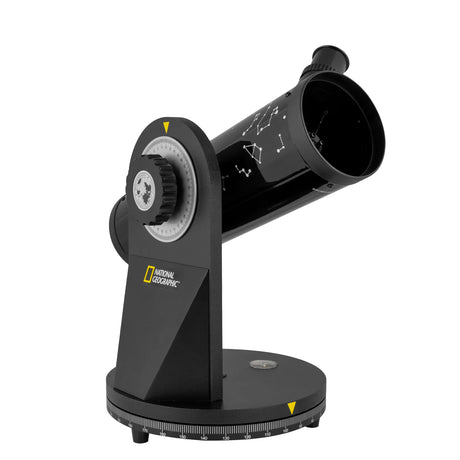
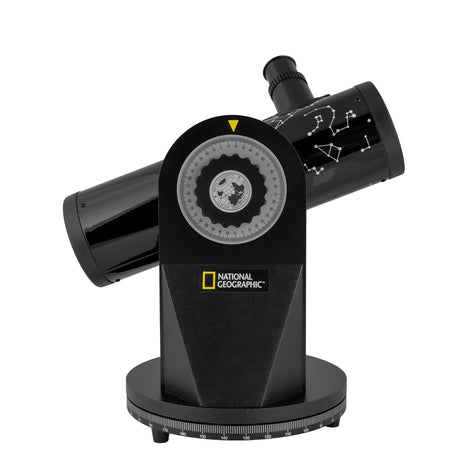
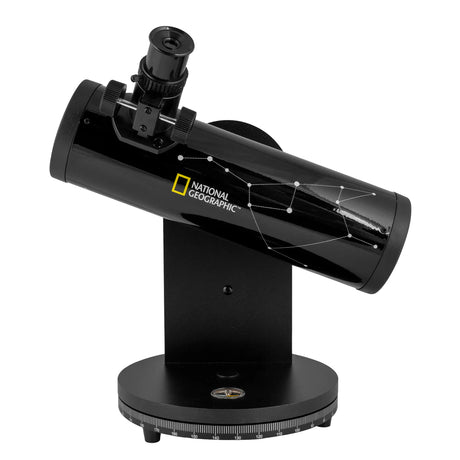
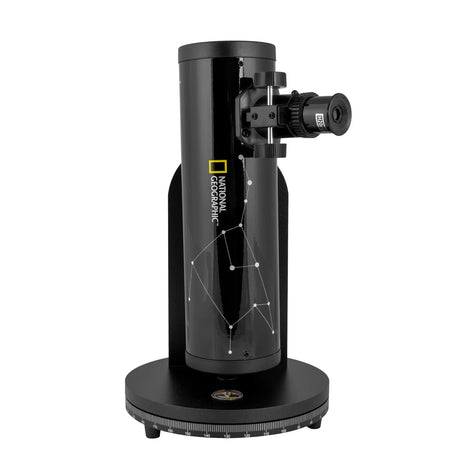
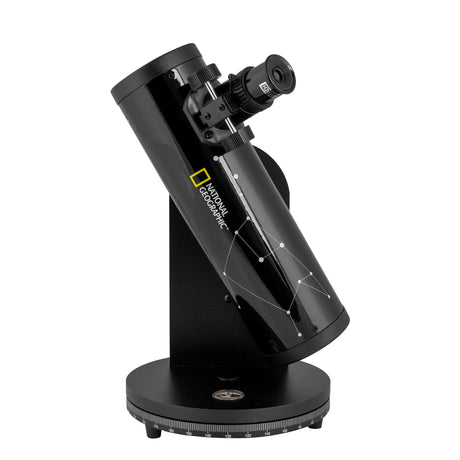
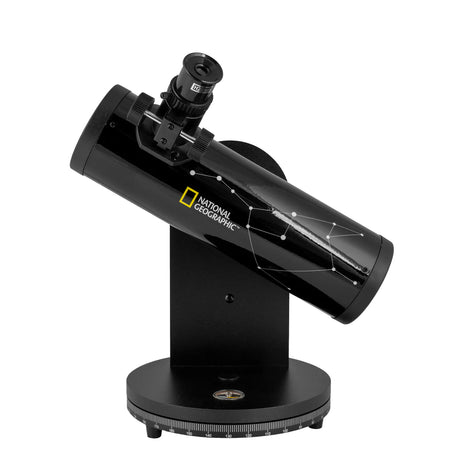
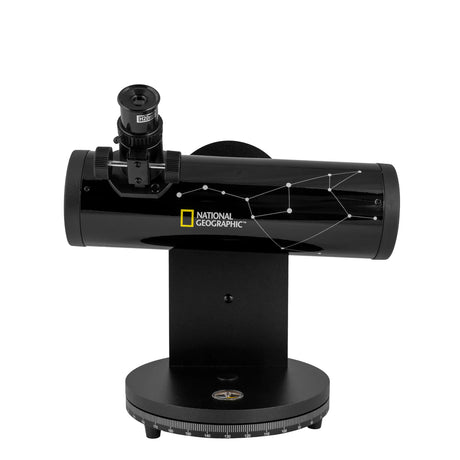
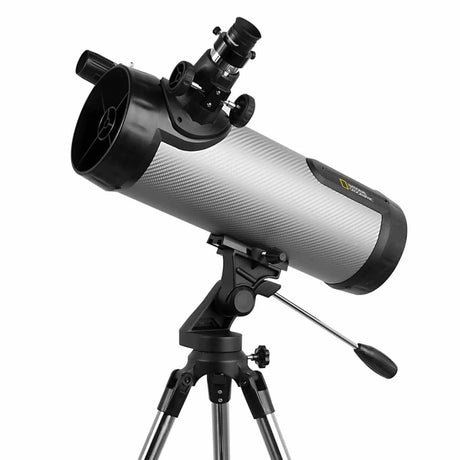
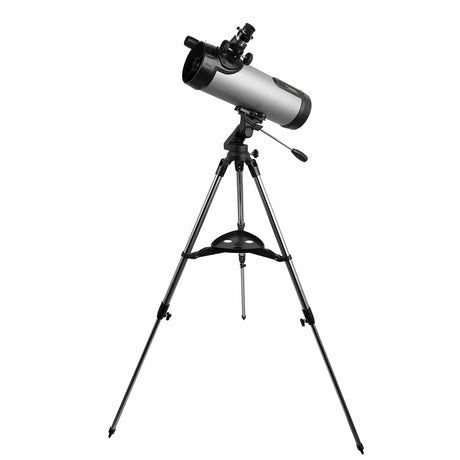
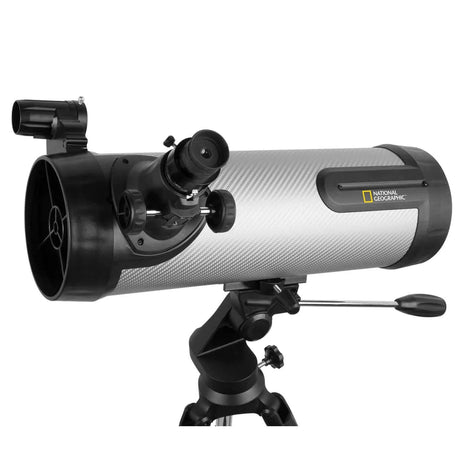
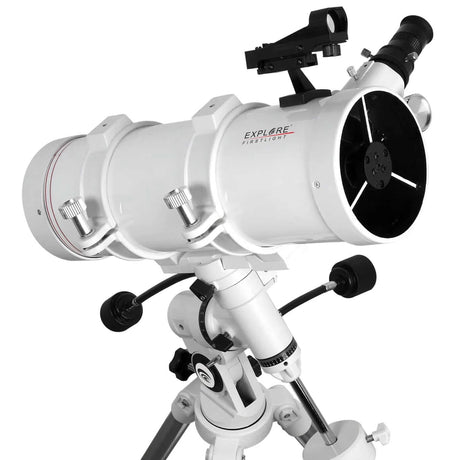
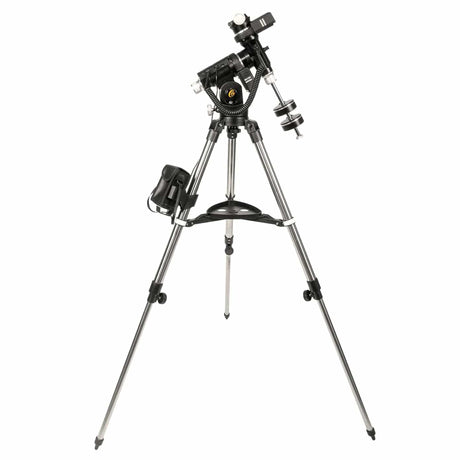
- Reflectors: the National Geographic 76 mm and NT114PH, the FirstLight 114mm on an EQ3 mount and the Explore Scientific 6-inch f/5 Tabletop Dobsonian.
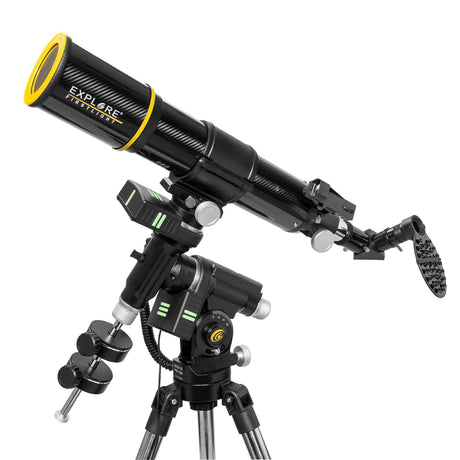
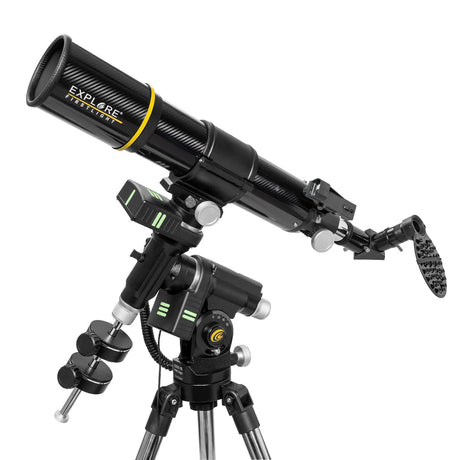
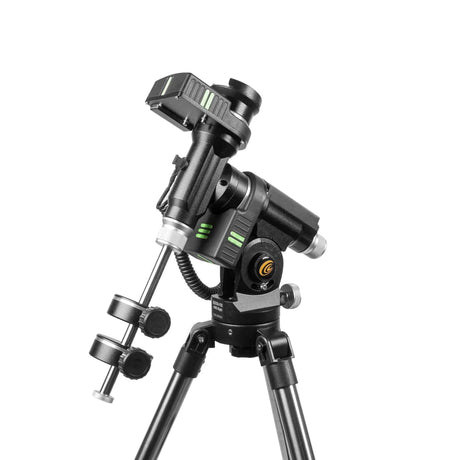
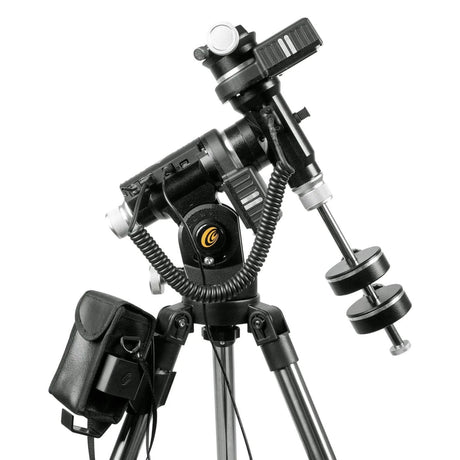
- Maksutov-Cassegrains: the FirstLight 100mm on its Twilight Nano mount, and the FirstLight 127mm as a tube alone.
Frequently Asked Questions
Which is best for the planets?
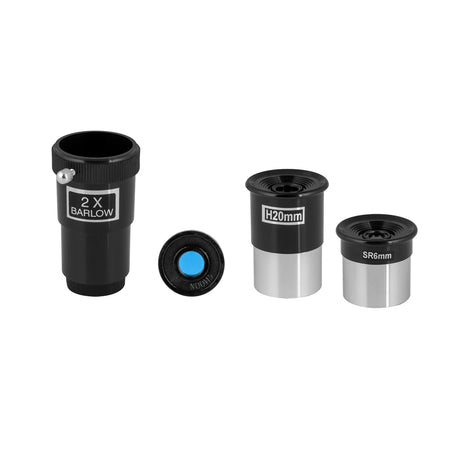
The FirstLight 100mm f/14 Mak-Cassegrain: its 1,400 mm focal length reaches planetary magnification with ordinary eyepieces, and it is the value pick for planets in our Jupiter guide.
Which gathers the most light?
The 6-inch Tabletop Dobsonian, with 152 mm of aperture, which brings out more of the faint star clusters and nebulae.
Do any need a separate mount?
Yes. The FirstLight 127mm Mak and the AR102 are sold as optical tubes alone, for a mount you choose.
How much magnification is useful?
About 2x per millimeter of aperture: roughly 140x for a 70 mm telescope and 230x for a 114 mm. A small scope sold on a much bigger number cannot deliver it sharply.
For what each size shows, read Minimum Telescope Size to See Saturn's Rings Clearly.