












What the extra aperture shows
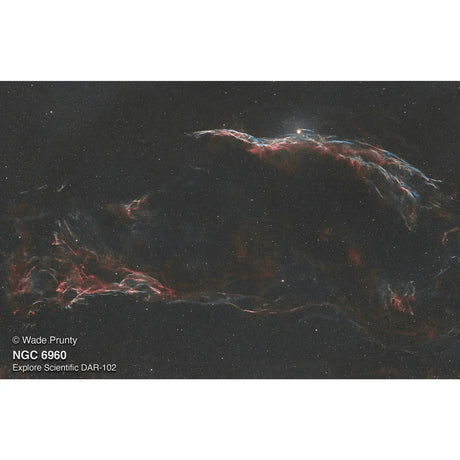
Aperture is the most important number on a telescope: it sets how much light the scope collects, what you can see and how sharp the image is. Past 100 mm the planets show finer detail on steady nights, and from about 130 mm a telescope has the aperture for star clusters, nebulae and the brighter galaxies. More light also keeps the image bright at the high powers the planets need.
How to choose
Refractor, reflector or Maksutov
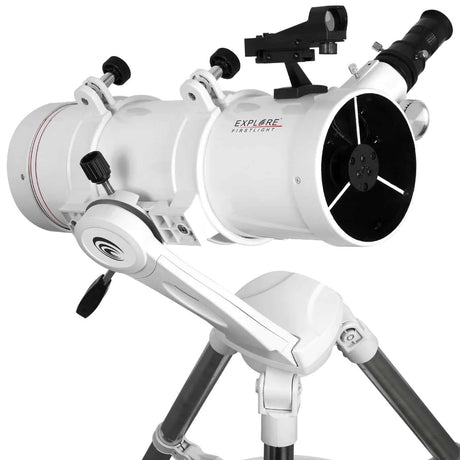
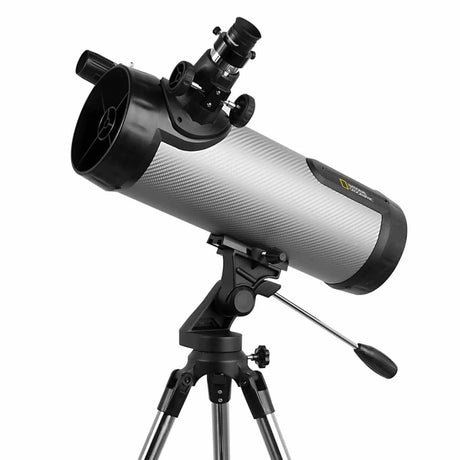
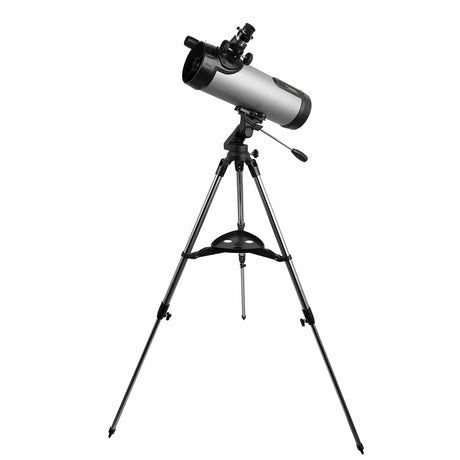
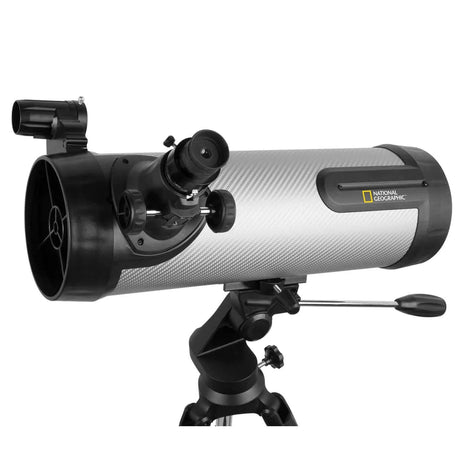
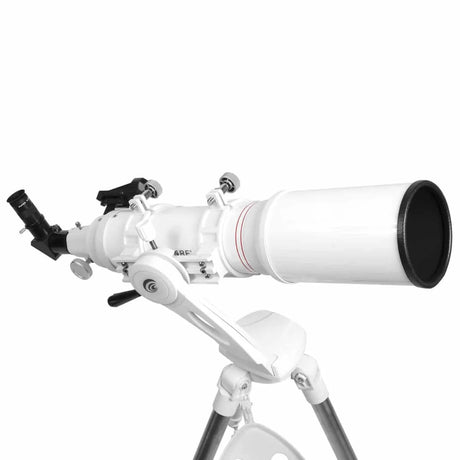
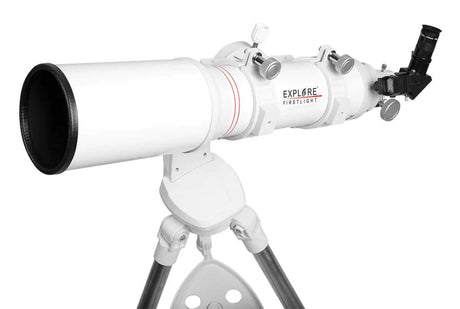
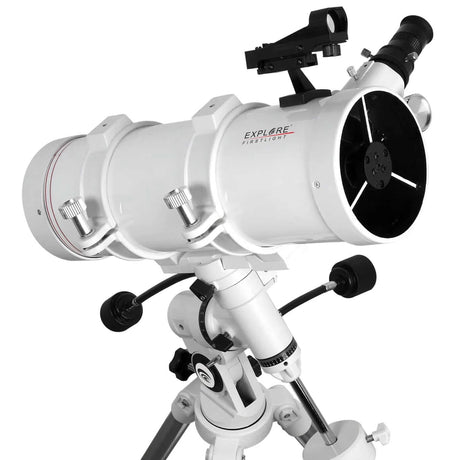
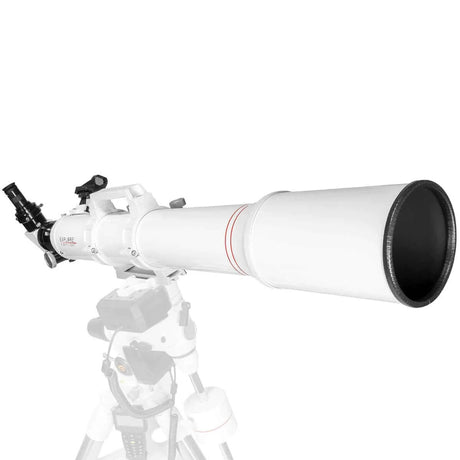
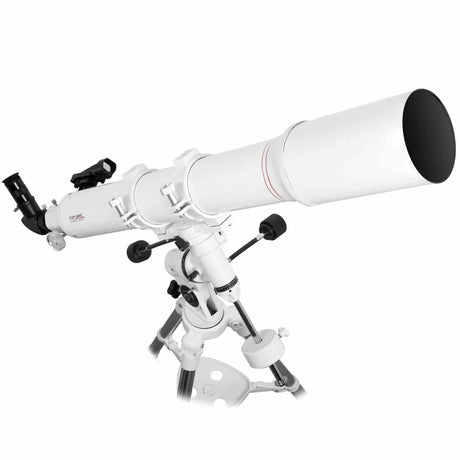
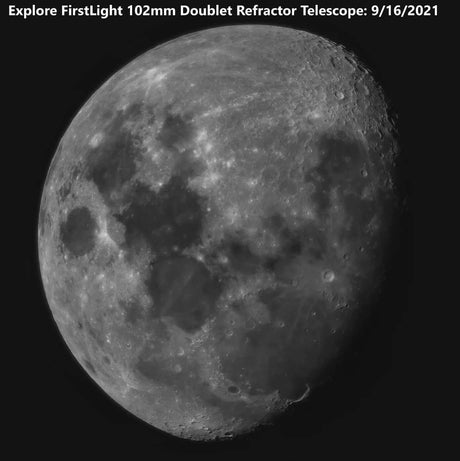
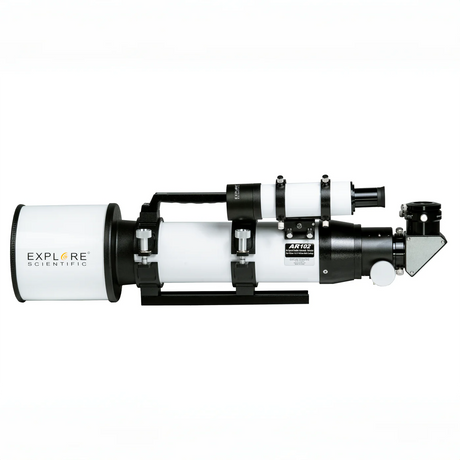
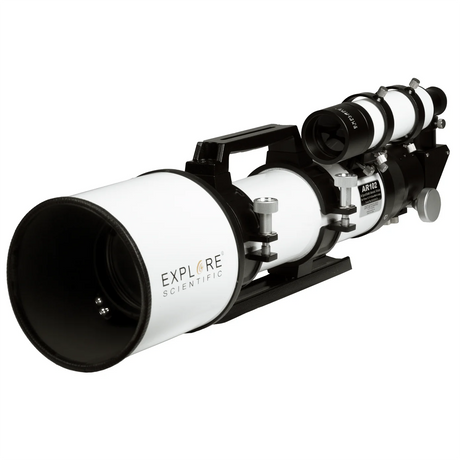
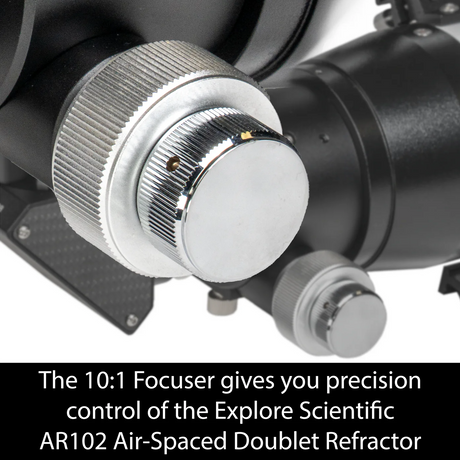
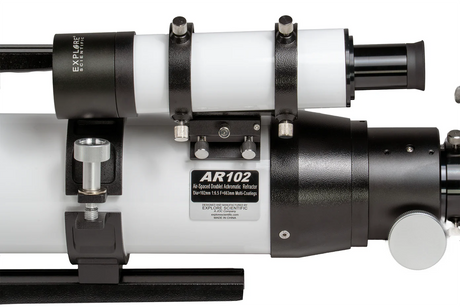
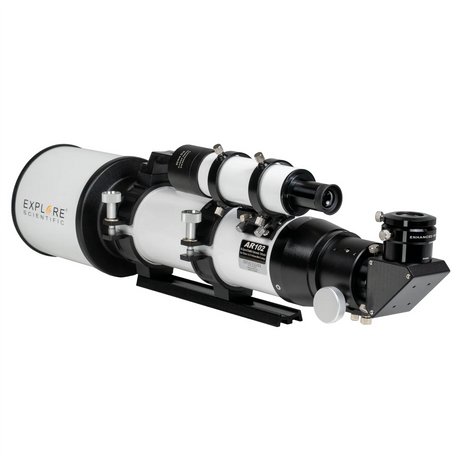
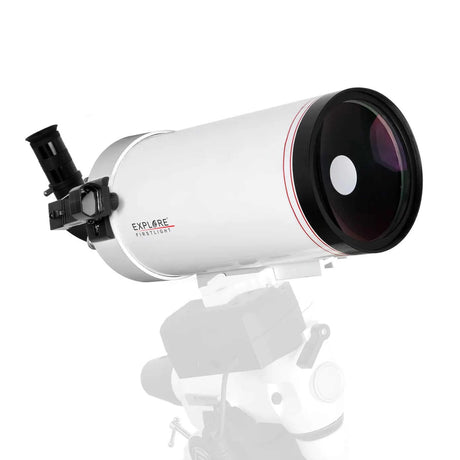
The Newtonian reflectors, from 114 mm up to the 6-inch tabletop Dobsonian, give the most aperture for the money. The AR doublet and ED triplet refractors, from 102 to 152 mm, need little upkeep and suit the Moon and planets, and the ED triplets astrophotography too. The 127 mm Maksutov-Cassegrains fold a 1,900 mm focal length into a compact tube for high power on the planets.
Complete telescope or tube alone
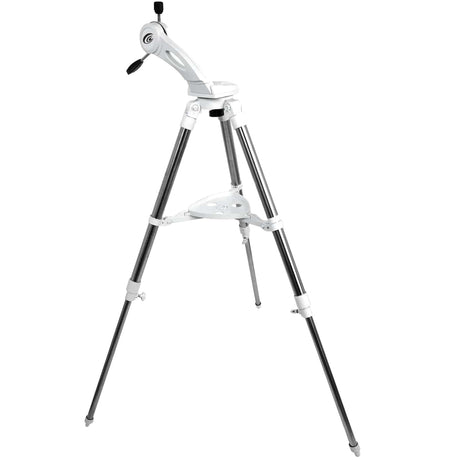
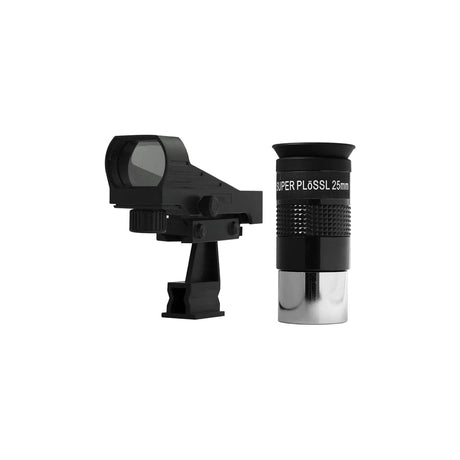
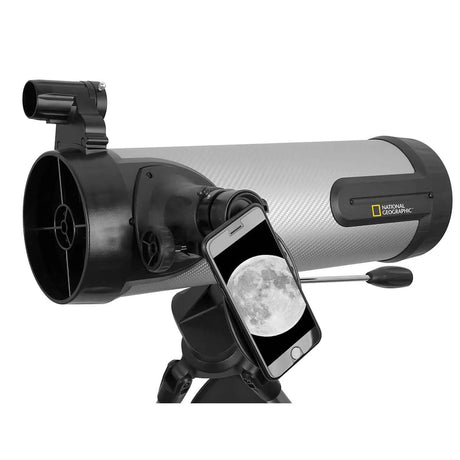
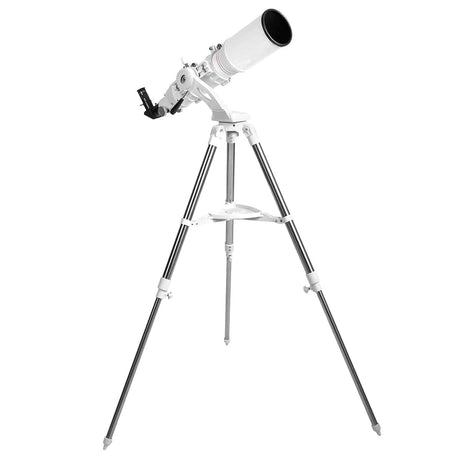
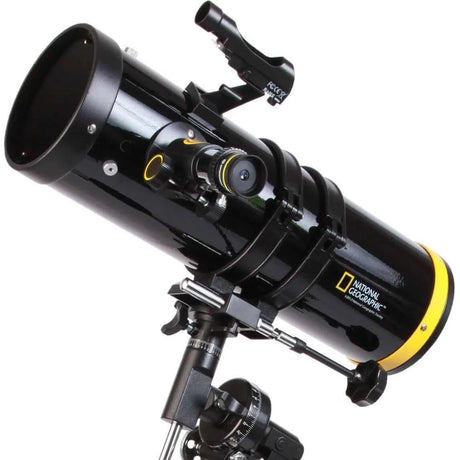
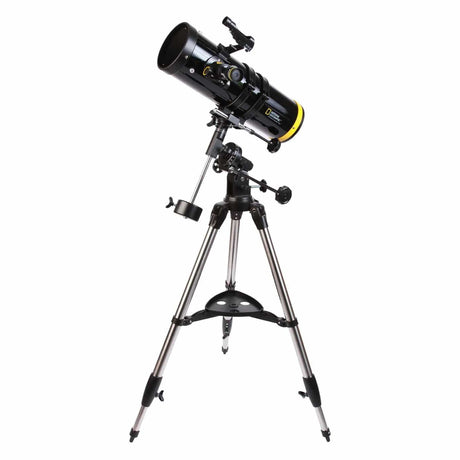
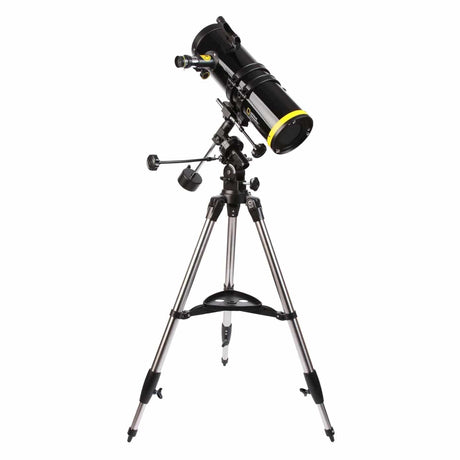
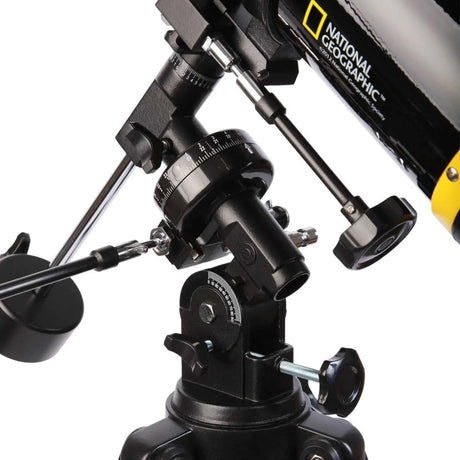
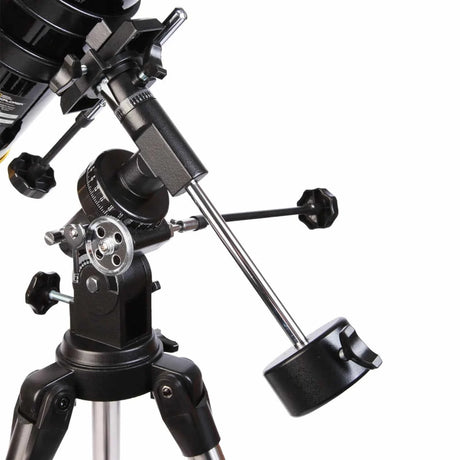
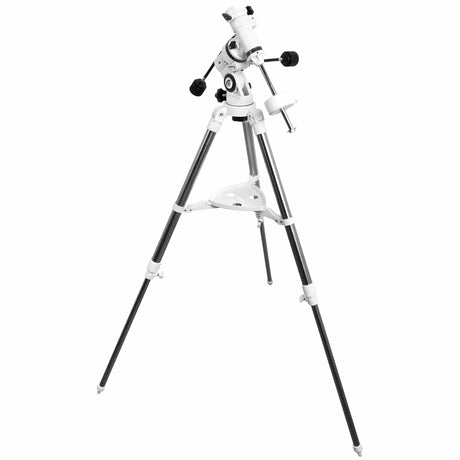
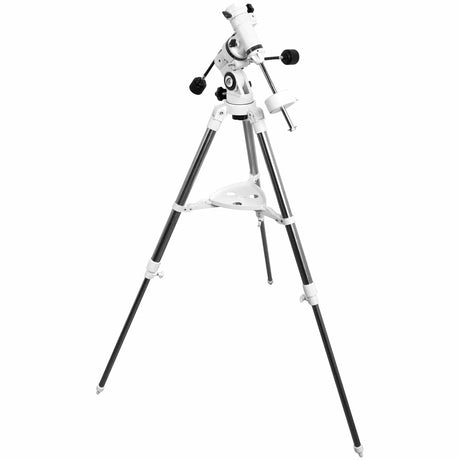
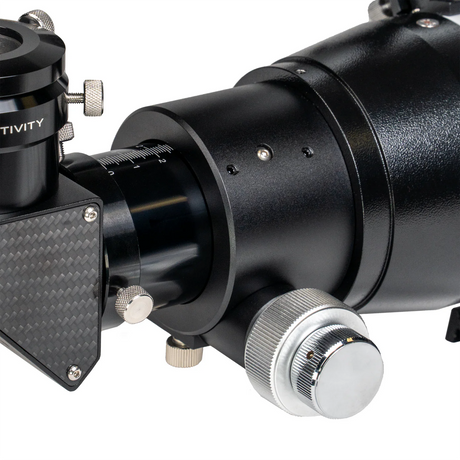
Some come complete with a mount: the Sidara packages on alt-azimuth mounts, manual or GoTo, the National Geographic 114s on alt-azimuth or equatorial mounts, the FirstLight 114 on an EQ3 and the tabletop Dobsonian on its own base. The AR, ED and FCD100 refractors and the FirstLight 127 Maksutov are tubes alone, to pair with a mount rated for their weight.
Frequently Asked Questions
Is there a 200 mm telescope here?
Not quite. The largest here are 150 and 152 mm: the Sidara Plus 150, the 6-inch Dobsonian and the AR152 and ED152 refractors. An 8-inch measures just over 200 mm, and our Explore Scientific 8-inch Dobsonians have 208 mm mirrors, so they are in our 201mm to 300mm collection.
Will I need to collimate?
The Newtonian reflectors, yes, now and then, and more often after a bump. The refractors and Maksutovs rarely need it.
Does a bigger telescope always show more?
On faint objects, yes. On the planets, only on steady nights: on an average night the air limits detail, so a 4-inch and a 10-inch often show a planet much alike, and the larger pulls ahead when the air is calm.
For the Sidara packages in this range, read Explore Scientific Sidara Telescopes Compared, and for smaller scopes, browse our 50mm to 100mm collection.