








What 50 to 100 mm shows
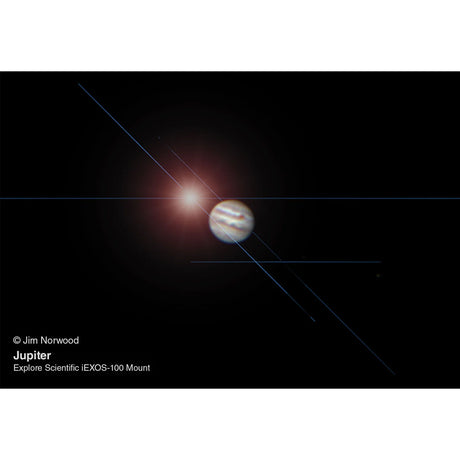
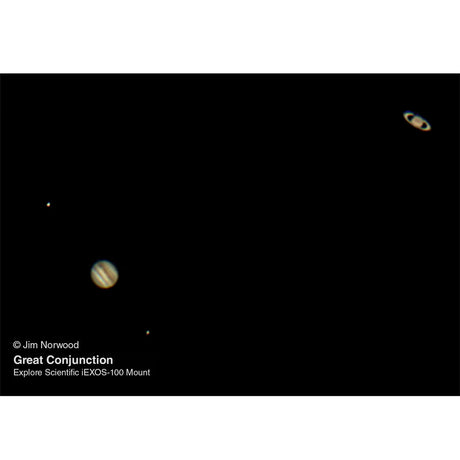
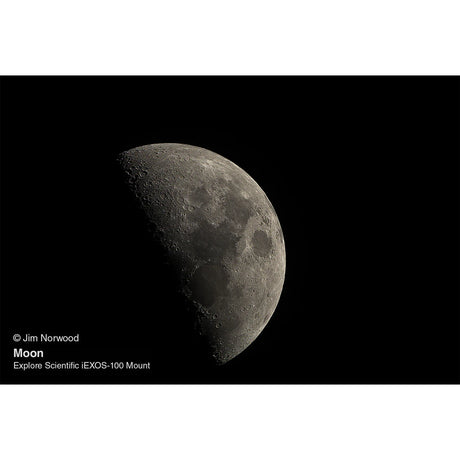
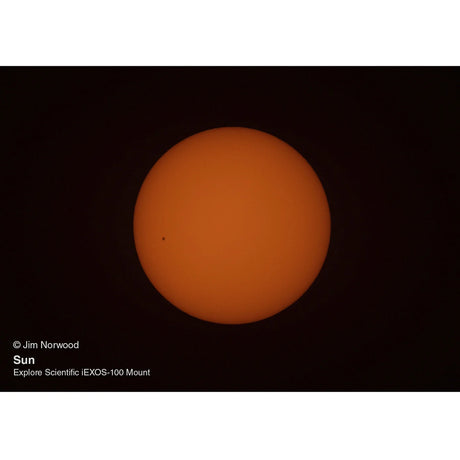
A telescope of 60 to 80 mm shows Saturn's rings, Jupiter's two main belts and its four bright moons at 40x to 100x. At 100 mm, Jupiter's Great Red Spot comes within reach when it faces Earth, at around 120x to 180x. Planets are bright enough that light pollution barely touches them, so these suit a balcony or backyard in town.
How to choose
Refractor, Maksutov or reflector
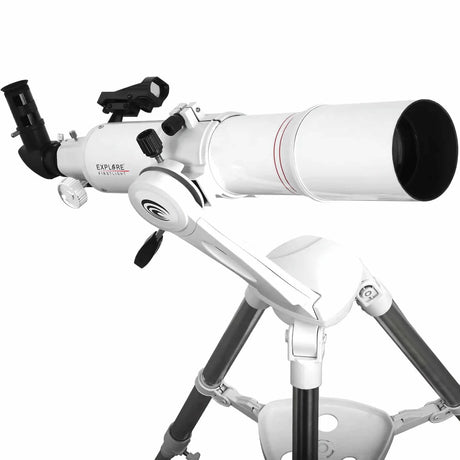
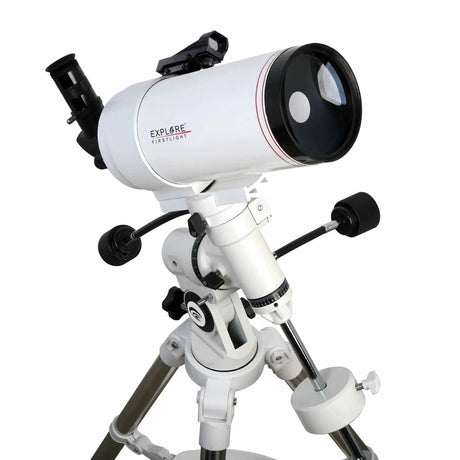
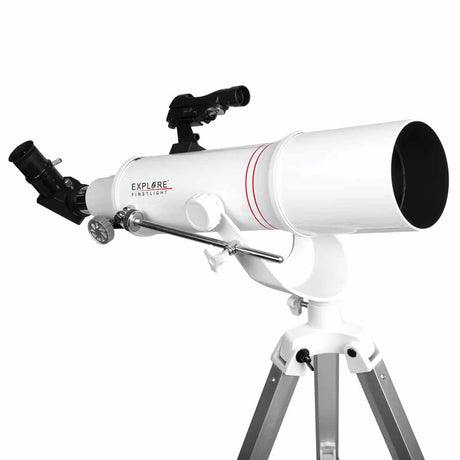
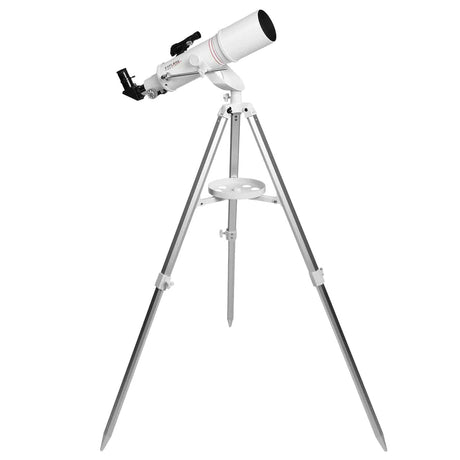
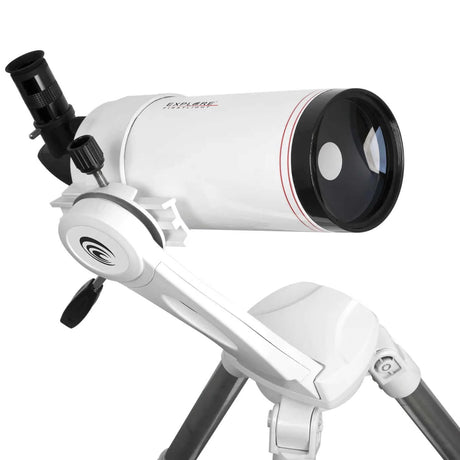
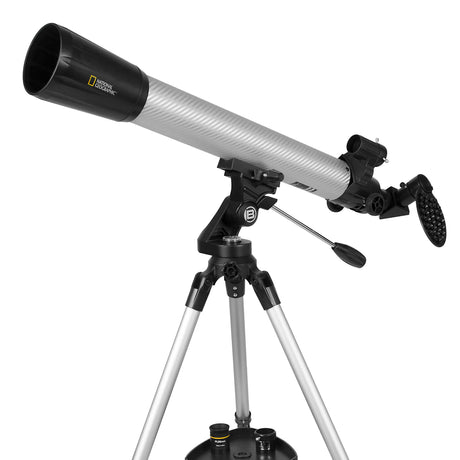
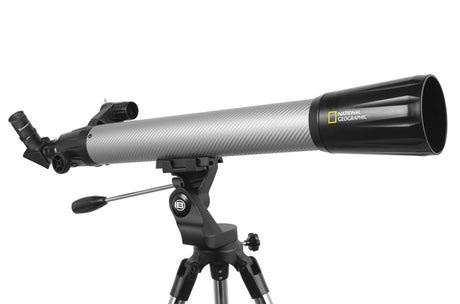
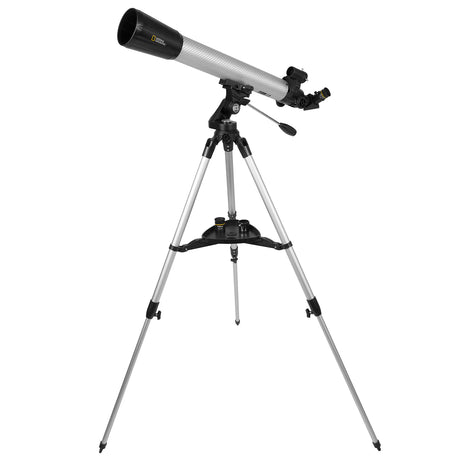
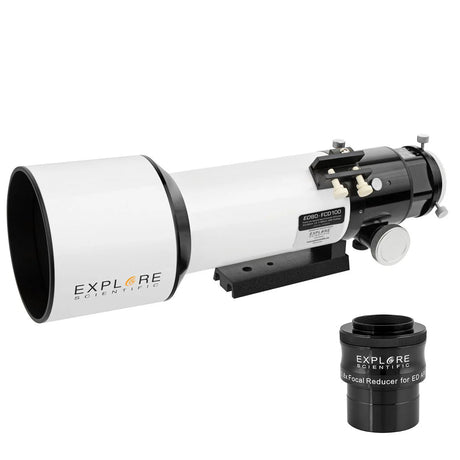
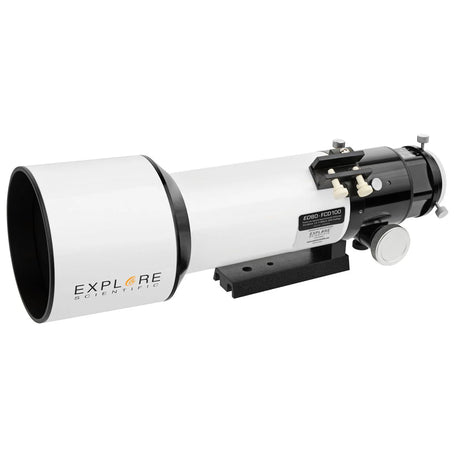
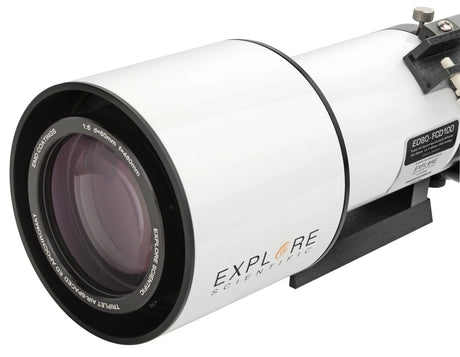
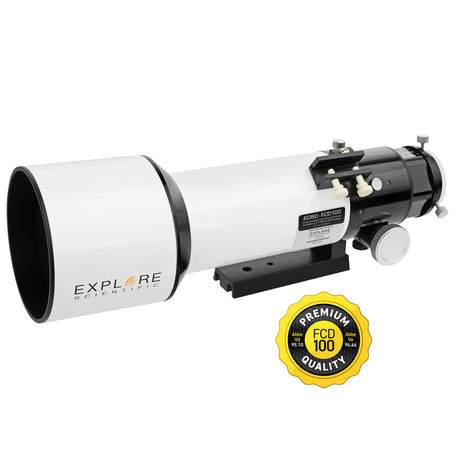
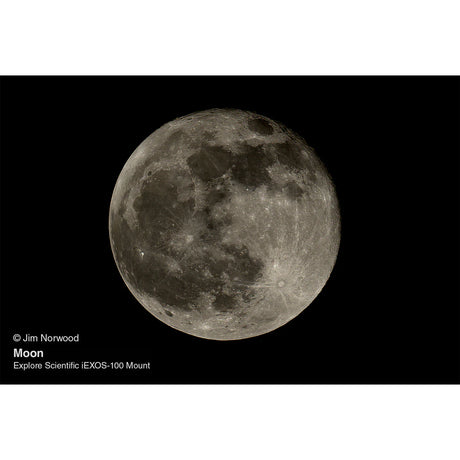
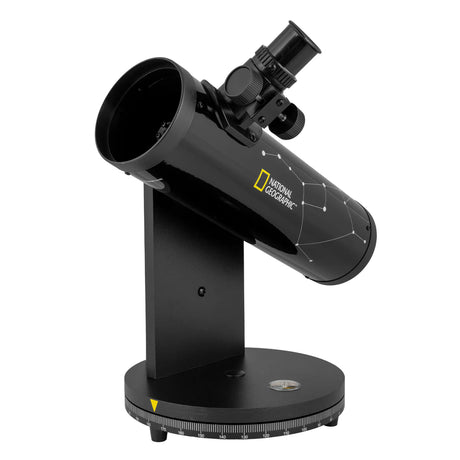
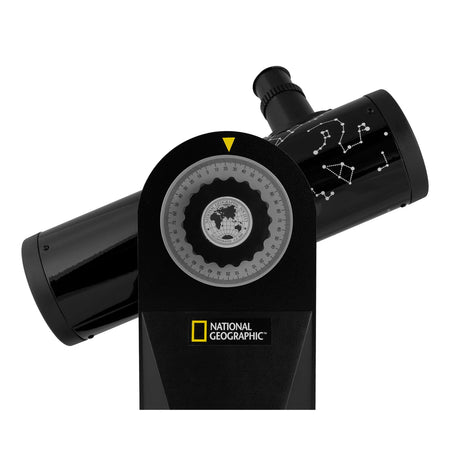
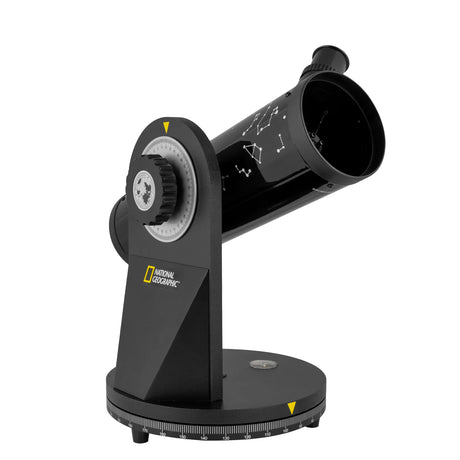
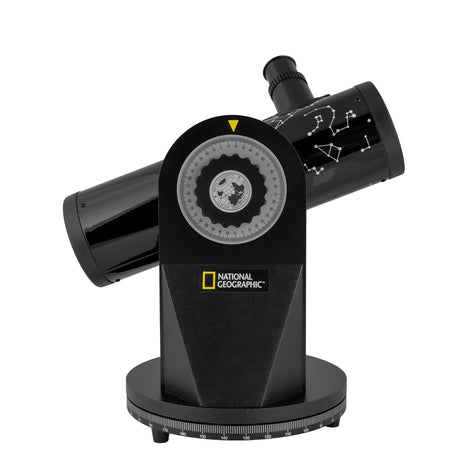
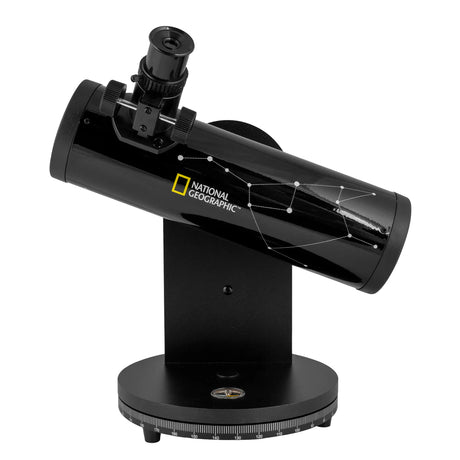
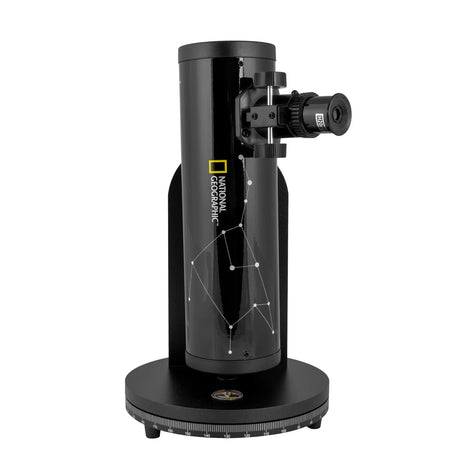
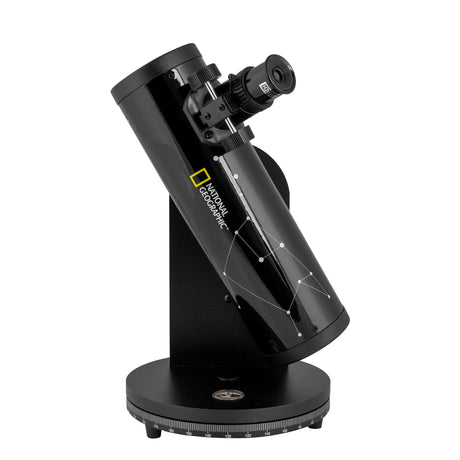
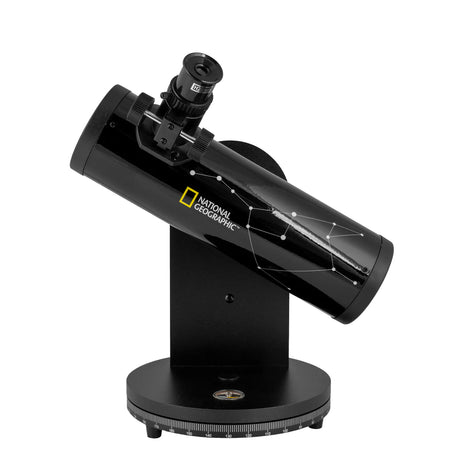
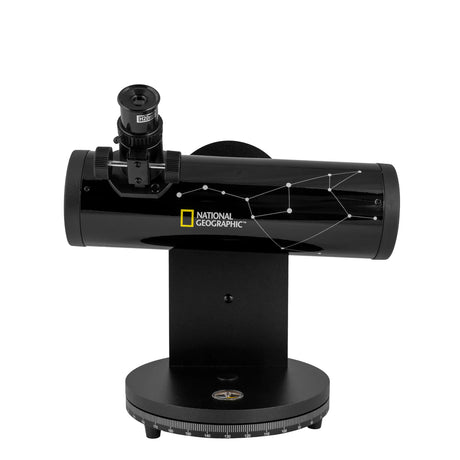
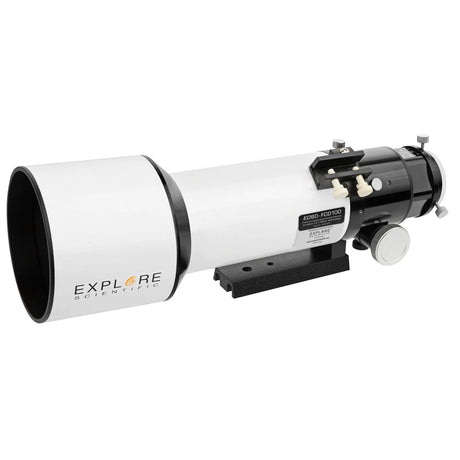
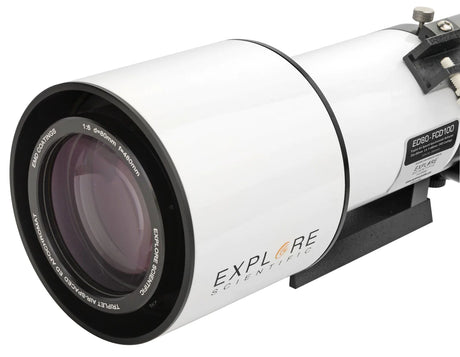
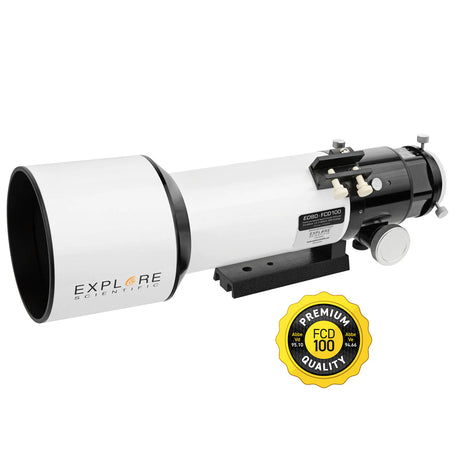
Most here are refractors, from National Geographic's 70 mm models to Explore Scientific's 80 and 90 mm doublets and ED80 triplets. The FirstLight 100 Maksutov folds 1,400 mm of focal length into a short tube at f/14 for the Moon and planets, and the National Geographic 76 mm is a compact tabletop reflector.
Mount
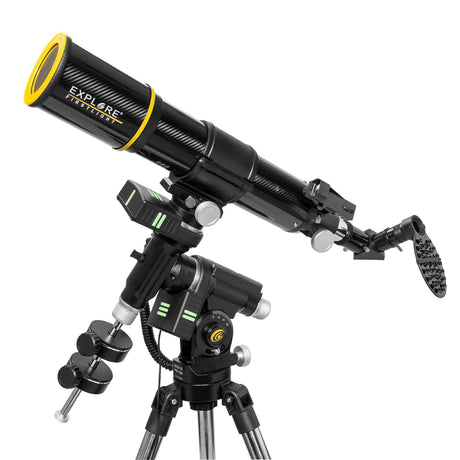
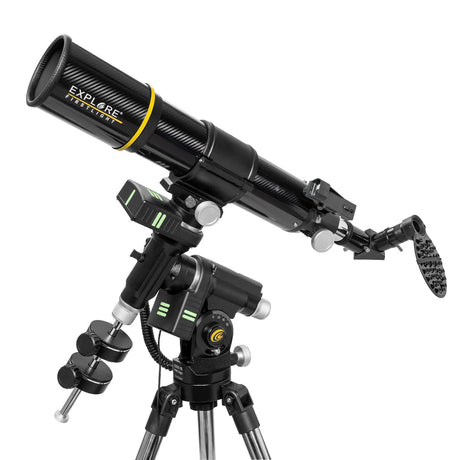
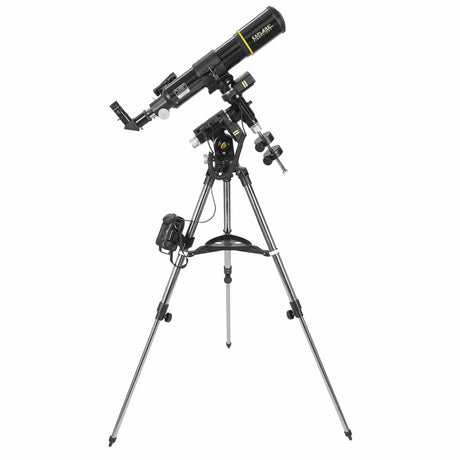
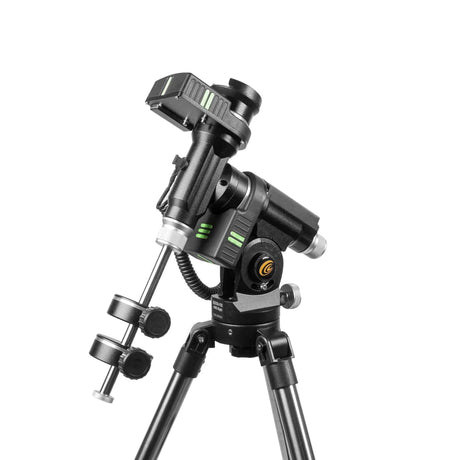
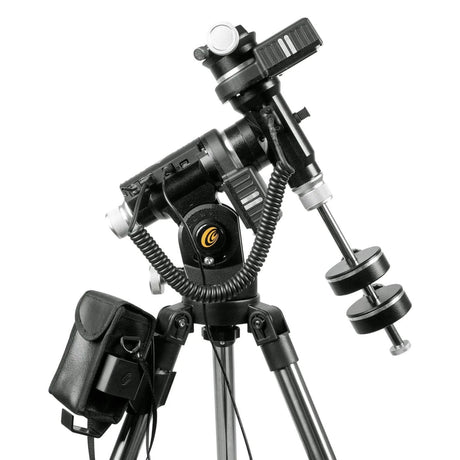
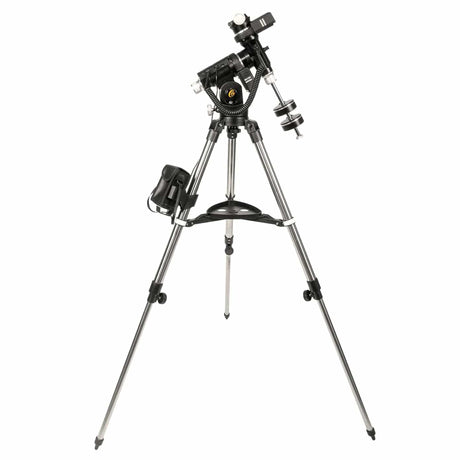
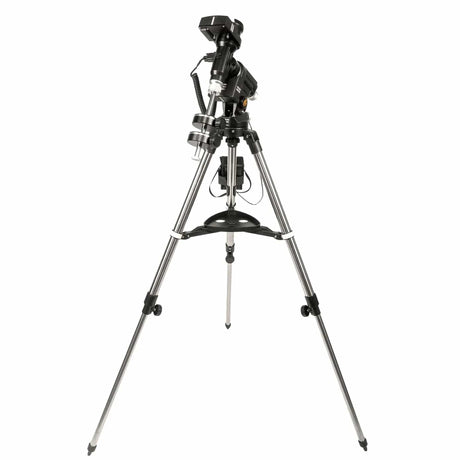
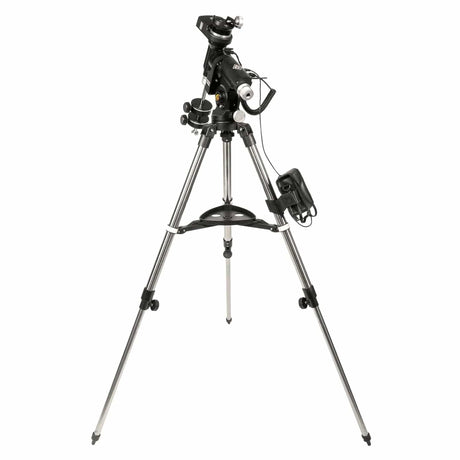
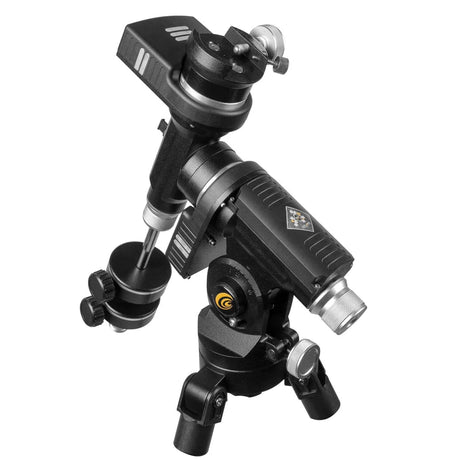
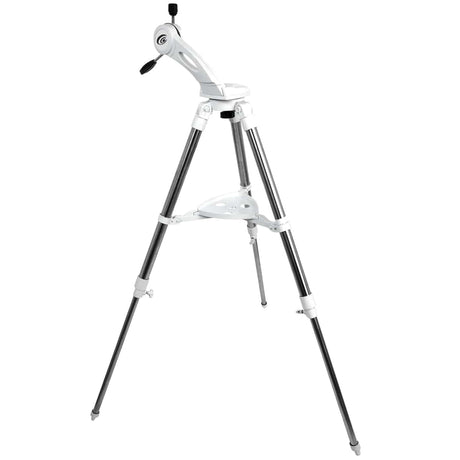
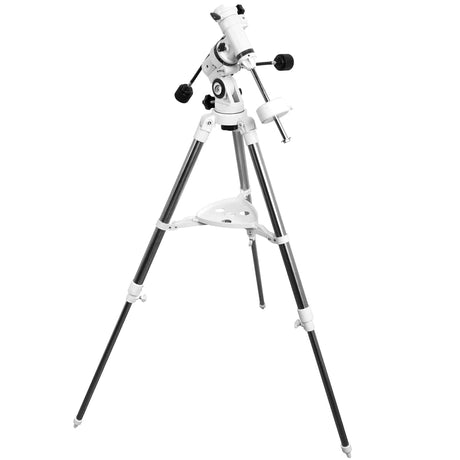
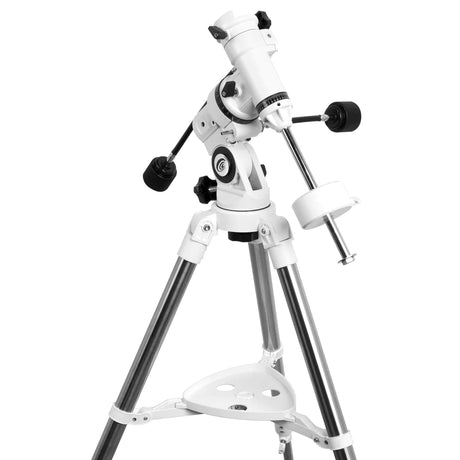
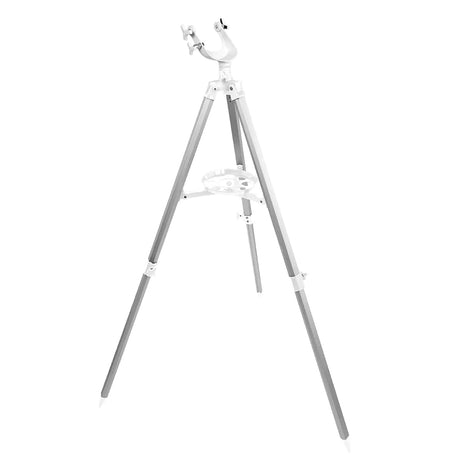
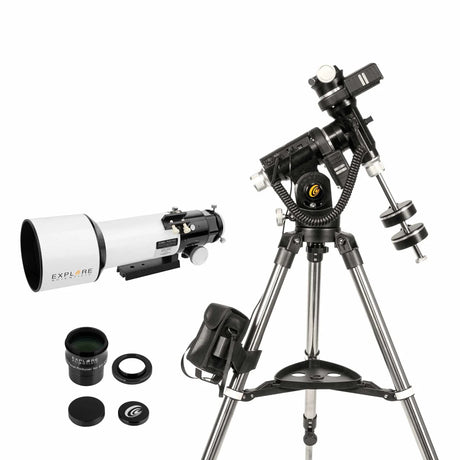
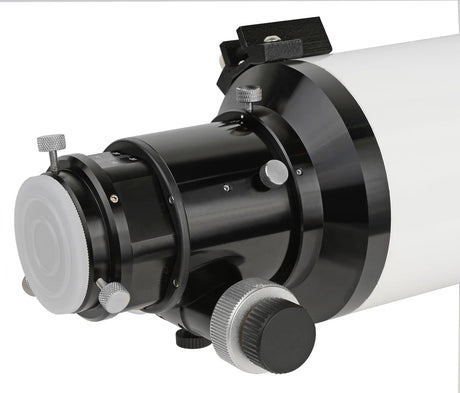
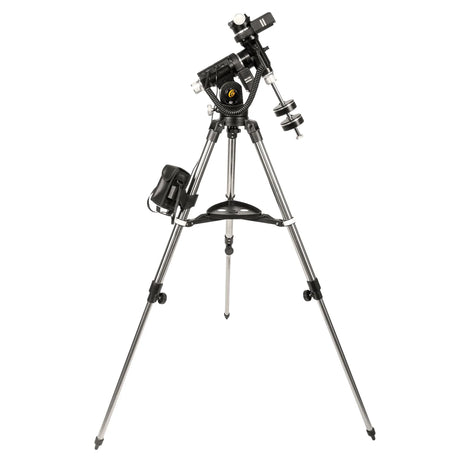
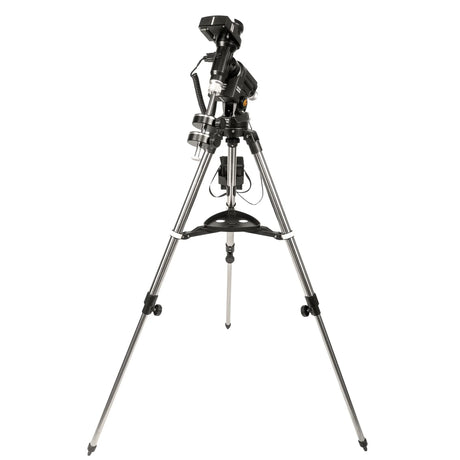
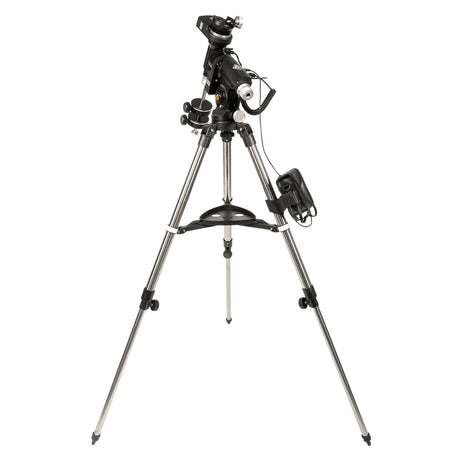
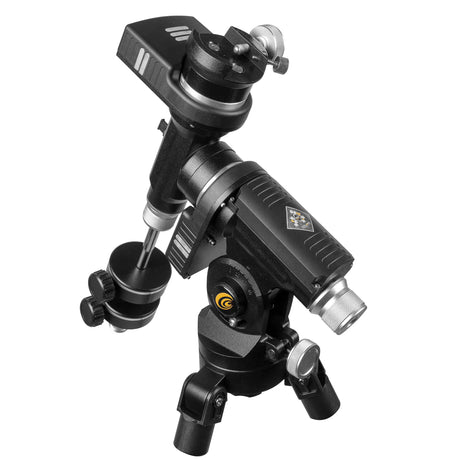
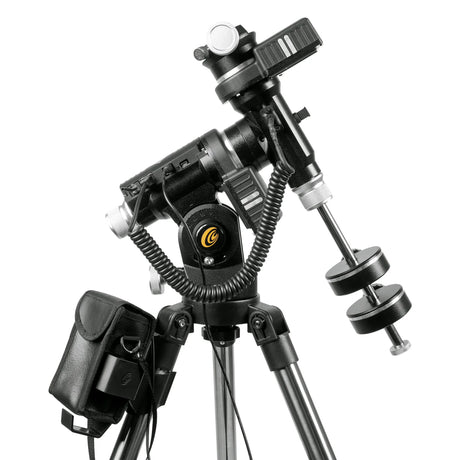
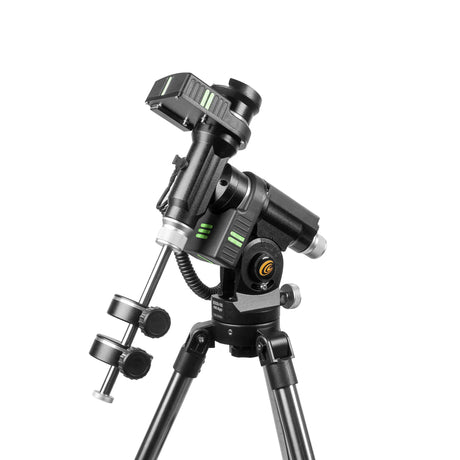
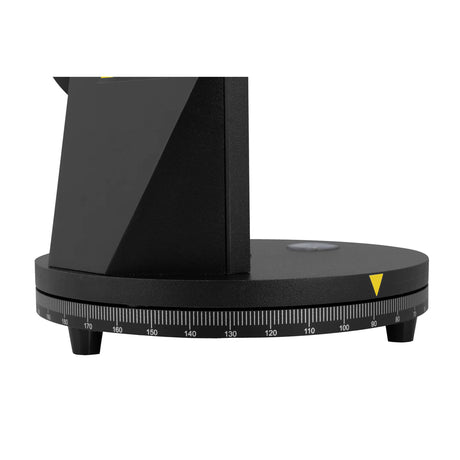
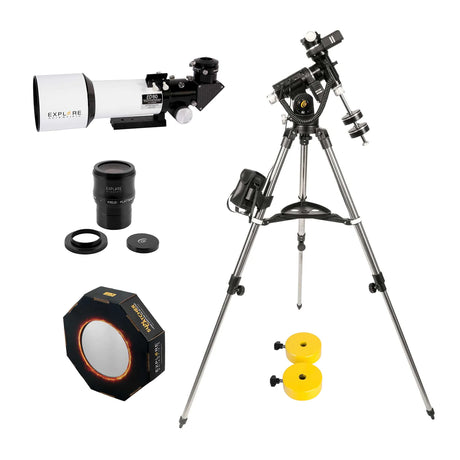
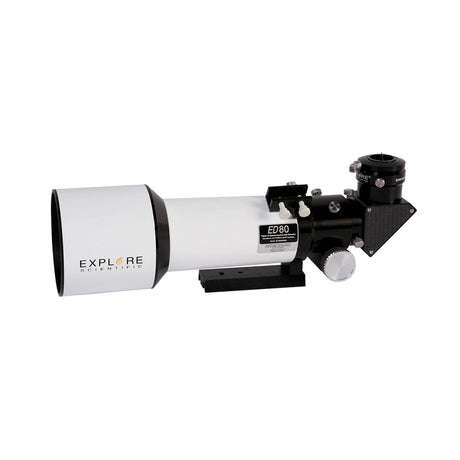
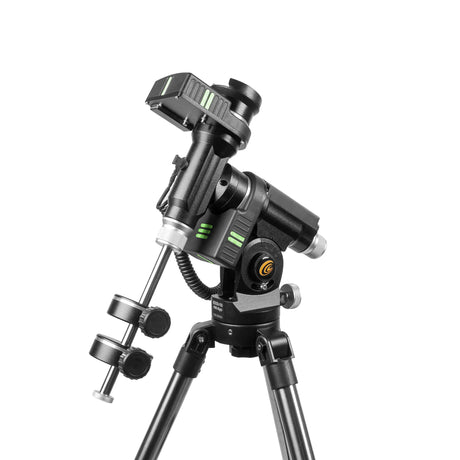
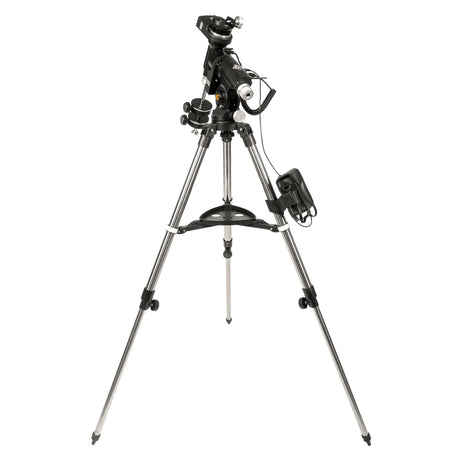
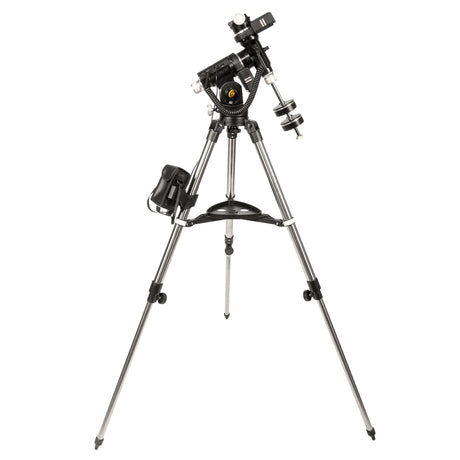
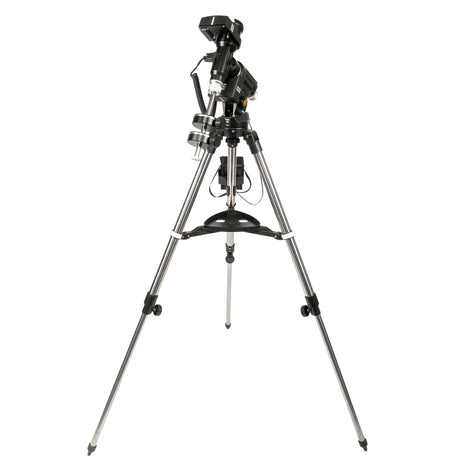
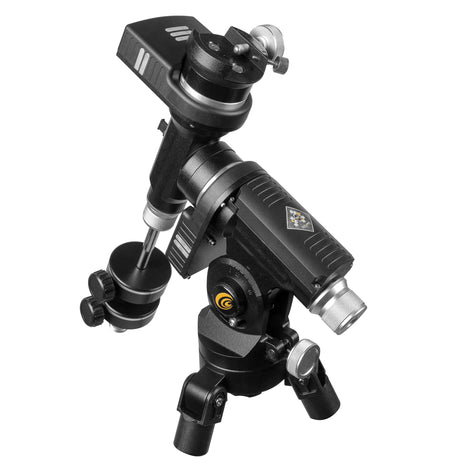
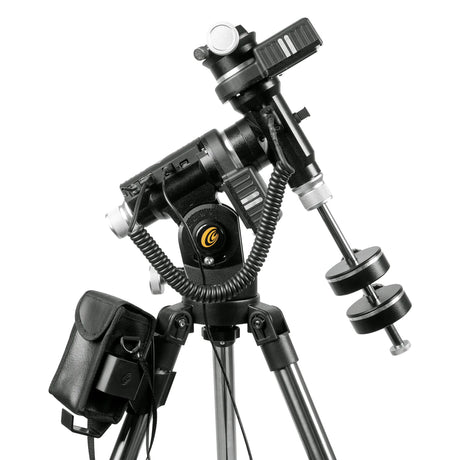
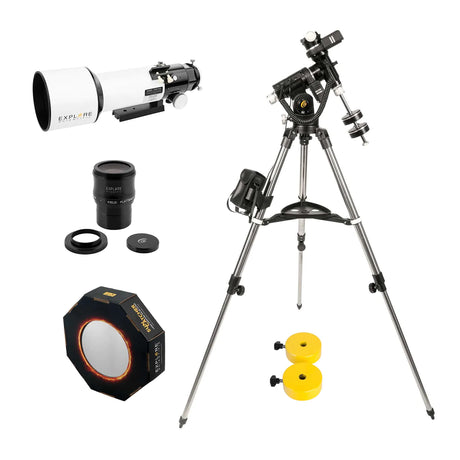
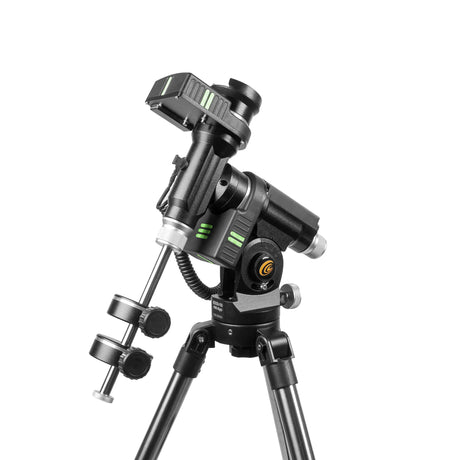
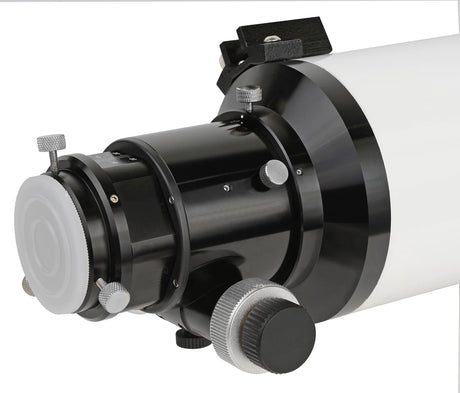
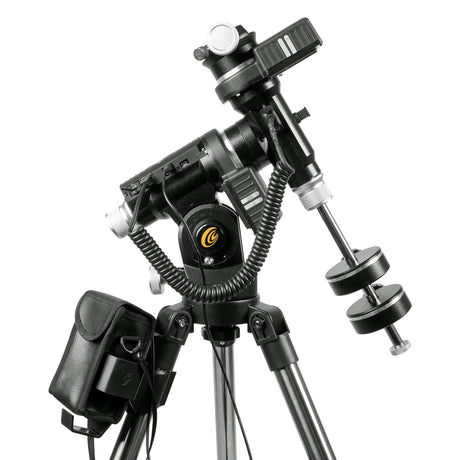
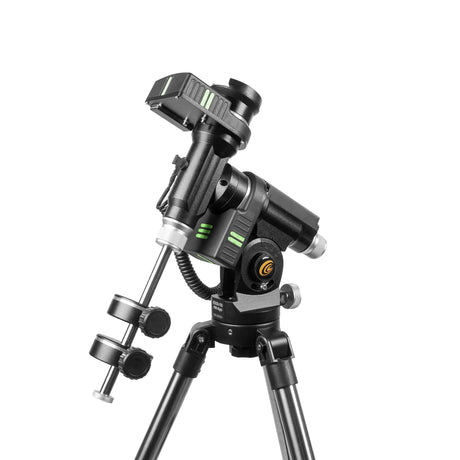
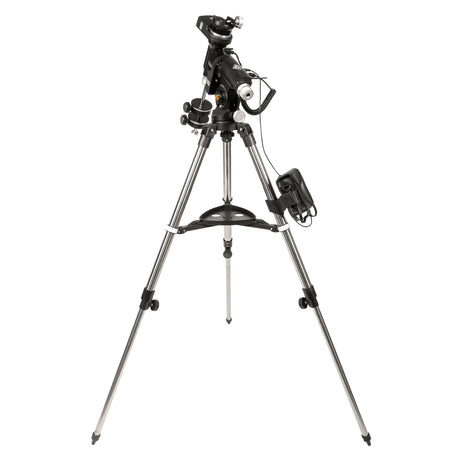
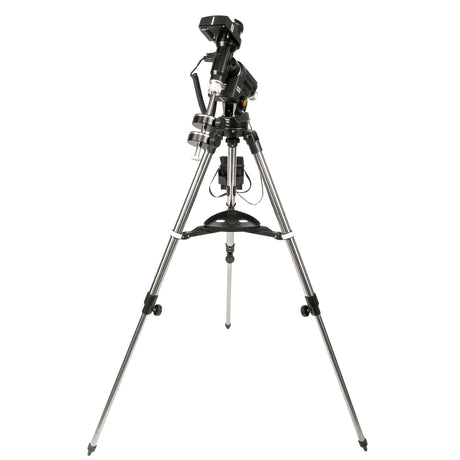
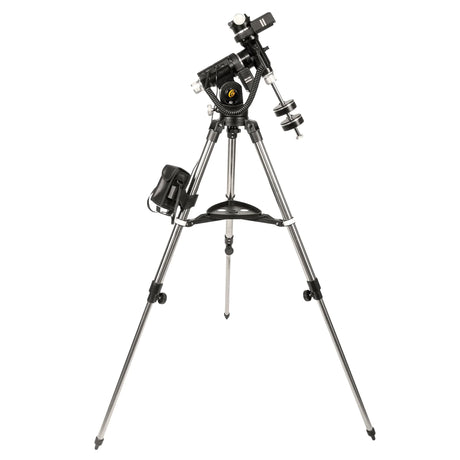
The National Geographic refractors come on alt-azimuth mounts with tripods. The FirstLight 80 rides the manual Sidara Nano or, in the Go-To Tracker combos, the iEXOS-100 tracking mount, and the Sidara Pro 80 a GoTo mount. The ED80 triplets are tubes alone, made for imaging on a tracking mount.
Frequently Asked Questions
Is there a 4-inch refractor here?
Our 4-inch refractors, the AR102, ED102 and Sidara 102s, measure 102 mm, so they are in our 101mm to 200mm collection. The largest telescope here is the 100 mm FirstLight Maksutov.
What magnification do I get?
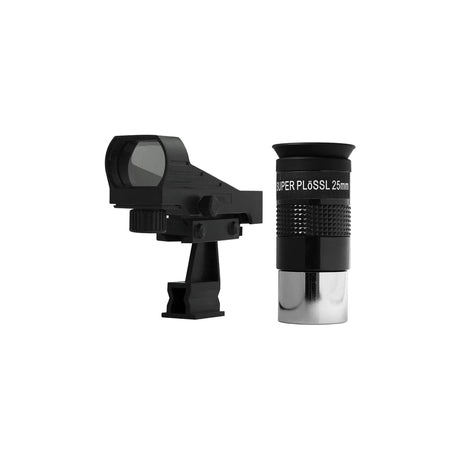
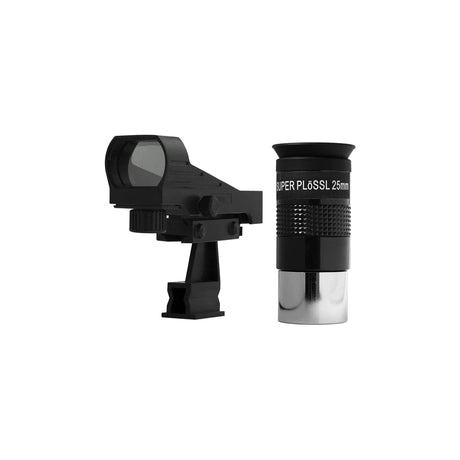
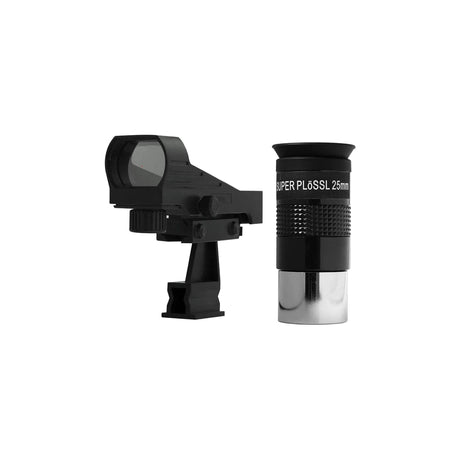
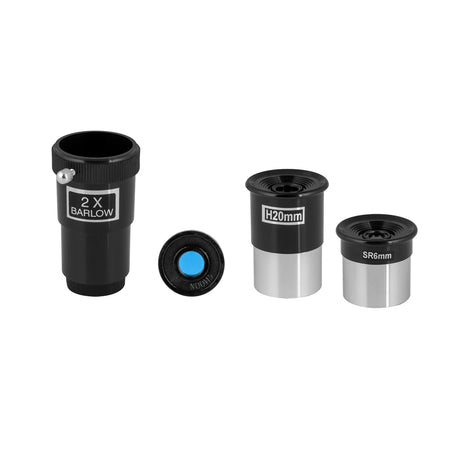
Divide the telescope's focal length by the eyepiece's: the FirstLight 80, at 640 mm, gives 26x with its 25 mm eyepiece. For the planets, about 25x to 30x per inch of aperture is the useful range, roughly 100x to 120x at 100 mm.
Can I take pictures with a small telescope?
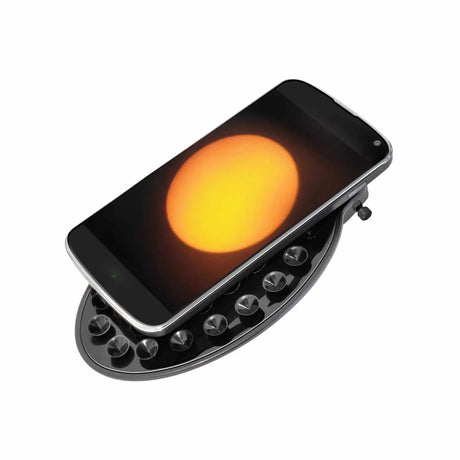
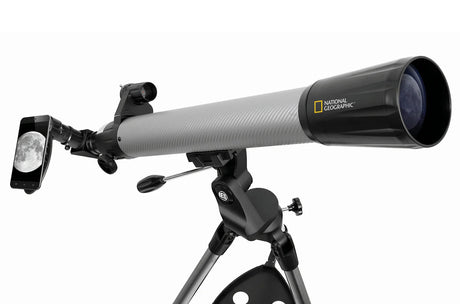
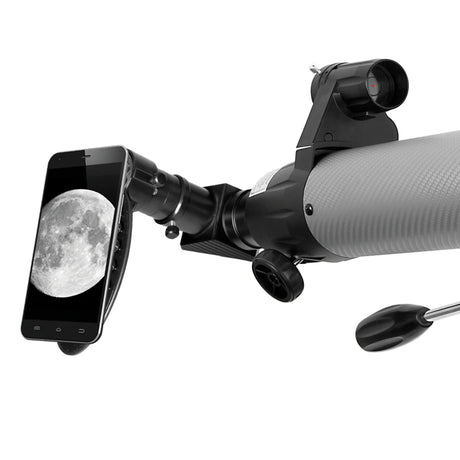
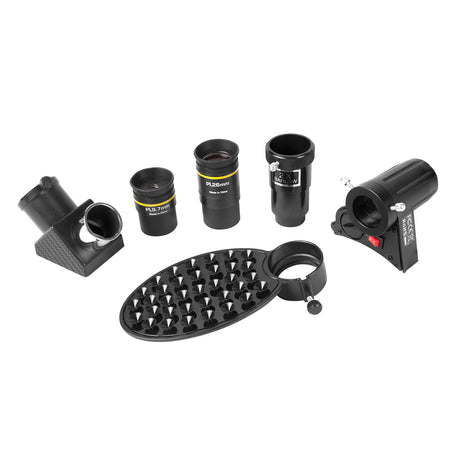
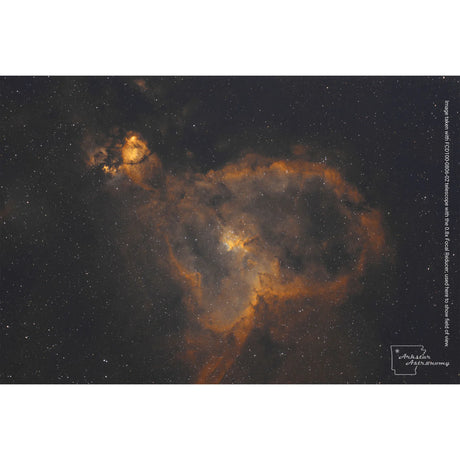
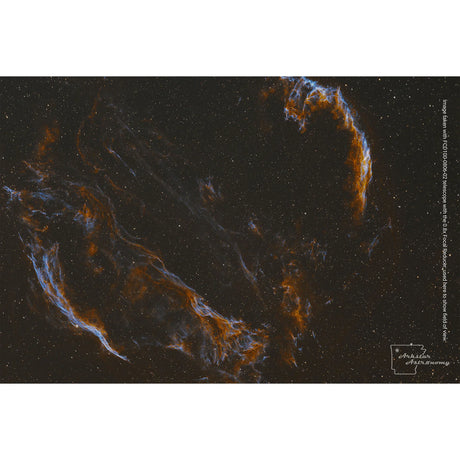
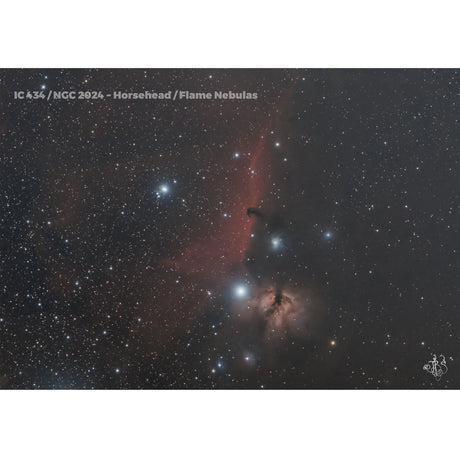
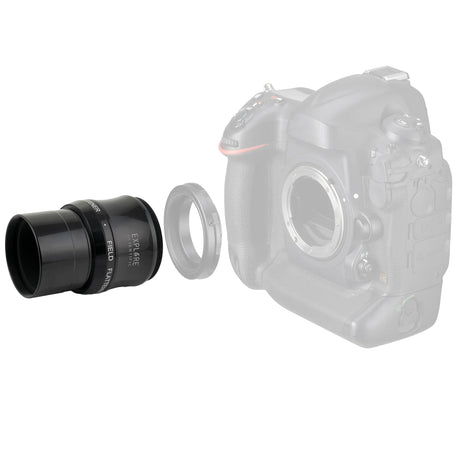
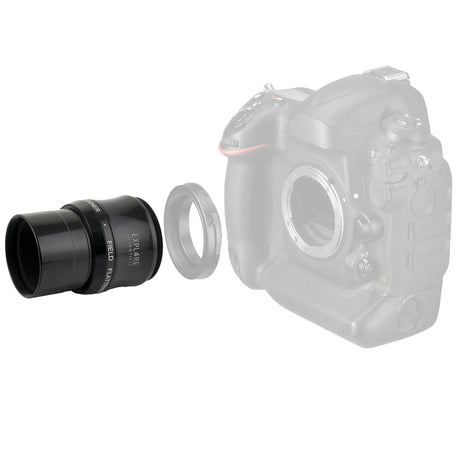
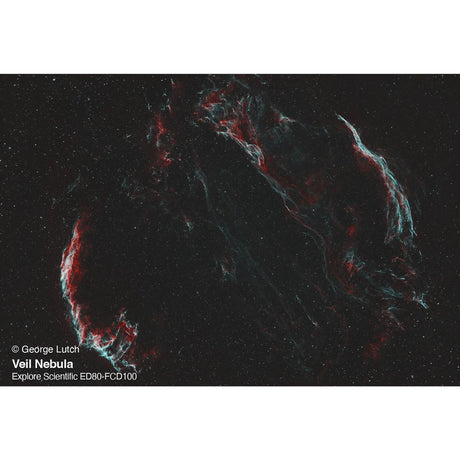
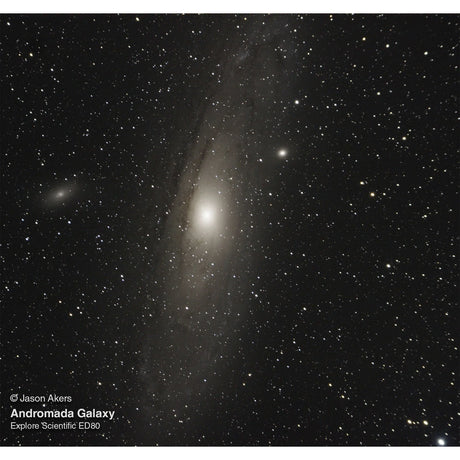
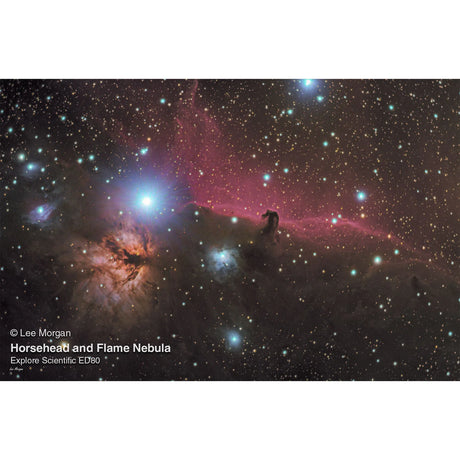
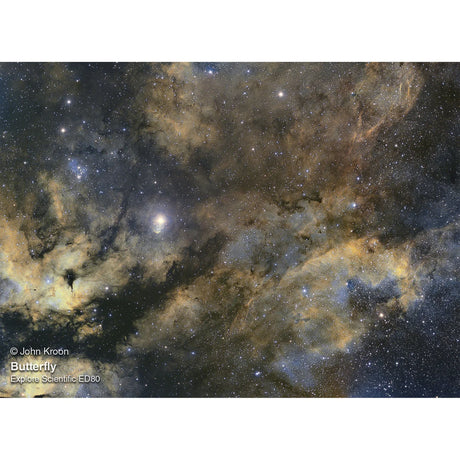
Of the Moon and planets, yes, with a phone at the eyepiece, and several here include a smartphone adapter. For deep-sky imaging, use the ED80 triplets on a tracking mount.
For what each planet shows by aperture, read Minimum Telescope Size to See Saturn's Rings Clearly, and for the Sidara packages, Explore Scientific Sidara Telescopes Compared.