



How to choose a telescope
Aperture first
Aperture, the diameter of the main lens or mirror, is the most important number on a telescope's spec sheet: it decides how much light the scope collects, what you can see and how sharp the image is. Ignore advertised magnification. Magnification comes from the eyepiece you use, and every telescope tops out at about 2x per millimeter of aperture (50x per inch), beyond which the view turns dim and soft.
Then the optical design
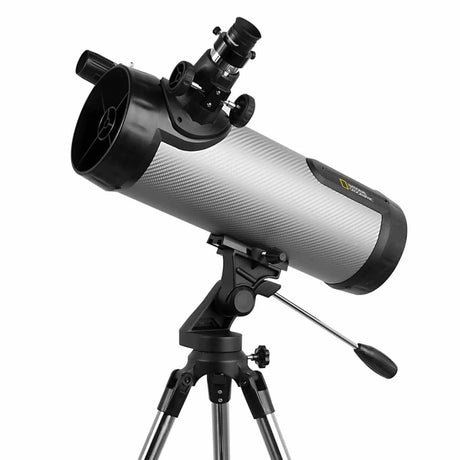
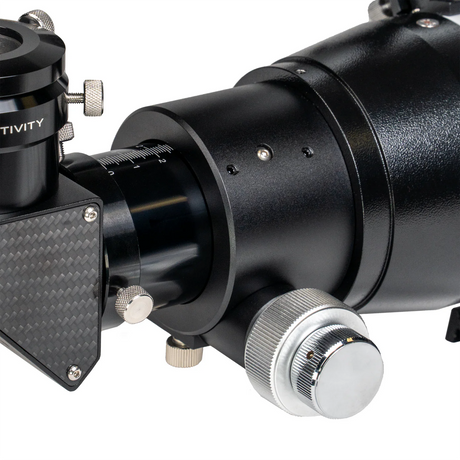
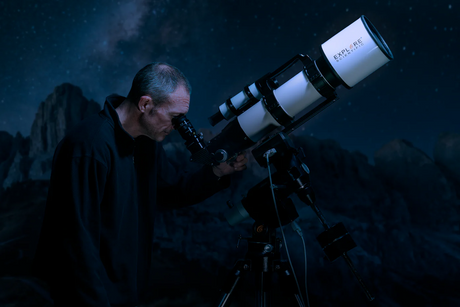
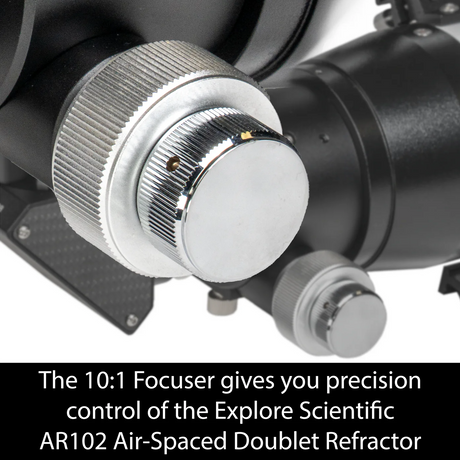
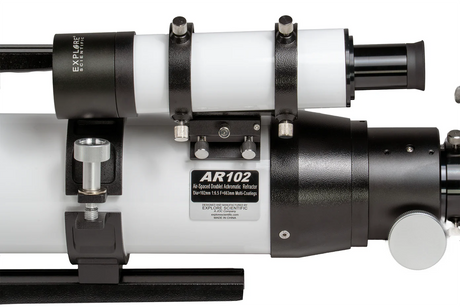
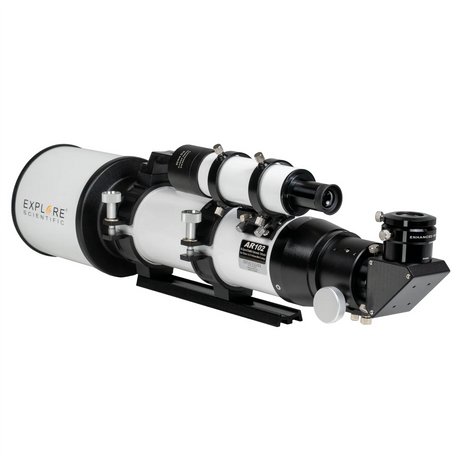
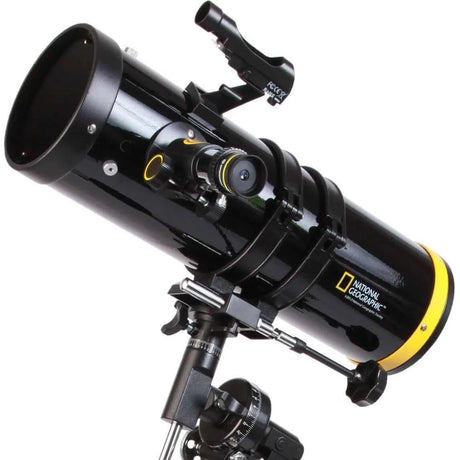
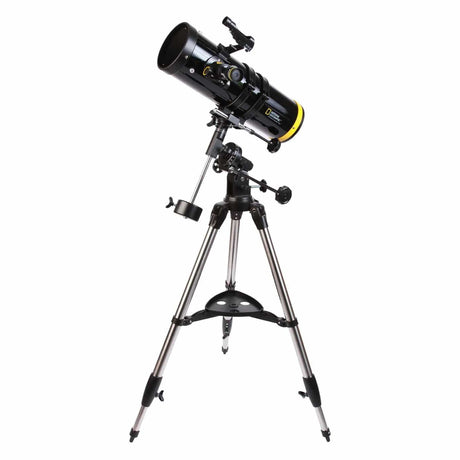
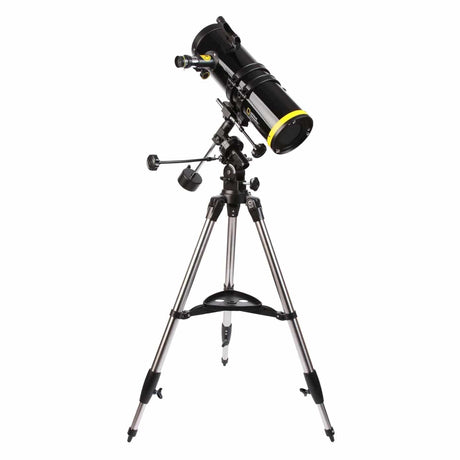
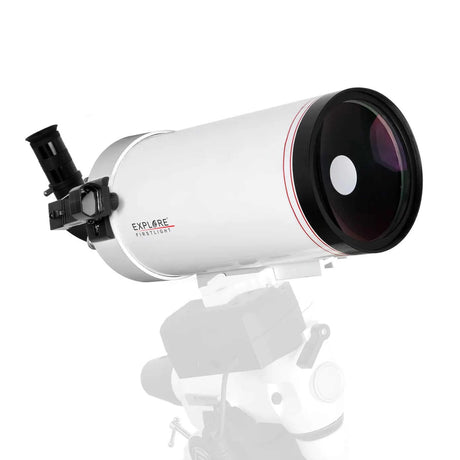
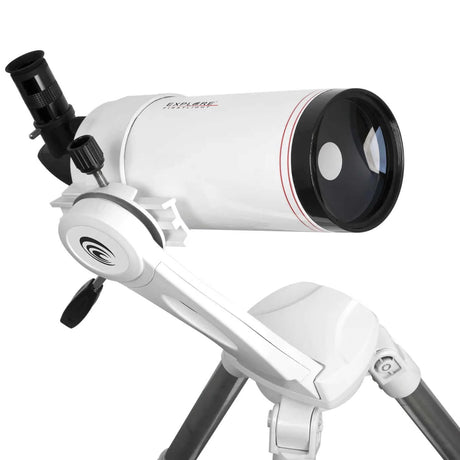
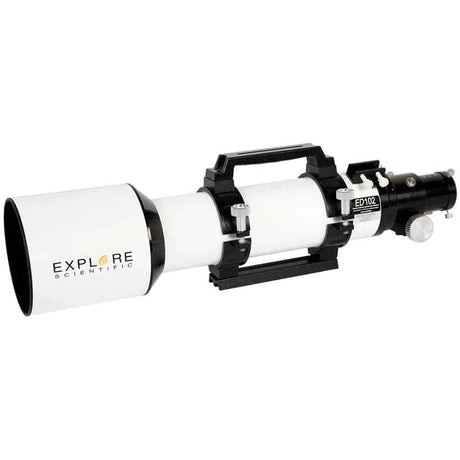
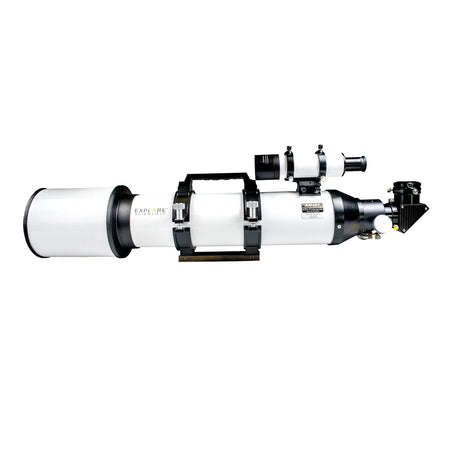
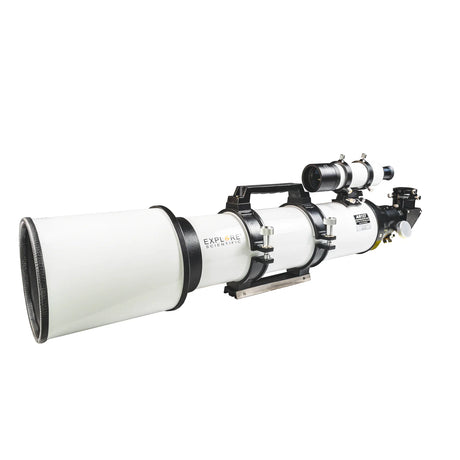
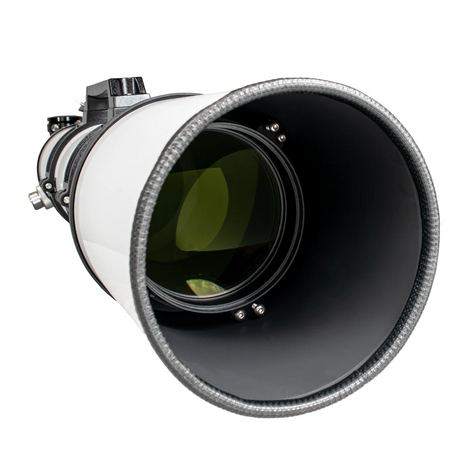
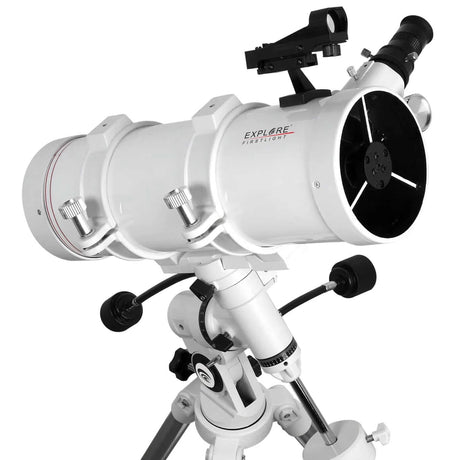
A refractor uses a lens in a sealed tube: it rarely needs adjusting and suits the Moon and planets. A reflector uses a mirror and gives the most aperture for the money, but its mirrors need lining up (collimation) from time to time. A catadioptric, such as a Maksutov-Cassegrain, folds a long focal length into a short tube with a corrector lens and mirrors, which makes it compact and well suited to high magnification.
Then the mount
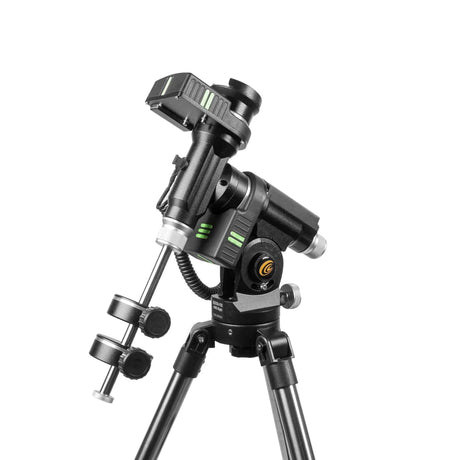
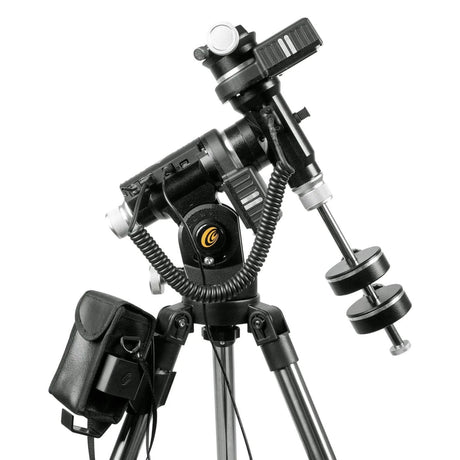
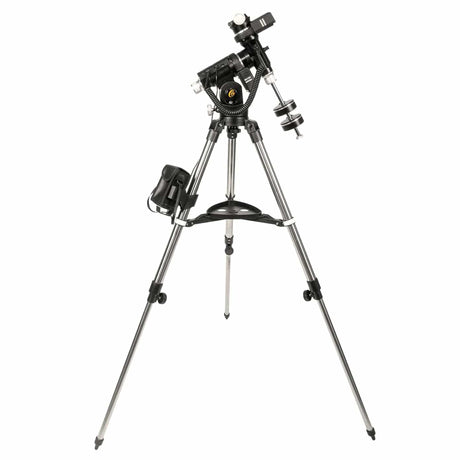
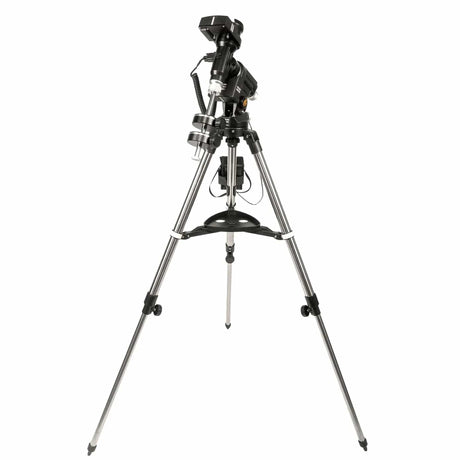
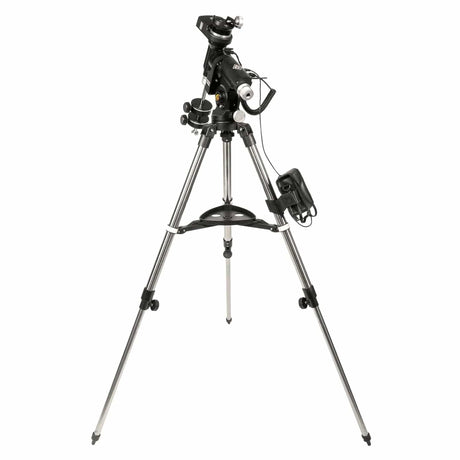
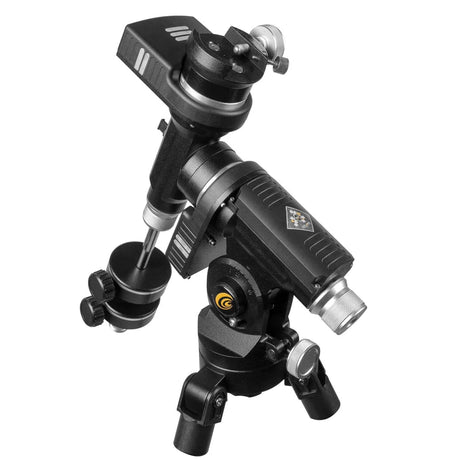
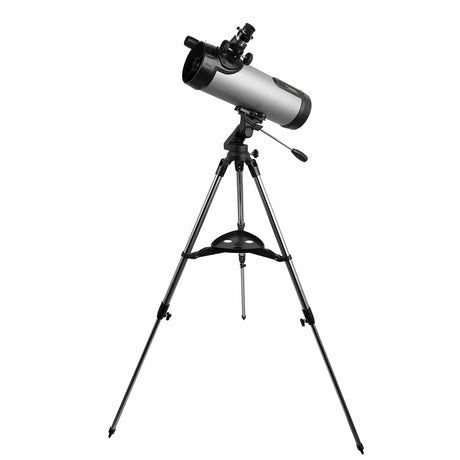
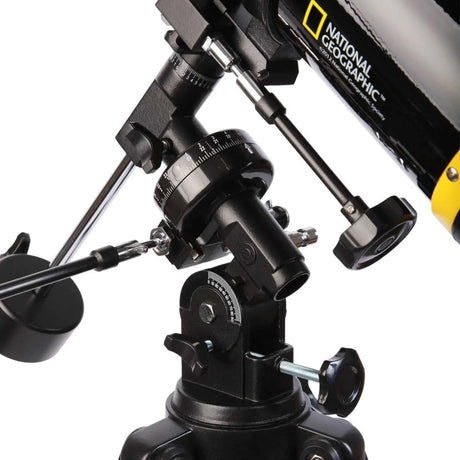
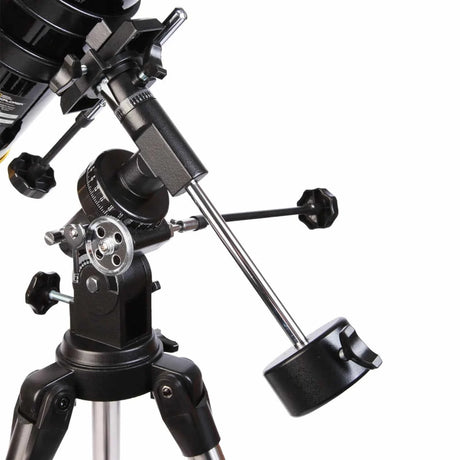
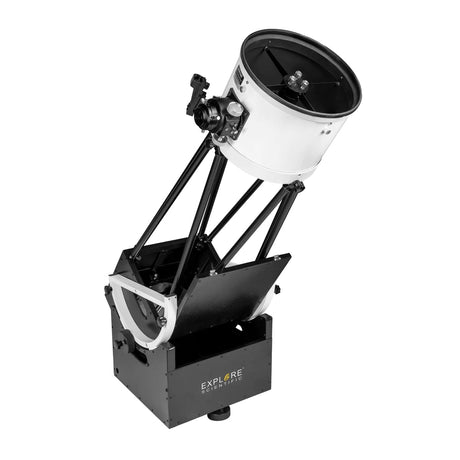
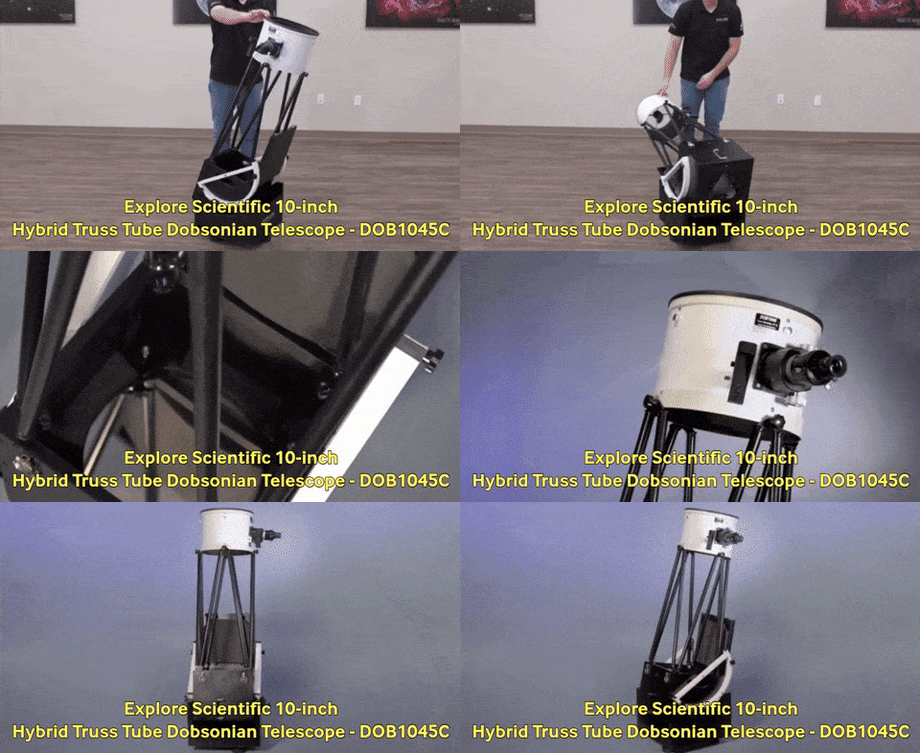
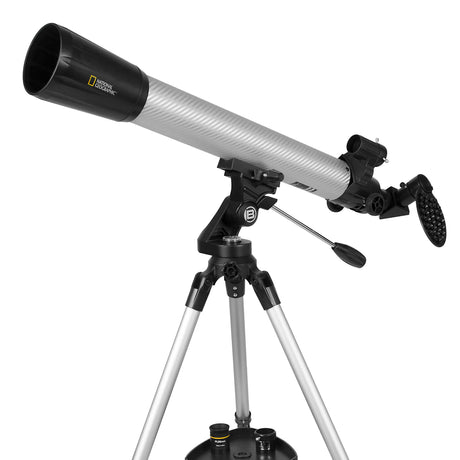
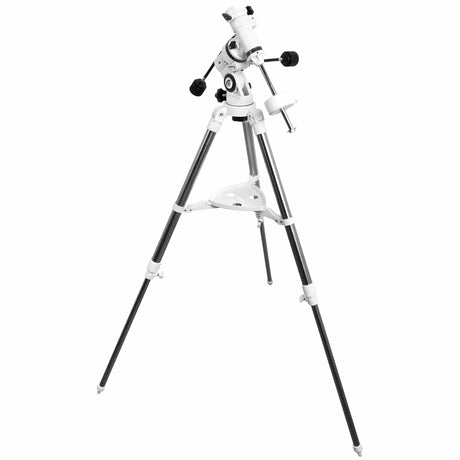
A manual alt-azimuth mount moves up and down and side to side like a camera head, is ready as soon as the tripod is up and needs no batteries. A GoTo mount finds objects and tracks them for you. A Dobsonian puts a reflector on a simple rocker base that you move by hand.
What we carry
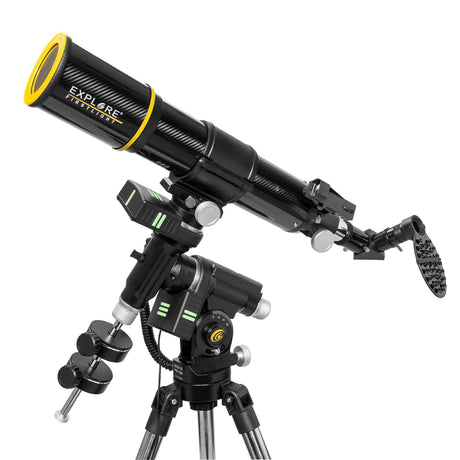
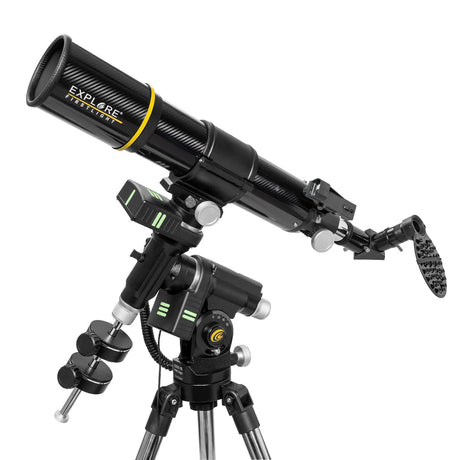
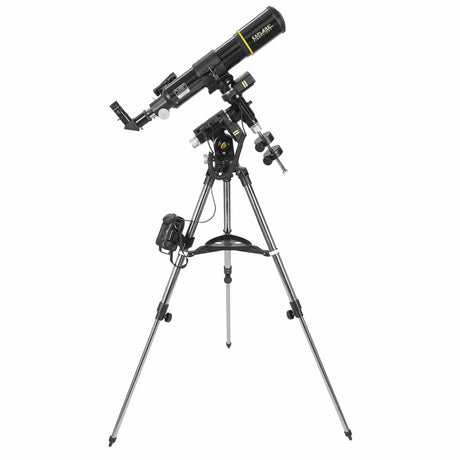
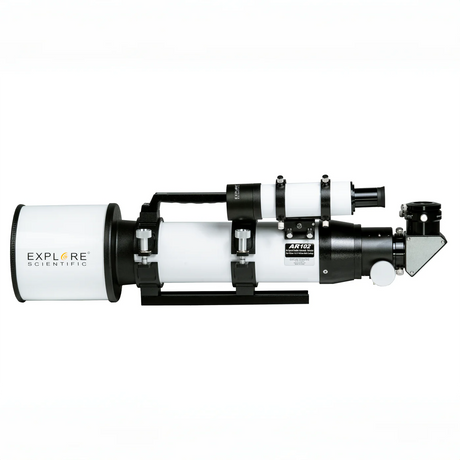
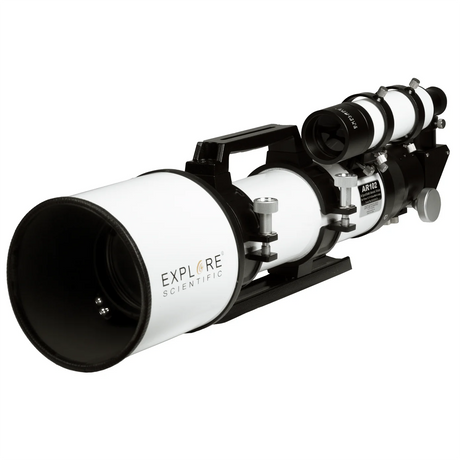
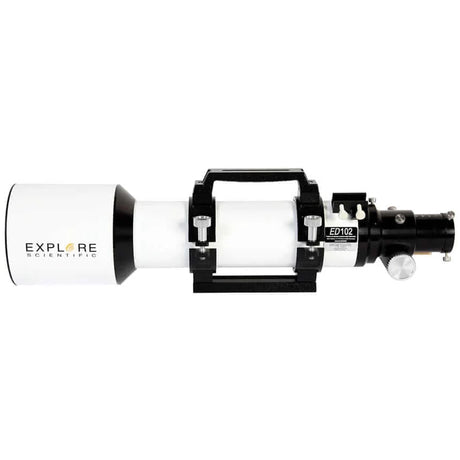
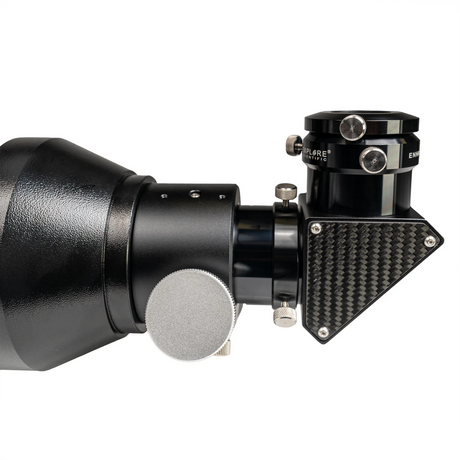
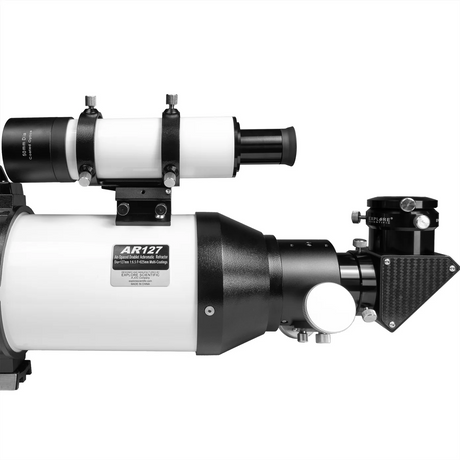
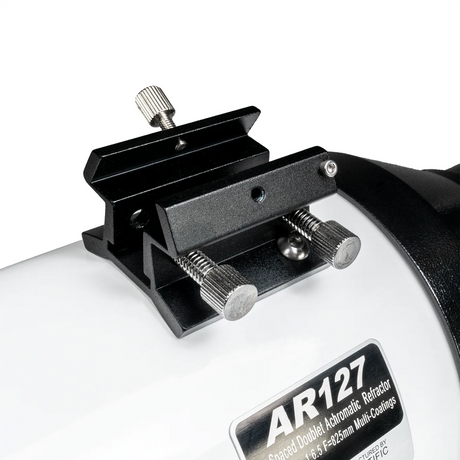
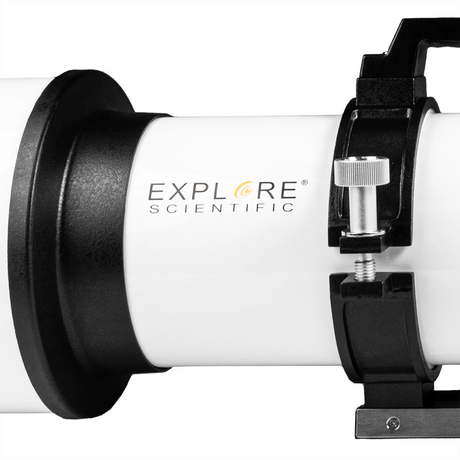
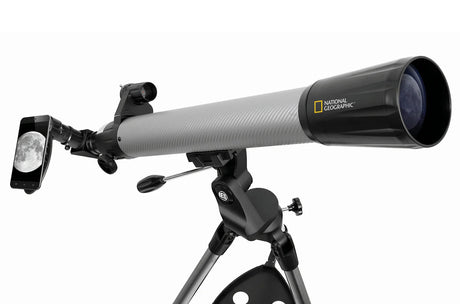
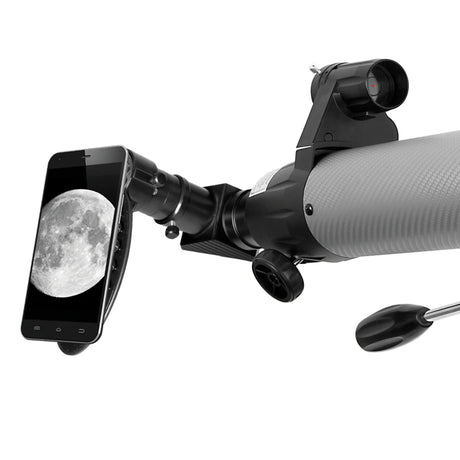
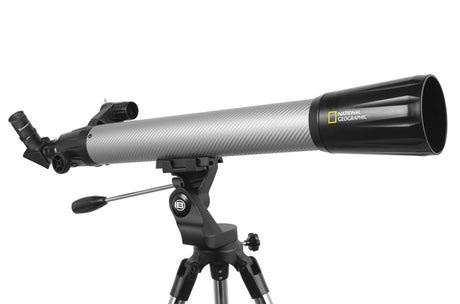
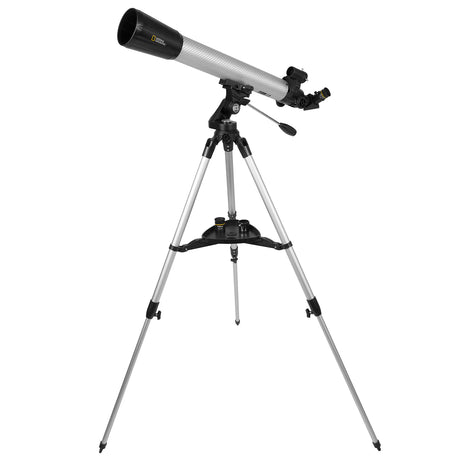
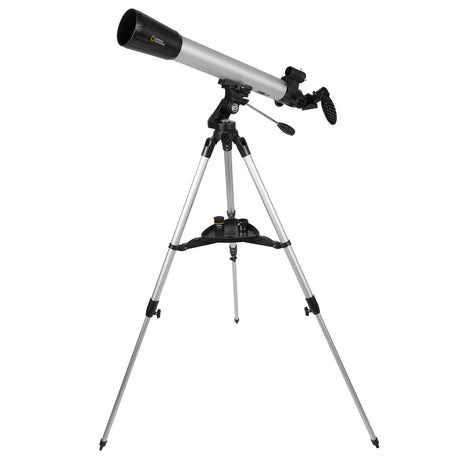
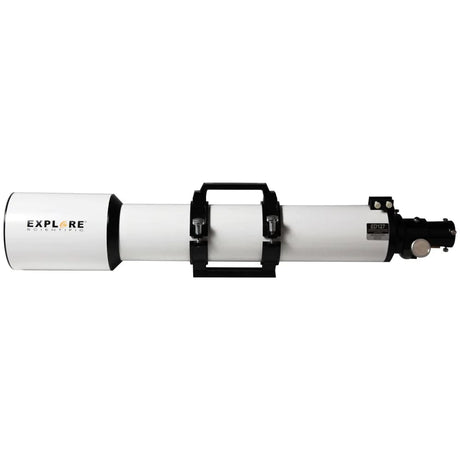
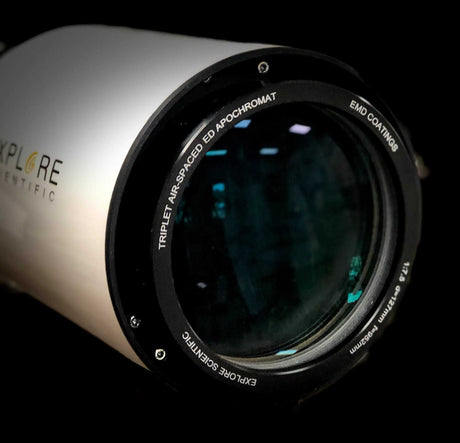
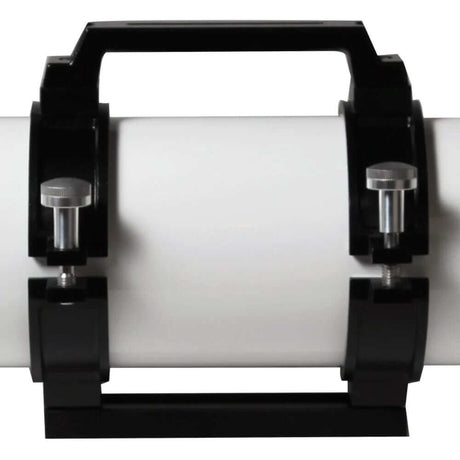
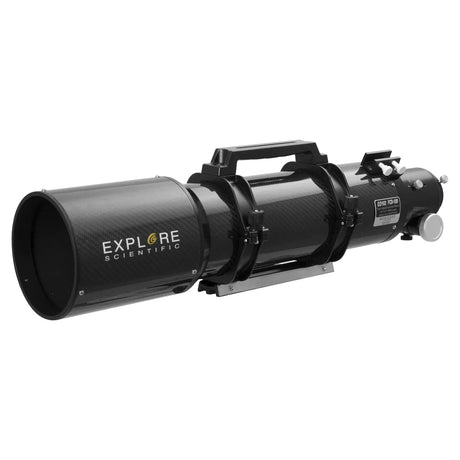
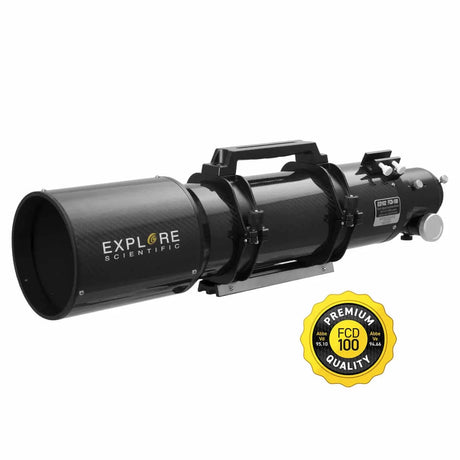
- Refractors: National Geographic 70 mm starter scopes, Explore Scientific FirstLight and Sidara packages, AR achromatic doublets and ED apochromatic triplets up to 152 mm.
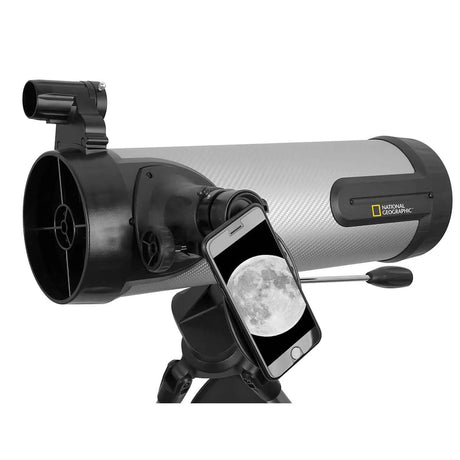
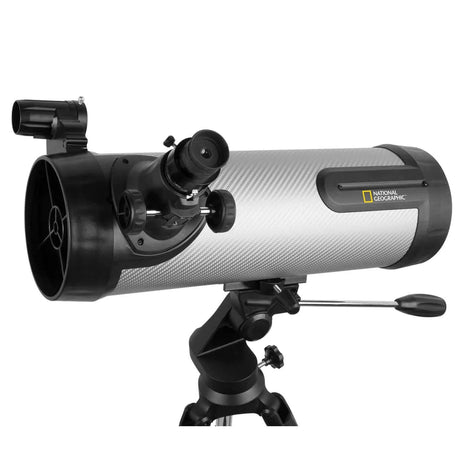
- Reflectors: tabletop models, Sidara and FirstLight packages, and solid-tube and truss Dobsonians.
- Maksutov-Cassegrains: Explore Scientific FirstLight and Sidara Pro models at 100 mm and 127 mm.
Frequently Asked Questions
What aperture do I need to see the planets?
As little as 70 mm shows Saturn's rings and Jupiter's cloud bands. More aperture adds detail on the planets and brings fainter deep-sky objects within reach.
Is it safe to look at the Sun with a telescope?
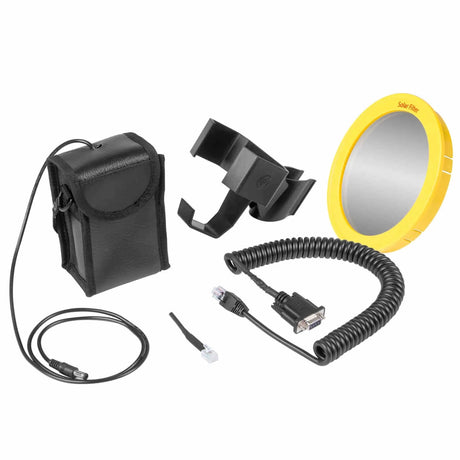
Only with a special-purpose solar filter secured over the front of the telescope. Viewing any part of the bright Sun through a telescope without one causes severe eye injury instantly. Our guide to telescope filters covers solar filters.
Refractor or reflector for a beginner?
A refractor is the low-maintenance choice for the Moon and planets. A reflector gives the most aperture for the money, which pays on faint deep-sky objects, in exchange for occasional collimation.
Can I use a telescope with glasses?
Yes. Choose eyepieces with at least 15 mm of eye relief, such as Explore Scientific's Long Eye Relief (LER) series, and you can see the full field with your glasses on.
To read a spec sheet with confidence, see Understanding Telescope Specifications, and to compare complete packages, Explore Scientific Sidara Telescopes Compared.