




How to choose a first telescope
Aperture
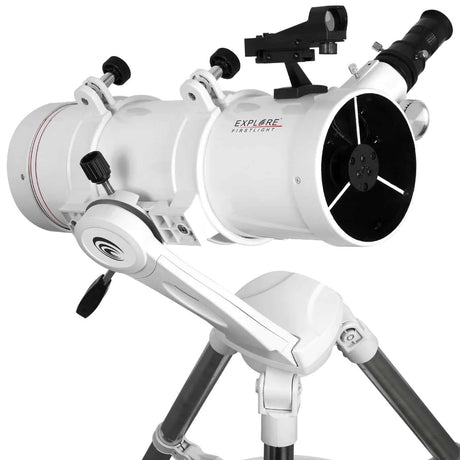
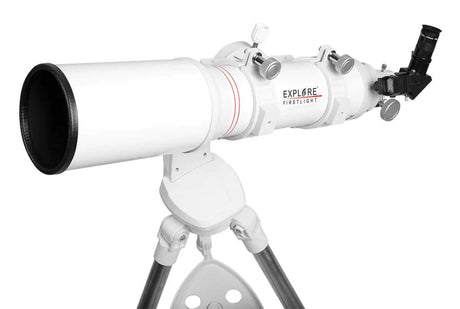
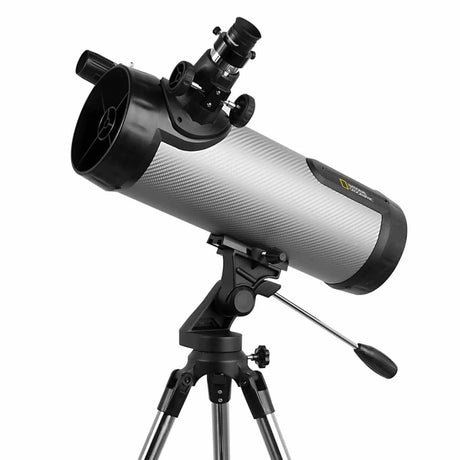
Aperture decides what you can see. A 60 to 70 mm telescope shows the shape of Saturn's rings and Jupiter's two dark belts and four moons. From about 100 mm you can start to pick out the Cassini Division, the gap in Saturn's rings, and a 130 mm reflector has the aperture for star clusters, nebulae and the brighter galaxies.
Mount
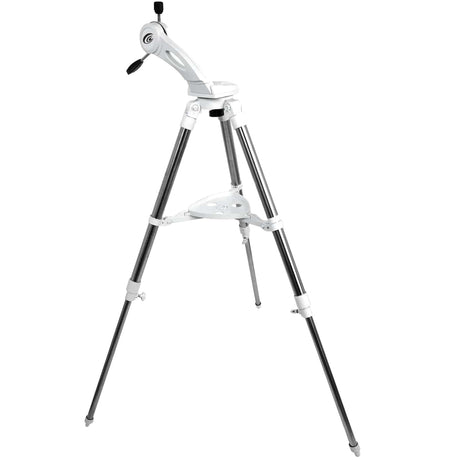
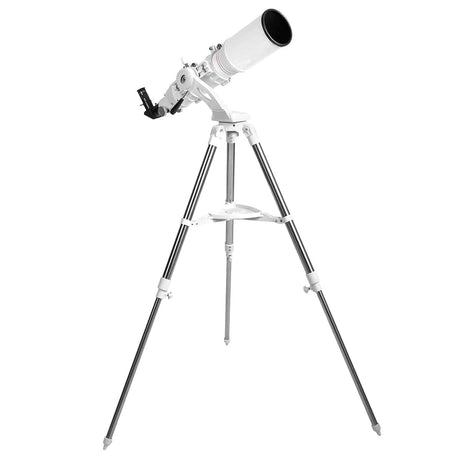
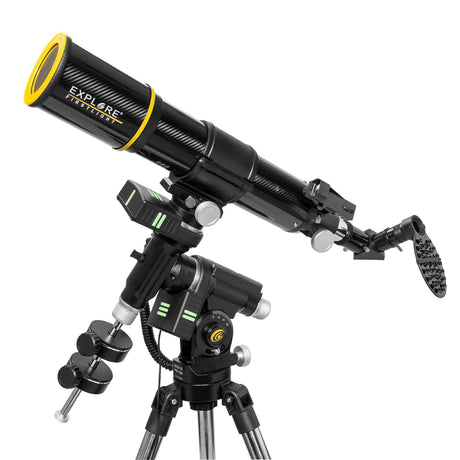
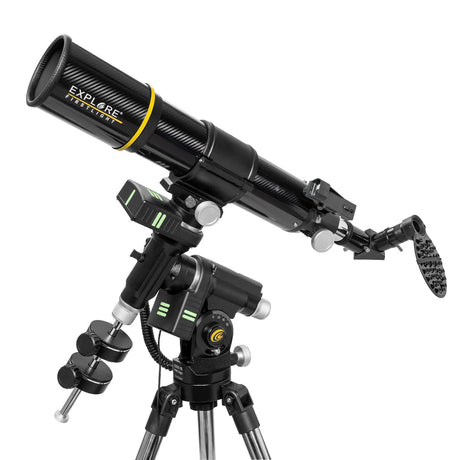
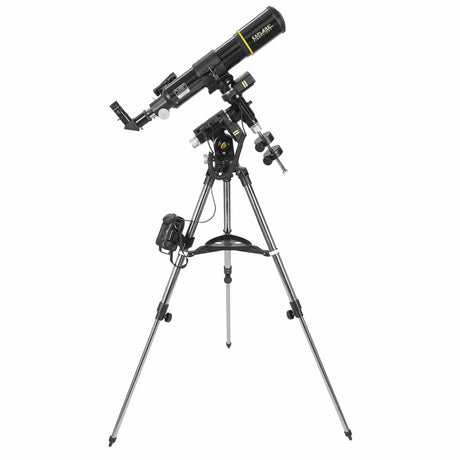
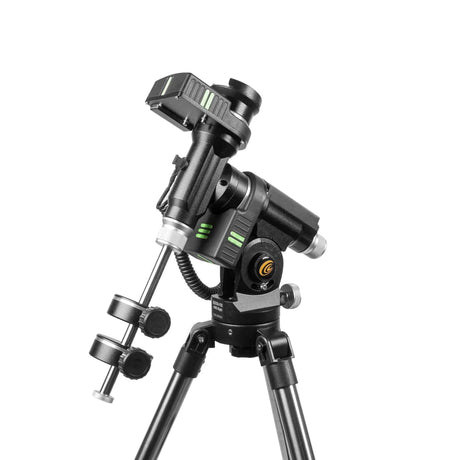
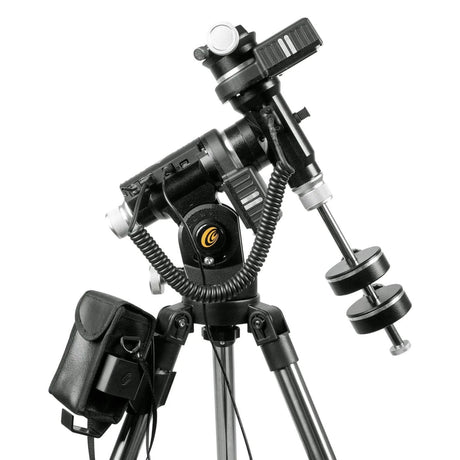
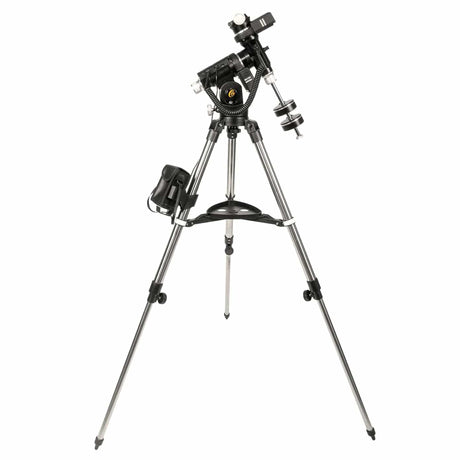
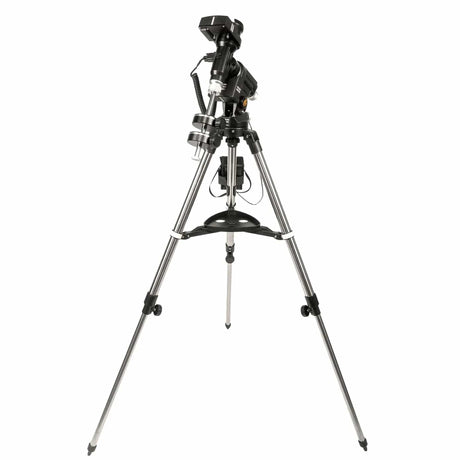
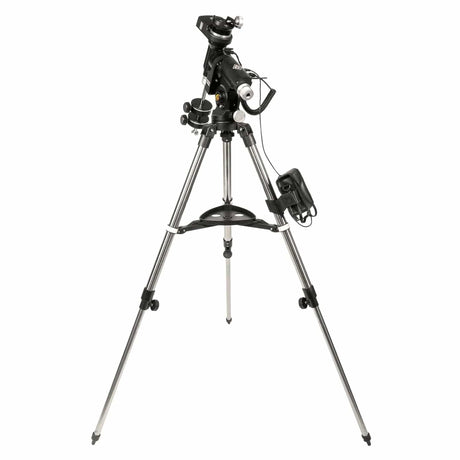
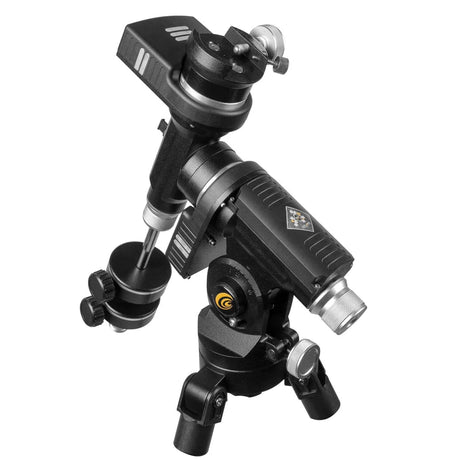
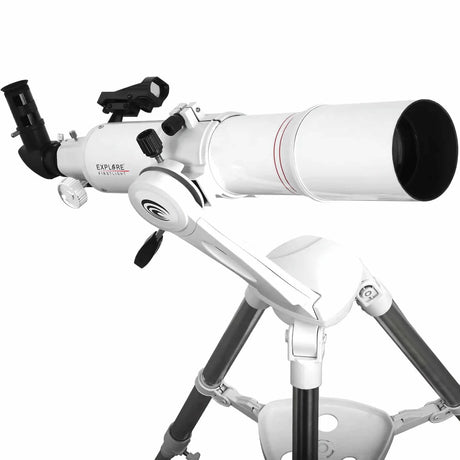
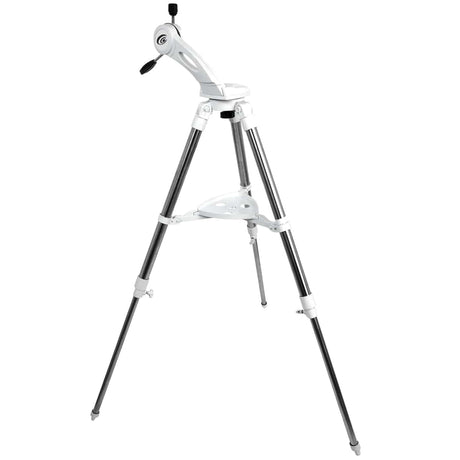
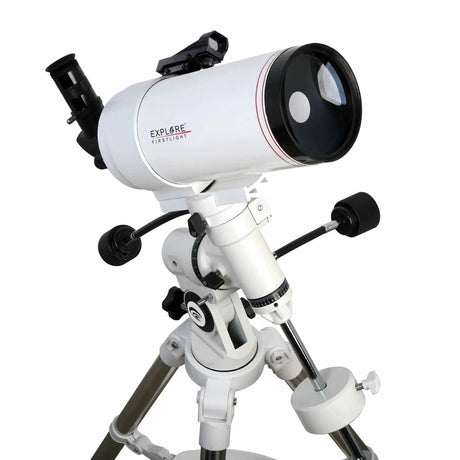
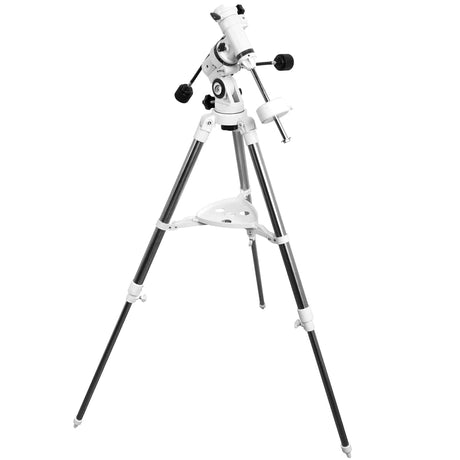
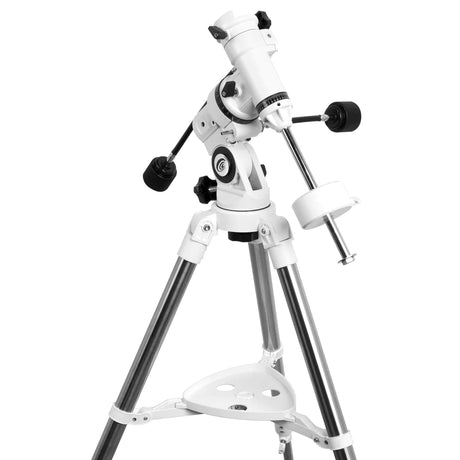
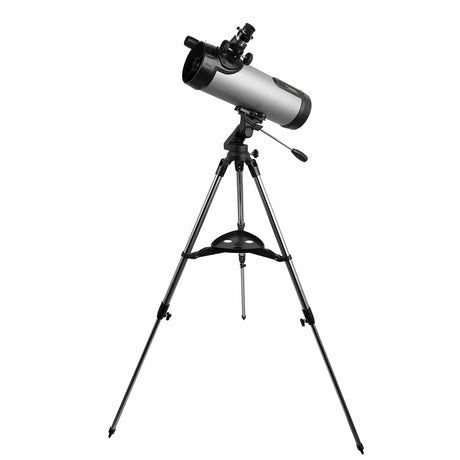
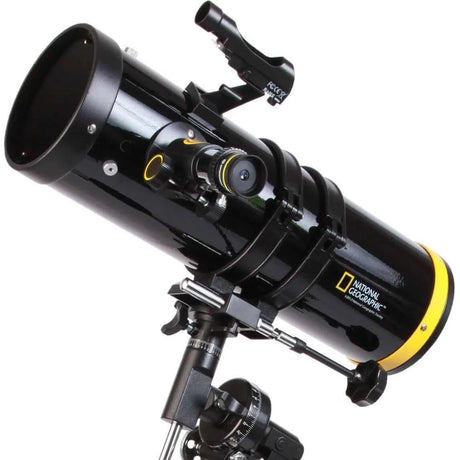
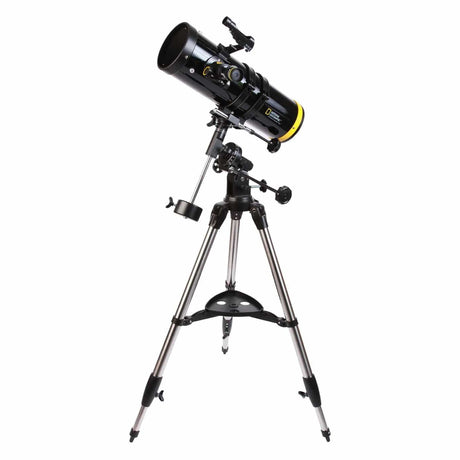
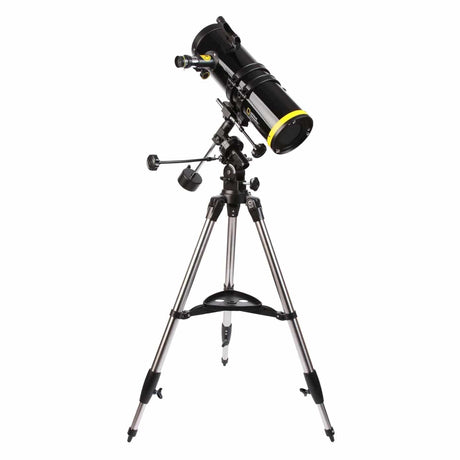
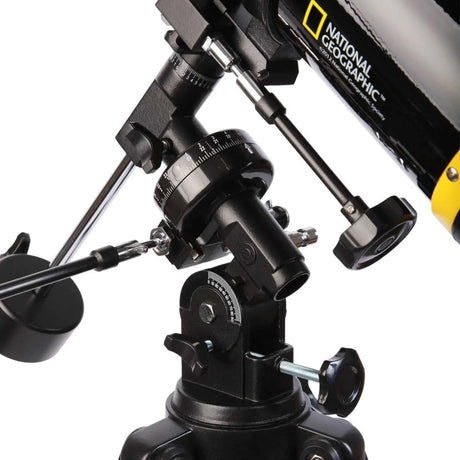
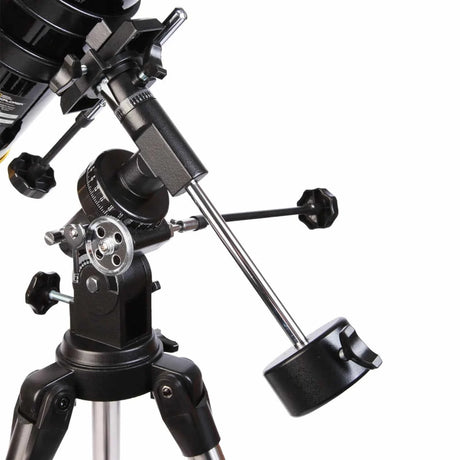
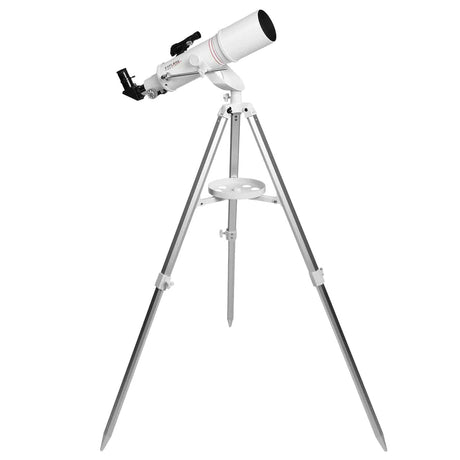
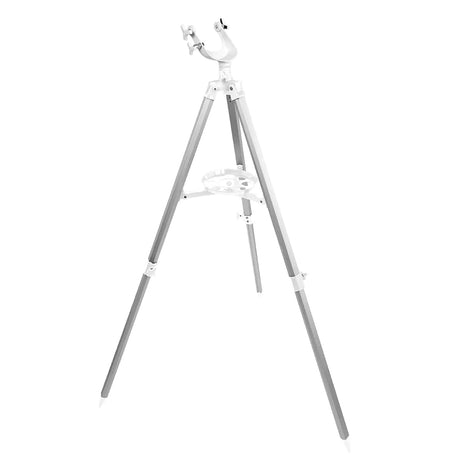
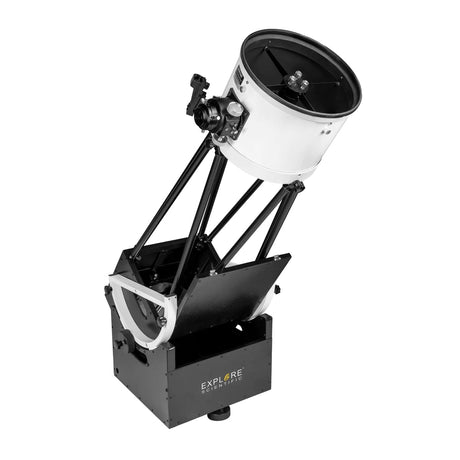
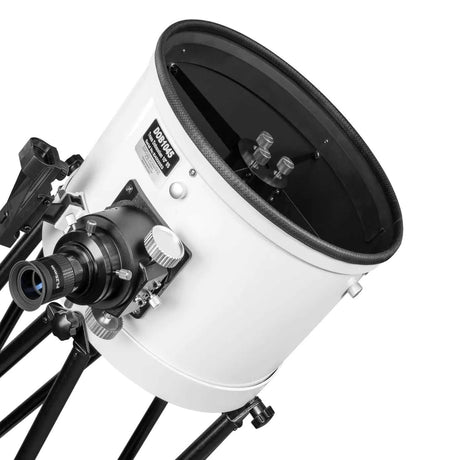
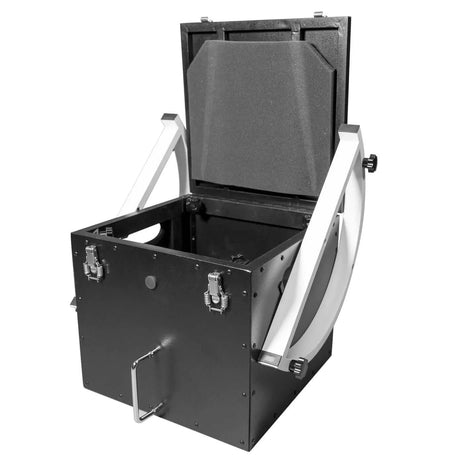
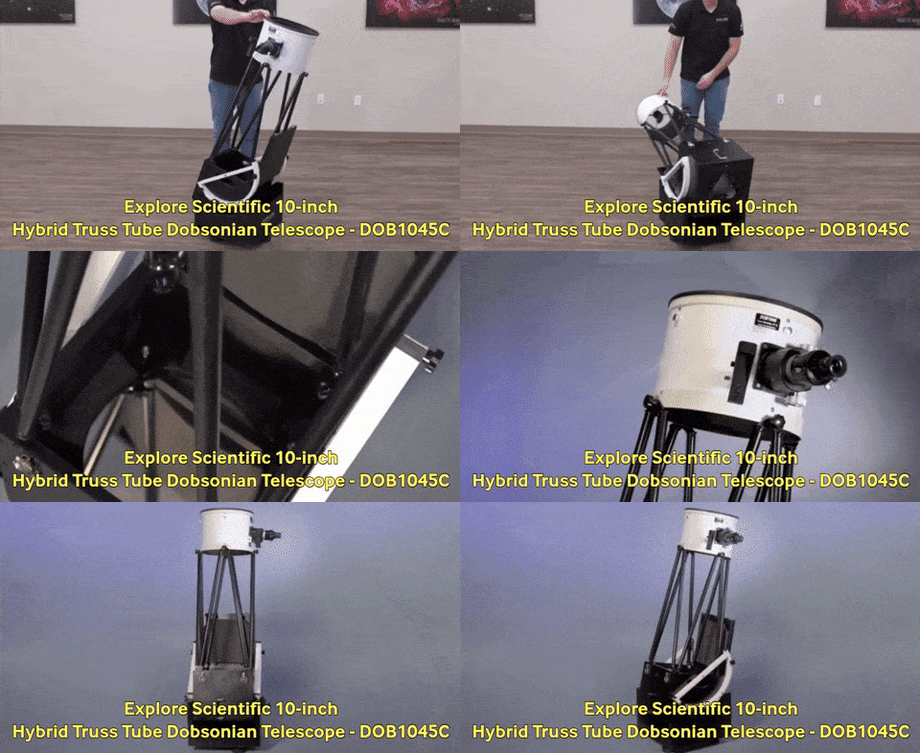
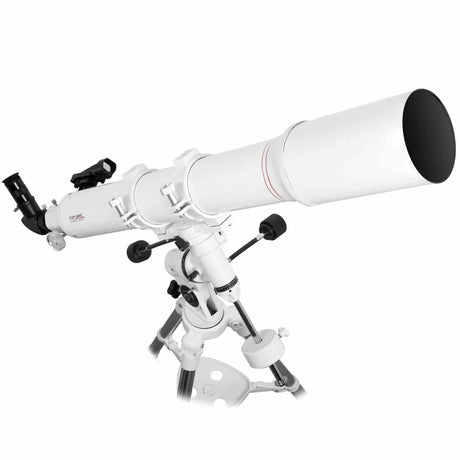
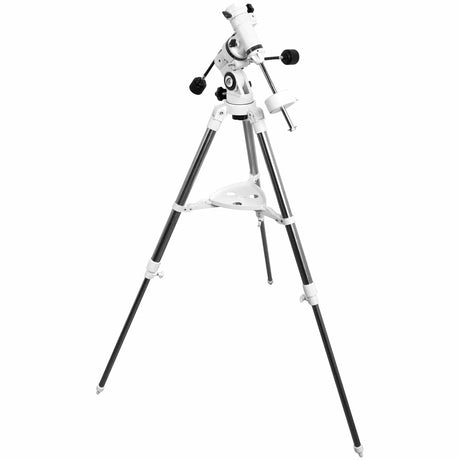
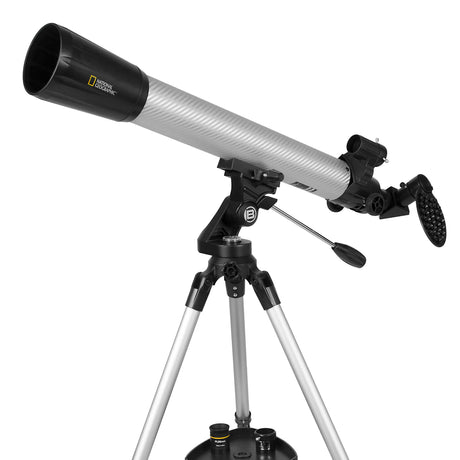
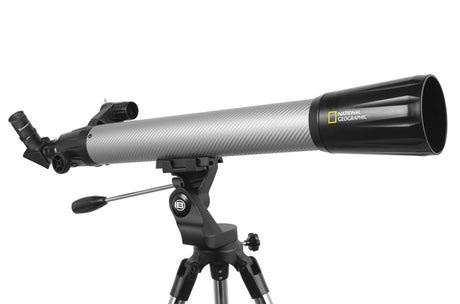
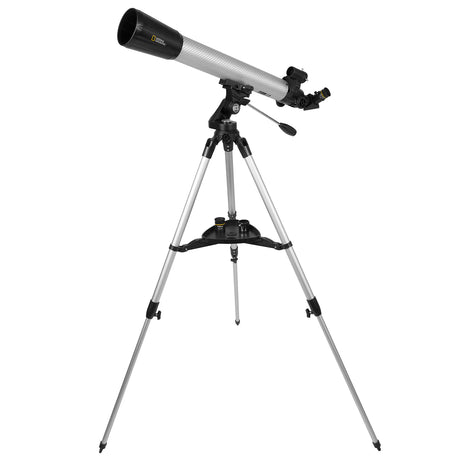
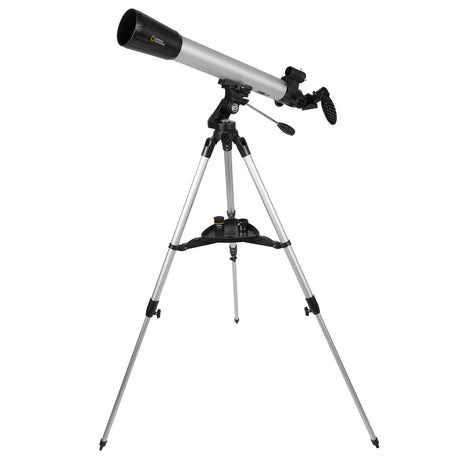
The mount decides how easy the telescope is to use. A manual alt-azimuth mount moves up and down and side to side and is ready as soon as the tripod is up. A Dobsonian puts a large mirror on a simple rocker base that you move by hand. A GoTo mount such as the Sidara Pro finds objects for you, and an equatorial mount, like the FirstLight 114's EQ3, tracks the sky once it is polar aligned, which adds a step to every setup.
Frequently Asked Questions
What is the best telescope for a beginner?
A complete kit with a manual mount and about 100 to 130 mm of aperture: enough to show the Cassini Division in Saturn's rings and the brighter star clusters and nebulae, and ready to use the first night.
Refractor or reflector for a first telescope?
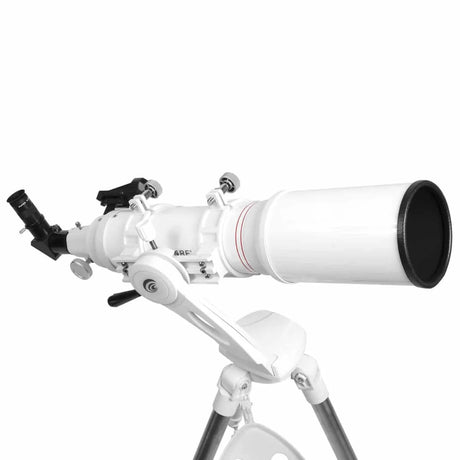
A refractor needs almost no upkeep and suits the Moon and planets. A reflector shows more for the money on faint objects, but its mirrors need lining up now and then.
How do I set up a telescope the first time?
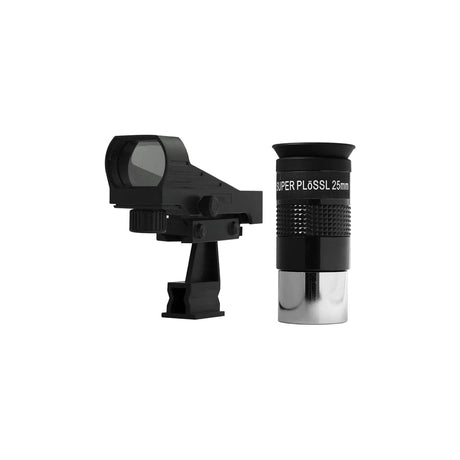
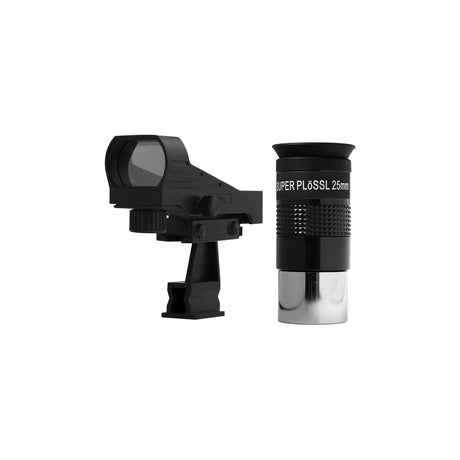
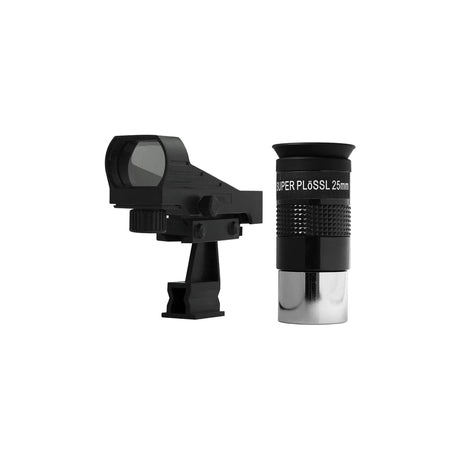
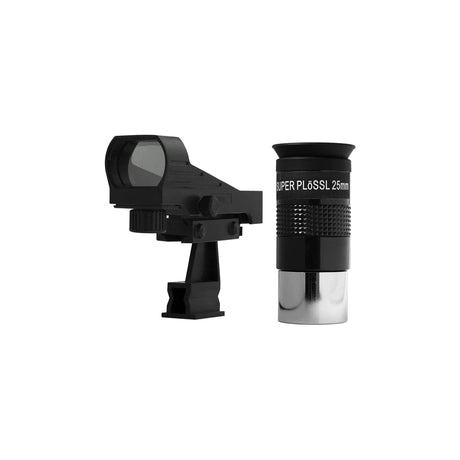
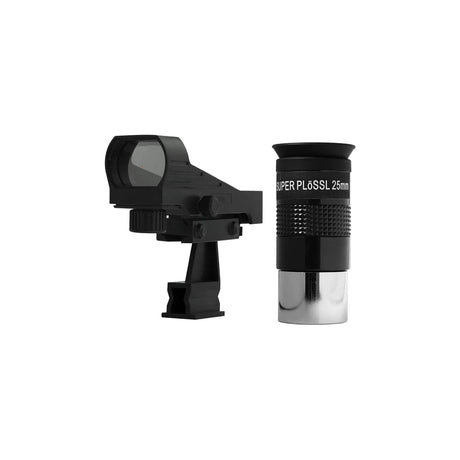
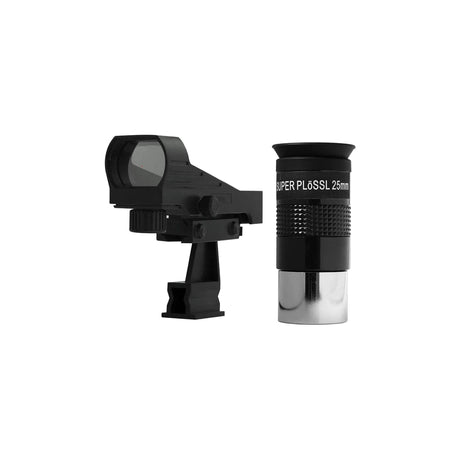
Assemble it indoors in daylight, learn how your mount moves, and align the finder on a distant object in daylight before your first night out.
For the first night, read How to Set Up a Telescope, and for what each size shows, Minimum Telescope Size to See Saturn's Rings Clearly.