





What deep-sky observing needs
Aperture
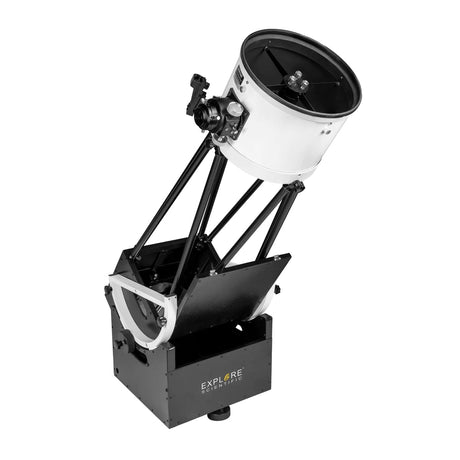
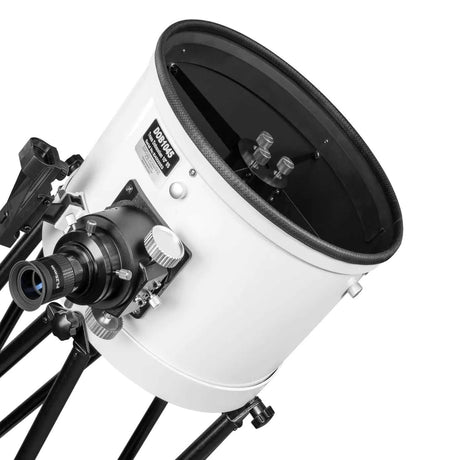
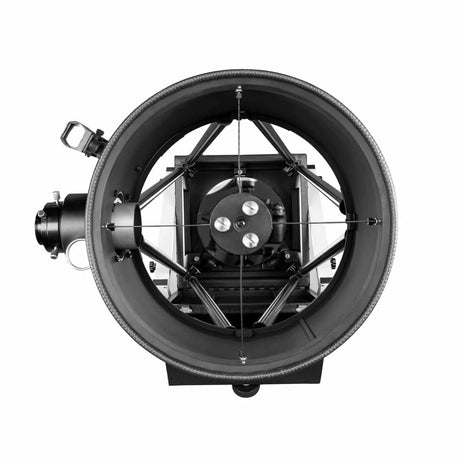
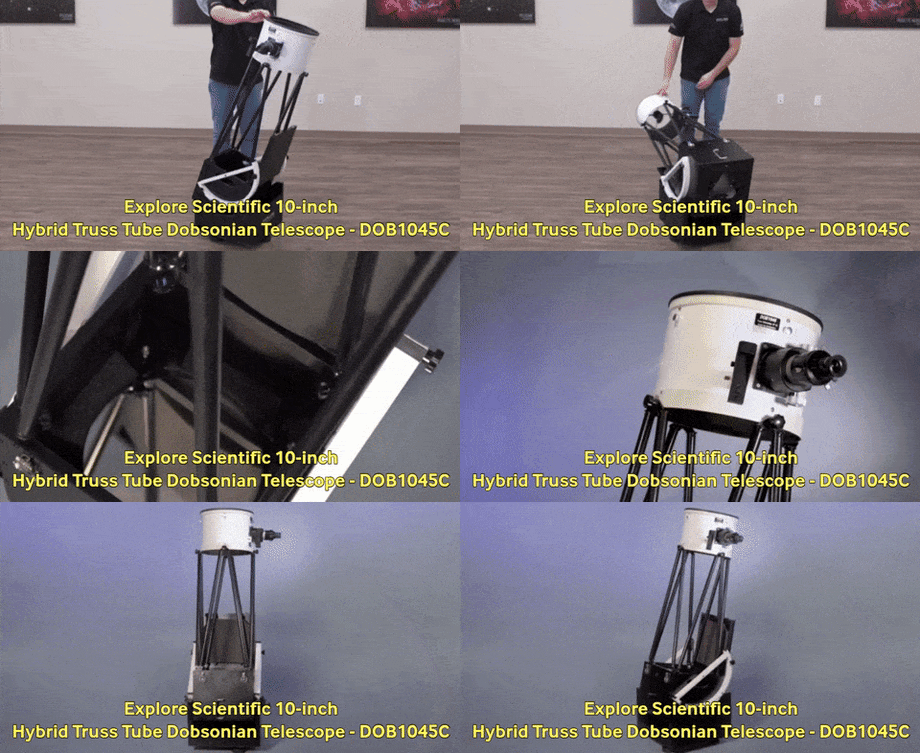
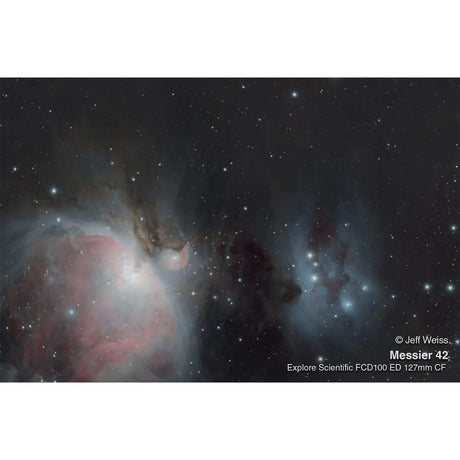
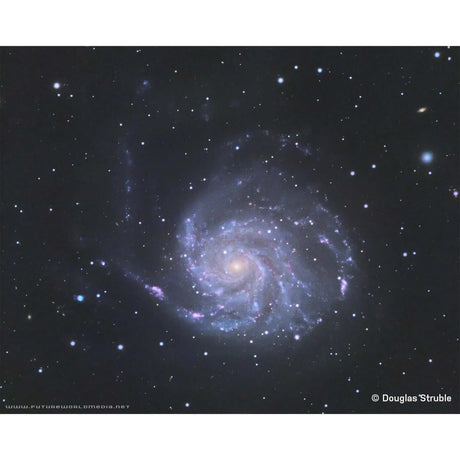
Galaxies, nebulae and star clusters are faint, so aperture matters more than anything else. Explore Scientific's 10-inch Dobsonian collects about 47 percent more light than its 8-inch, which under a dark sky brings out more detail in a galaxy's spiral arms.
Dark skies and dark-adapted eyes
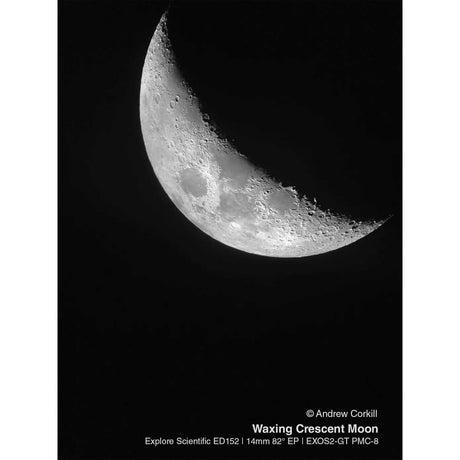
The Moon, Jupiter's moons and bright clusters look fine from a suburban yard, but faint galaxies and nebulae need a darker site. Give your eyes 20 to 30 minutes in the dark to reach full sensitivity, and keep bright white light away.
Reflector or APO?
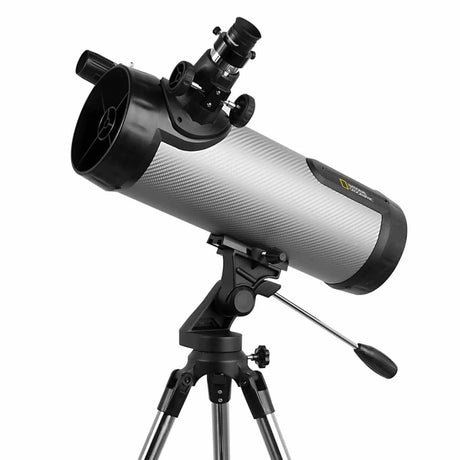
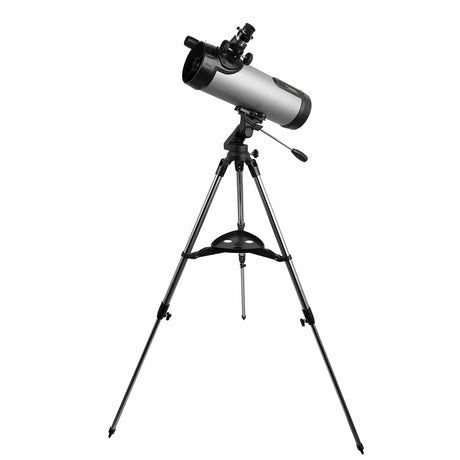
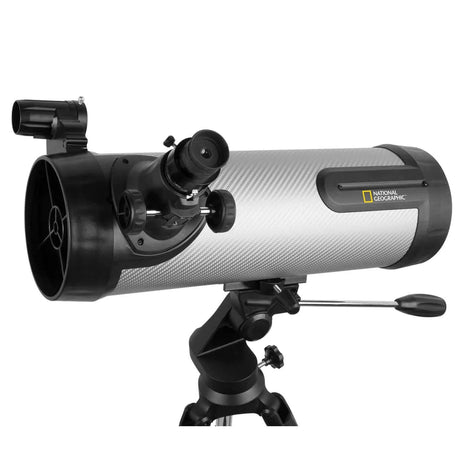
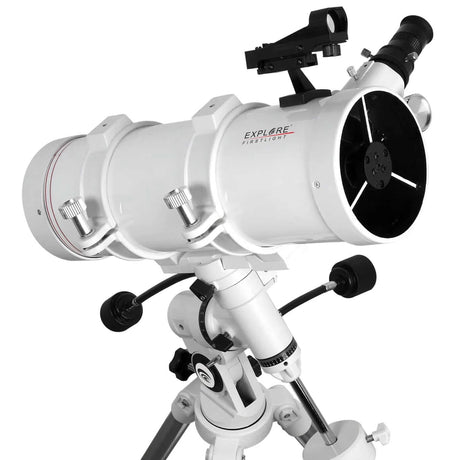
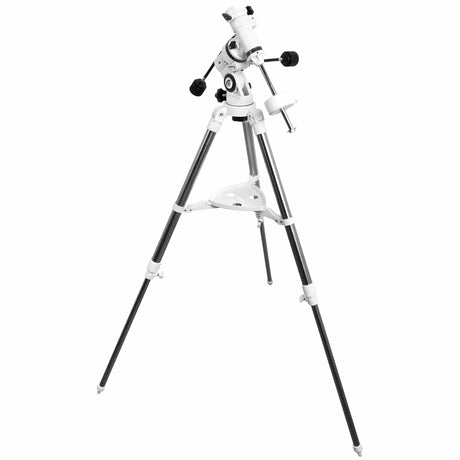
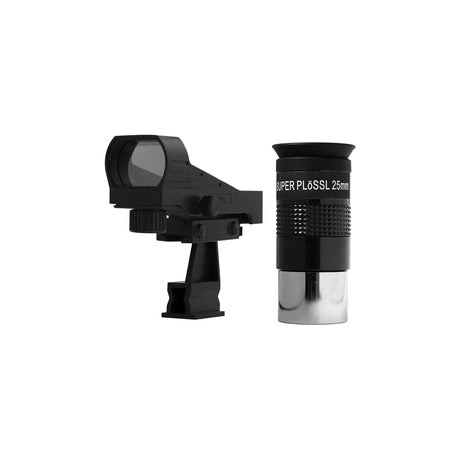
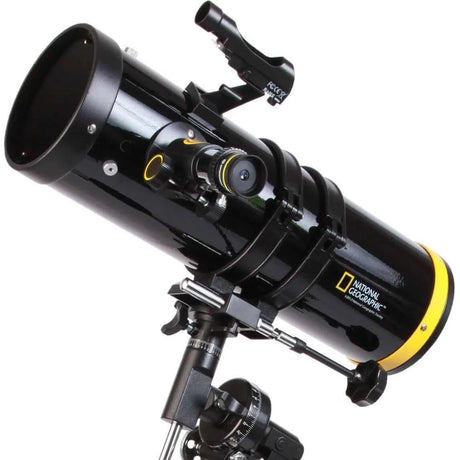
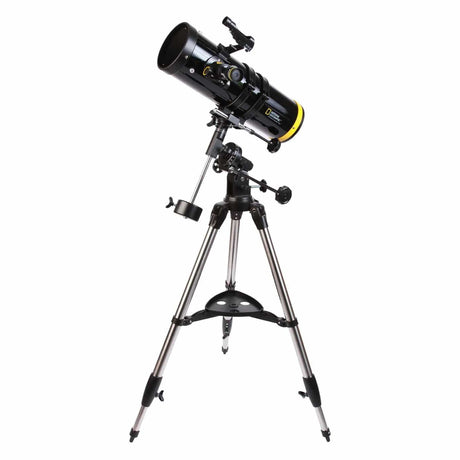
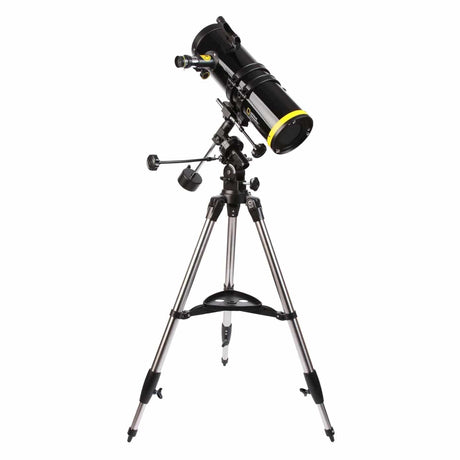
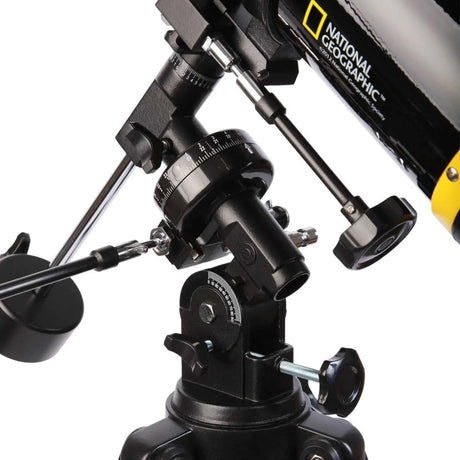
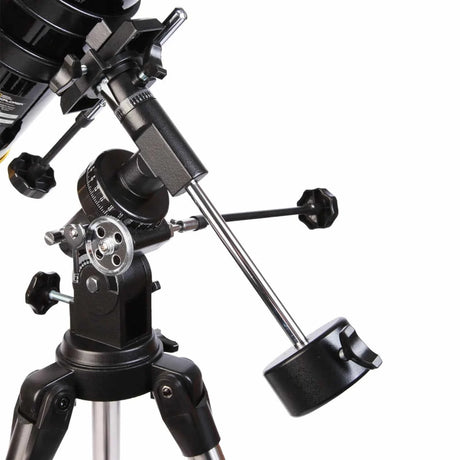
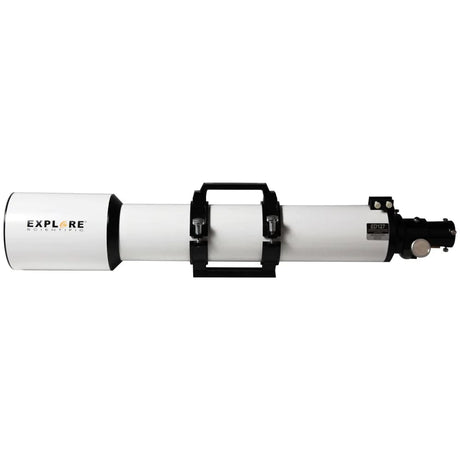
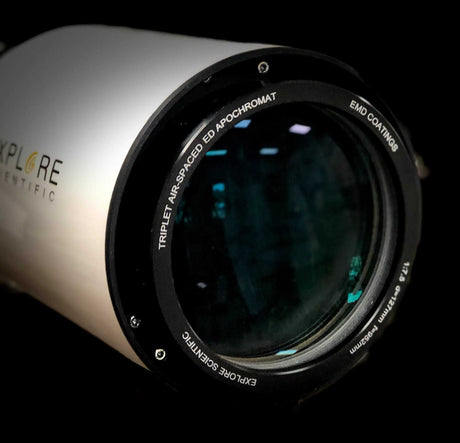
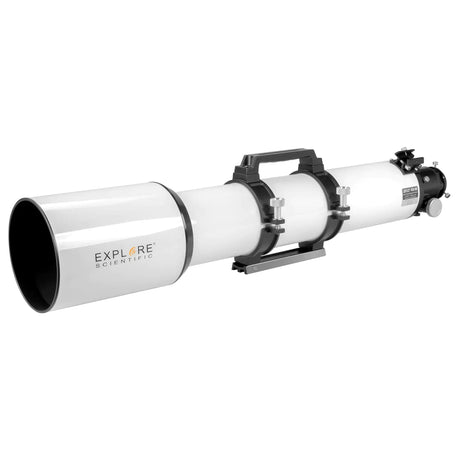
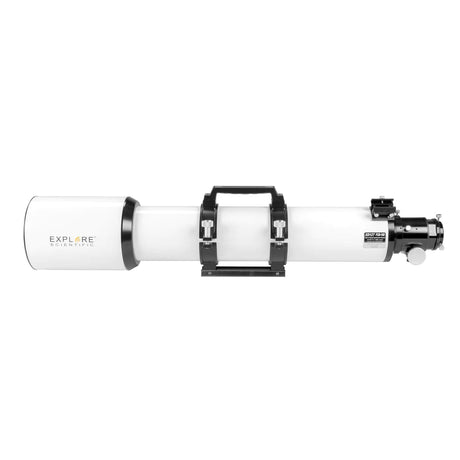
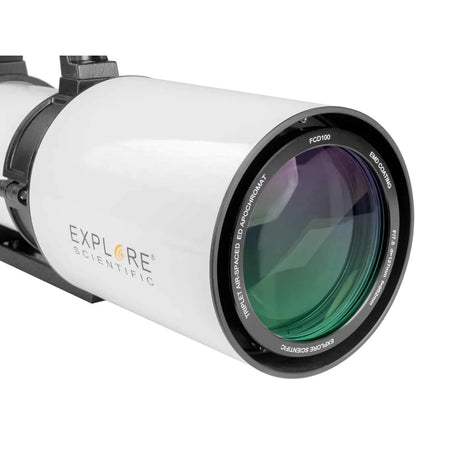
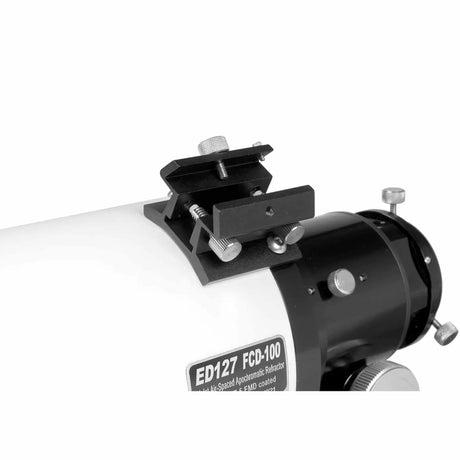
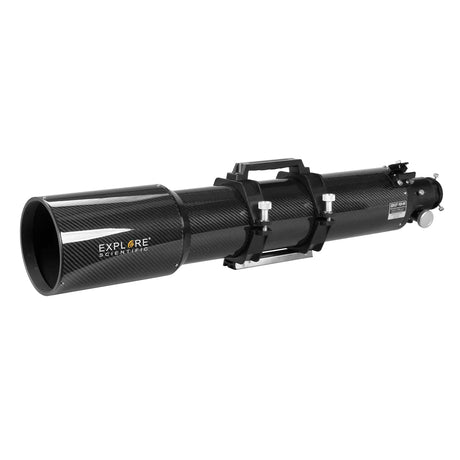
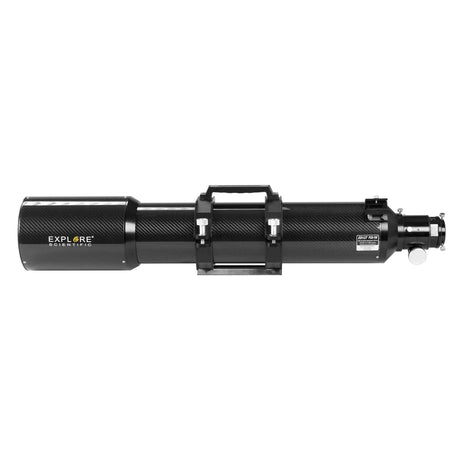
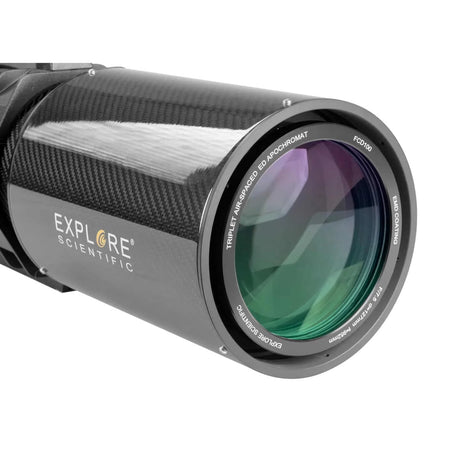
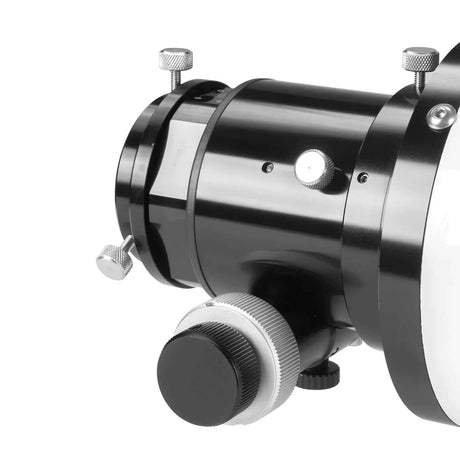
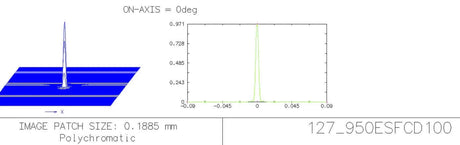
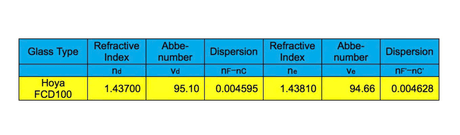
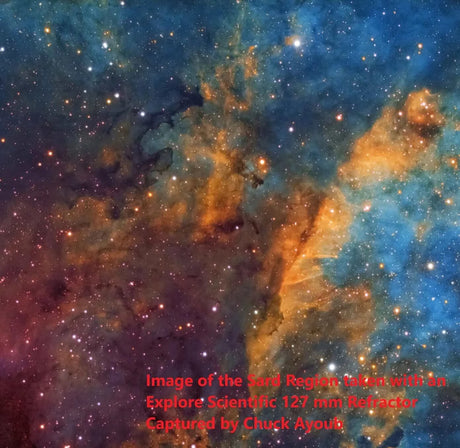
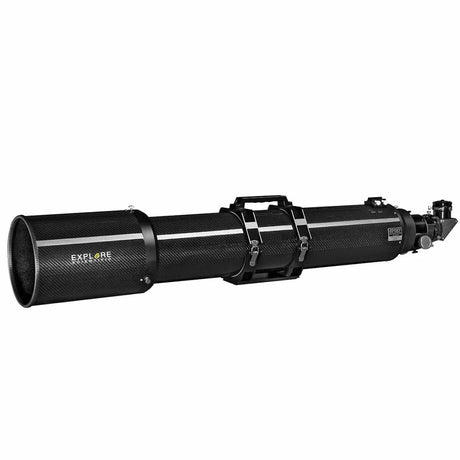
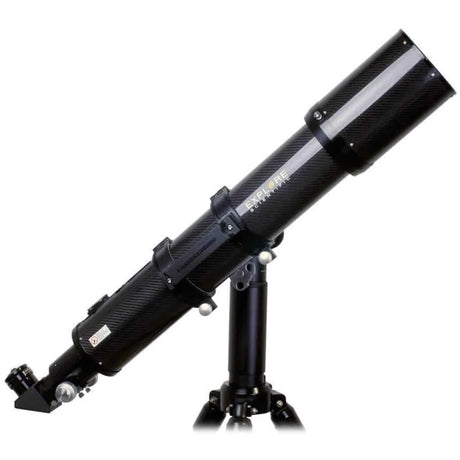
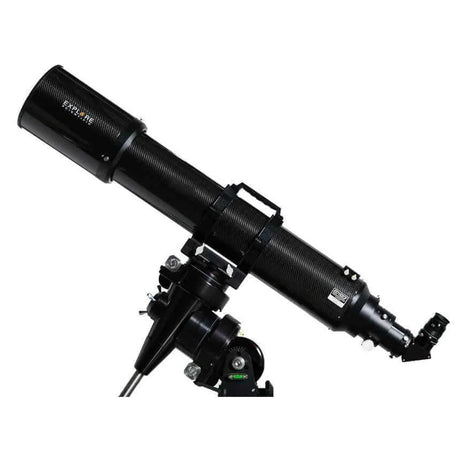
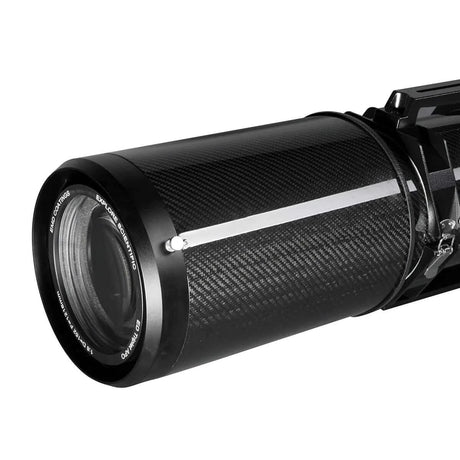
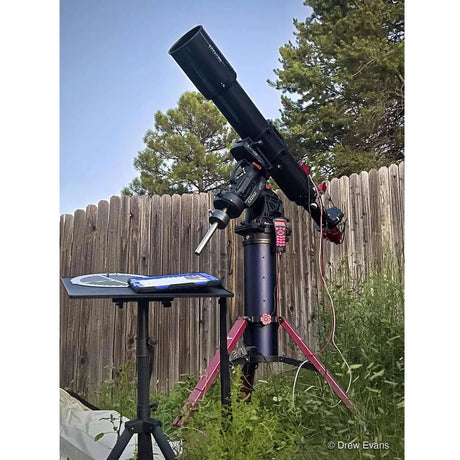
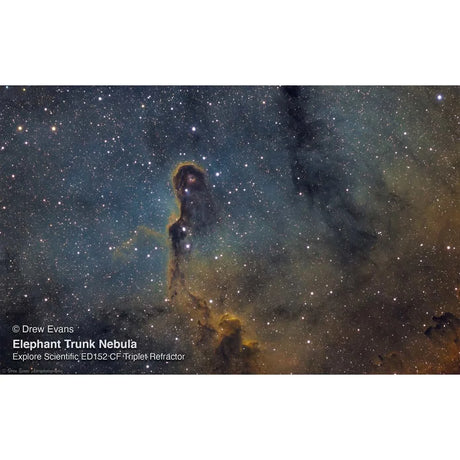
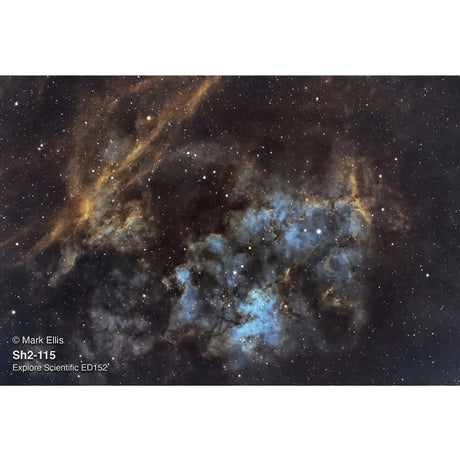
For looking, a reflector gives the most aperture for the money, from the 6-inch Tabletop Dobsonian to the 10-inch models. For imaging, an APO triplet such as the ED127 or ED152 corrects color for clean star images. Long exposures also need an equatorial mount, which tracks the sky on one axis once it is polar aligned.
Frequently Asked Questions
What aperture do I need for galaxies?
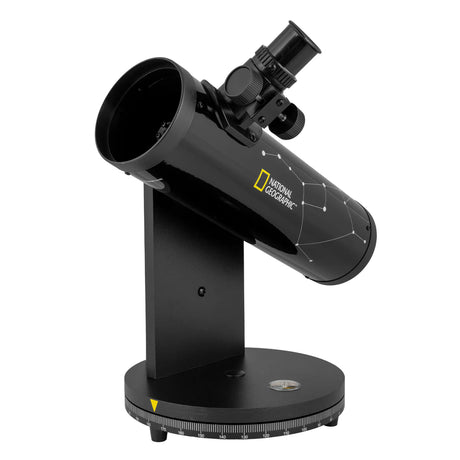
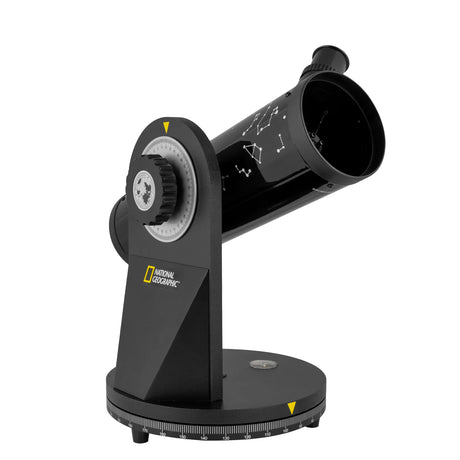
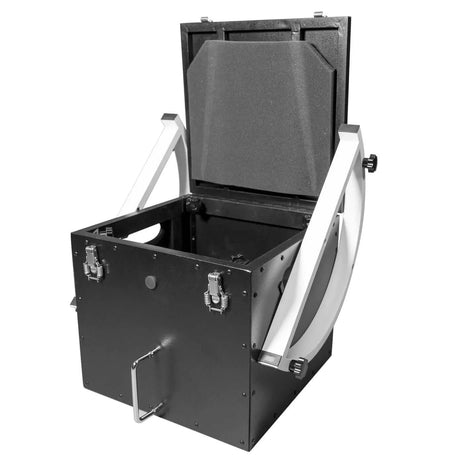
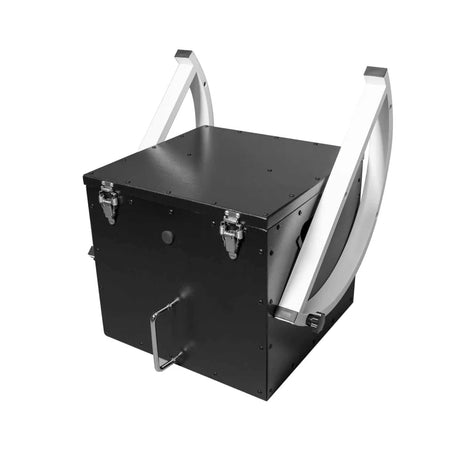
A 130 mm reflector shows the brighter galaxies, and more aperture shows them better, which is why Dobsonians, with large mirrors on simple bases, suit deep-sky observing.
Do I need a filter?
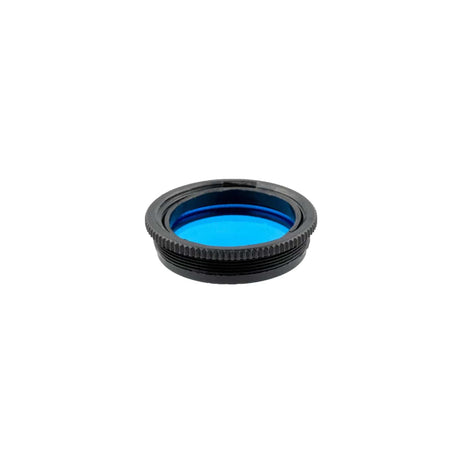
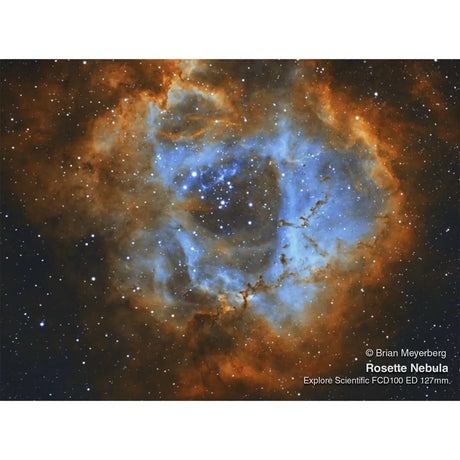
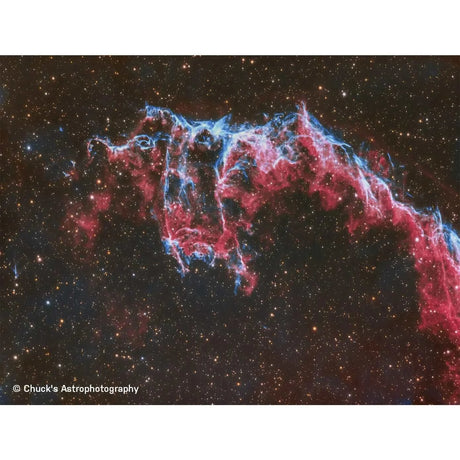
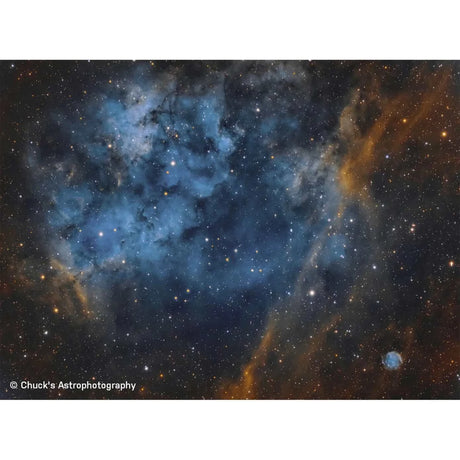
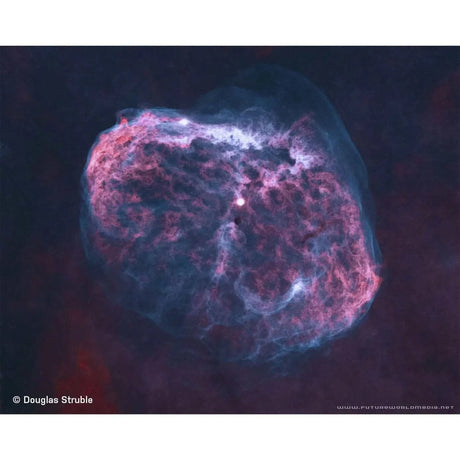
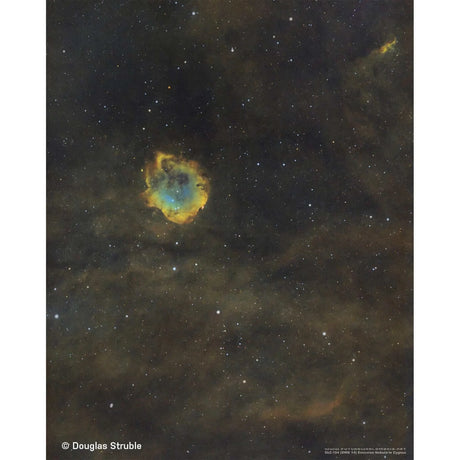
Not to start. An Oxygen III filter helps a great deal on emission nebulae, because it passes the oxygen light they glow in and blocks most of the rest.
How long does a reflector need to cool?
About half an hour. A mirror warmer than the night air makes the view shimmer until it cools.
For the size question, read 8 Inch vs 10 Inch Dobsonian Telescope, and for nebula filters, A Guide to Choosing the Right Telescope Filters.