
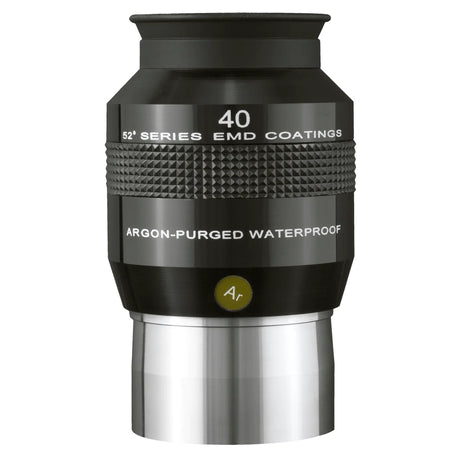
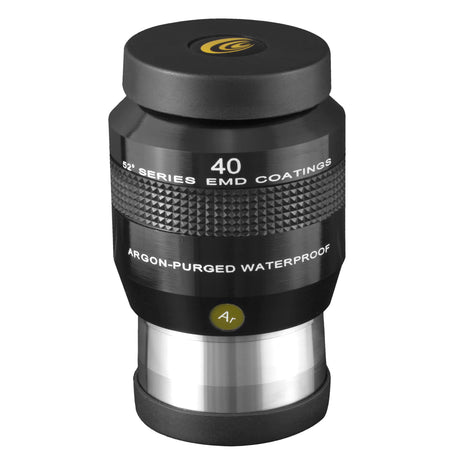

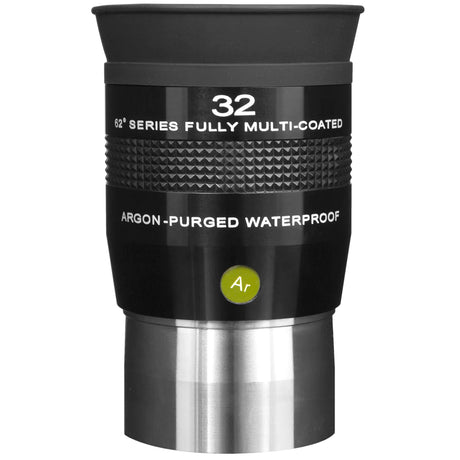
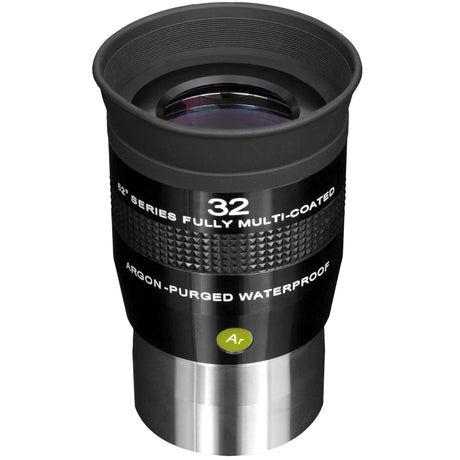










Why 2-inch
A 2-inch barrel allows a field stop of about 46 mm, against 27 mm for a 1.25-inch, so long, wide-field eyepieces can show the widest true fields a telescope gives. The exact true field is the field stop divided by the telescope's focal length, times 57.3.
What's here
Eyepieces
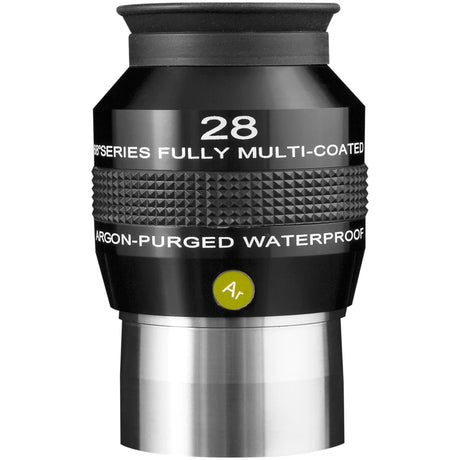
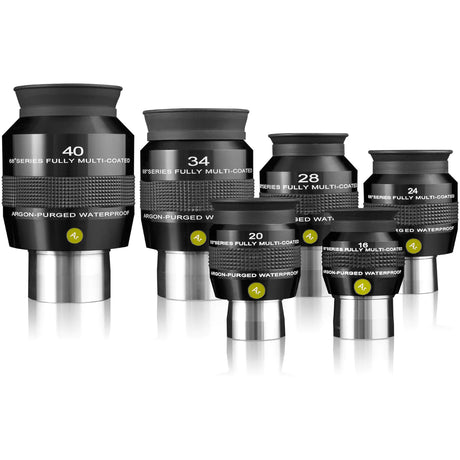
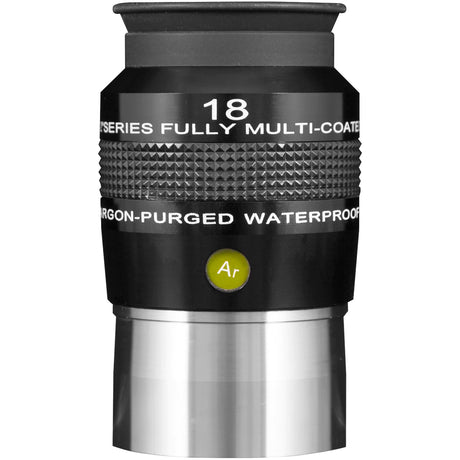
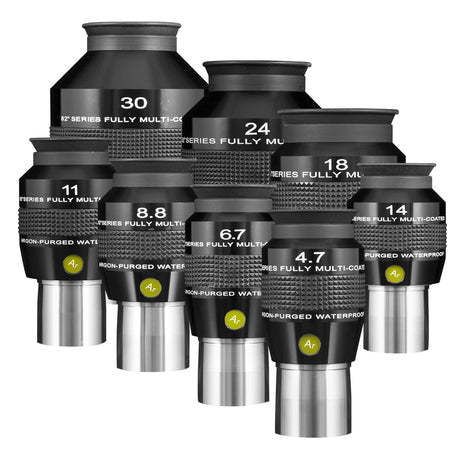
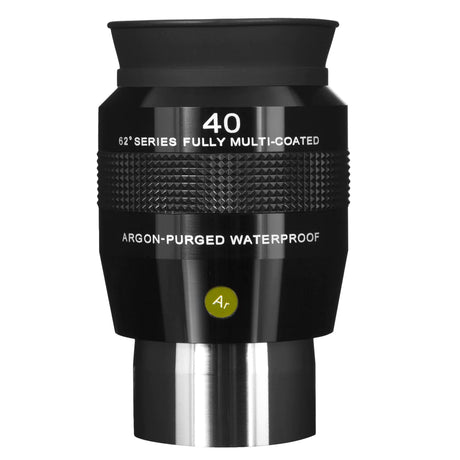
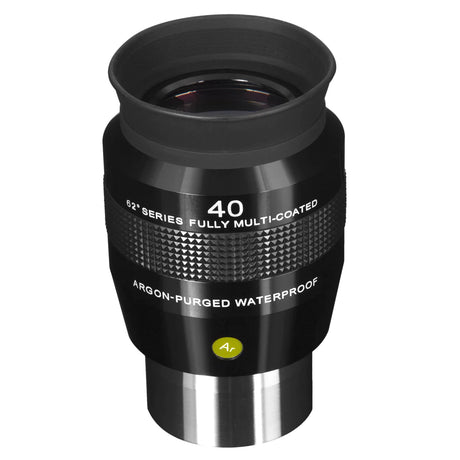
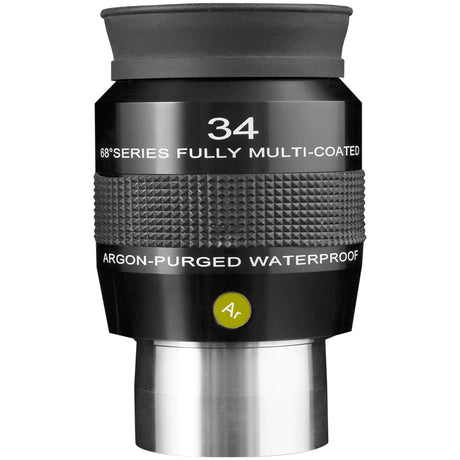
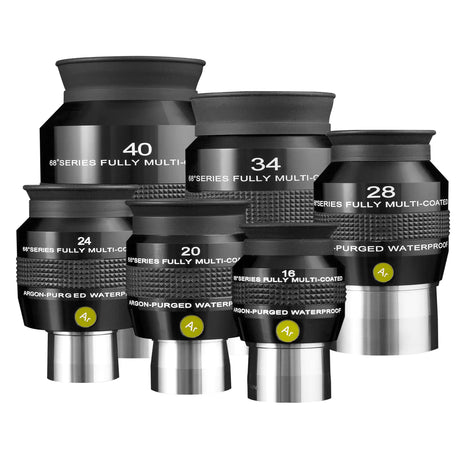
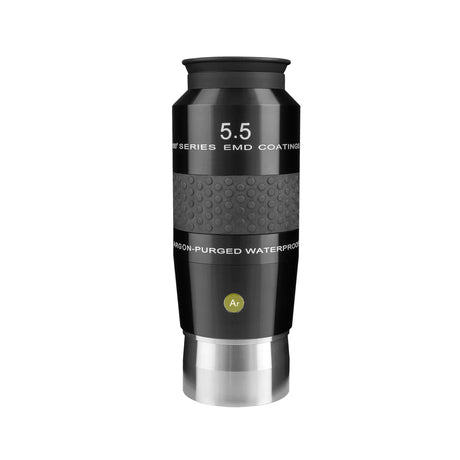
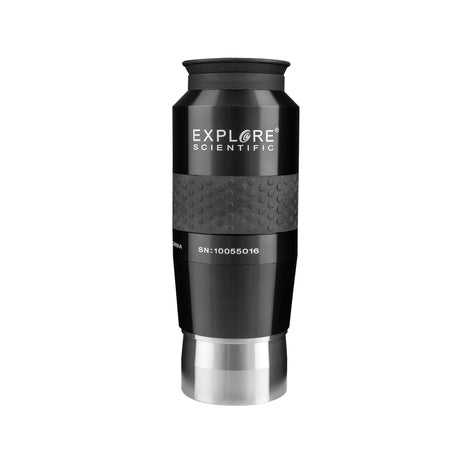
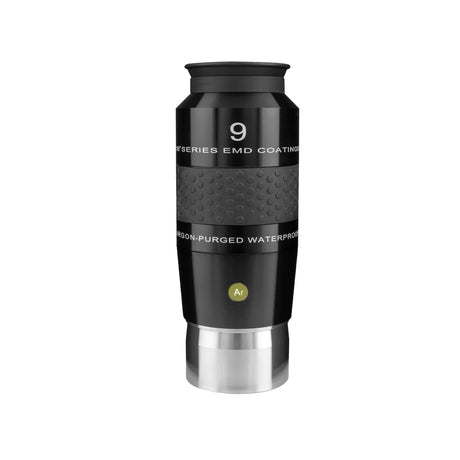
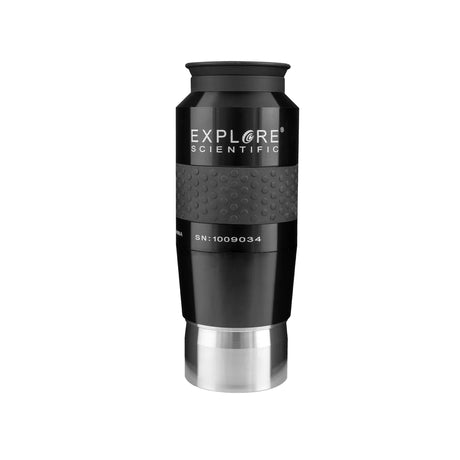
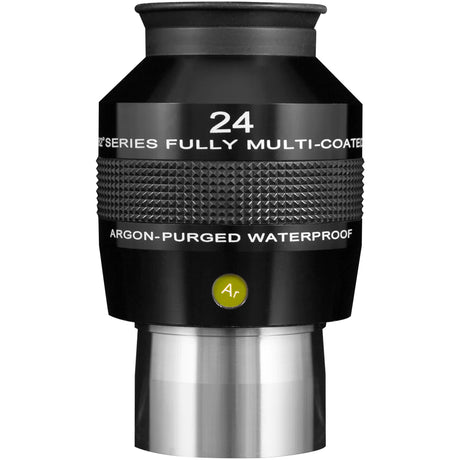
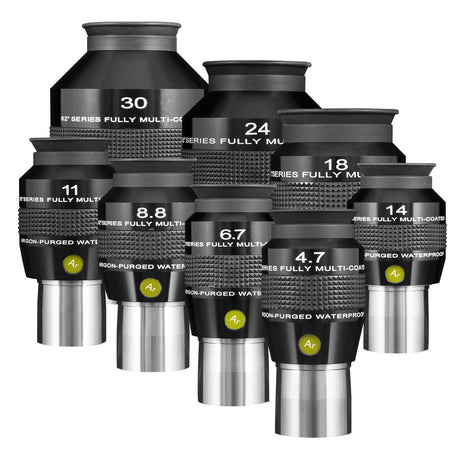
Twenty eyepieces from eight Explore Scientific series: the 100° from 5.5 to 25 mm, the 92°, 82°, 72° ED, 68°, 62° and 52°, and the 120°, the widest field in the range.
Filters
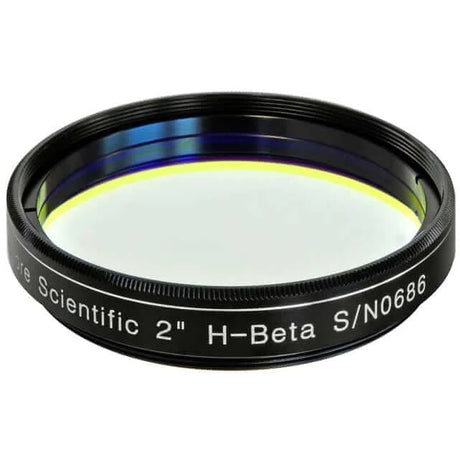
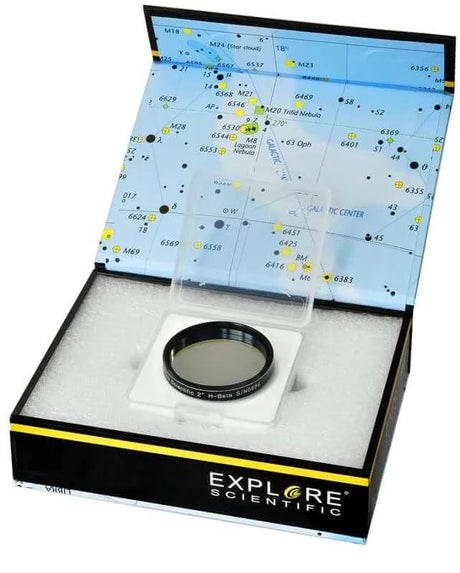
Seven 2-inch filters: H-alpha, S-II and O-III narrowband filters for imaging emission nebulae, an H-Beta, and the variable polarizing filter for the Moon.
Fit and balance
Check that your focuser or diagonal takes 2-inch accessories: a 2-inch barrel will not fit a 1.25-inch fitting. The widest eyepieces are heavy, the 100° models from about 21 oz up, so balance the telescope for them. At low power, mind the exit pupil, the aperture divided by the magnification: a dark-adapted young eye opens to about 7 mm, and an observer over 50 may reach only 5 mm.
Frequently Asked Questions
Do I need a 2-inch focuser?
Yes, or a 2-inch diagonal. Many refractors include one, but some entry-level telescopes take only 1.25-inch eyepieces, so check yours before buying.
Which eyepiece gives the widest view?
A long focal length with a wide apparent field. True field is about the apparent field divided by the magnification, so a 30 or 40 mm in a wide series frames the most sky.
What is the H-Beta filter for?
Faint hydrogen-beta nebulae. With the O-III, it is one of the tightest filters, which reward 8 inches of aperture or more.
For the widest fields, browse our 100° eyepieces, and for building a set, read Best Telescope Eyepieces: A Buyer's Guide.