
A telescope opens up the universe, from the craters on the Moon to the rings of Saturn to galaxies millions of light-years away. But choosing the right one matters. The wrong telescope gathers dust; the right one gets used every clear night.
This guide covers the five main telescope types: refractors, reflectors, compound (catadioptric), Dobsonians, and smart telescopes. It explains the key specs that actually matter and helps you match a telescope to your interests, budget, and experience level.
Types of Telescopes Explained
Every telescope gathers light and magnifies distant objects, but they do it in different ways. Each design has trade-offs in image quality, portability, price, and maintenance. Here are the five main types:
Refractor Telescopes
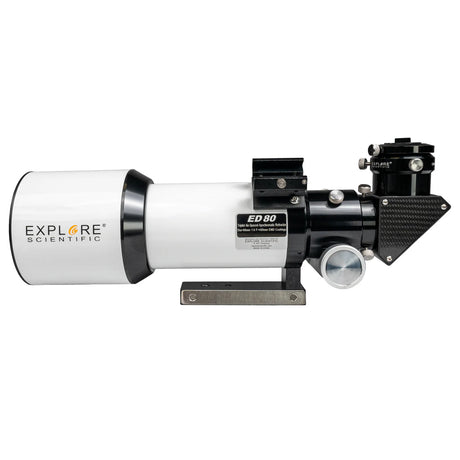
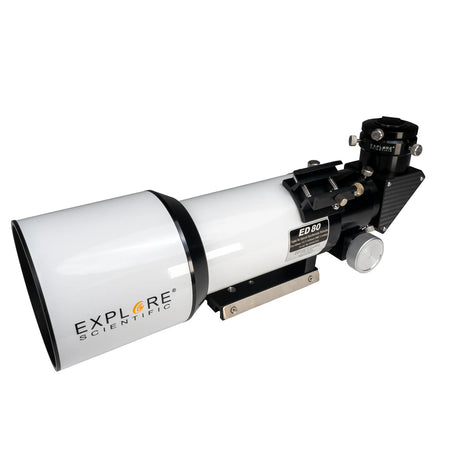
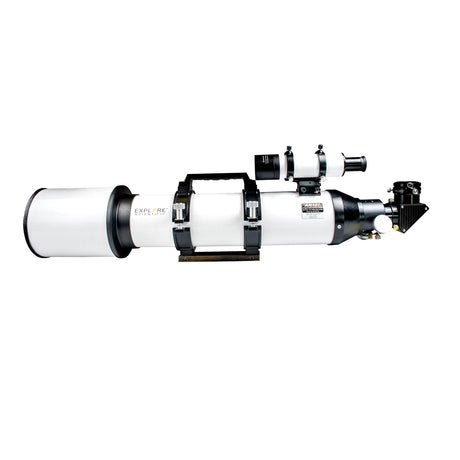
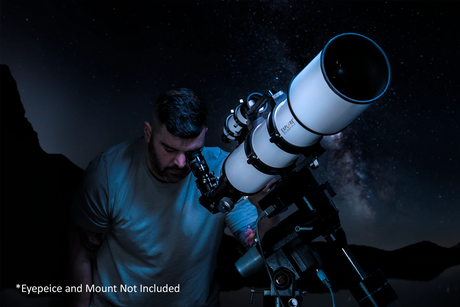
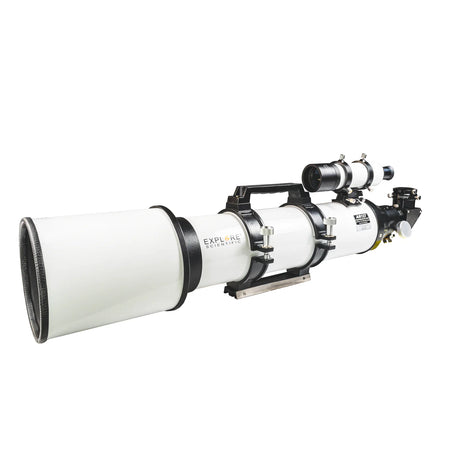
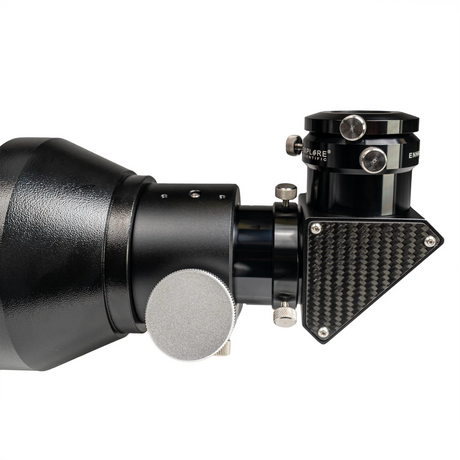
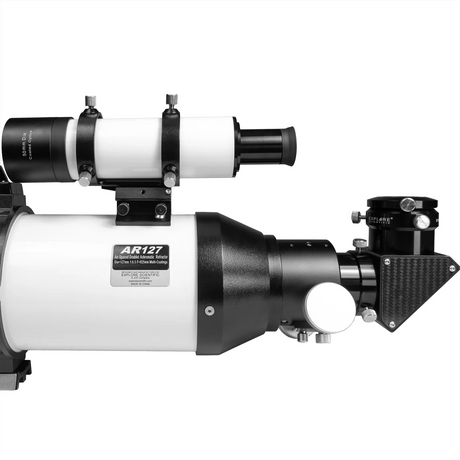
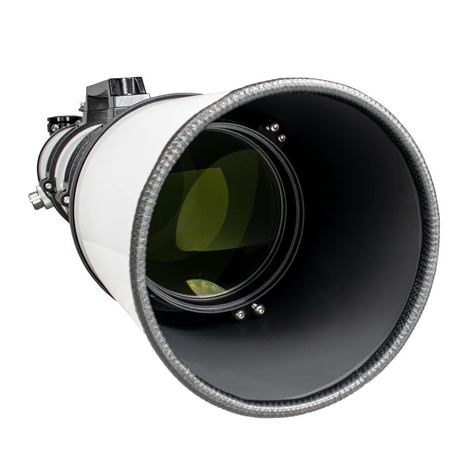
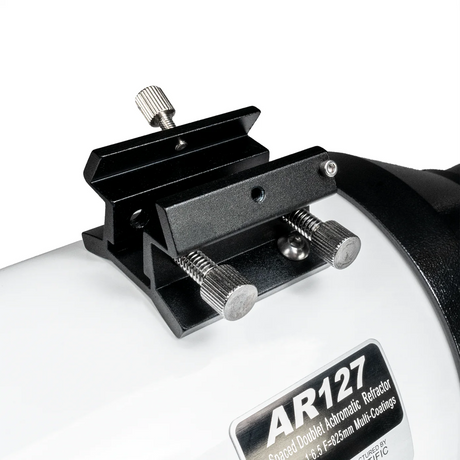
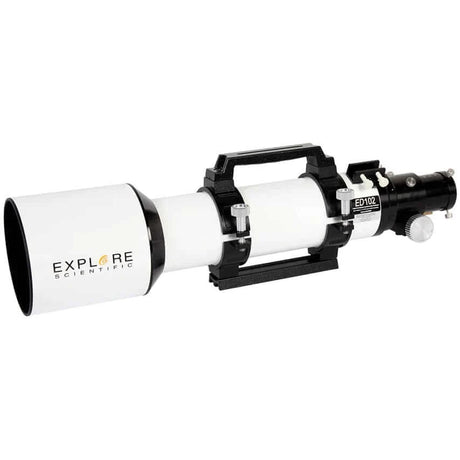
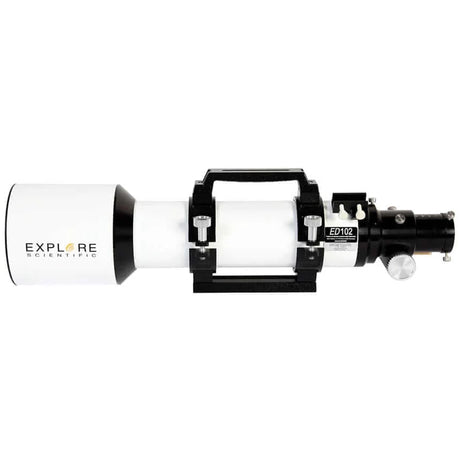
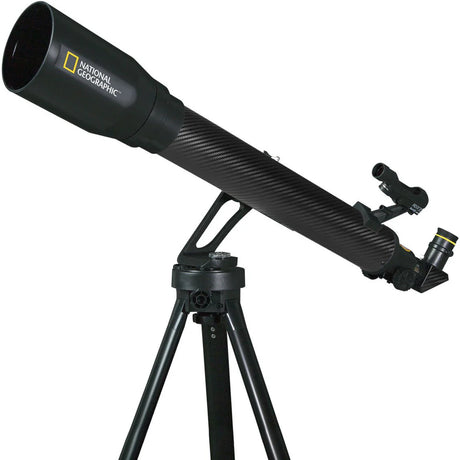
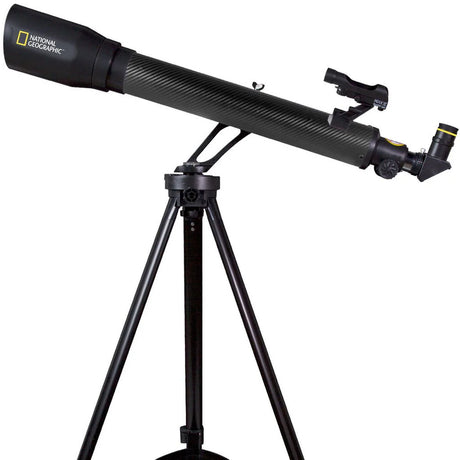
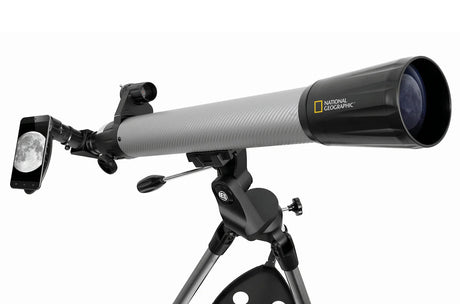
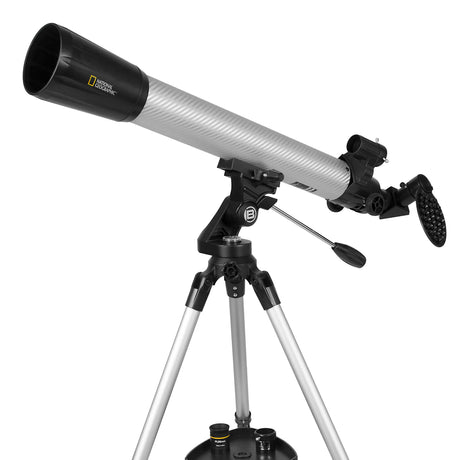
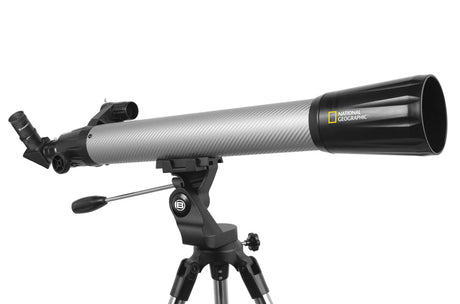
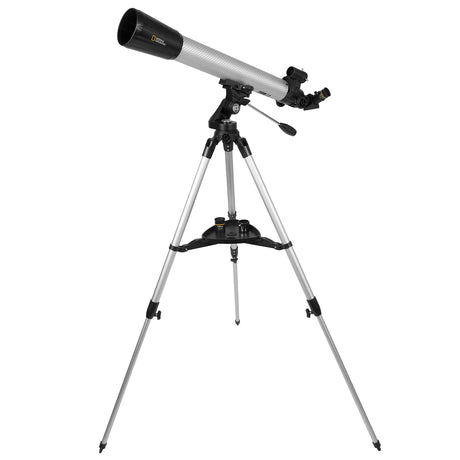
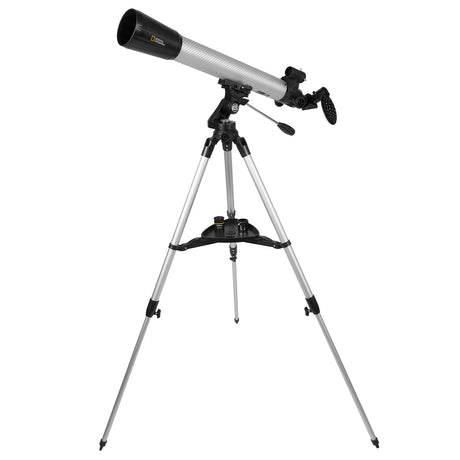
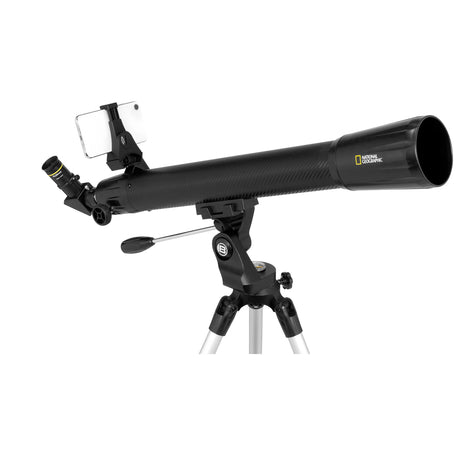
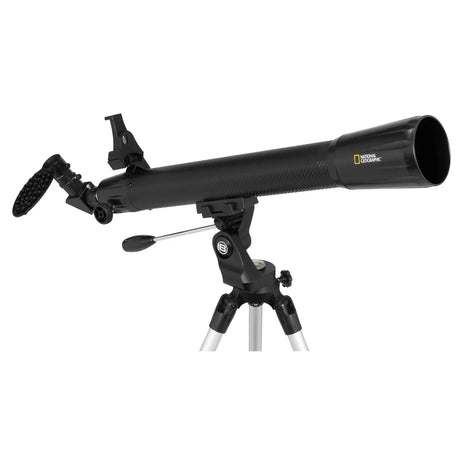
The classic tube-and-lens design. Light enters through an objective lens at the front and comes to focus at the eyepiece. Refractors produce sharp, high-contrast images with little maintenance: no mirrors to align. They excel at planetary and lunar viewing and are among the easiest types for beginners to use.
- Achromatic (doublet) refractors — affordable, good for visual use. Some color fringing on bright objects at higher magnifications.
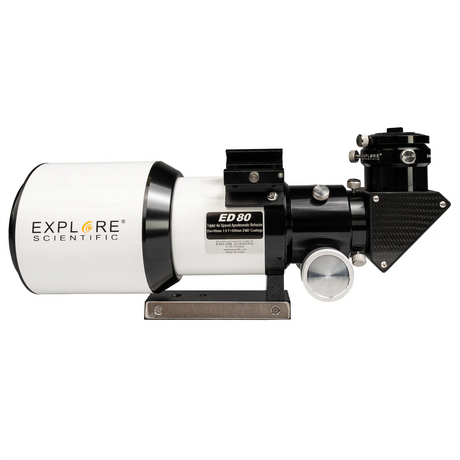
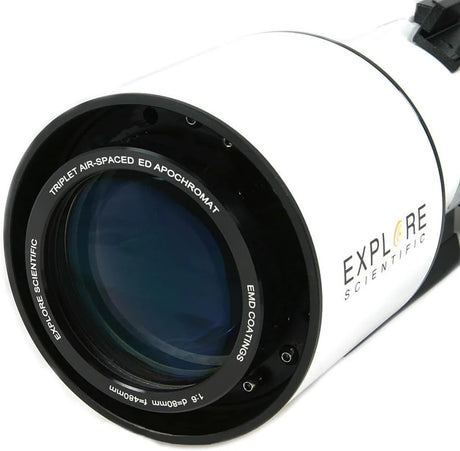
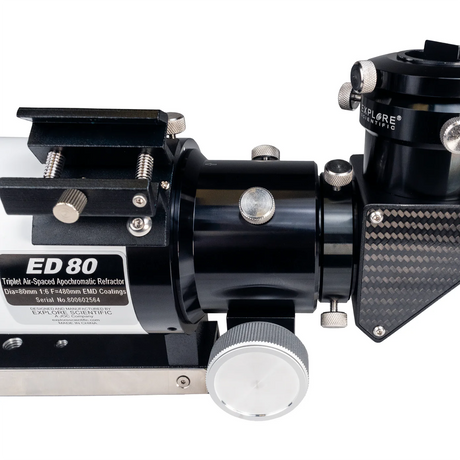
- Apochromatic (triplet) refractors — premium ED or fluorite glass minimizes color fringing, which matters at high power and in astrophotography.
Reflector Telescopes
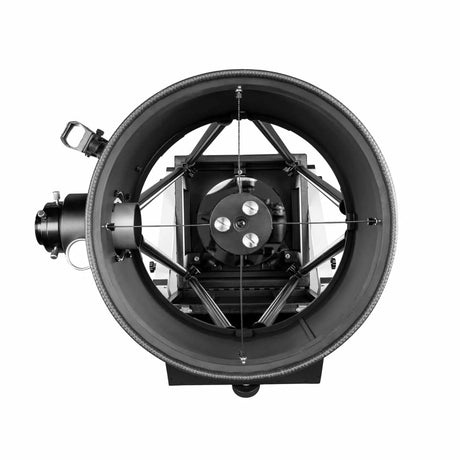
Use mirrors instead of lenses to gather light. The main advantage: more aperture for your money. A 6" reflector costs a fraction of a 6" refractor. This makes reflectors ideal for deep-sky viewing: galaxies, nebulae, and star clusters that demand large apertures to see well. The trade-off is occasional mirror alignment (collimation), which is straightforward once you learn the process.
Dobsonian Telescopes
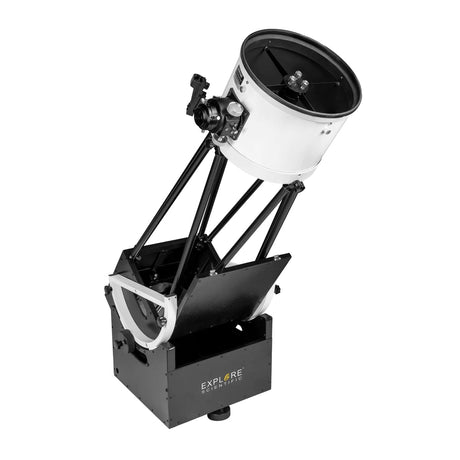
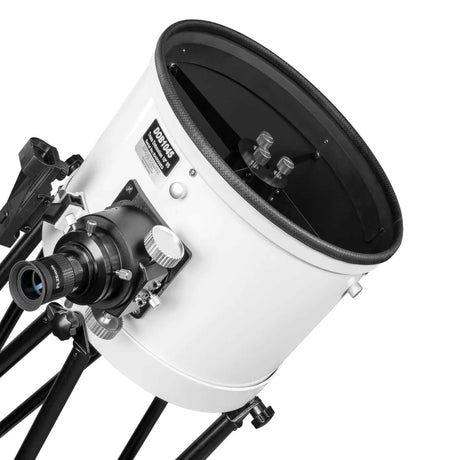
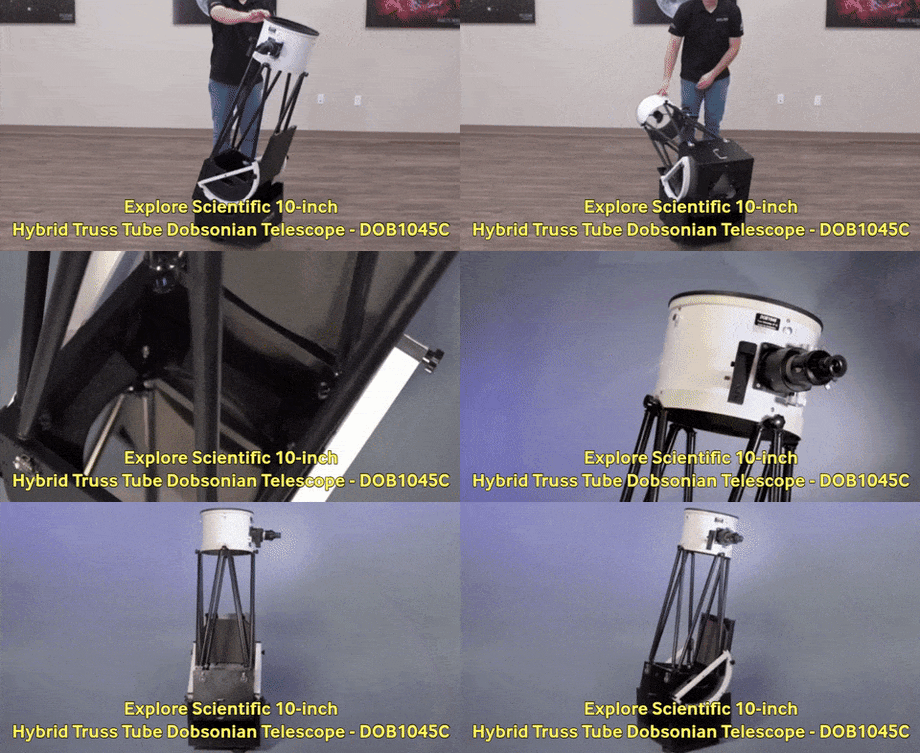
A Dobsonian is a Newtonian reflector on a simple, sturdy alt-azimuth base. The design maximizes aperture while keeping the price low: an 8" to 12" Dobsonian delivers more light-gathering power per dollar than any other telescope type. That makes Dobsonians a natural fit for visual deep-sky observing, and Sky & Telescope names a 6- or 8-inch Dob as the cheapest scope that makes no serious compromises.
Compound (Catadioptric) Telescopes
Combine lenses and mirrors in a folded optical path, resulting in a compact, portable tube with long focal length. The two most common designs:
- Schmidt-Cassegrain (SCT) — versatile all-rounders. Good for planets, deep-sky, and astrophotography.
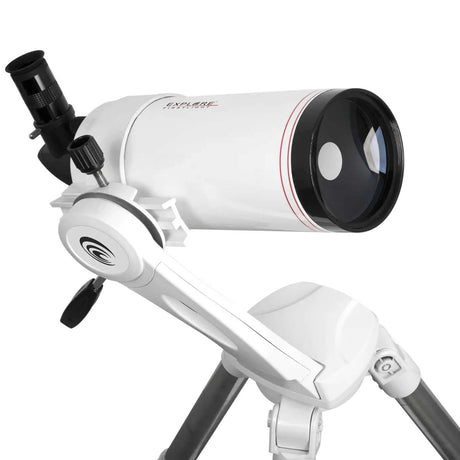
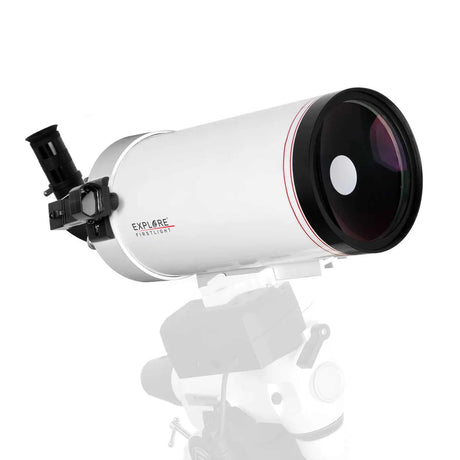
- Maksutov-Cassegrain (Mak) — excellent planetary performance in a very compact package. Great as a grab-and-go travel scope.
Smart Telescopes
A newer category that combines a telescope with a built-in camera, processor, and app control. Smart telescopes automatically locate targets, stack exposures in real time, and display the result on your phone or tablet, revealing colors and detail in nebulae and galaxies that visual telescopes can't show. No optical eyepiece, no alignment skills needed. Ideal for beginners who want instant results and anyone interested in astrophotography without the learning curve.
Quick Reference: Which Telescope for Your Interest?
- Moon & planets: Refractor (4–6") or Maksutov-Cassegrain. High contrast and sharp detail at high magnification.
- Deep-sky (galaxies, nebulae): Dobsonian (8–12"). Maximum aperture for the budget. More light = more detail on faint objects.
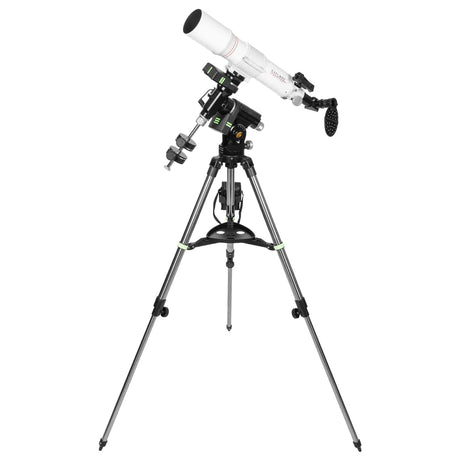
- Astrophotography: APO refractor on an equatorial mount for wide-field imaging, or an SCT for planetary imaging.
- Portable / travel: Maksutov or compact refractor. Small tubes that fit in a carry-on.
- Family / beginners: Smart telescope for instant gratification, or a 6–8" Dobsonian for the best visual experience per dollar.
- All-around first telescope: An 8" Dobsonian. Big aperture, simple to use, and affordable.
How to Choose the Right Telescope for You
Now that you know the telescope types, here are the specs and features that matter most, and how to match them to your goals.
1. Aperture — The Most Important Spec
Aperture is the diameter of the telescope's main lens or mirror. It determines how much light the telescope collects, which directly affects how bright and detailed objects appear. Bigger aperture = brighter images and more visible detail.
- 3–4" (75–100mm): Moon, planets, bright star clusters. Good for portable travel scopes.
- 5–6" (125–150mm): The beginner sweet spot. Clear planetary detail, and enough light for brighter galaxies and nebulae.
- 8–12" (200–300mm): Serious deep-sky capability. Faint galaxies, nebula structure, and globular clusters become accessible.
2. Focal Length & Focal Ratio
Focal length is the distance from the main optic to the focal point, measured in millimeters. Combined with the eyepiece focal length, it determines your magnification (telescope focal length ÷ eyepiece focal length = magnification).
Focal ratio (f/number) is the focal length divided by the aperture. With a given eyepiece it sets the magnification and field of view; at the same magnification, image brightness depends on aperture, not focal ratio:
- Fast scopes (f/4–f/6): Wider field of view and lower magnification with a given eyepiece. Ideal for deep-sky viewing and wide-field astrophotography.
- Slow scopes (f/8–f/12): Narrower field, higher native magnification. Better for planetary detail and lunar observation.
3. Magnification — Less Is Often More
More magnification is not better. Useful magnification is limited by aperture: the practical maximum is roughly 2x per millimeter of aperture (e.g., a 150mm scope tops out around 300x). Beyond that, images get dim and blurry. For most observing, 50x–150x is where the best views happen.
4. Mount Type
The mount holds the telescope steady and lets you track objects as they move across the sky. A shaky mount ruins the view regardless of optic quality.
- Alt-azimuth — moves up/down and left/right. Intuitive and easy to use. Standard on Dobsonians and beginner scopes. Stable, affordable and needs no alignment, which makes it the best choice for visual observing; the trade-off is that it cannot follow the sky's rotation on a single axis, which limits long-exposure astrophotography.
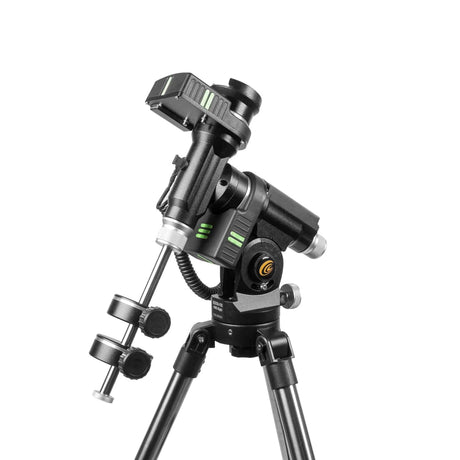
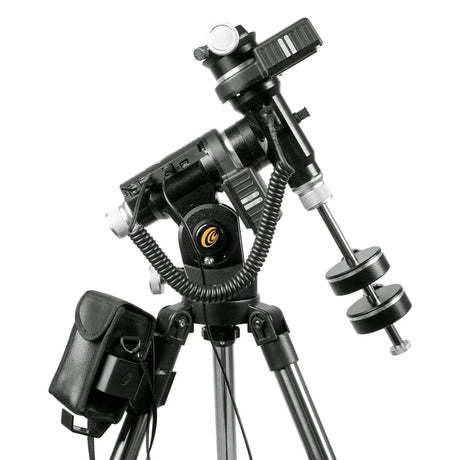
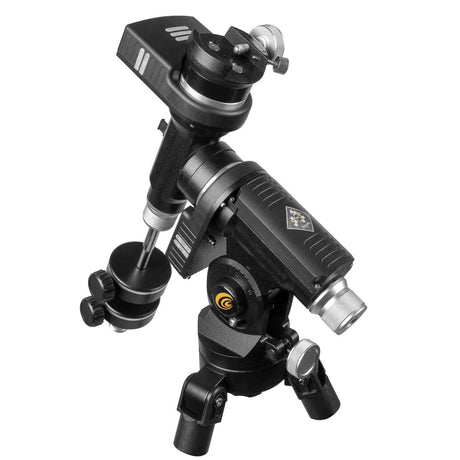
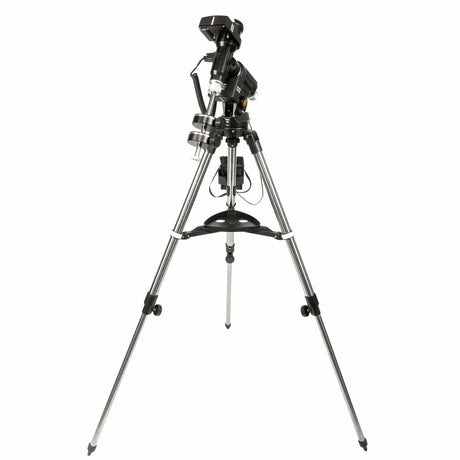
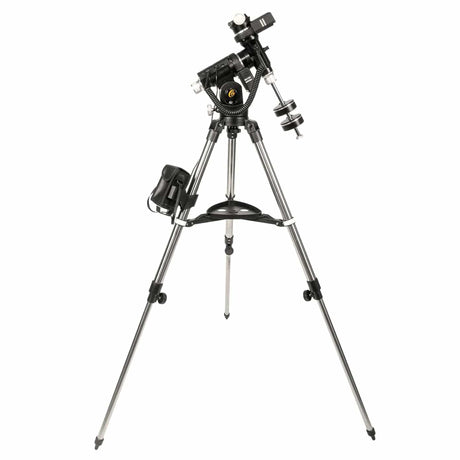
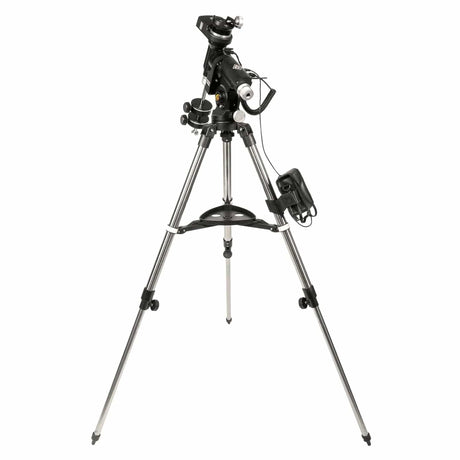
- Equatorial — aligned with Earth's rotation axis, allowing single-axis tracking of celestial objects. Essential for long-exposure astrophotography. The trade-off: setup requires polar alignment (pointing the mount's axis at Polaris), and an equatorial mount is heavier and costs more than an alt-az mount of similar load capacity.
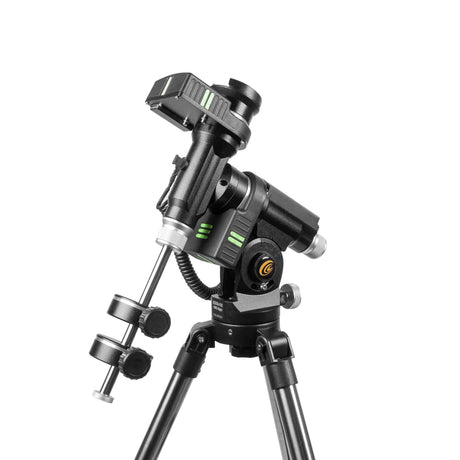
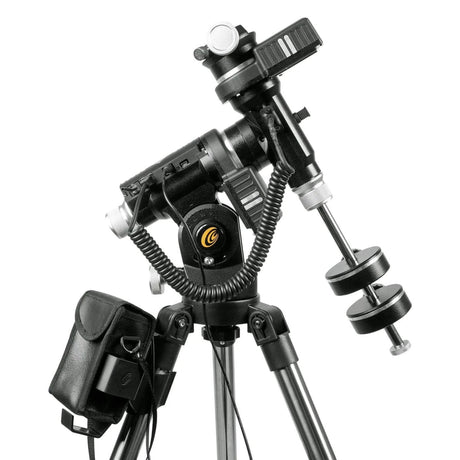
- Computerized GoTo — automatically locates and tracks objects from a database of thousands of targets. Eliminates the need to learn star-hopping. Available on both alt-az and equatorial platforms.
For visual observing, a Dobsonian's alt-az base is hard to beat: stable, affordable, and it puts your budget into aperture rather than electronics.
5. Portability
Consider where and how you'll use the telescope. A 12" Dobsonian delivers stunning views but weighs 50+ lbs. A 5" Mak fits in a backpack. Match the size to your reality:
- Backyard only: Size and weight matter less. Prioritize aperture.
- Car travel to dark sites: A collapsible Dobsonian or mid-size SCT works well.
- Hiking / air travel: Compact refractor (3–4") or Maksutov.
6. GoTo vs. Manual — Which Is Right for You?
GoTo mounts find objects automatically: point, click, observe. They save time and reduce frustration, especially under light-polluted skies where few stars are visible to navigate by. Manual mounts cost less and teach you the sky. Neither choice is wrong: it depends on whether you value convenience or the satisfaction of finding objects yourself.
7. What Do You Want to Observe?
- Planets & the Moon: Prioritize long focal length (f/8+) and sharp optics. A 5–6" refractor or Mak delivers excellent planetary views.
- Deep-sky objects: Prioritize aperture. An 8"+ Dobsonian or reflector gathers the light needed for galaxies and nebulae.
- Astrophotography: Prioritize mount quality. A solid equatorial GoTo mount matters more than the telescope itself.
- A bit of everything: A 6–8" Dobsonian or an 8" SCT covers the widest range of targets.
Budget Guide by Telescope Type
Refractor Telescopes:
- Under $300: Small achromatic doublets (60–90mm). Good for Moon and planets. A solid starter for kids or casual use.
- $300–$700: Mid-range achromats (90–120mm) with better coatings and mounts. Brands like Explore Scientific offer quality achromatic doublets and an entry-level ED triplet in this range.
- $700–$1,500: Apochromatic triplets (80–127mm) with premium glass. Excellent for astrophotography and high-contrast planetary viewing.
- $1,500+: Large APO refractors (120mm+). Professional-grade optics for serious imagers and visual observers.
Reflector & Dobsonian Telescopes:
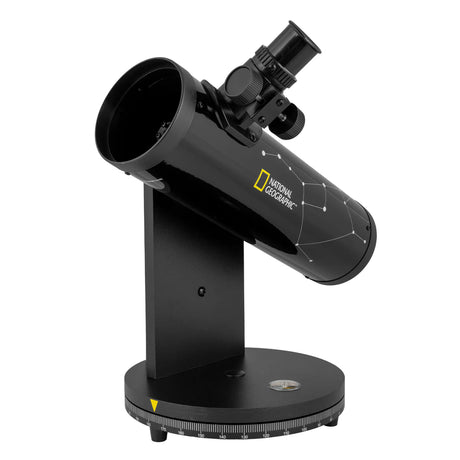
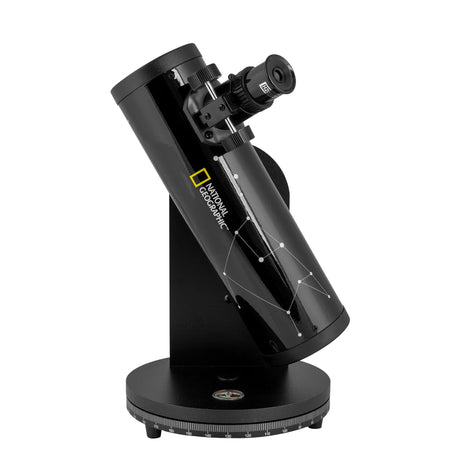
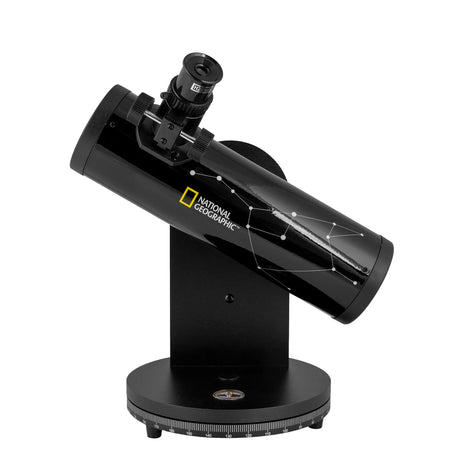
- Under $300: Tabletop Dobsonians (4–5"). Compact, portable, and a great way to start.
- $300–$600: Classic 6–8" Dobsonians. Serious aperture at an accessible price.
- $600–$1,500: 10–12" Dobsonians and larger reflectors. Deep-sky powerhouses.
- $1,500+: 16"+ Dobsonians and premium truss-tube designs. Observatory-class aperture.
Compound (SCT / Mak) Telescopes:
- Under $500: Small Maksutov-Cassegrains (90–127mm). Excellent grab-and-go planetary scopes.
- $500–$1,000: Mid-range Maks and entry SCTs (5–6"). Good all-around performance with compact tubes.
- $1,000–$2,500: 8" SCTs with GoTo mounts, versatile for visual and imaging.
- $2,500+: Large SCTs (9.25–14"). Serious deep-sky and astrophotography platforms.
Smart Telescopes:
- Under $700: Compact all-in-one scopes with 30–50mm lenses, built-in cameras and phone control. A simple way to start imaging nebulae and galaxies, with no separate camera or mount to set up.
- $700–$3,000: Mostly 50mm apochromatic refractors, plus 114mm reflectors near the top of the range. A step up in image quality and features over the compact scopes.
- $3,000+: Apertures up to 6-inch RASA designs, and extras such as a digital eyepiece for live viewing. Built for detailed deep-sky imaging.
Essential Telescope Accessories
Most telescopes come with basic accessories to get you started, but a few upgrades can significantly improve your experience.
Eyepieces
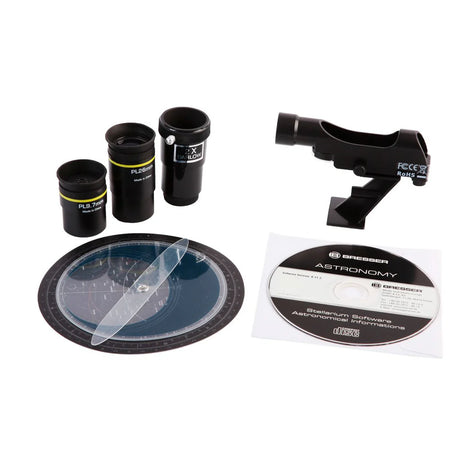
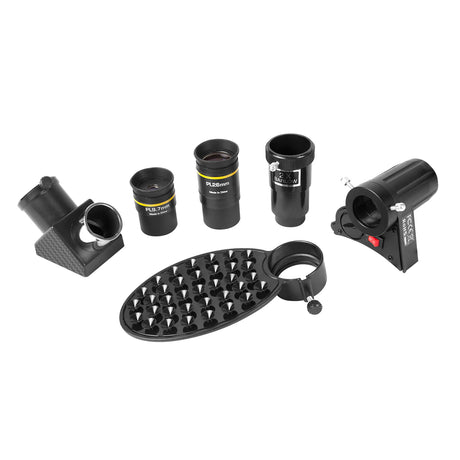
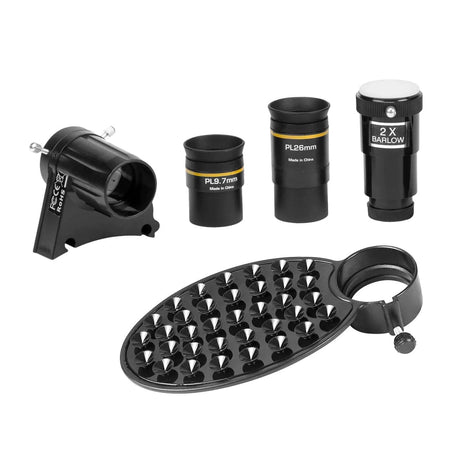
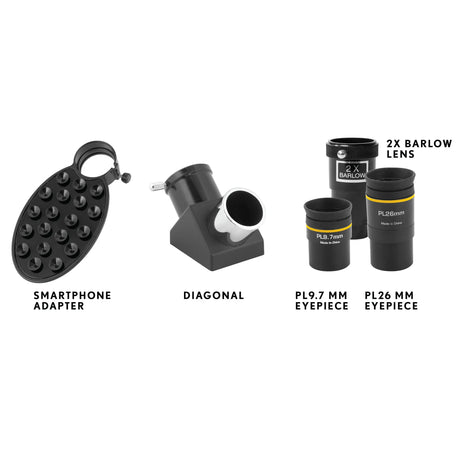
Eyepieces control your magnification and field of view. Most telescopes include one or two basic eyepieces, but adding a few more unlocks the telescope's full potential:
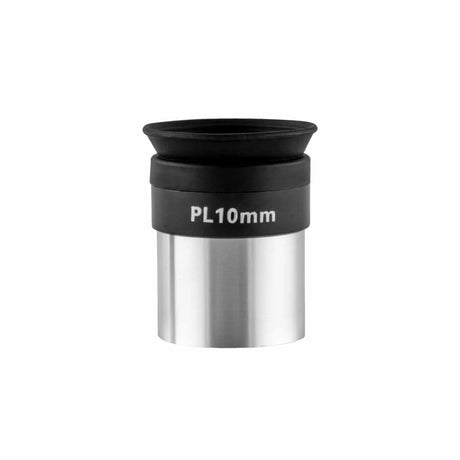
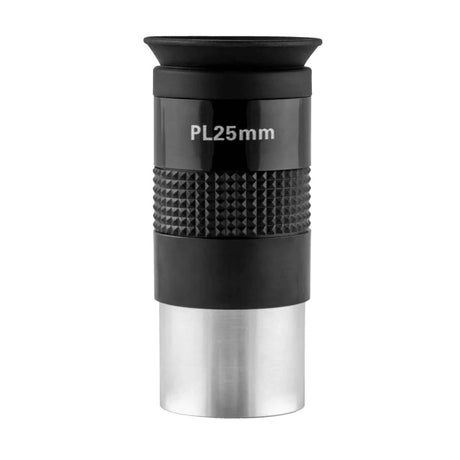
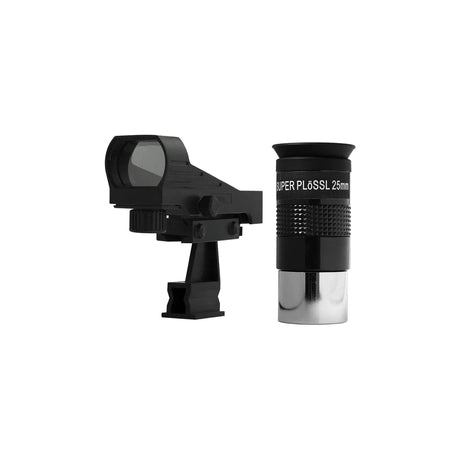
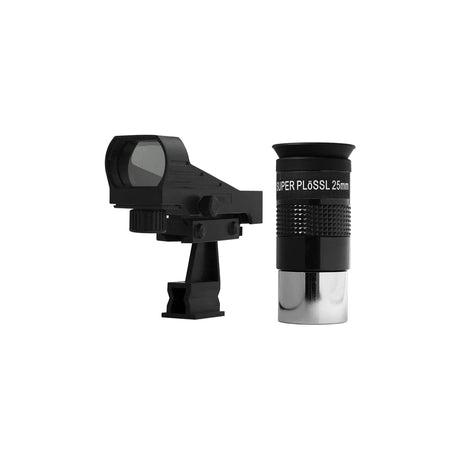
- Low power (25–32mm): Wide field of view for finding objects and scanning star fields. Your most-used eyepiece.
- Medium power (12–18mm): Good balance of magnification and brightness. Great for star clusters and nebulae.
- High power (6–9mm): Detailed planetary and lunar views. Use on nights with steady atmospheric conditions.
Eyepiece barrel size matters: 1.25" is standard for most telescopes; 2" barrels deliver wider fields of view for deep-sky use.
Barlow Lens
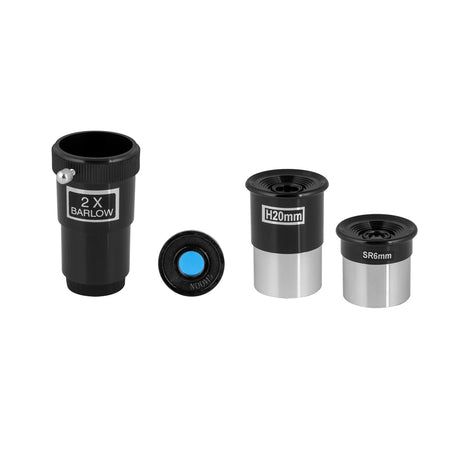
A 2x Barlow lens doubles the magnification of any eyepiece, effectively doubling your eyepiece collection for the price of one accessory.
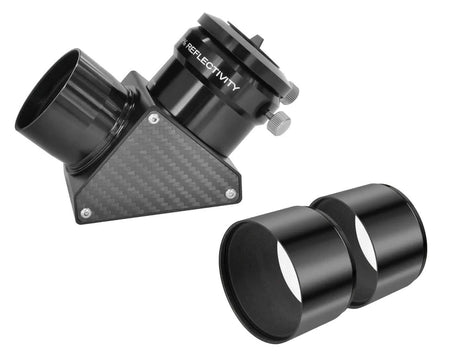
Finder Scope / Red Dot Finder
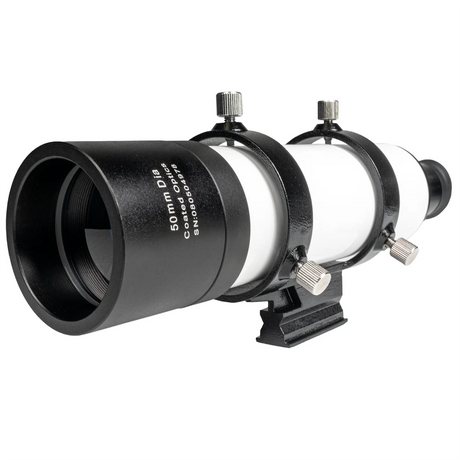
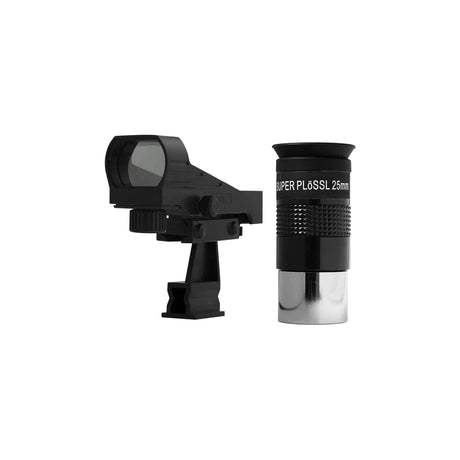
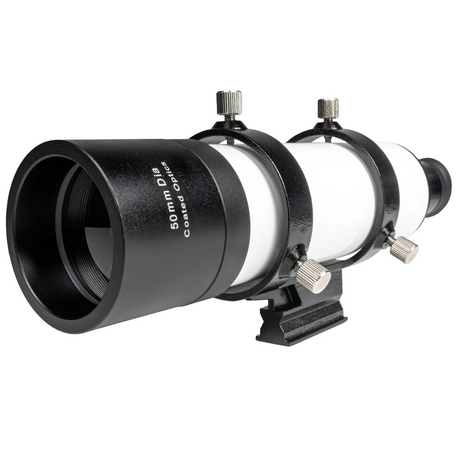
A small aiming device mounted on your telescope to help you locate objects before viewing at high magnification. A red dot finder is the simplest option; a magnified finder scope (6x30 or 8x50) shows fainter stars for easier star-hopping.
Filters
Optical filters enhance specific types of viewing:
- Moon filter: Reduces glare from the bright lunar surface for more comfortable, detailed views.
- Light pollution filter: Cuts skyglow from artificial lighting, improving contrast on nebulae.
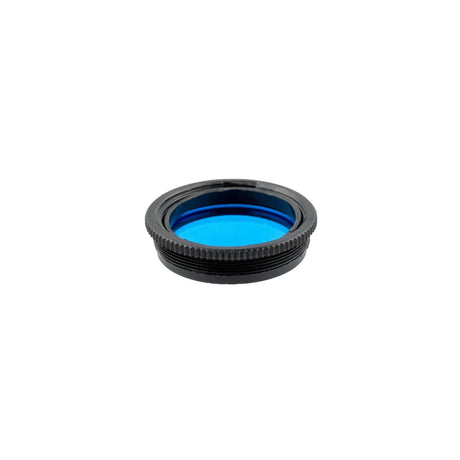
- Planetary filters (color): Enhance specific features on planets (a blue filter reveals cloud bands on Jupiter, a red filter sharpens detail on Mars).
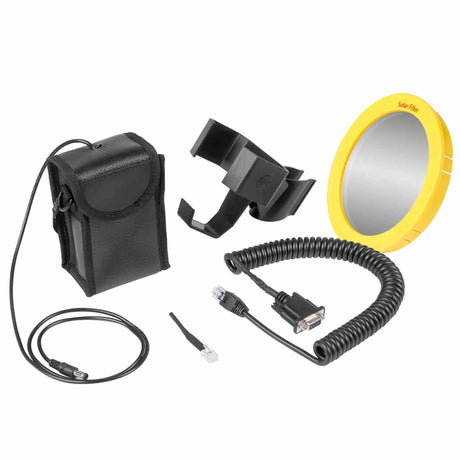
- Solar filter: Never look at the Sun through a telescope without a solar filter secured over the front of the tube. The American Astronomical Society warns that the filters sold with some inexpensive telescopes, made to thread into an eyepiece, are dangerous. A front-mounted filter made for your telescope lets you observe sunspots and solar activity.
Cases & Storage
A padded case protects your investment during transport and storage. Worth it for any telescope you plan to travel with.
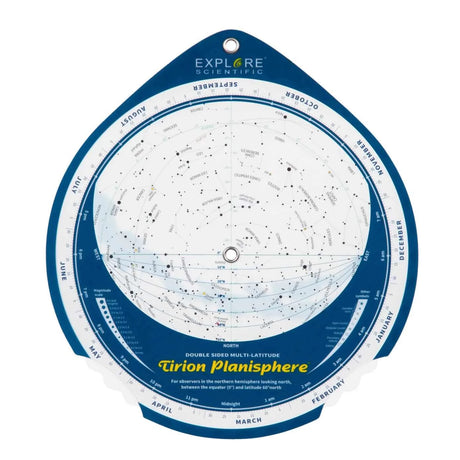
Star Charts & Astronomy Apps
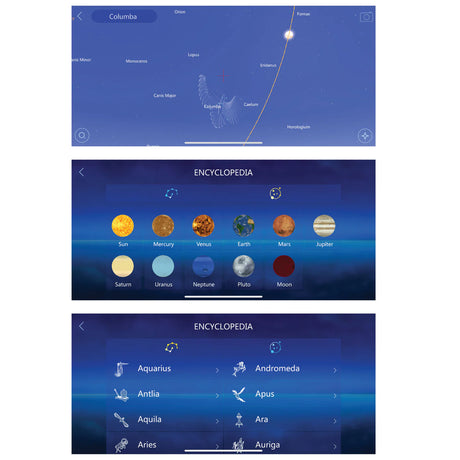
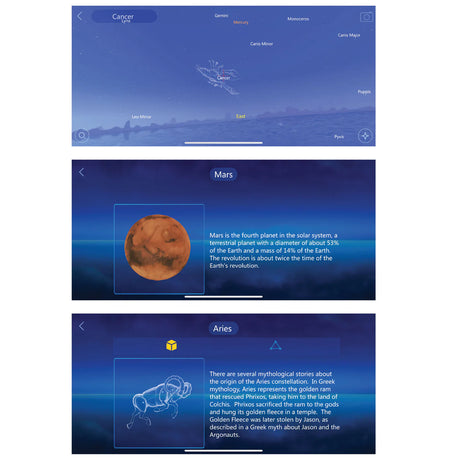
Apps like SkySafari or Stellarium overlay constellations on a live sky map using your phone's camera. Invaluable for learning the sky and planning observing sessions, especially if you use a manual mount.
Telescope FAQs for Beginners
What’s the Best Telescope for Seeing Planets?
What’s the Best Telescope for Seeing Planets?
Refractors and compound telescopes deliver sharp planetary views for their aperture: refractors have no central obstruction to soften contrast, and compound telescopes reach high magnification easily with their long focal length. Look for an aperture of at least 4–6" and a focal ratio of f/8 or higher for the best planetary magnification. A Barlow lens can boost power further without sacrificing image quality.
Can I See Deep-Sky Objects Like Galaxies and Nebulae?
Can I See Deep-Sky Objects Like Galaxies and Nebulae?
Yes: aperture is the key. A reflector or Dobsonian with 6" or more of aperture gathers enough light to reveal galaxies, nebulae, and star clusters. An 8–10" Dobsonian gathers about 1.8 to 2.8 times the light of a 6-inch, so galaxies and nebulae look bolder. You'll also want to observe from a dark location, since even a great telescope struggles against heavy light pollution.
Should I Buy a Computerized (GoTo) Telescope?
Should I Buy a Computerized (GoTo) Telescope?
A GoTo telescope automatically locates and tracks objects from a built-in database: you select a target on the handset or app and the mount slews to it. It saves time, reduces frustration, and works well under light-polluted skies where manual star-hopping is difficult. If you prefer a hands-on approach and want to learn the sky, a manual mount (especially a Dobsonian) is equally rewarding and costs less.
How Much Should I Spend on My First Telescope?
How Much Should I Spend on My First Telescope?
For most beginners, $300–$600 gets a capable telescope that reveals the Moon in stunning detail, shows planetary features, and reaches brighter deep-sky objects. A 6–8" Dobsonian in this range offers the most aperture per dollar. If your budget is tighter, a quality 4–5" tabletop Dobsonian under $300 keeps the same aperture-first design in a smaller package. And if you want to explore the sky before committing to a telescope, a pair of binoculars starting around $100 is an excellent first step.
What Size Telescope Should a Beginner Get?
What Size Telescope Should a Beginner Get?
A 6-inch (150mm) Dobsonian or a 4-inch (100mm) refractor is an excellent starting point. Both show Saturn's rings and Jupiter's cloud bands; the Dobsonian gathers more light for galaxies and nebulae, while the refractor is lighter and rarely needs collimation. Avoid telescopes that advertise extreme magnification: aperture matters more.
What’s the Difference Between Reflector and Refractor Telescopes?
What’s the Difference Between Reflector and Refractor Telescopes?
- Refractors use lenses to focus light. Low maintenance, sharp images, excellent for planets and lunar viewing. Higher cost per inch of aperture.
- Reflectors use mirrors. More aperture for the money, ideal for deep-sky objects. Require occasional mirror alignment (collimation).
For simplicity and ease of use, start with a refractor. For maximum deep-sky capability on a budget, choose a reflector or Dobsonian.
Do I Need to Know a Lot About Astronomy to Use a Telescope?
Do I Need to Know a Lot About Astronomy to Use a Telescope?
No. You can start with zero astronomy knowledge. A GoTo telescope or smart telescope handles navigation automatically. Even with a manual scope, a free app like Stellarium on your phone will guide you to targets. You'll learn the sky naturally as you observe.
Should I Start with Binoculars Instead of a Telescope?
Should I Start with Binoculars Instead of a Telescope?
If you are not sure astronomy will stick, binoculars are a low-risk start: they cost less, need no setup, and show the Moon's craters, Jupiter's moons and bright star clusters. Our guide to the advantages of binoculars for astronomy covers what to look for. Either way, a few clear nights learning the sky first (finding Polaris, a few bright stars and the season's constellations) make a first telescope much easier to use; how to navigate the night sky walks through it.
How Do I Maintain My Telescope?
How Do I Maintain My Telescope?
Most beginner telescopes need very little maintenance:
- Cover optics when not in use: dust caps on both ends prevent buildup.
- Store in a dry place to prevent condensation and moisture damage.
- Clean lenses sparingly — use a soft lens cloth and cleaning solution only when needed. Over-cleaning causes more harm than a little dust.
- Collimate reflectors occasionally: aligning the mirrors takes 5 minutes once you learn the process. Refractors and compound scopes rarely need this.
Can I Do Astrophotography with a Beginner Telescope?
Can I Do Astrophotography with a Beginner Telescope?
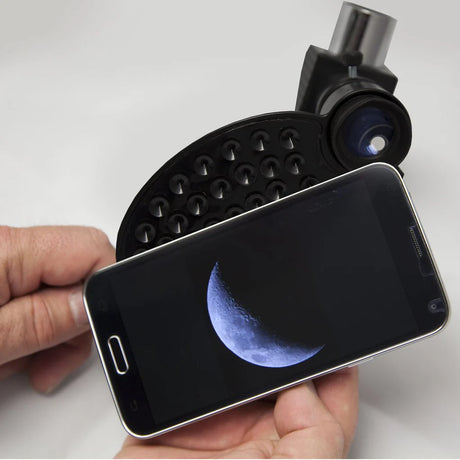
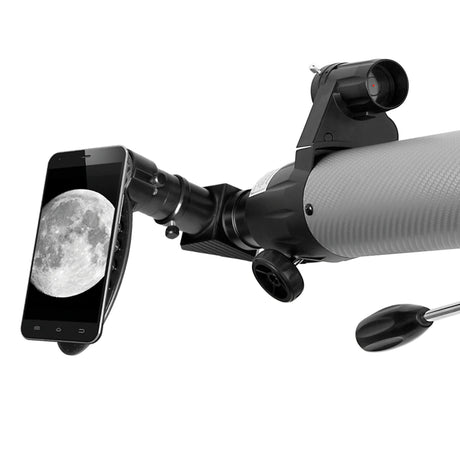
Yes, with some caveats. Lunar and planetary photography is straightforward: a smartphone adapter on the eyepiece captures good results. For deep-sky astrophotography (galaxies, nebulae), you need an equatorial mount that tracks the sky, plus a dedicated camera and image-processing software. Smart telescopes offer a shortcut: they handle stacking and processing automatically.
Do I Need Extra Eyepieces?
Do I Need Extra Eyepieces?
Most telescopes include one or two basic eyepieces, which cover initial use. Over time, adding a few eyepieces with different focal lengths unlocks the full range of your telescope:
- Low power (25–32mm) for wide-field scanning
- High power (6–9mm) for planetary detail
- A 2x Barlow lens to double the magnification of every eyepiece you own
Can I Use My Telescope During the Day?
Can I Use My Telescope During the Day?
Yes: a telescope works during the day for terrestrial viewing (landscapes, wildlife, ships). Refractors and compound telescopes used with the usual 90° star diagonal show an upright image, though mirror-reversed left to right, which makes them easier than reflectors for daytime use. Never point a telescope at the Sun without a dedicated solar filter secured over the front of the tube. NASA warns that viewing the Sun through a telescope without one will instantly cause severe eye injury.
Start Your Stargazing Journey
You now have the knowledge to choose a telescope that fits your interests and budget. Here's the quick recap:
- Refractors — sharp, low-maintenance optics. Best for planets, the Moon, and astrophotography.
- Reflectors — the most aperture for your money. Ideal for deep-sky viewing.
- Dobsonians — the most light per dollar of any design. Big aperture, simple operation, affordable price.
- Compound telescopes — compact and versatile. Great all-around performers.
- Smart telescopes — automated deep-sky imaging with zero learning curve.
If you're still unsure, start with an 8" Dobsonian: it delivers the most rewarding views for the least money, and it's simple to set up and use.
Invest in a couple of quality eyepieces, learn a few constellations, and get outside on the next clear night. The universe is waiting.
Not ready for a telescope? A pair of binoculars is a great way to start exploring the night sky: they're portable, affordable, and surprisingly capable for stargazing, the Moon, and wide-field views of the Milky Way.
Explore by budget
Telescopes under $500
View all-
National Geographic
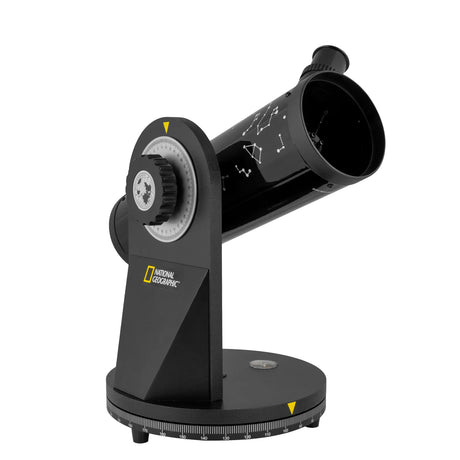
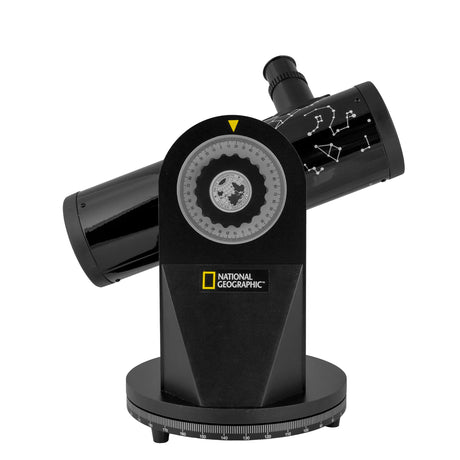
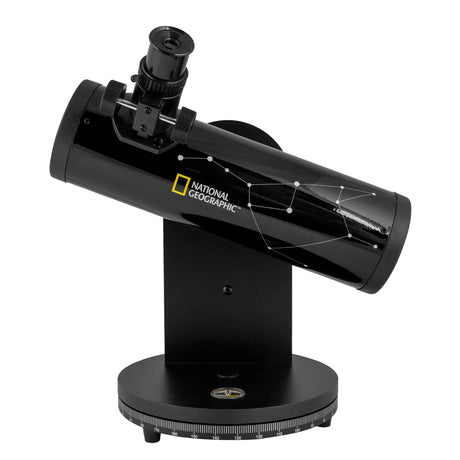
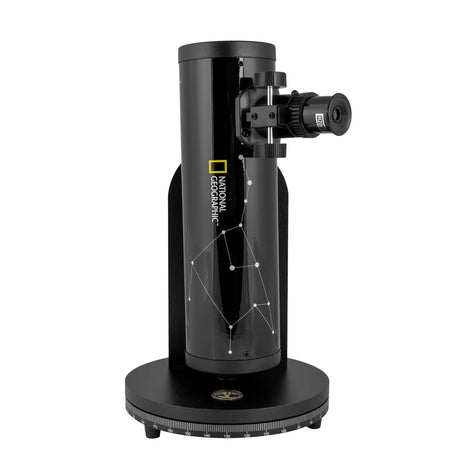
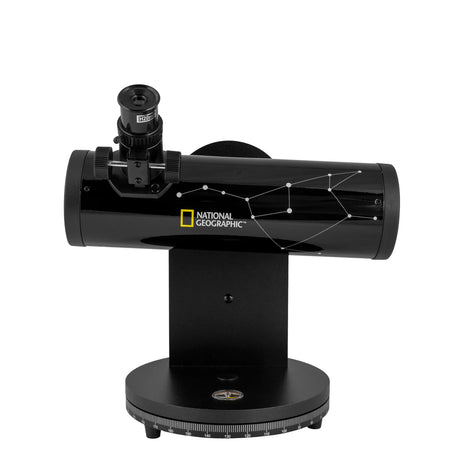
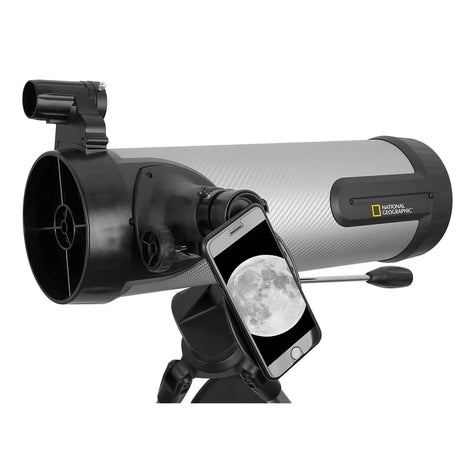
National Geographic 76mm Compact Reflector Telescope
In stockRegular price $99.99Unit price -
-
National Geographic
National Geographic CF700SM 70mm Refractor Telescope
In stockRegular price $119.99Unit price -
-
National Geographic
National Geographic 70mm Silver Carbon Fiber Refractor Telescope
In stockRegular price $139.99Unit price -
-
National Geographic
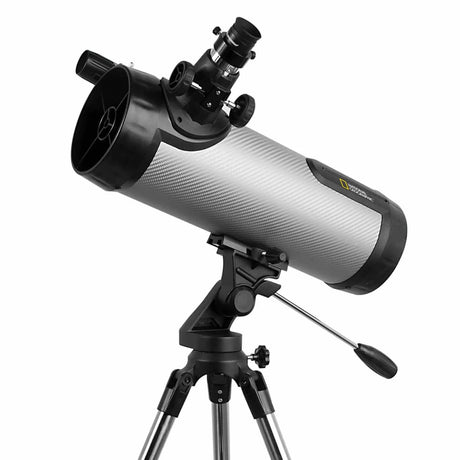
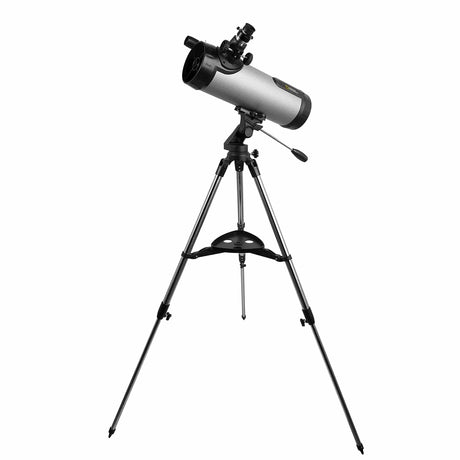
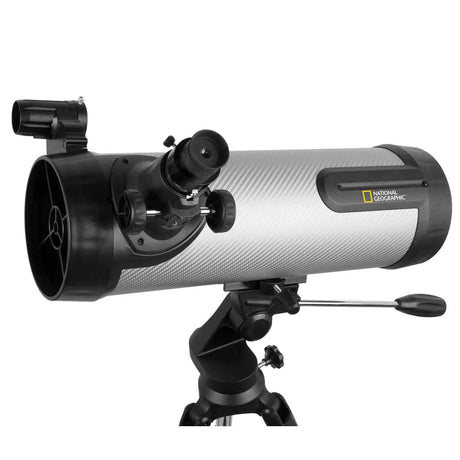
National Geographic NT114PH 114mm Carbon Fiber Reflector Telescope
In stockRegular price $149.99Unit price -
-
National Geographic
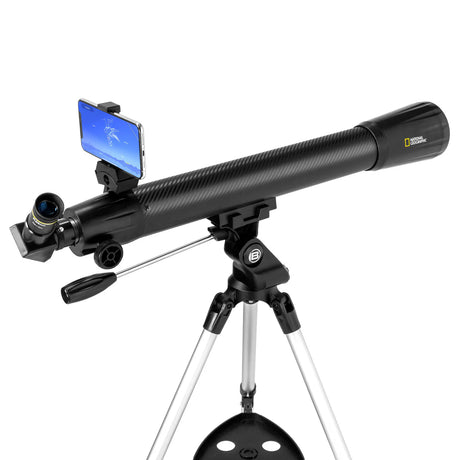
National Geographic StarApp70 - 70mm Refractor Telescope w/ Astronomy APP
In stockRegular price $149.99Unit price -
-
Explore Scientific
Explore FirstLight 100mm f/14 Mak-Cassegrain Telescope with Twilight Nano Mount
In stockRegular price $299.99Unit price -
-
Explore Scientific
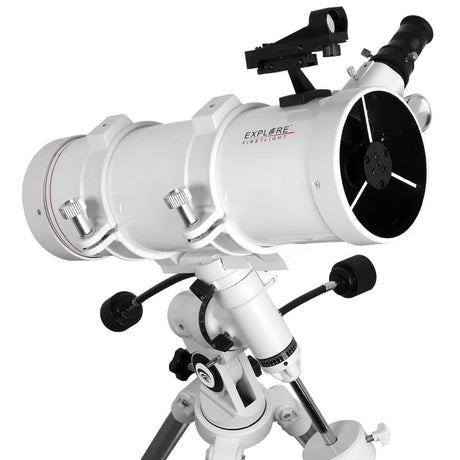
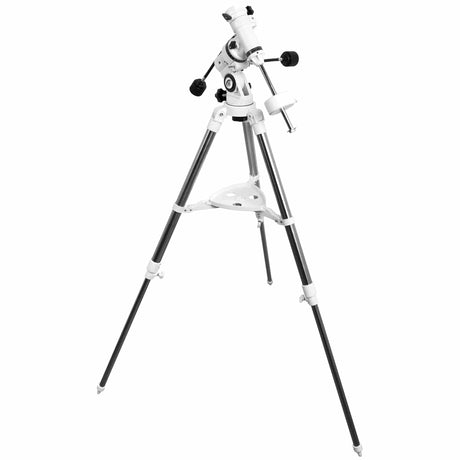
Explore FirstLight 114mm f/4.4 Newtonian Telescope with EQ3 Mount
In stockRegular price $299.99Unit price -
-
Explore Scientific
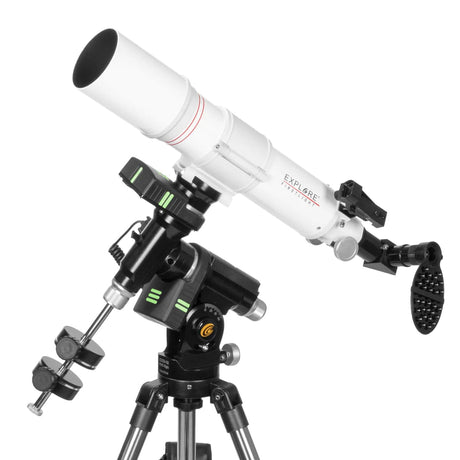
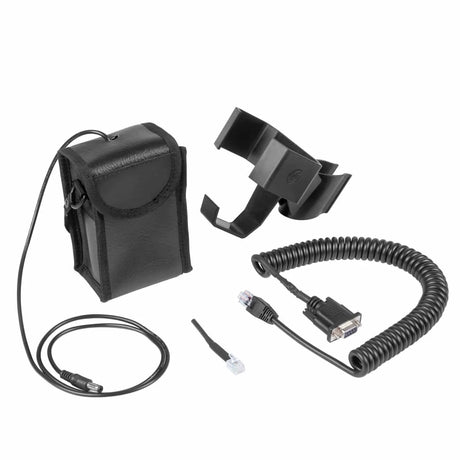
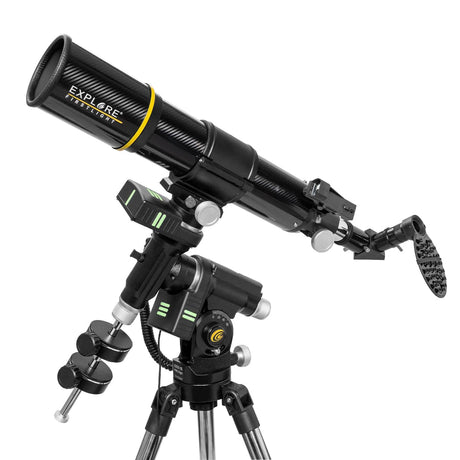
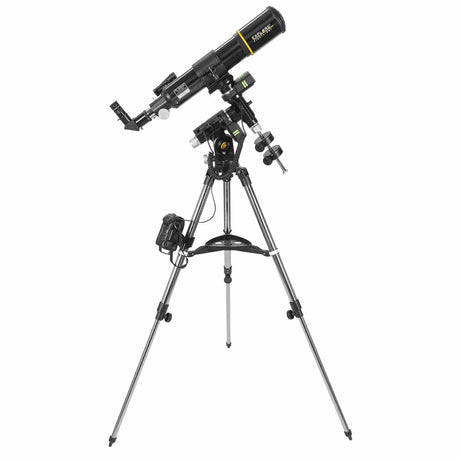
Explore FirstLight 80mm f/8 Refractor Telescope Go-To Tracker Combo
In stockRegular price $389.99Unit price -
-
Explore Scientific
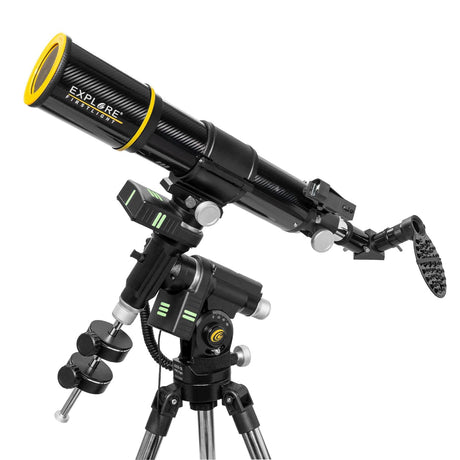
Explore FirstLight 80mm f/8 Carbon Fiber Refractor Telescope Go-To Tracker Combo with Solar Filter
In stockRegular price $409.99Unit price -
-
Explore Scientific
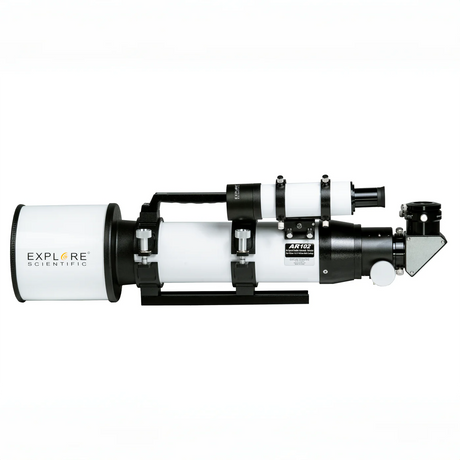
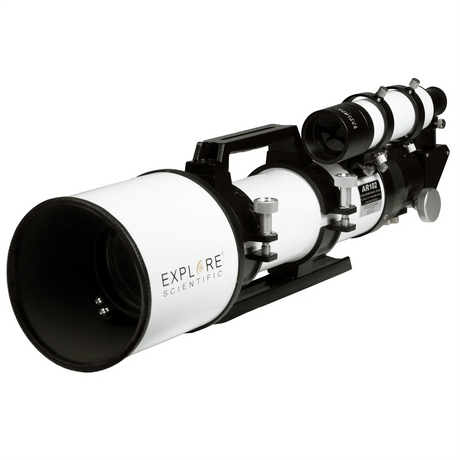
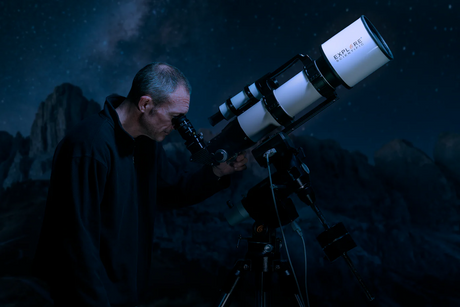
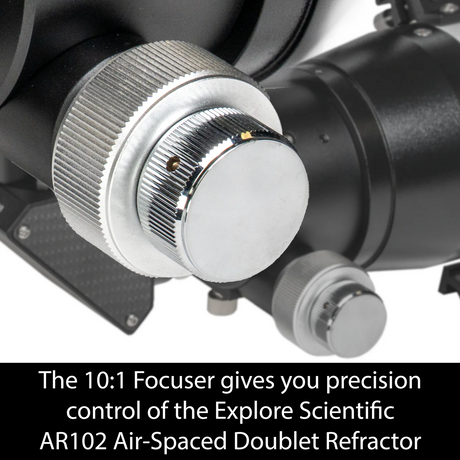
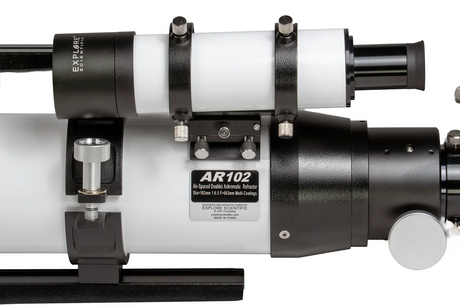
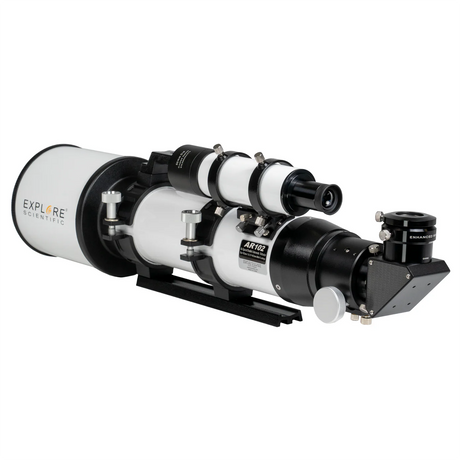
Explore Scientific AR102 102mm f/6.5 Doublet Refractor Telescope
In stockRegular price $449.99Unit price -
-
Explore Scientific
Explore FirstLight 127mm f/15 Mak-Cassegrain Telescope (OTA only)
In stockRegular price $499.99Unit price -
-
Explore Scientific
Explore Scientific 6" f/5 Tabletop Dobsonian Telescope
In stockRegular price $499.99Unit price -


Telescopes under $1,000
View all-
Explore Scientific
Explore Scientific ED80 80mm f/6 Triplet Refractor Telescope
In stockRegular price $699.99Unit price -
-
Explore Scientific
Explore Scientific AR102 102mm f/6.5 Doublet Refractor Telescope
In stockRegular price $449.99Unit price -
-
Explore Scientific
Explore Scientific AR127 127mm f/6.5 Doublet Refractor Telescope
In stockRegular price $749.99Unit price -
-
Explore Scientific
Explore FirstLight 127mm f/15 Mak-Cassegrain Telescope (OTA only)
In stockRegular price $499.99Unit price -
-
Explore Scientific
Explore FirstLight 100mm f/14 Mak-Cassegrain Telescope with Twilight Nano Mount
In stockRegular price $299.99Unit price -
-
National Geographic
National Geographic StarApp70 - 70mm Refractor Telescope w/ Astronomy APP
In stockRegular price $149.99Unit price -
-
National Geographic
National Geographic NT114PH 114mm Carbon Fiber Reflector Telescope
In stockRegular price $149.99Unit price -
-
National Geographic
National Geographic 76mm Compact Reflector Telescope
In stockRegular price $99.99Unit price -
-
National Geographic
National Geographic 70mm Silver Carbon Fiber Refractor Telescope
In stockRegular price $139.99Unit price -
-
Explore Scientific
Explore Scientific ED102 102mm f/7 Triplet APO Refractor Telescope
In stockRegular price $999.99Unit price -
-
Explore Scientific
Explore Scientific 10" f/4.7 Dobsonian Telescope
In stockRegular price $899.99Unit price -
-
National Geographic
National Geographic CF700SM 70mm Refractor Telescope
In stockRegular price $119.99Unit price -
-
Explore Scientific
Explore FirstLight 114mm f/4.4 Newtonian Telescope with EQ3 Mount
In stockRegular price $299.99Unit price -
-
Explore Scientific
Explore Scientific 10" f/5 Hybrid Truss Tube Dobsonian Telescope
In stockRegular price $899.99Unit price -
-
Explore Scientific
Explore FirstLight 80mm f/8 Carbon Fiber Refractor Telescope Go-To Tracker Combo with Solar Filter
In stockRegular price $409.99Unit price -
-
Explore Scientific
Explore FirstLight 80mm f/8 Refractor Telescope Go-To Tracker Combo
In stockRegular price $389.99Unit price -
-
Explore Scientific
Explore Scientific 6" f/5 Tabletop Dobsonian Telescope
In stockRegular price $499.99Unit price -