


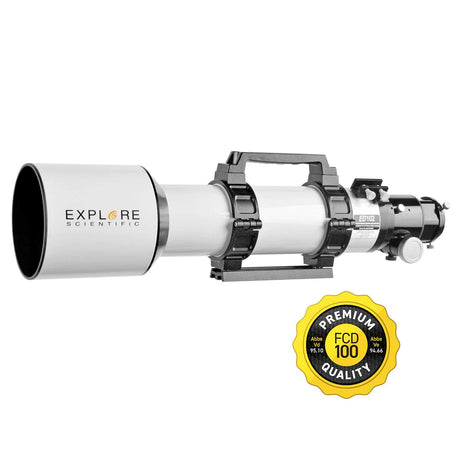
How to choose an APO triplet
FCD1 or FCD100 glass
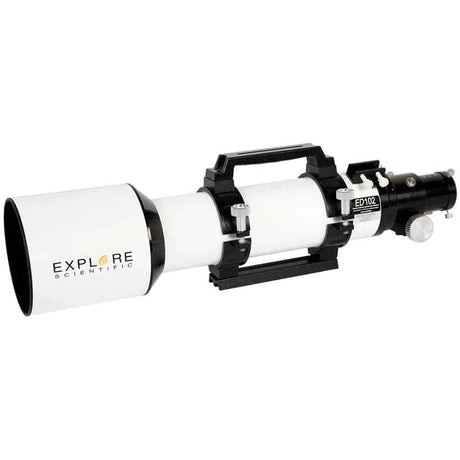
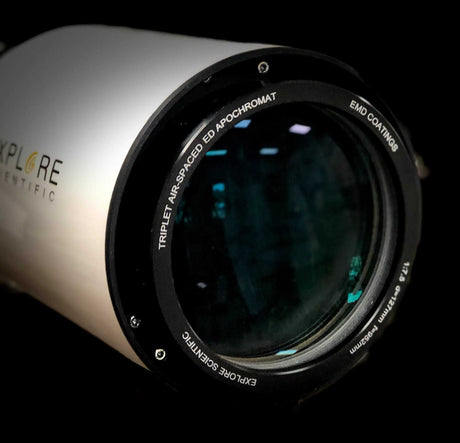
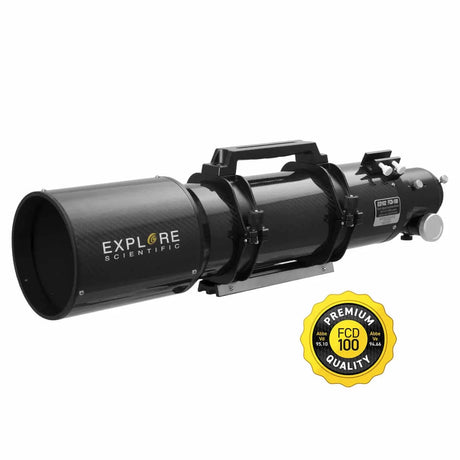
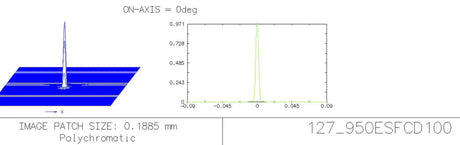
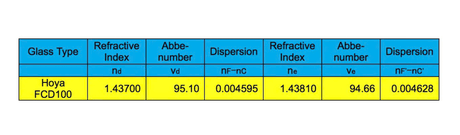
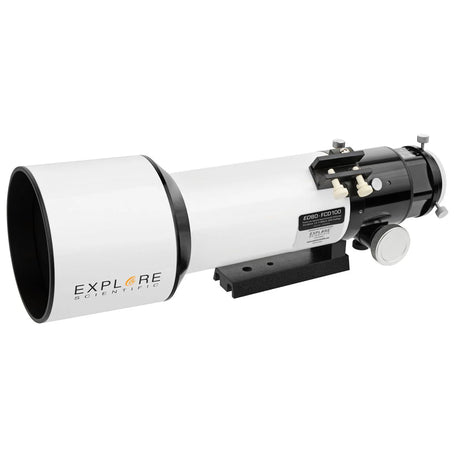
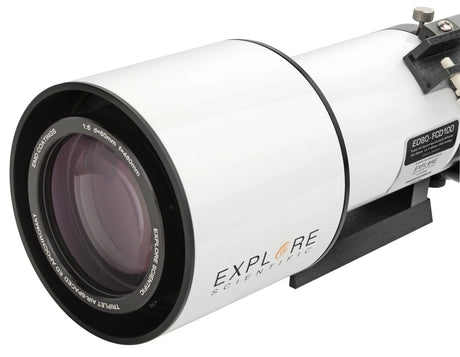
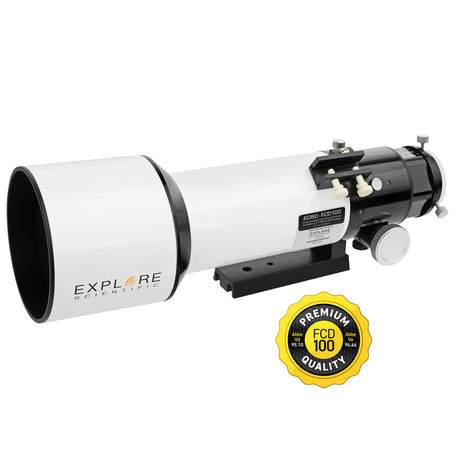
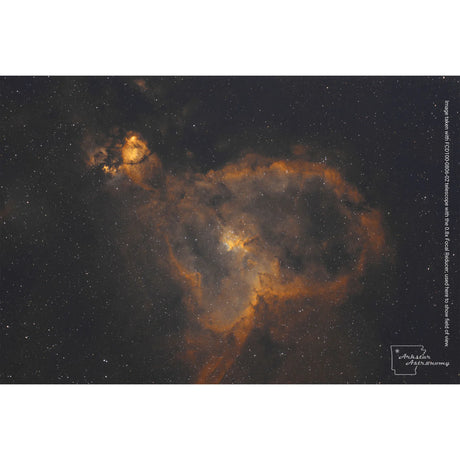
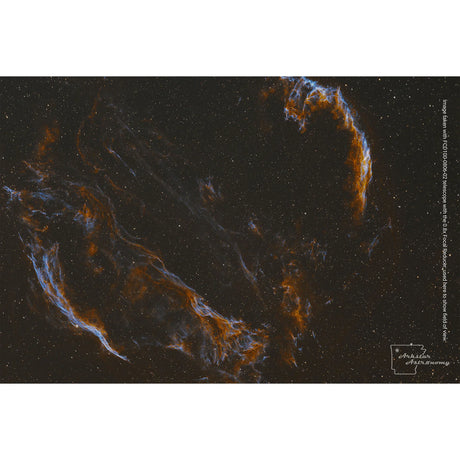
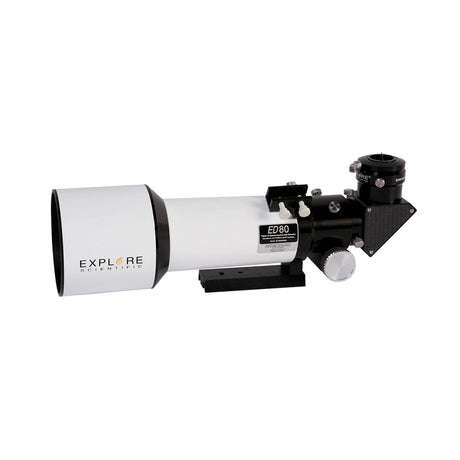
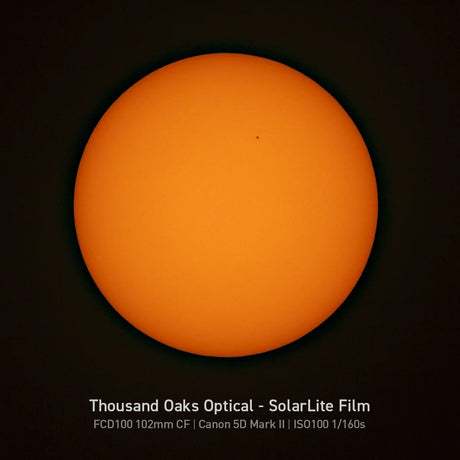
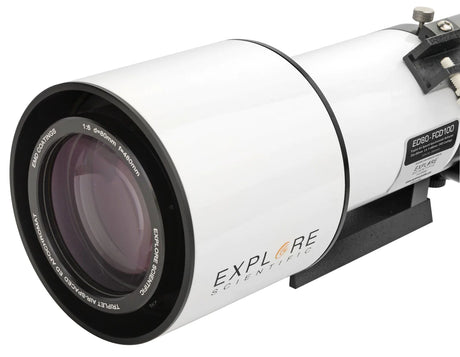
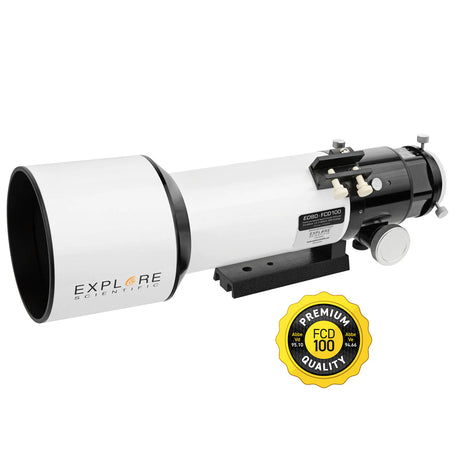
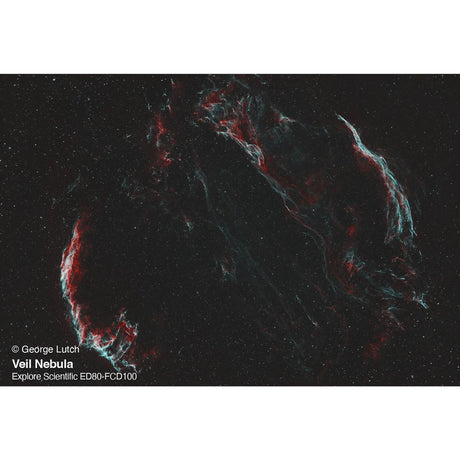
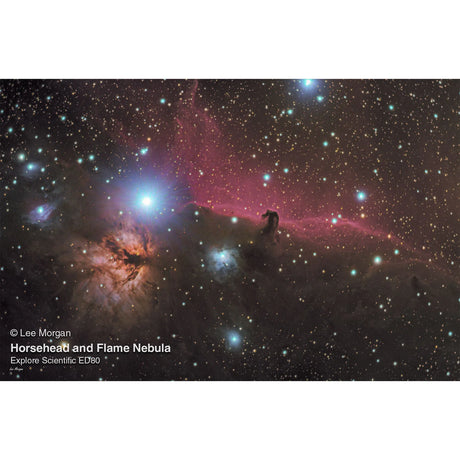
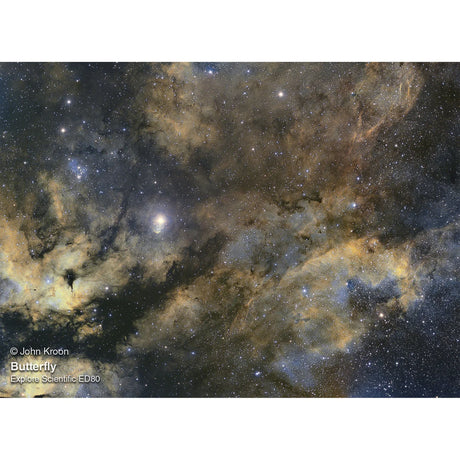
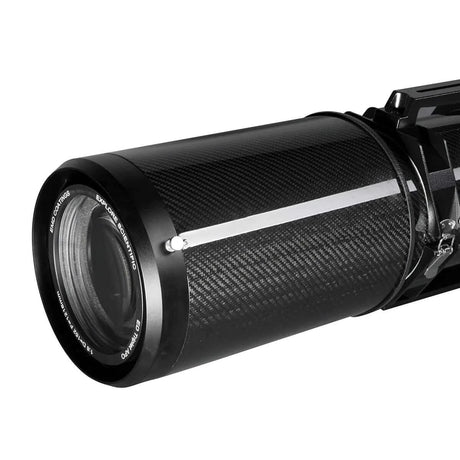
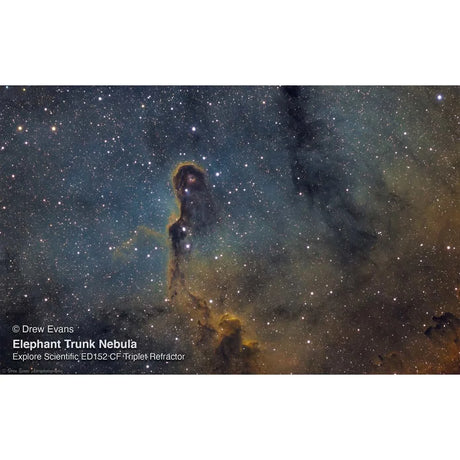
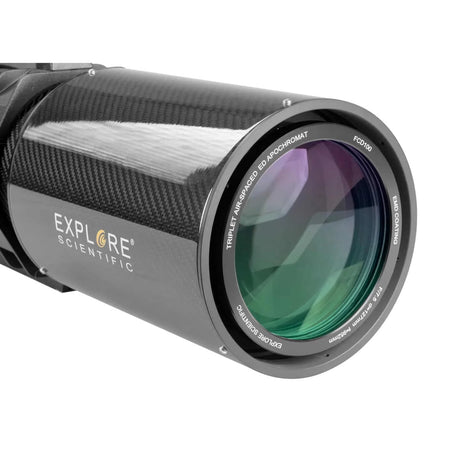
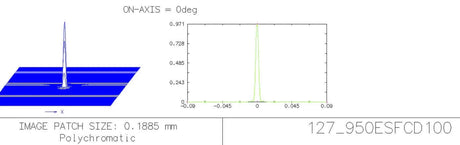
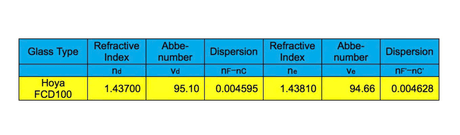
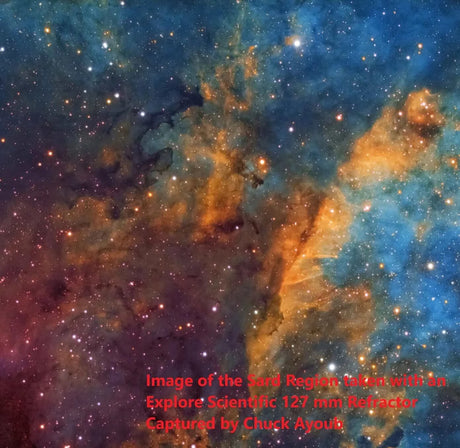
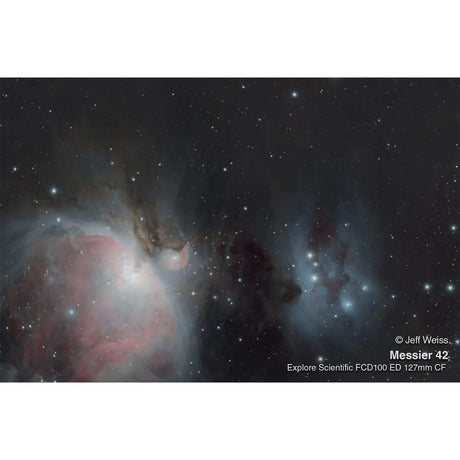
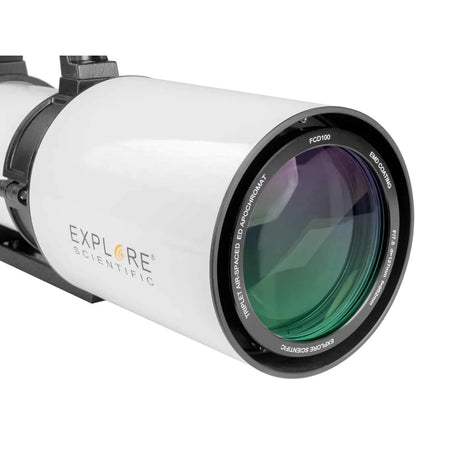
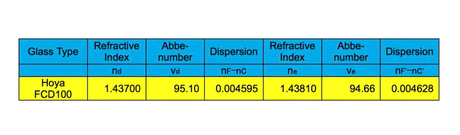
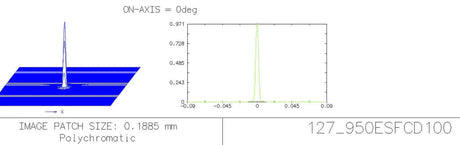
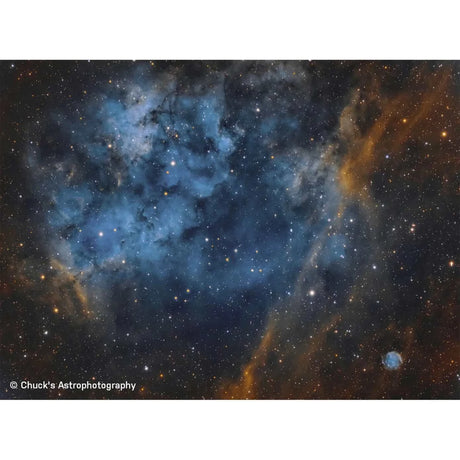
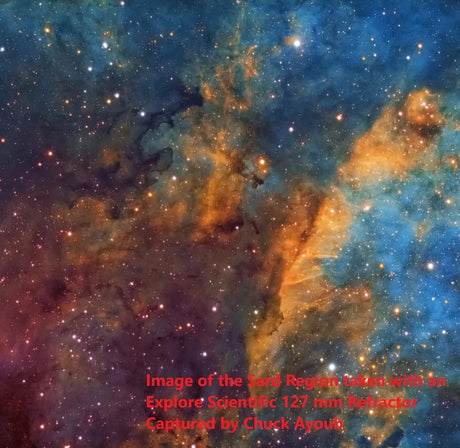
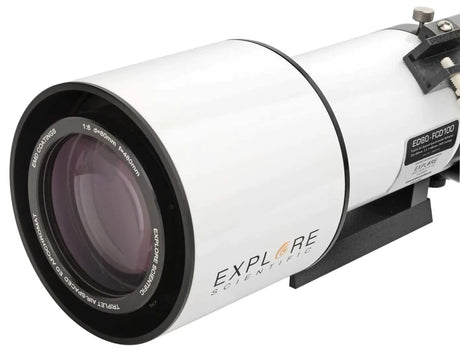
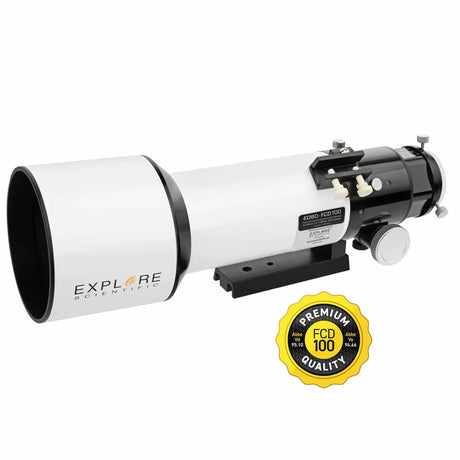
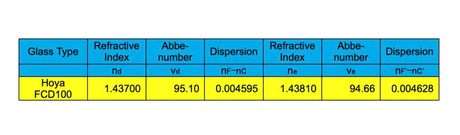
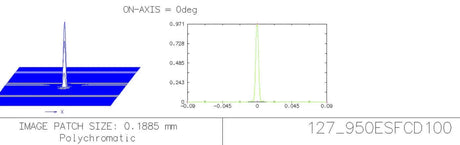
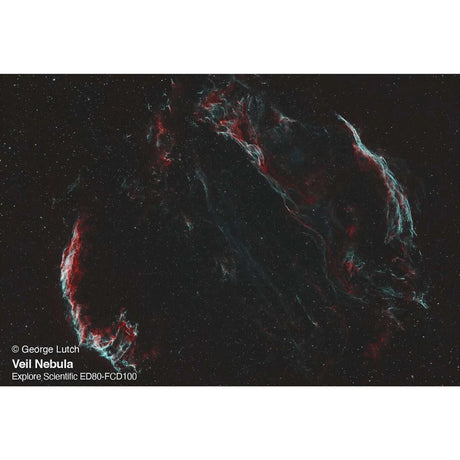
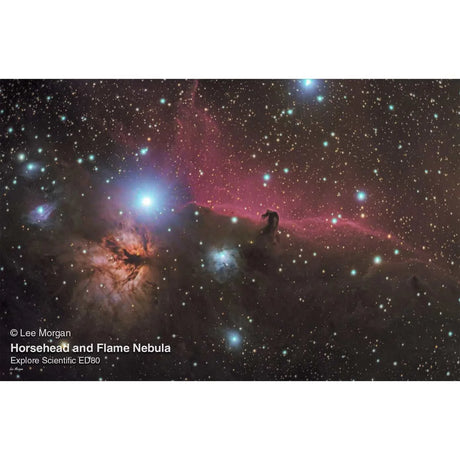
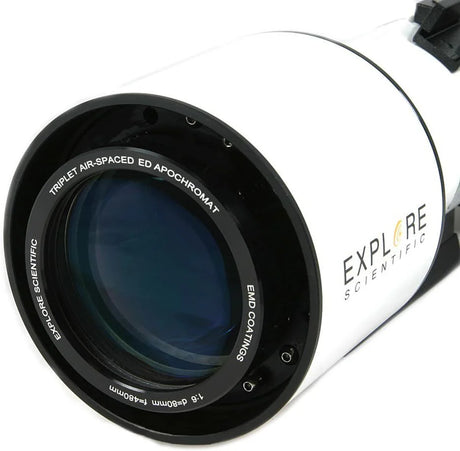
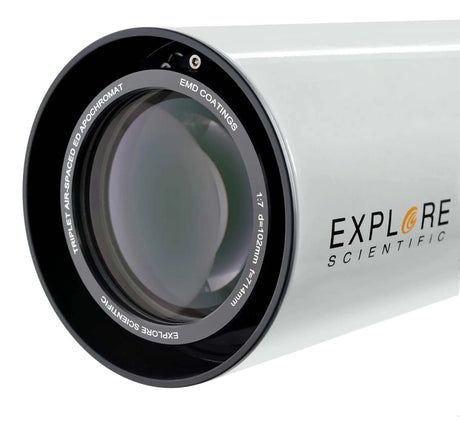
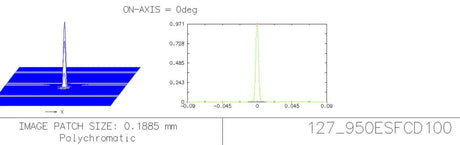
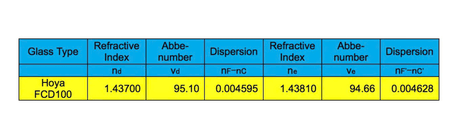
Explore Scientific makes its ED triplets in two Hoya glasses. FCD1, with an Abbe number of about 81.5, gives tight star images with little color bloat, which is where astrophotography becomes practical. FCD100, at 95.1, is in the same class as fluorite: it spreads colors less again, and in images it virtually eliminates color fringing. Each aperture here comes in both glasses except the ED152, which is FCD1.
Focal length
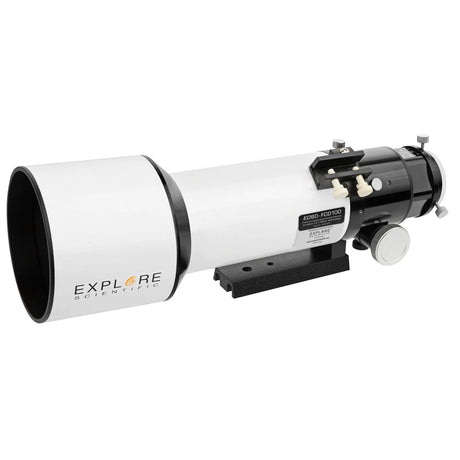
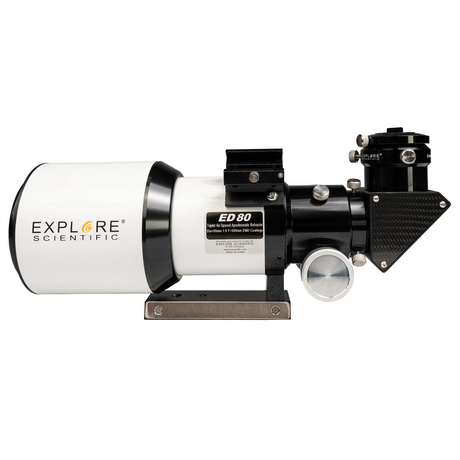
Focal length sets the field of view and, with a given eyepiece, the magnification. The 80 mm triplets, at 480 mm and f/6, frame the widest fields, and the ED152, at 1,216 mm and f/8, reaches the highest power. The 102 mm models work at f/7 and the 127 mm models at f/7.5.
Weight, focuser and dovetail
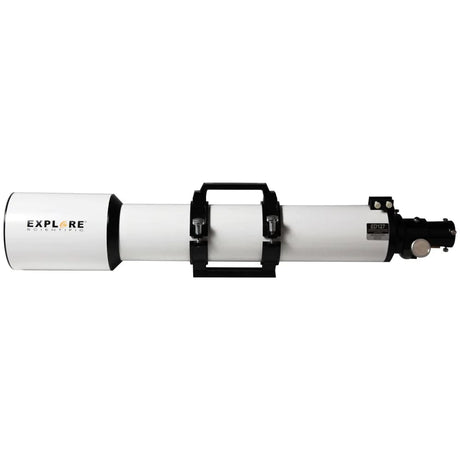
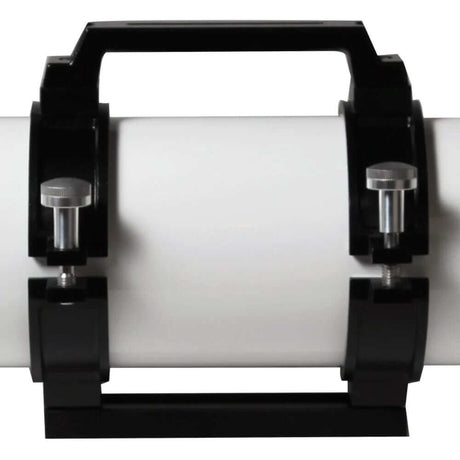
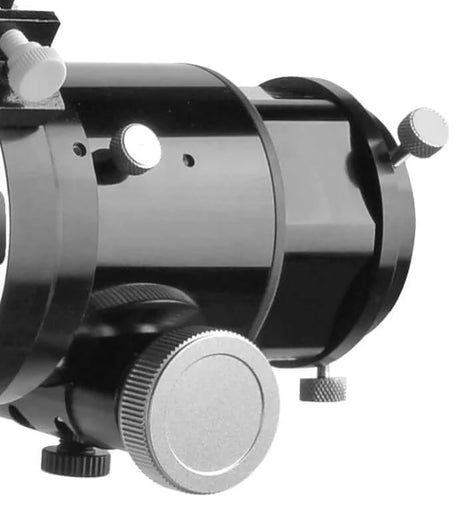
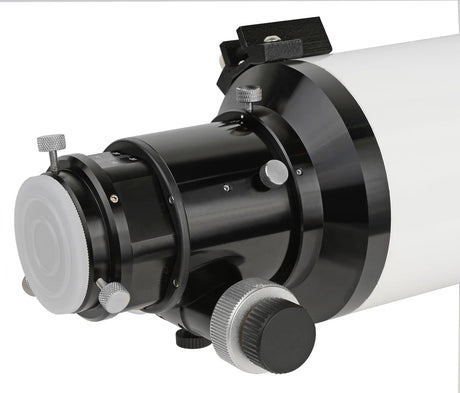
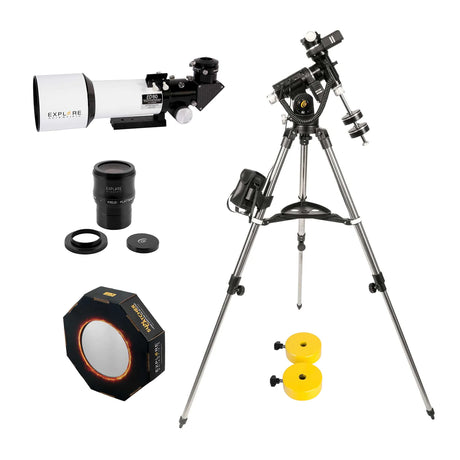
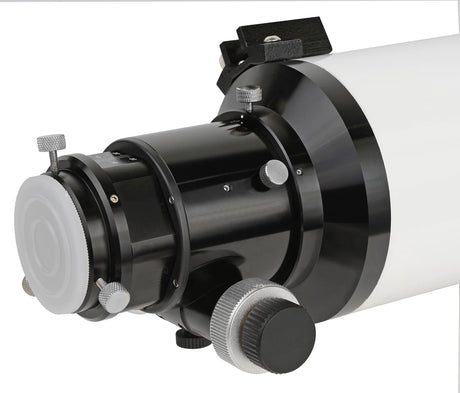
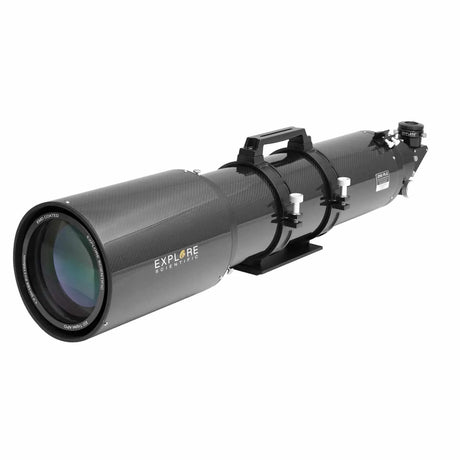
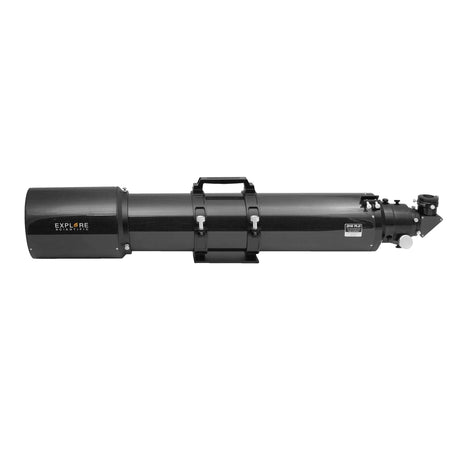
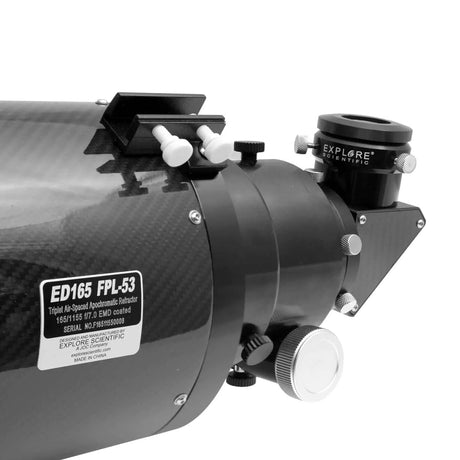
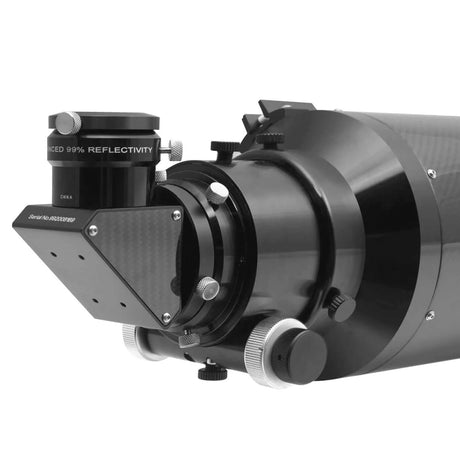
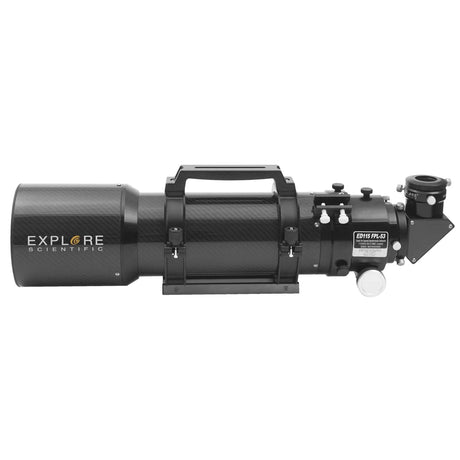
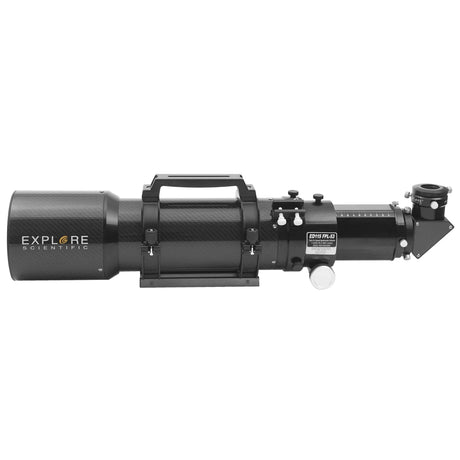
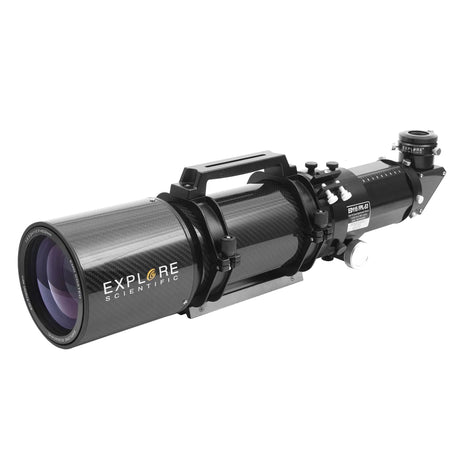
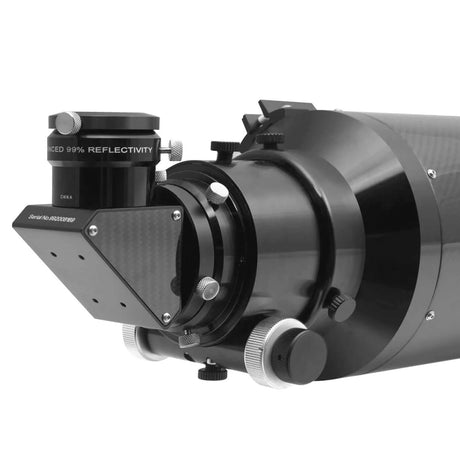
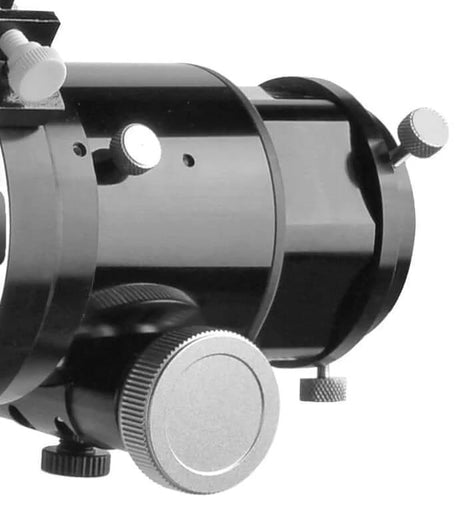
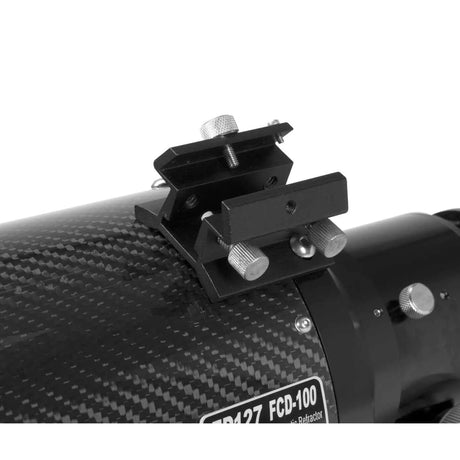
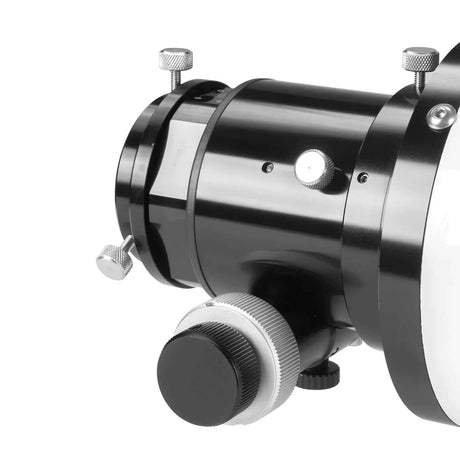
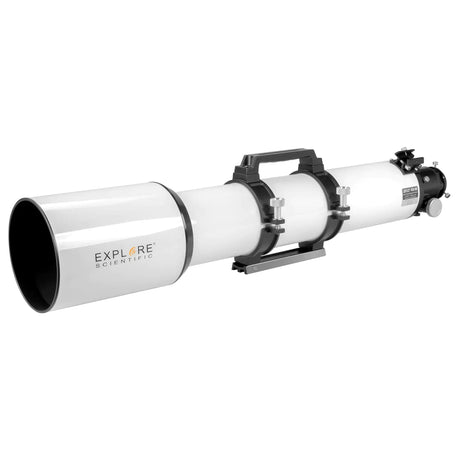
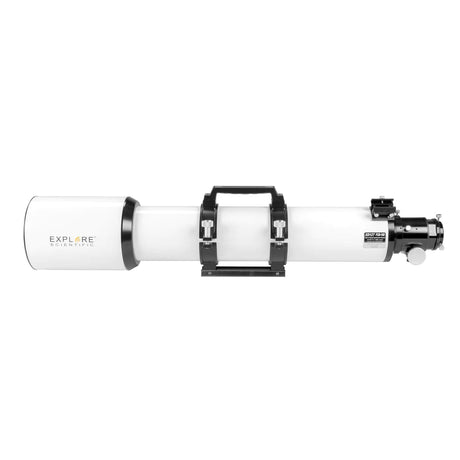
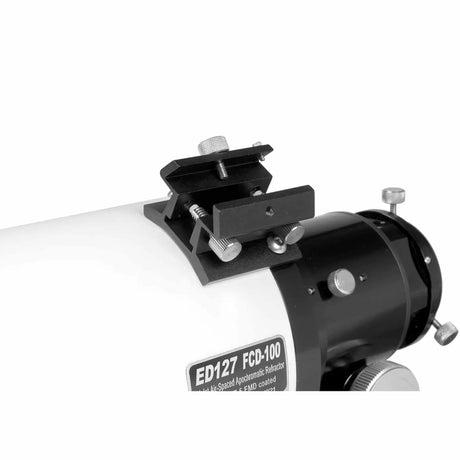
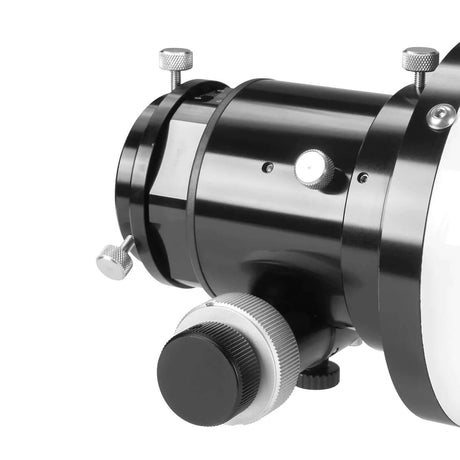
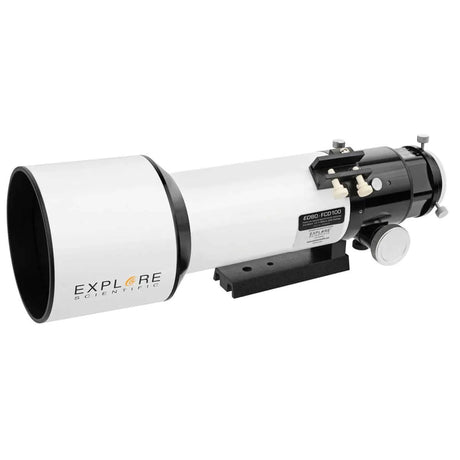
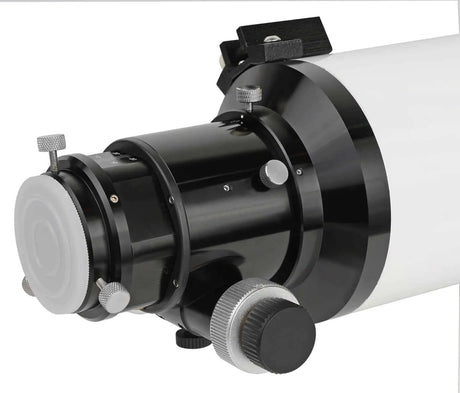
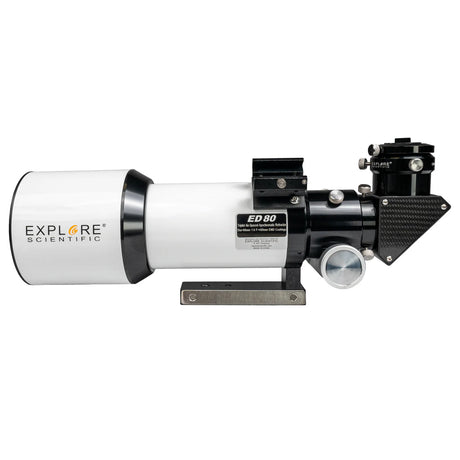
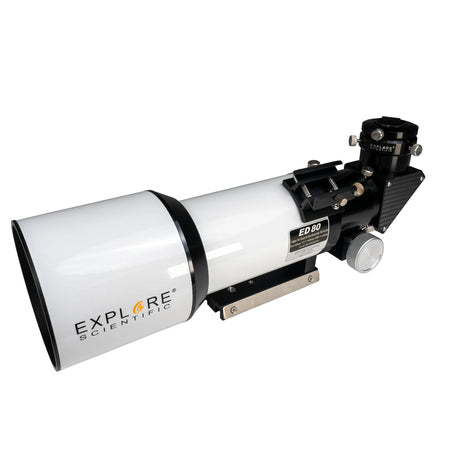
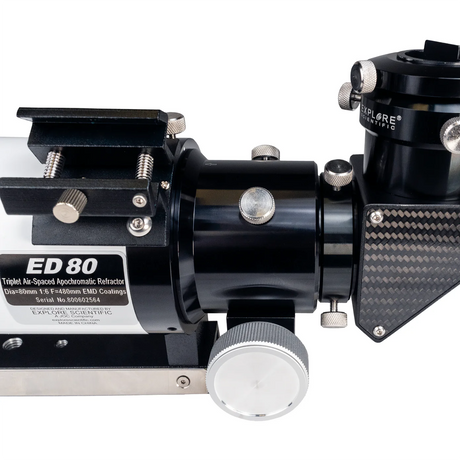
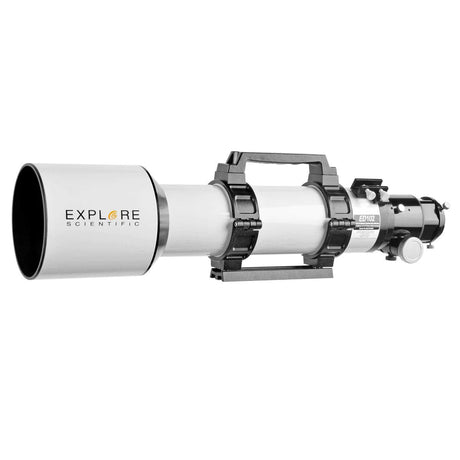
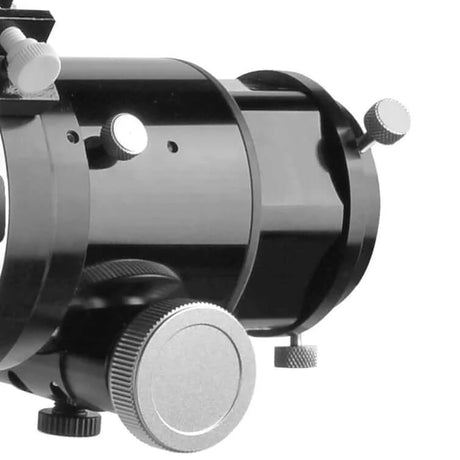
Weight climbs with aperture, from 5.95 lb for the ED80 to 20.5 lb for the ED152. The ED80, ED102 and ED127 use 2-inch rack-and-pinion focusers, the FCD100 models 2.5-inch hexagonal focusers and the ED152 a 3-inch hexagonal one. Every tube but the ED152 comes on a Vixen-style dovetail, and the ED152 on a Losmandy-style plate.
Frequently Asked Questions
Do I need a field flattener?
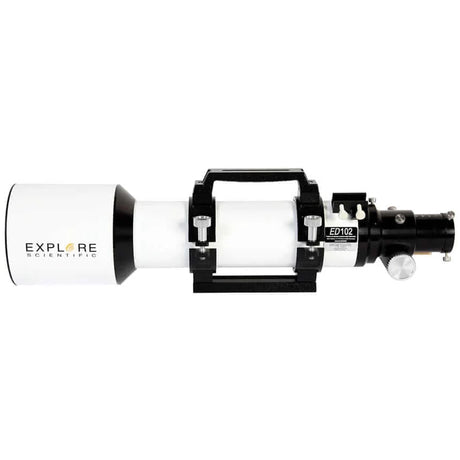
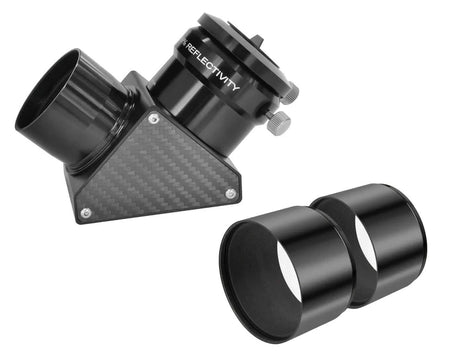
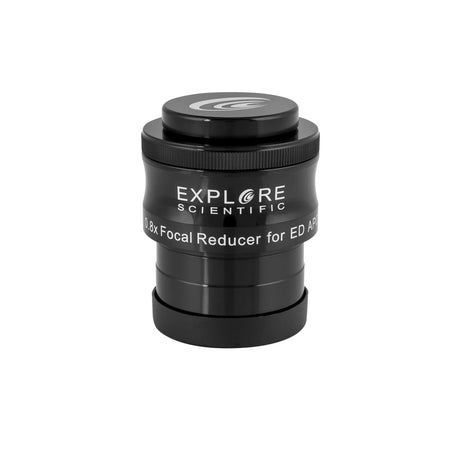
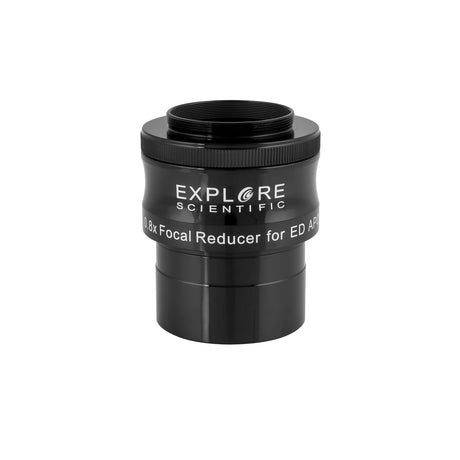
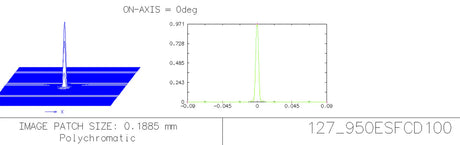
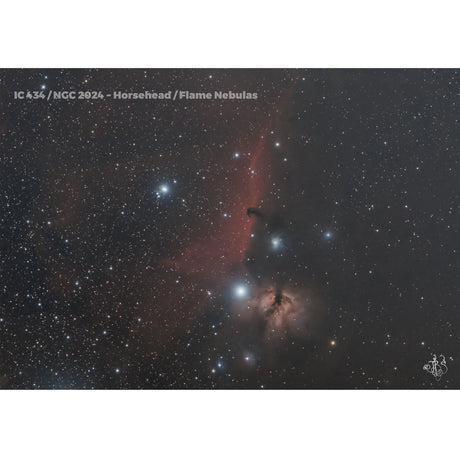
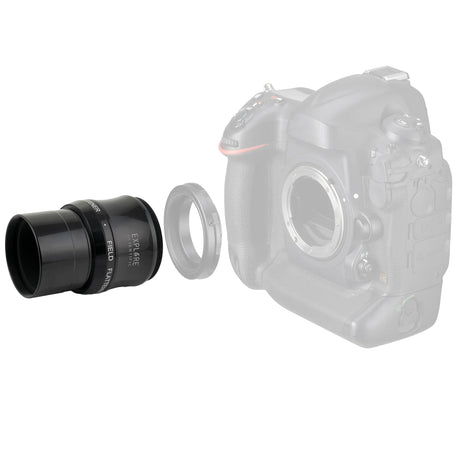
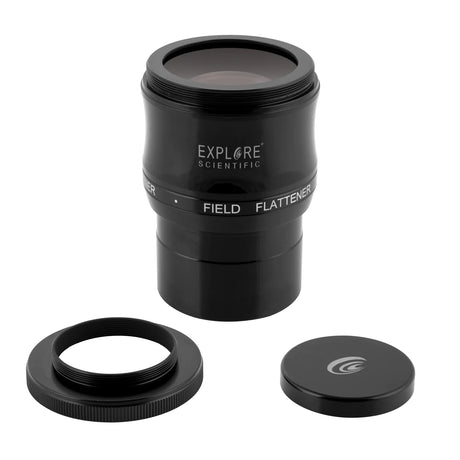
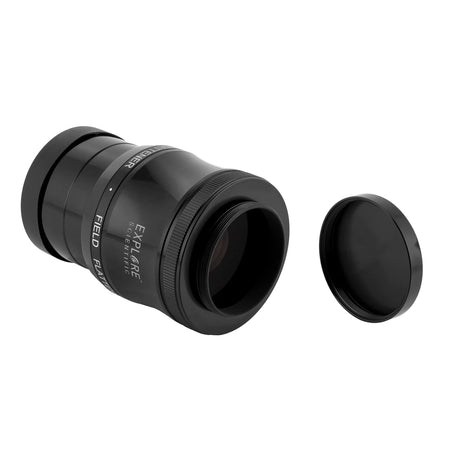
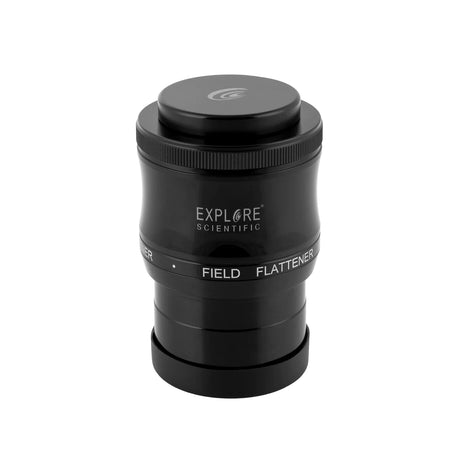
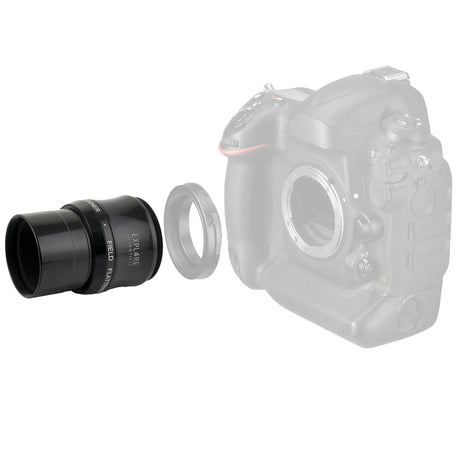
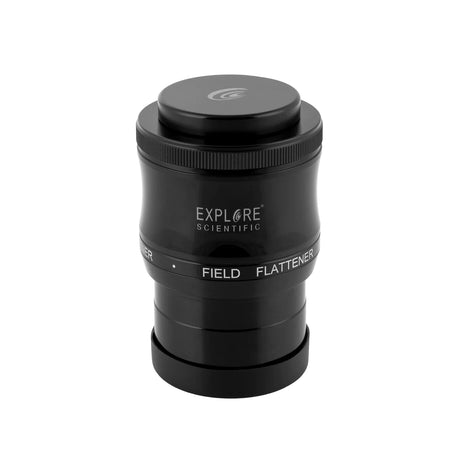
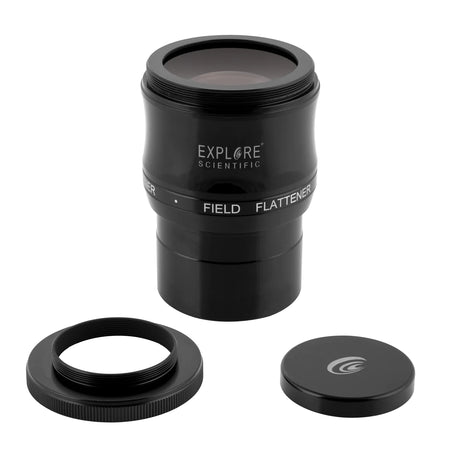
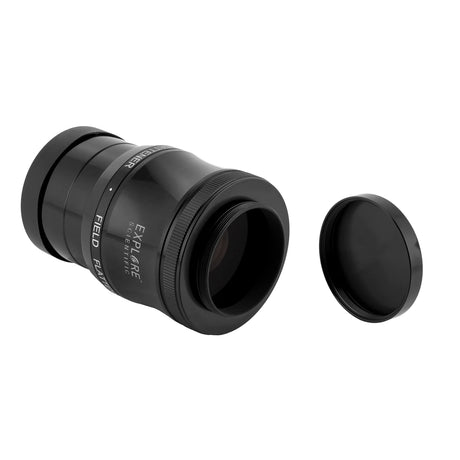
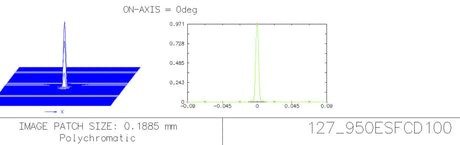
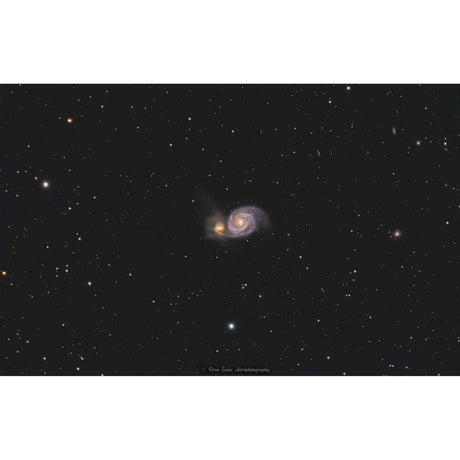
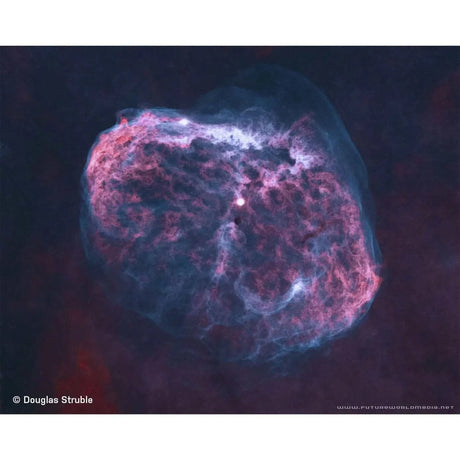
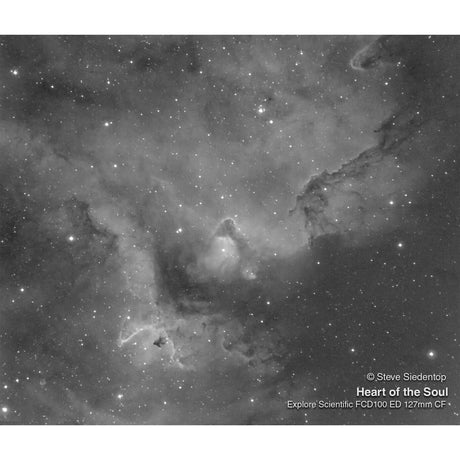
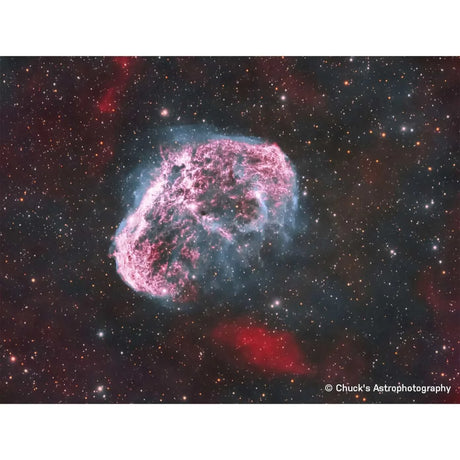
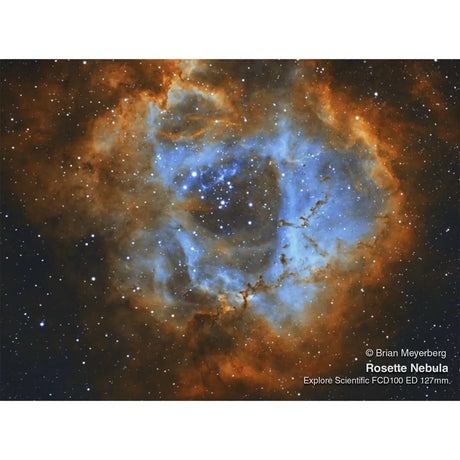
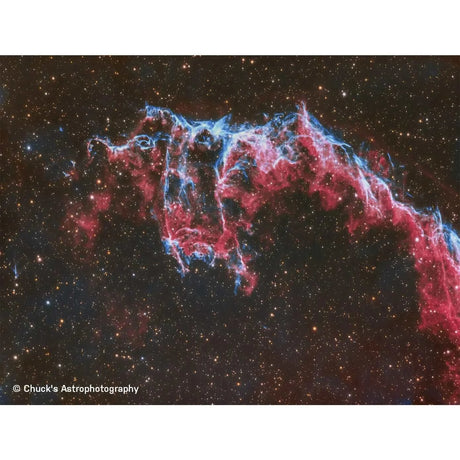
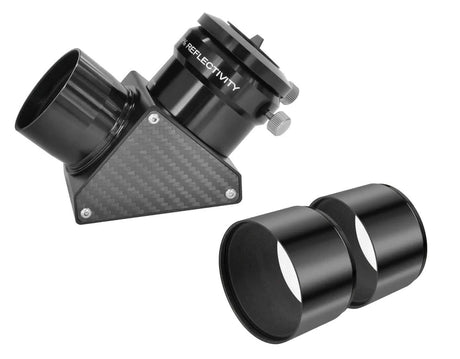
For astrophotography, yes. On the ED102 FCD100, for one, stars stay tight, round dots out to the edges of the frame once a field flattener is added.
Is an APO worth it for visual observing?
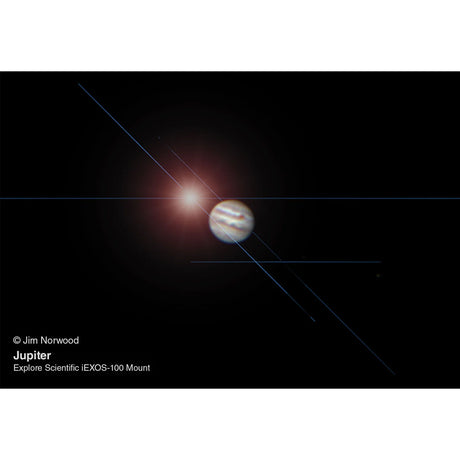
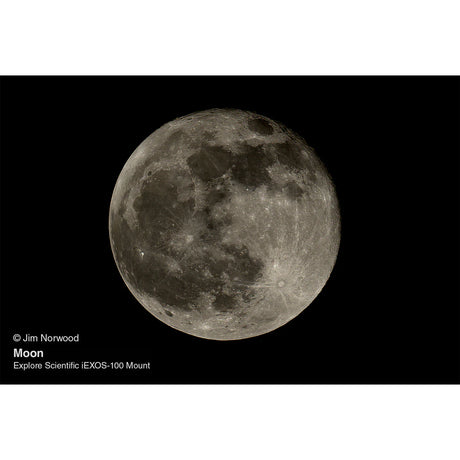
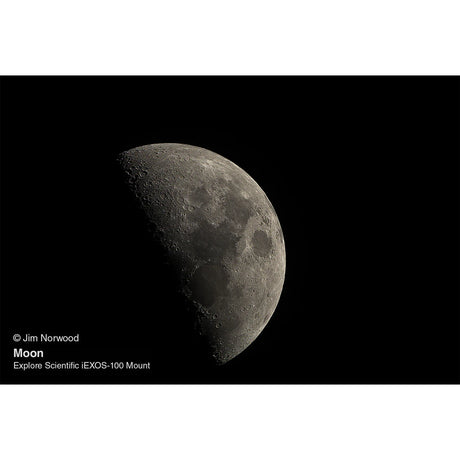
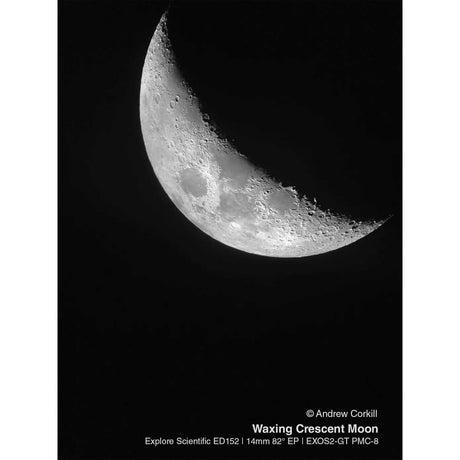
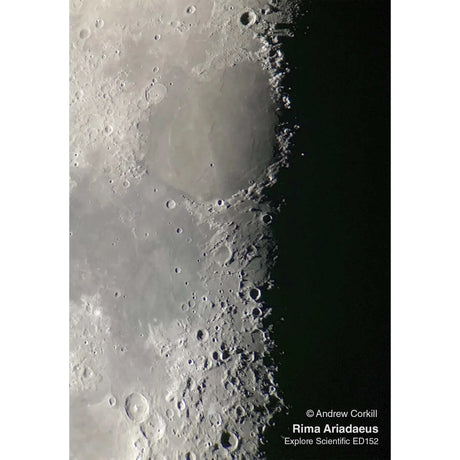
On the Moon and bright planets, yes: an achromat shows a violet fringe on the bright limb at 100x and above, which a triplet all but removes. On faint deep-sky objects the gap is small, because color fringing hardly shows on dim targets.
Are the carbon fiber tubes worth it?
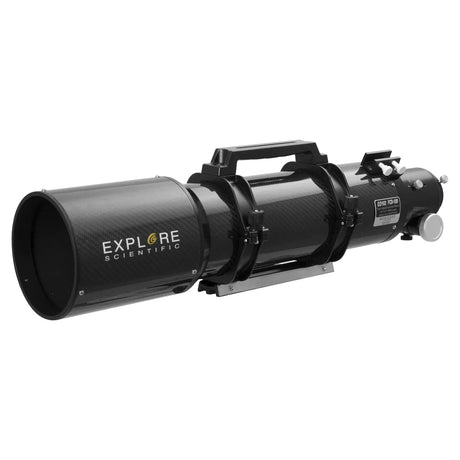
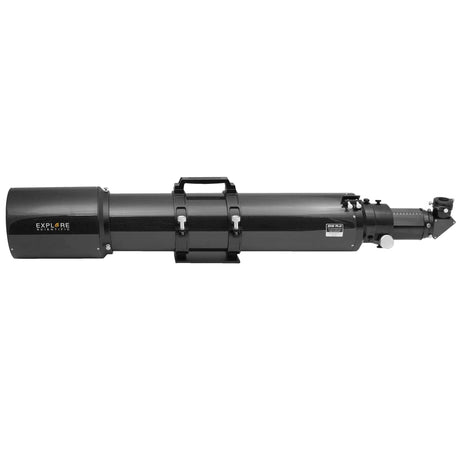
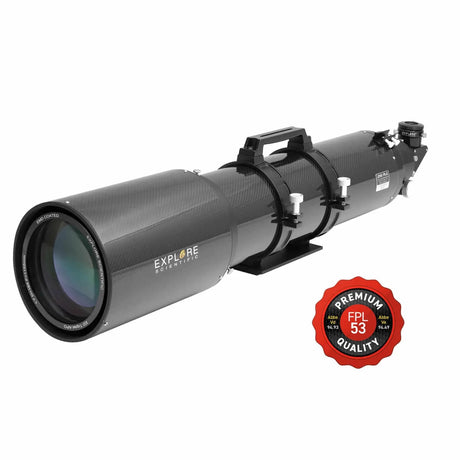
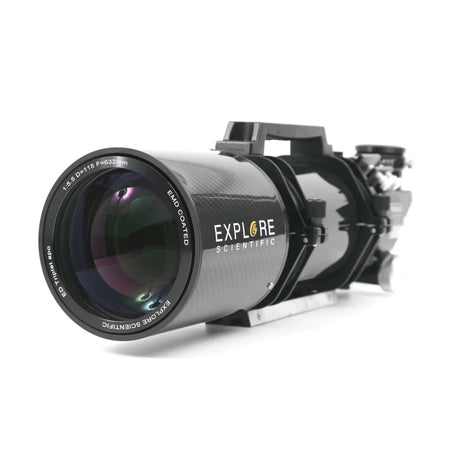
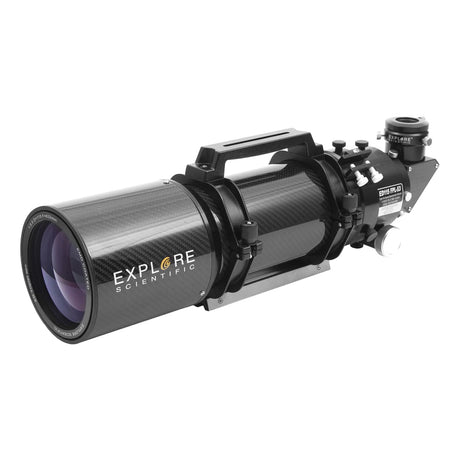
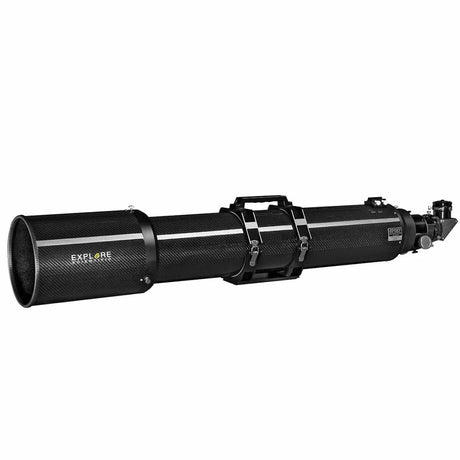
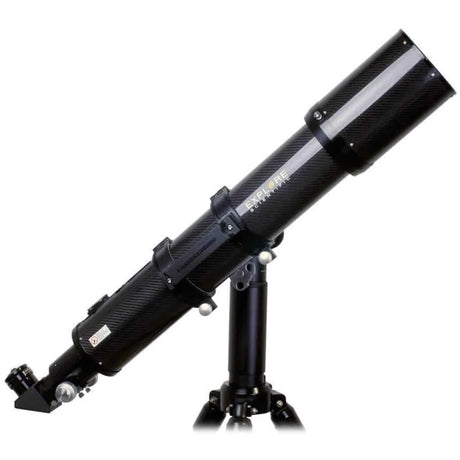
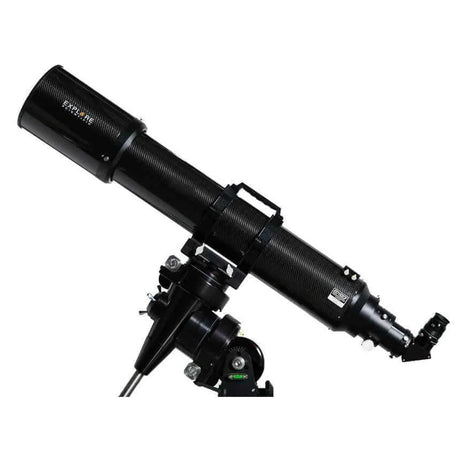
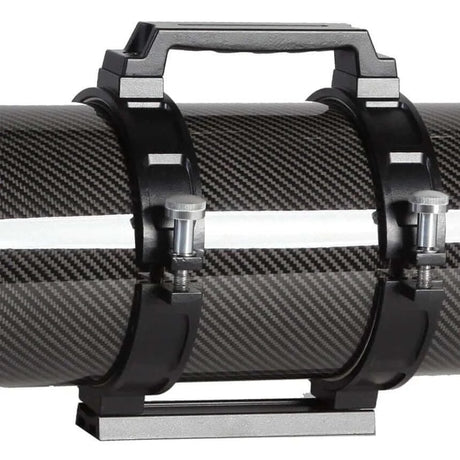
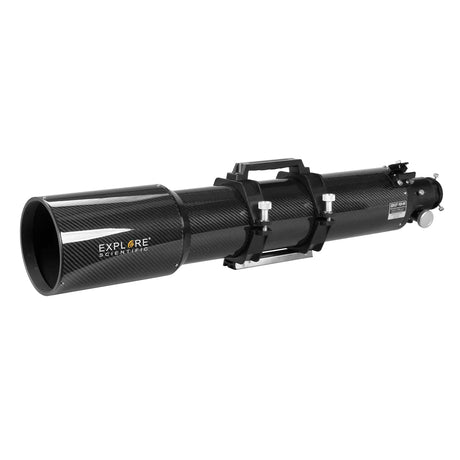
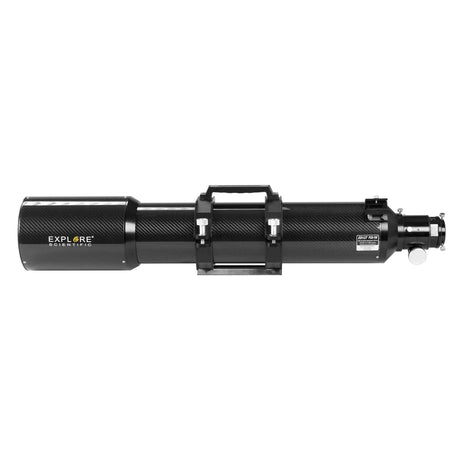
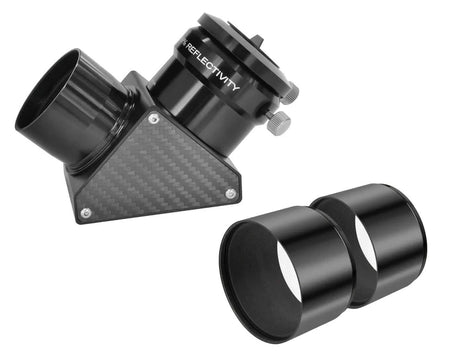
If weight matters to you, yes. The carbon fiber ED102 FCD100 has the same optics and focuser as the standard tube and weighs 9.5 lb against 12 lb, which helps when an imaging rig nears a mount's payload limit.
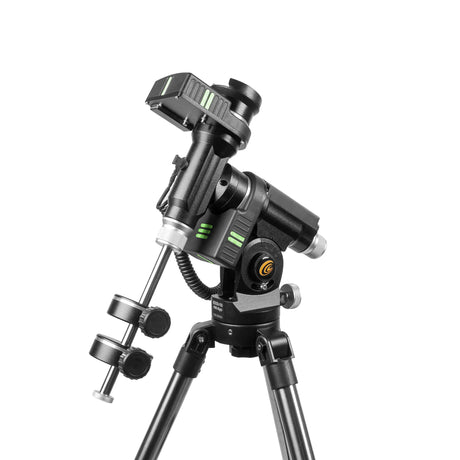
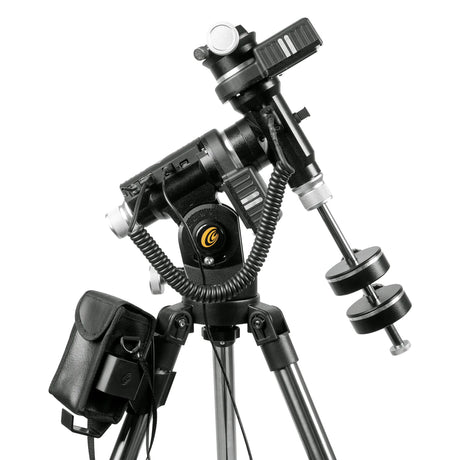
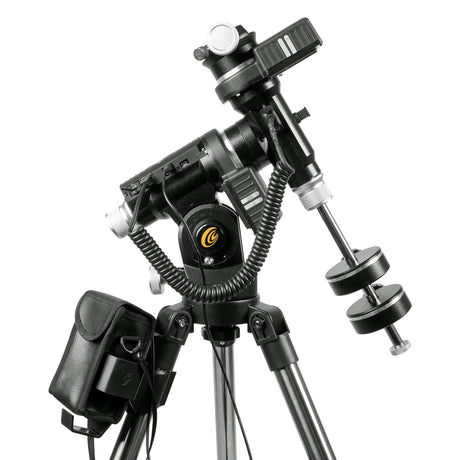
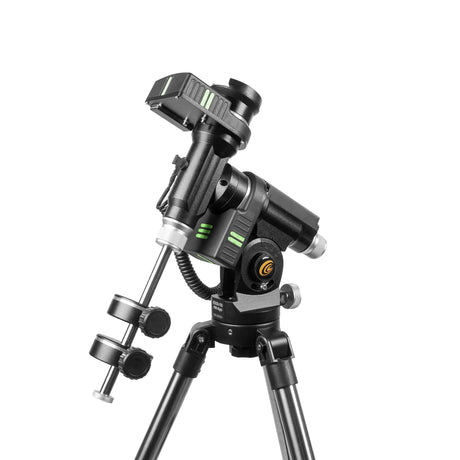
For three grades of 102 mm refractor side by side, read Comparing Explore Scientific's AR102 vs ED102 vs ED102-FCD100, and for mounts, browse our equatorial mounts.