
The right sport optics turn a good outing into a great one. Whether you're identifying birds at 200 yards, ranging a target on a mountain slope, dialing a precise shot at distance, or tracking wildlife after dark, purpose-built optics give you detail and distance your eyes alone can't match.
This guide covers five categories — binoculars, spotting scopes, rangefinders, riflescopes, and thermal imaging — starting with a quick overview of each, then a deep dive into how to choose the right model for your activity and budget.
Types of Sport Optics Explained
Each type of sport optic is built for a different job. Here's a quick look at what sets them apart:
Binoculars
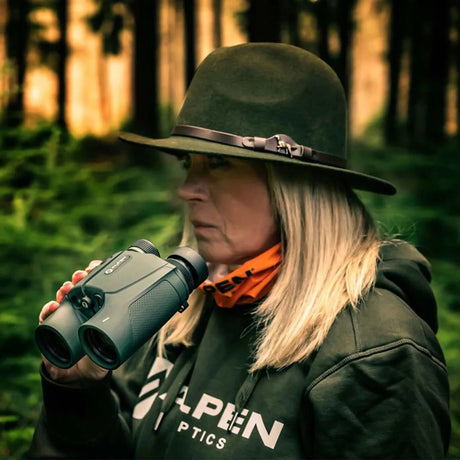
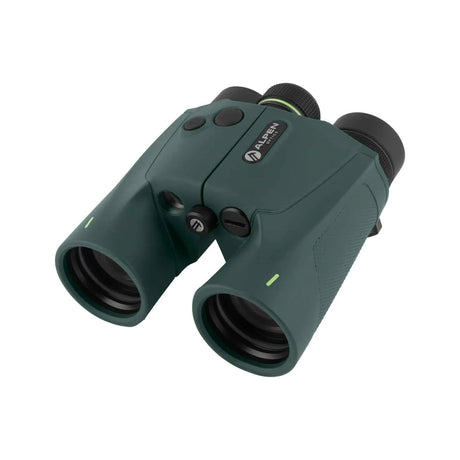
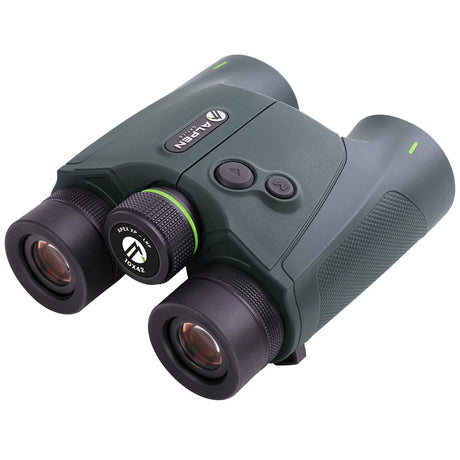
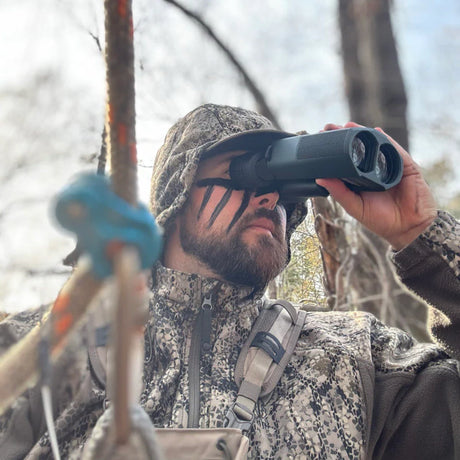
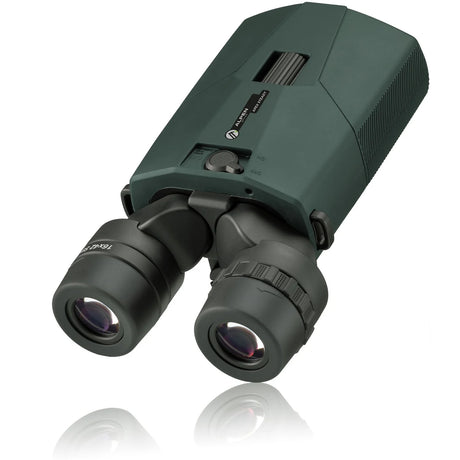
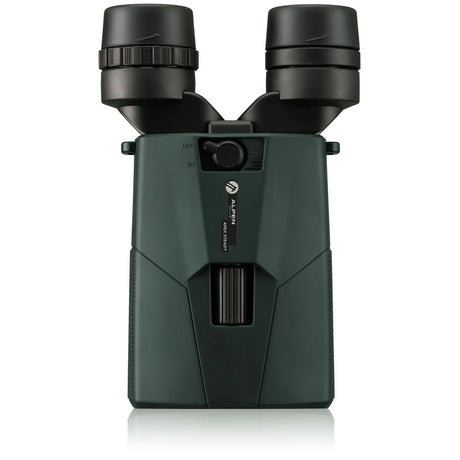
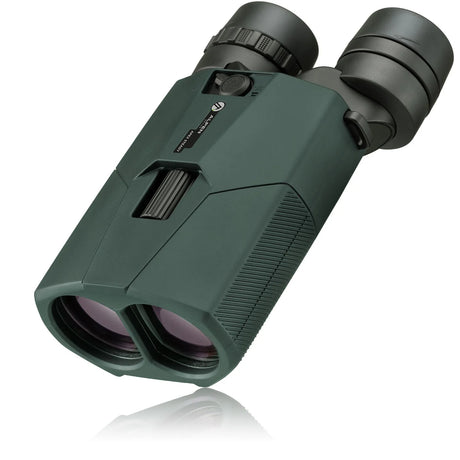
The most versatile option. Two-eye viewing with typically 8x–10x magnification, light enough to carry all day. Great for birdwatching, hiking, hunting, and spectator sports.
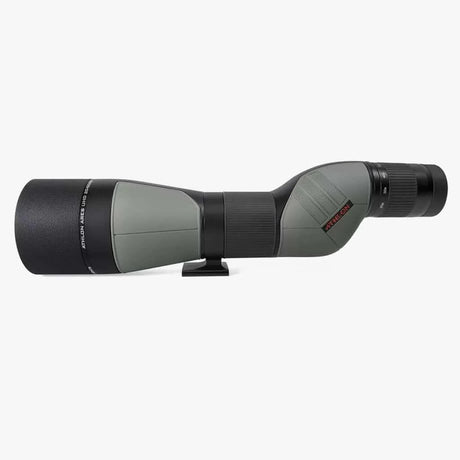
Spotting Scopes
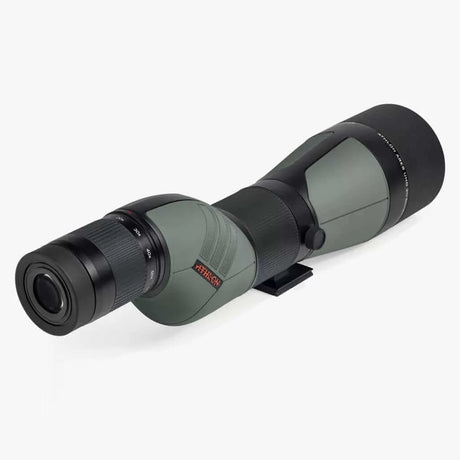
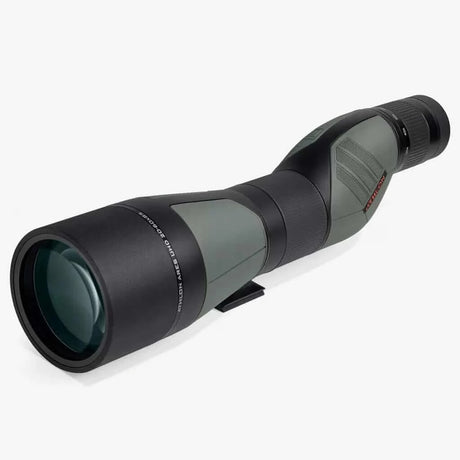
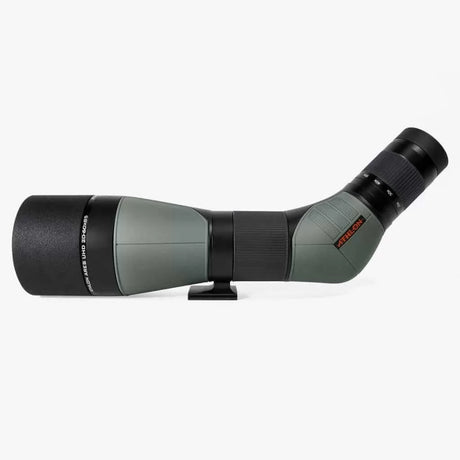
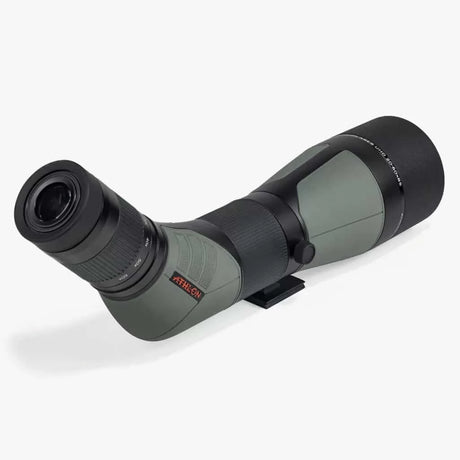
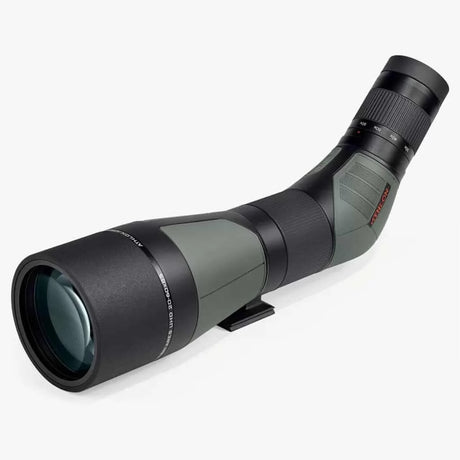
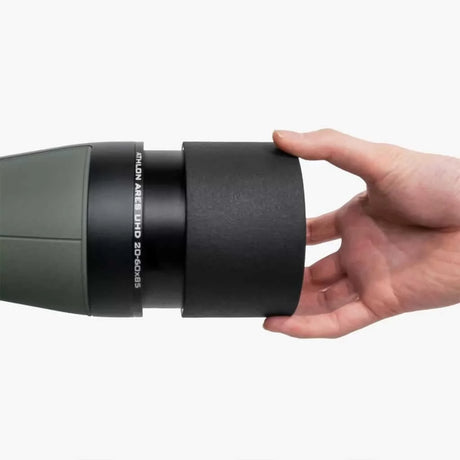
High-power, single-eye optics with 20x–60x zoom. Mounted on a tripod for stability, they excel at long-range birdwatching, target shooting, and hunting from a fixed position.
Rangefinders
Compact, laser-based devices that measure the exact distance to a target. Essential for hunters who need precise yardage and popular with golfers measuring to the pin.
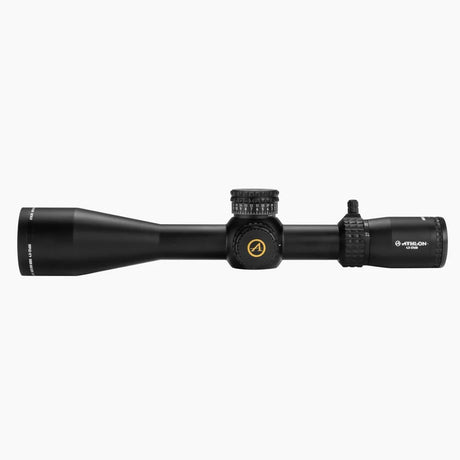
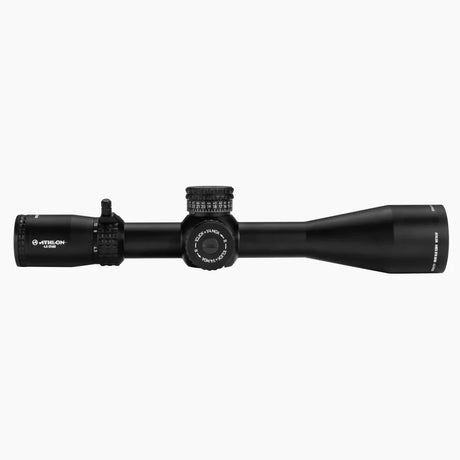
Riflescopes
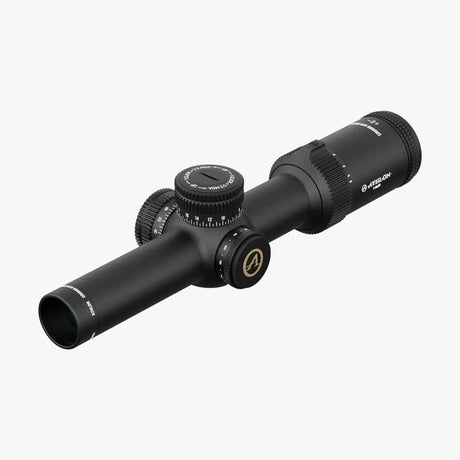
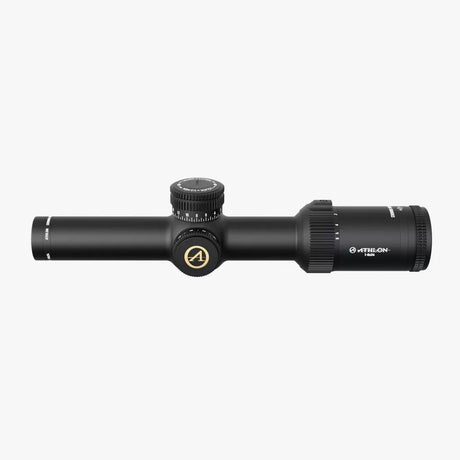
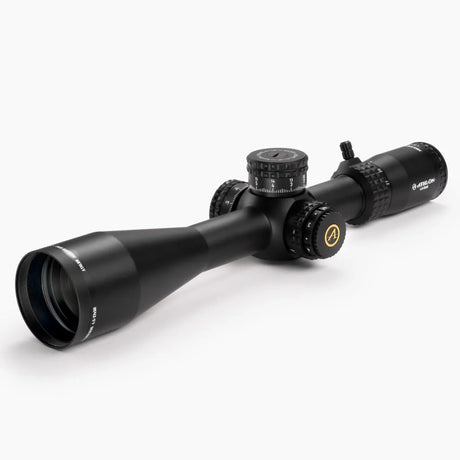
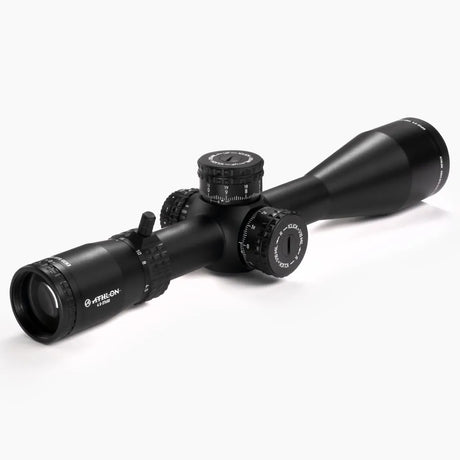
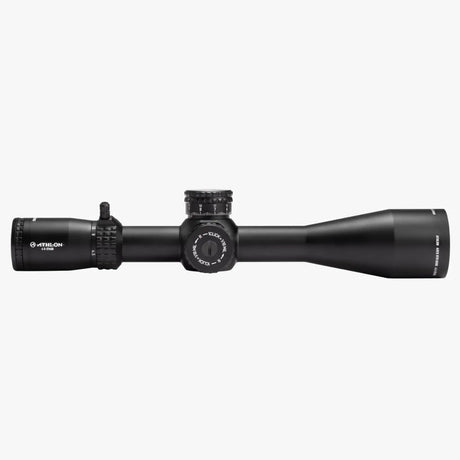
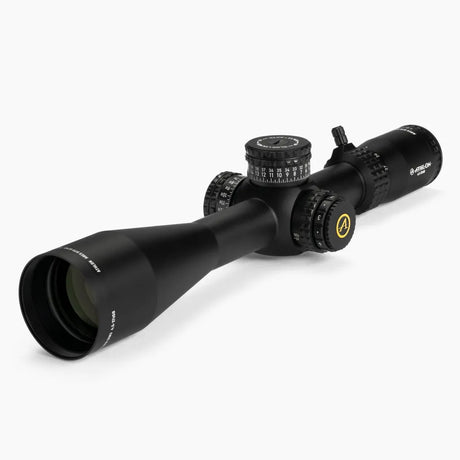
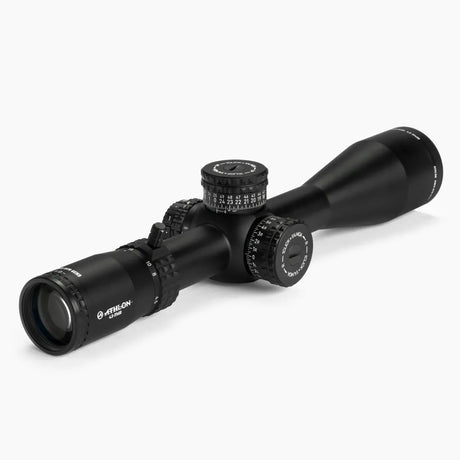
Magnified optics mounted on a rifle for precise aiming at distance. Available in low-power variable (LPVO) for close-to-mid range and high-magnification models for long-range precision shooting.
Thermal Imaging
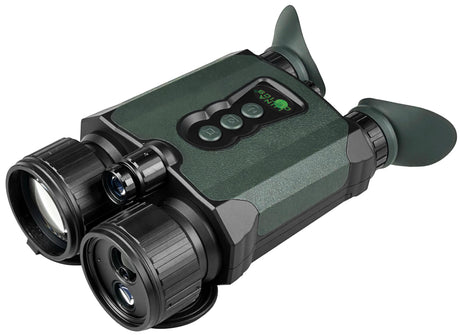
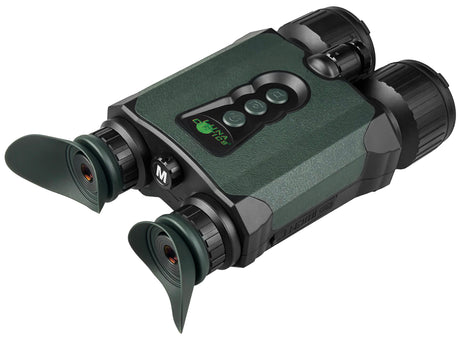
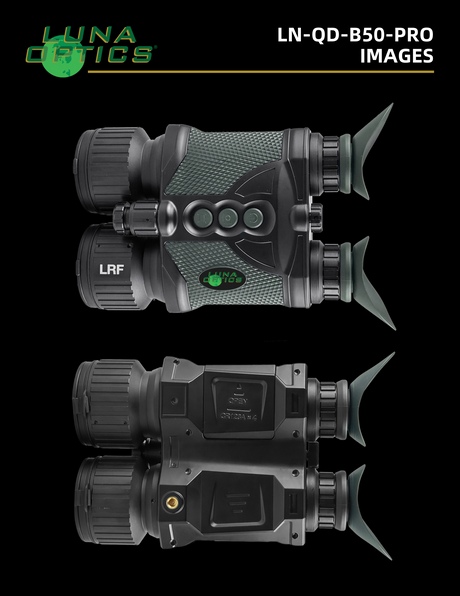
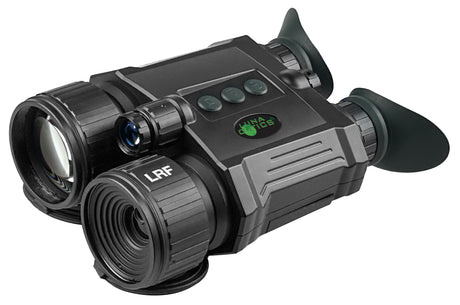
Detect infrared heat signatures rather than visible light, letting you see animals, people, or objects in complete darkness. Available as handheld monoculars, weapon-mounted thermal scopes, and clip-on units that attach to your existing riflescope.
Quick Reference: Which Optic for Your Activity?
- Birdwatching: Start with 8x42 binoculars. Add a 20–60x spotting scope for stationary hides.
- Hunting: A laser rangefinder + 10x42 binoculars is the core kit. Add a thermal monocular for predawn/post-dusk scouting.
- Hiking & travel: Compact 8x32 binoculars — light, packable, and versatile.
- Target & long-range shooting: A riflescope matched to your caliber, plus a spotting scope to read shot groups and a rangefinder for precise distance.
- Night hunting: A thermal scope or clip-on for your rifle, paired with a thermal monocular for scanning.
- Wildlife photography: A spotting scope with a phone/camera adapter for digiscoping, or binoculars for scouting subjects.
- Golf: A GPS or laser rangefinder with pin-lock and slope compensation.
Key Factors to Consider When Buying Sport Optics
Regardless of which type of optic you're shopping for, these are the core specs and features that separate a good purchase from a regrettable one. Each deep-dive section below applies them to a specific category, but here's the universal checklist:
1. Magnification
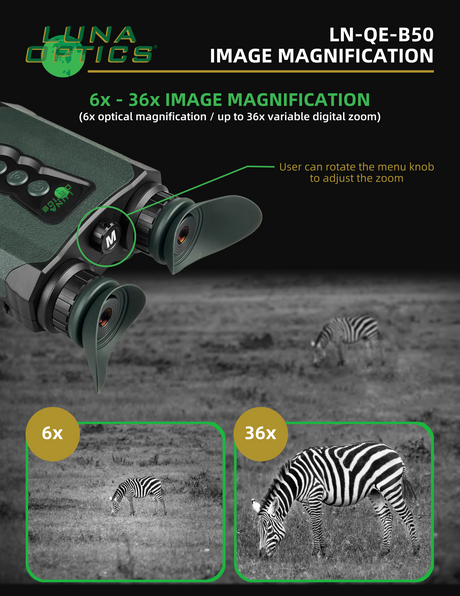
Higher isn't always better. More zoom narrows your field of view and amplifies hand shake. Match the power to the activity: 8–10x for binoculars, 20–60x for spotting scopes, 6–7x for rangefinders, and 1–30x for riflescopes depending on shooting distance.
2. Objective Lens Size
The second number in specs like 10x42. Larger lenses gather more light for brighter images in low-light conditions, but add weight and bulk. 42mm is the sweet spot for most binoculars; spotting scopes go up to 80mm+; riflescopes typically range from 24mm to 56mm.
3. Field of View
How wide an area you see at a glance, measured in feet at 1,000 yards. A wider FOV helps track moving targets like birds. Lower magnification generally gives a wider FOV.
4. Weight & Portability
If you're hiking all day, every ounce matters. Compact binoculars (8x32) weigh around 20 oz; full-size (10x42) around 25 oz. Spotting scopes need a tripod, adding to the load.
5. Weatherproofing
Look for IPX7 waterproof and nitrogen/argon fog-proofing. If you're in the field in rain, humidity, or temperature swings, sealed optics are non-negotiable.
6. Lens Coatings
Fully multi-coated (FMC) lenses deliver the best light transmission, brightness, and color accuracy. This matters most at dawn, dusk, and on overcast days.
7. Battery Life
Applies to rangefinders and thermal devices. Look for 5+ hours of continuous use and check whether batteries are rechargeable or replaceable — both have pros depending on trip length.
How to Choose the Right Binoculars
Binoculars are the most popular sport optic for good reason — they're versatile, portable, and intuitive to use. Whether you're birdwatching, hunting, hiking, or stargazing, a quality pair of binoculars is the foundation of any outdoor optics kit.
Our dedicated guide covers everything: how to read specs like 8x42, roof vs. porro prisms, lens coatings and ED glass, eye relief for glasses wearers, choosing by activity, all 8 brands we carry, and budget tiers from under $150 to $800+.
How to Choose the Right Spotting Scope
A spotting scope bridges the gap between handheld binoculars and a telescope. With 20–60x magnification on a tripod, they resolve detail that binoculars simply can’t — reading plumage markings, spotting bullet holes on paper targets, or identifying game across a valley.
Our dedicated guide covers magnification and objective size, angled vs. straight bodies, glass quality and coatings, tripod selection, choosing by activity (birding, target shooting, hunting, digiscoping), all 4 brands we carry (Athlon, Alpen, Bresser, Kite Optics), and budget tiers from $150 to $2,999.
How to Choose the Right Rangefinder
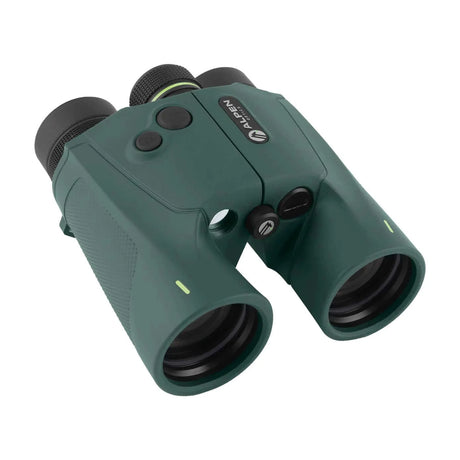
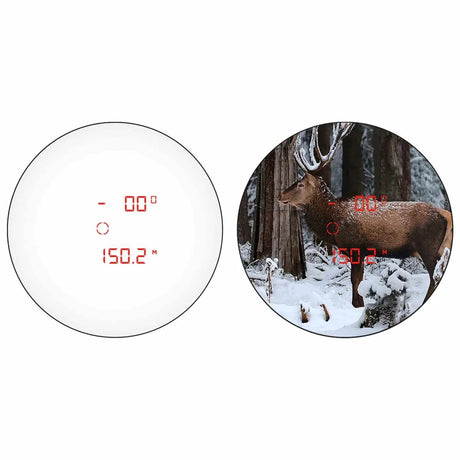
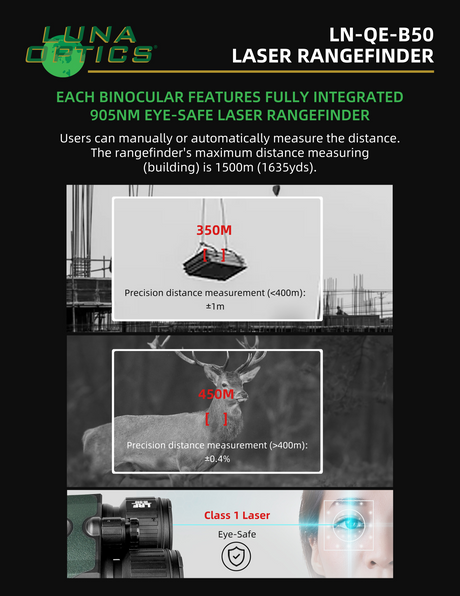
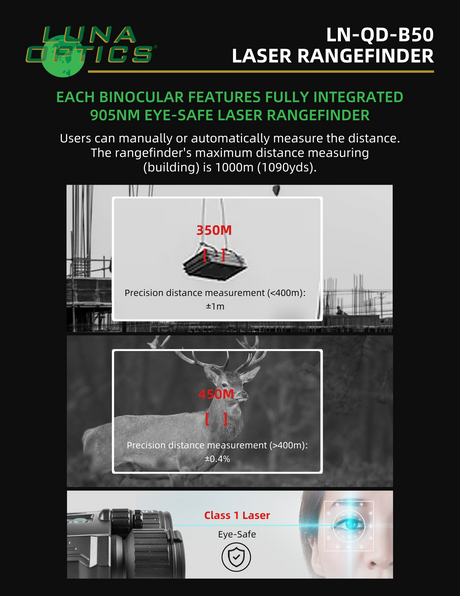
A laser rangefinder replaces guesswork with precision — press a button and know the exact distance to your target. Essential for hunters who need precise yardage for shot placement and popular with golfers measuring to the pin.
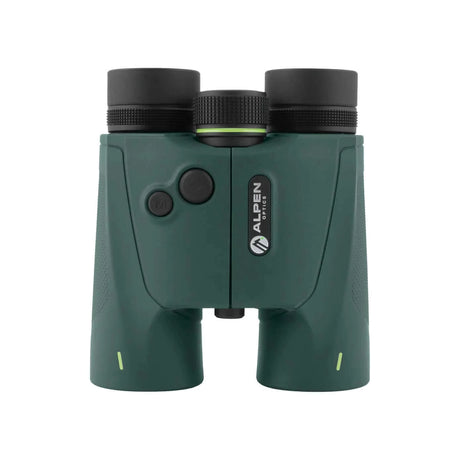
Our dedicated guide covers how laser rangefinders work, key specs (max range, angle compensation, display quality, target modes), standalone vs. rangefinder binoculars, choosing by activity (rifle hunting, bow hunting, long-range precision, golf), all 4 brands we carry (Alpen, Athlon, Bresser, Vixen), and budget tiers from $150 to $1,200.
How to Choose the Right Riflescope
A riflescope is the bridge between your eye and your target. The right one makes precise, repeatable shots possible at distances iron sights can't reach — from close-quarters LPVOs to long-range precision optics and thermal riflescopes for night hunting.
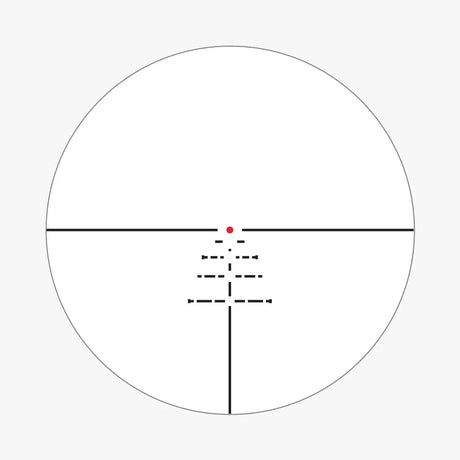
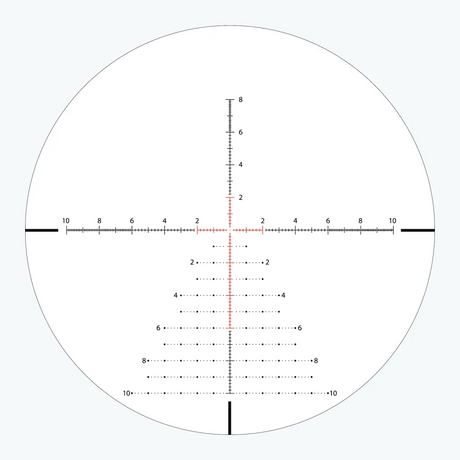
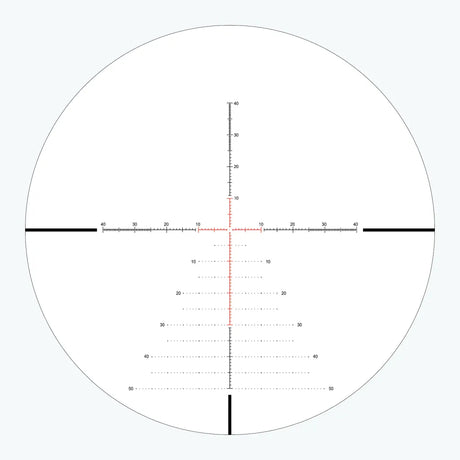
Our dedicated guide covers FFP vs. SFP, magnification ranges, reticle types (BDC, MIL, MOA), turret styles, tube sizes, glass quality, choosing by shooting discipline, all 6 brands we carry (including thermal and NV optics), and budget tiers from $580 to $6,999.
How to Choose the Right Thermal Imaging Device
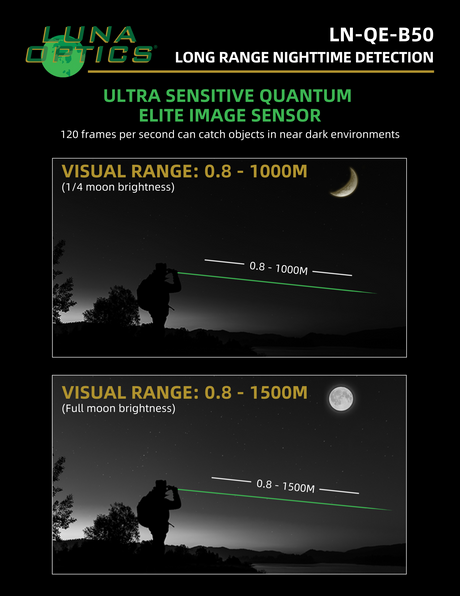
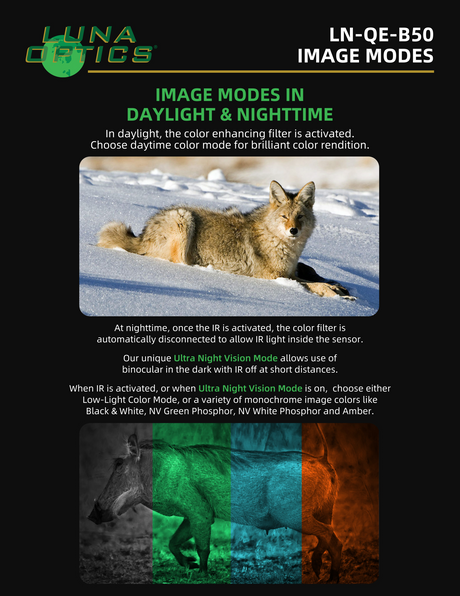
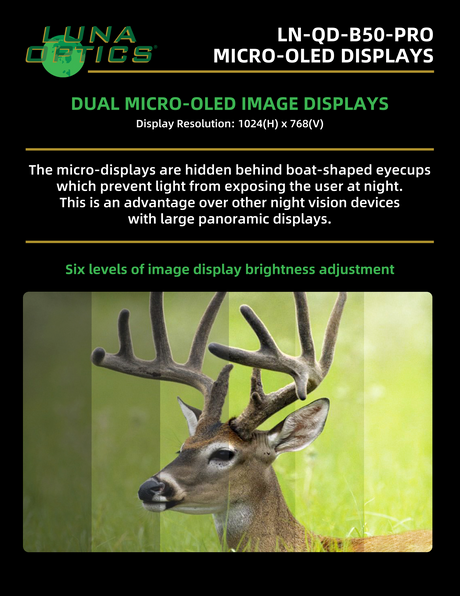
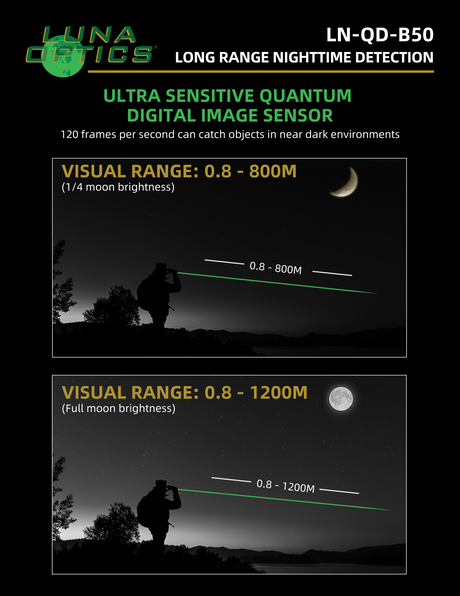
Thermal imaging detects infrared heat signatures in total darkness, fog, and dense brush. Digital night vision amplifies available light for detailed, recognizable images at night. Two different technologies for two different jobs — and we carry both.
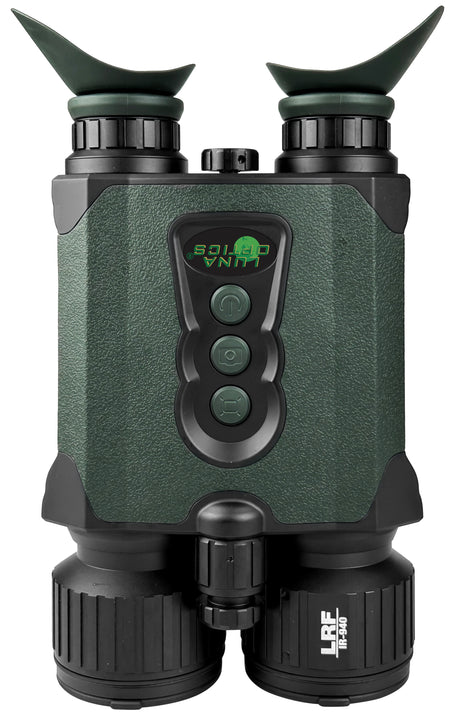
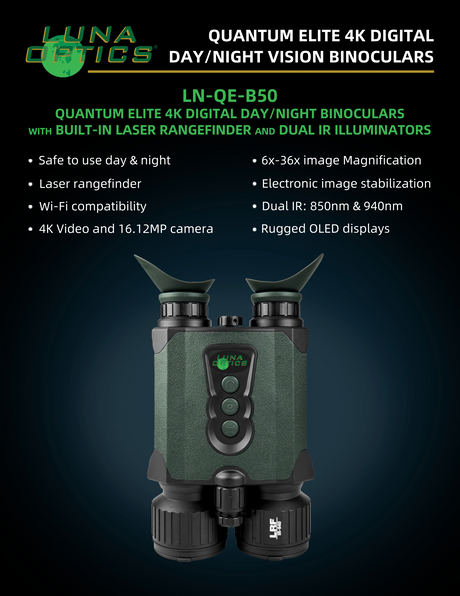
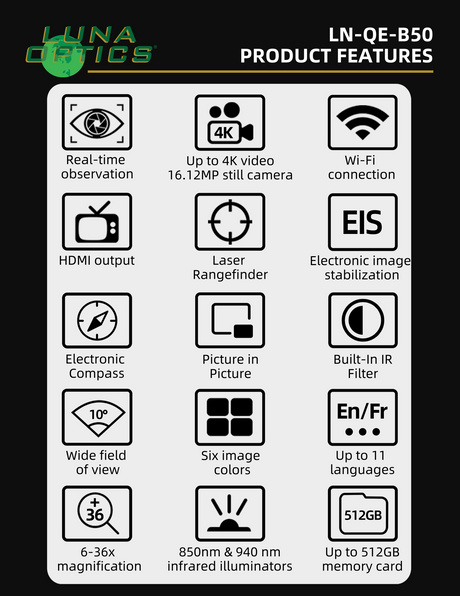
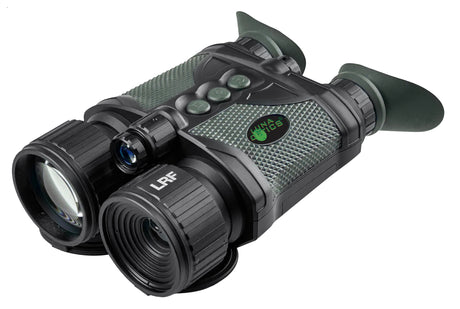
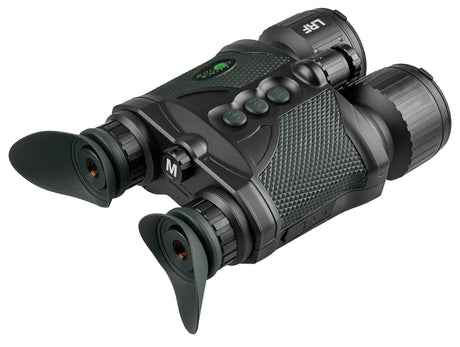
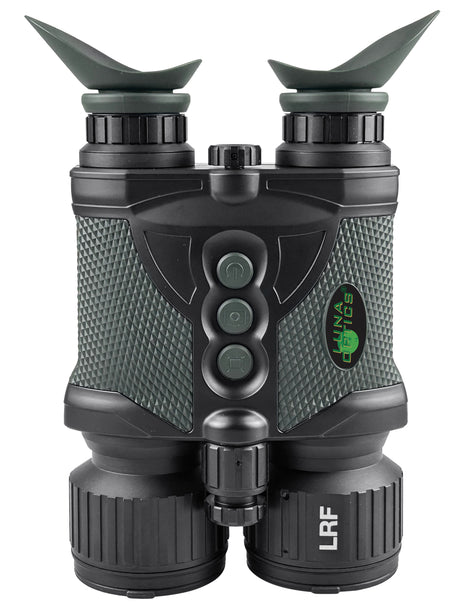
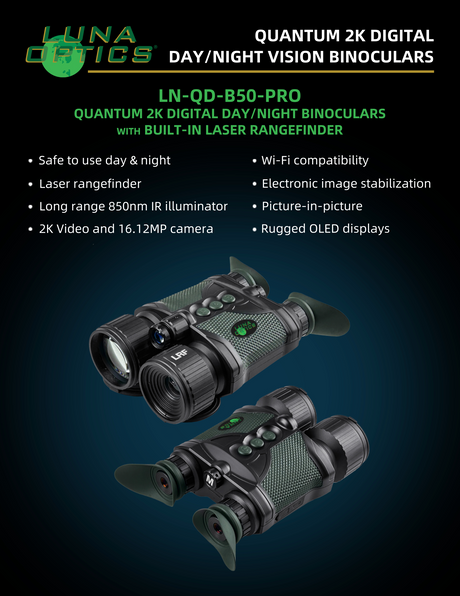
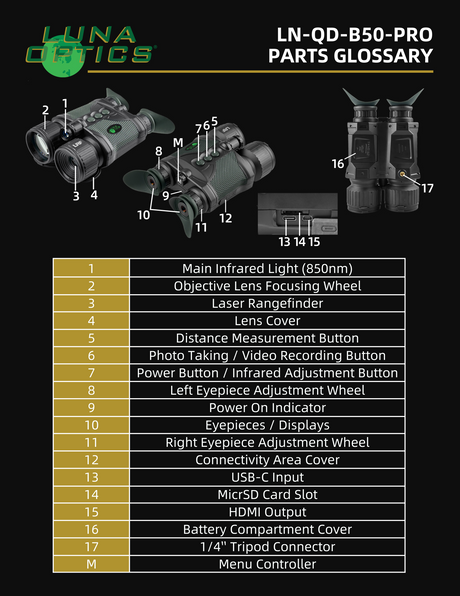
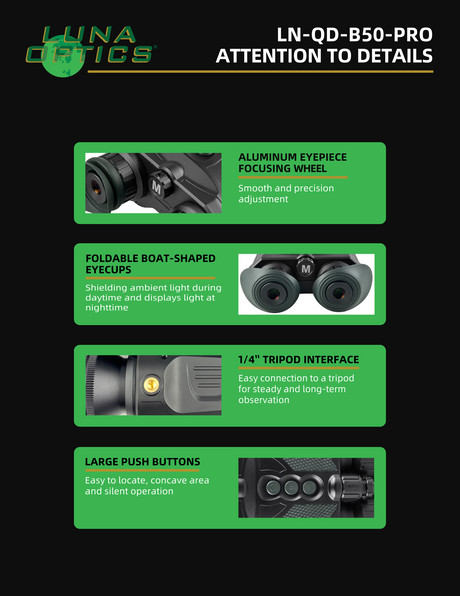
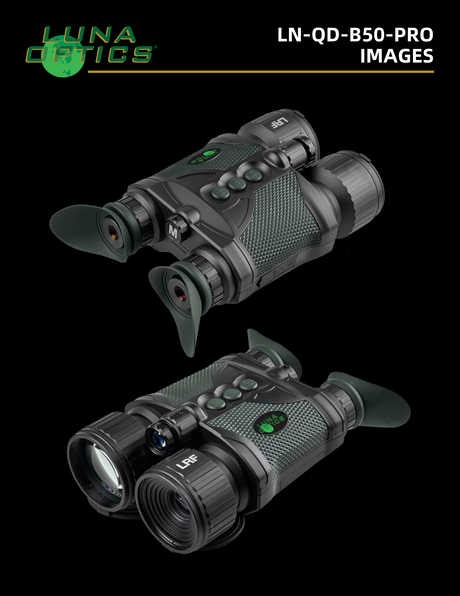
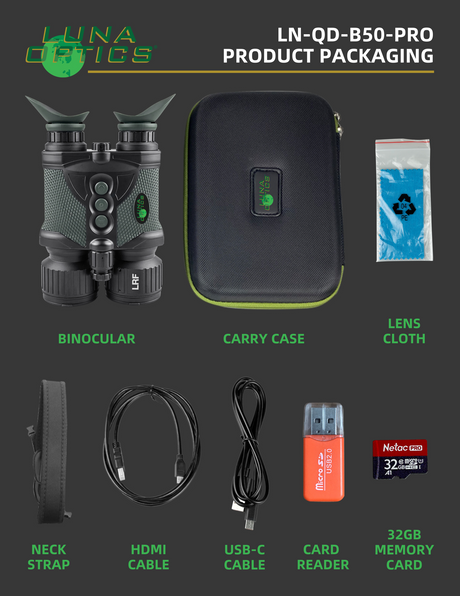
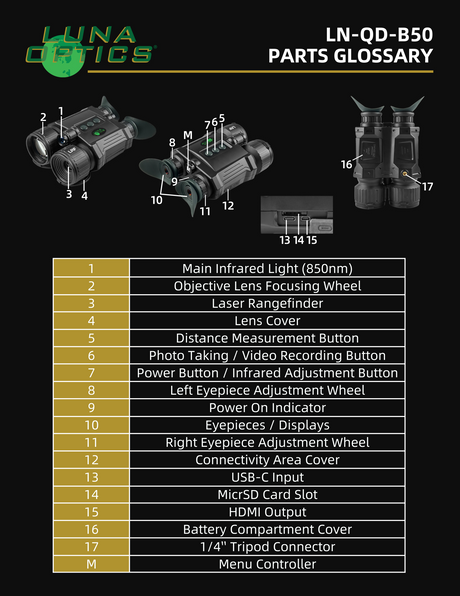
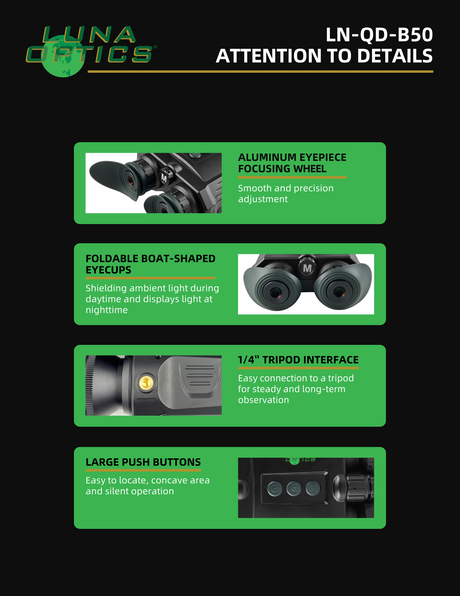
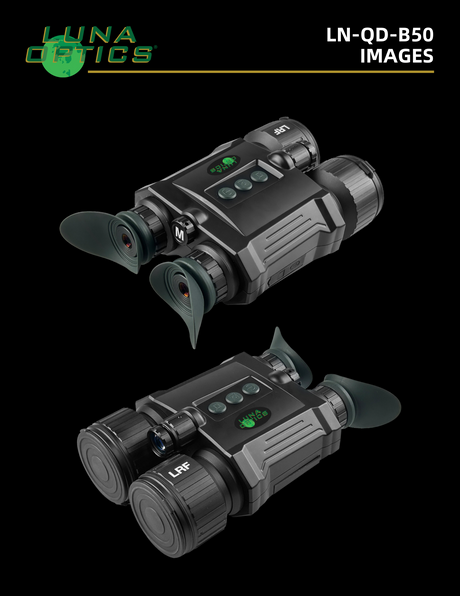
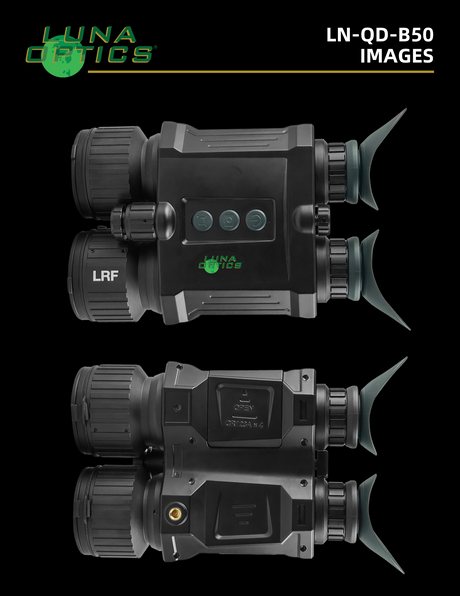
Our dedicated guide covers thermal vs. digital night vision (when to use each), form factors (monoculars, riflescopes, clip-ons, binoculars), key specs (sensor resolution, detection range, refresh rate, LRF), all 5 brands we carry (Guide Sensmart, Athlon, Alpen, Luna Optics, National Geographic), and budget tiers from $130 to $6,999.
Sport Optics FAQs for Beginners
What magnification is best for birdwatching?
What magnification is best for birdwatching?
For birdwatching, a magnification of 8x or 10x is ideal.
An 8x magnification gives you a wider field of view, making it easier to track birds in motion, while 10x allows you to see birds in more detail but may be harder to stabilize without a tripod.
Binoculars with a 42mm objective lens (like 8x42 or 10x42) are popular for their balance of brightness and portability.
How much magnification do I need for long-range shooting?
How much magnification do I need for long-range shooting?
It depends on whether you're observing or aiming.
To observe shot placement (seeing where your rounds hit), you need a spotting scope with 20x to 60x magnification, mounted on a sturdy tripod for stability.
To aim and shoot at long range, you need a riflescope. For distances beyond 500 yards, look for 4.5–30x or higher magnification with a First Focal Plane (FFP) reticle so holdover marks stay accurate at any power setting.
Most long-range shooters use both — a riflescope on the rifle and a spotting scope beside them to read groups and spot impacts.
What’s the difference between binoculars and spotting scopes?
What’s the difference between binoculars and spotting scopes?
Binoculars are handheld and offer lower magnification (usually 8x to 10x) for general observation over shorter distances. They’re great for activities like birdwatching or hiking.
Spotting scopes offer much higher magnification (usually 20x to 60x) and are designed for long-range viewing, such as hunting or target shooting. Spotting scopes typically require a tripod for stable use.
Do I need a rangefinder if I’m hunting?
Do I need a rangefinder if I’m hunting?
A rangefinder is incredibly helpful for hunting, especially if you’re shooting at variable distances. It accurately measures the distance to your target, which is crucial for determining the right aim and shot placement.
Many hunting rangefinders also include angle compensation, which adjusts for uphill or downhill shots, ensuring more accurate results.
How does a thermal monocular work?
How does a thermal monocular work?
A thermal monocular detects infrared radiation (heat) emitted by objects, allowing you to see animals, people, or objects in total darkness or low-light conditions.
It’s ideal for nighttime hunting, wildlife observation, or search-and-rescue operations, as it detects heat signatures rather than relying on visible light.
What’s the best size of binoculars for hiking?
What’s the best size of binoculars for hiking?
For hiking, portability is key, so go for compact and lightweight binoculars, typically in the range of 8x32 or 10x32.
These sizes offer a good balance between magnification and portability, allowing you to get a closer look at wildlife or landscapes without adding too much bulk to your gear.
What does “fully multi-coated lenses” mean?
What does “fully multi-coated lenses” mean?
Fully multi-coated lenses have multiple layers of anti-reflective coatings on all air-to-glass surfaces.
This maximizes light transmission, resulting in brighter, clearer images with better color contrast.
For outdoor optics, fully multi-coated lenses are a must-have for getting the best image quality, especially in low-light conditions like dawn or dusk.
Can I use a spotting scope for stargazing?
Can I use a spotting scope for stargazing?
Yes, you can use a spotting scope for basic stargazing, especially for observing the moon and planets.
While not as powerful as a dedicated telescope, spotting scopes with high magnification (20x-60x) and large objective lenses can provide great views of the moon’s surface or bright planets like Jupiter and Saturn.
What’s the difference between a laser rangefinder and a GPS rangefinder?
What’s the difference between a laser rangefinder and a GPS rangefinder?
A laser rangefinder measures the exact distance to an object by firing a laser beam and calculating how long it takes to return. It’s highly accurate for direct distance measurements, making it perfect for hunting and shooting.
A GPS rangefinder is typically used for golf and calculates distances based on your location relative to pre-mapped points, like greens or hazards. It doesn’t require a direct line of sight but may not be as precise for specific objects as a laser rangefinder.
What's the difference between FFP and SFP riflescopes?
What's the difference between FFP and SFP riflescopes?
In a First Focal Plane (FFP) scope, the reticle scales with magnification, so holdover marks remain accurate at any power setting. This is preferred for long-range precision shooting where you make adjustments at varying magnification levels.
In a Second Focal Plane (SFP) scope, the reticle stays the same size regardless of magnification. Subtension values are only accurate at one power setting (usually the highest). SFP scopes are popular for hunting where quick target acquisition matters more than dialing at distance.
What's the difference between a thermal monocular, scope, and clip-on?
What's the difference between a thermal monocular, scope, and clip-on?
A thermal monocular is handheld and used for scanning and scouting — you hold it to your eye like a small telescope. It's the most versatile option.
A thermal scope mounts directly on your rifle with a built-in reticle for aiming. It's purpose-built for shooting and often includes features like ballistic calculators and laser rangefinders.
A thermal clip-on attaches in front of your existing daytime riflescope, converting it to thermal capability without changing your zero. It's ideal if you want one rifle setup that works both day and night.
How do I care for my optics?
How do I care for my optics?
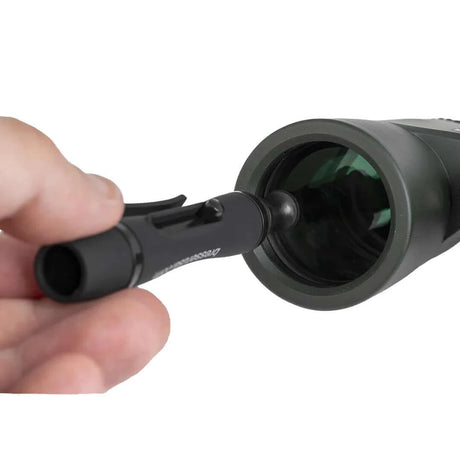
To keep your optics in top shape, always store them in a protective case when not in use. Clean the lenses with a soft, lint-free cloth and use lens cleaning solution if necessary.
Avoid touching the lenses with your fingers, as oils and dirt can damage coatings over time. If your optics are waterproof, rinse them off after exposure to saltwater or heavy rain to prevent corrosion.
Get Ready to Explore
You now have a solid foundation for choosing the right sport optics. Here's a quick recap:
- Binoculars — versatile, portable, ideal for birdwatching, hiking, and general outdoor use.
- Spotting scopes — high-power long-range viewing for birding, target shooting, and hunting.
- Rangefinders — precise distance measurement for hunting, golf, and shooting sports.
- Riflescopes — magnified aiming optics for precise shooting from close quarters to extreme long range.
- Thermal imaging — heat-based detection as monoculars, weapon scopes, or clip-ons for total darkness capability.
Start by identifying your primary activity, then match the specs to your needs and budget. If you're unsure, a quality pair of 8x42 binoculars is the most versatile starting point — they work well for nearly every outdoor activity.
Take care of your optics (store in a case, clean lenses with a microfiber cloth, rinse after saltwater exposure) and they'll perform reliably for years.
Browse by budget
Sport Optics under $500
View all-
20% off
Athlon Optics
Athlon Optics Argos BTR GEN3 10-40×56 ABLR4 SFP MOA
Sale price $469.99 Regular price $587.49Unit priceIn stock -
-
20% off
Athlon Optics
Athlon Optics Helos BTR 1-4.5×24 ATSR3 SFP IR MOA
Sale price $469.99 Regular price $587.49Unit priceIn stock -
-
20% off
Athlon Optics
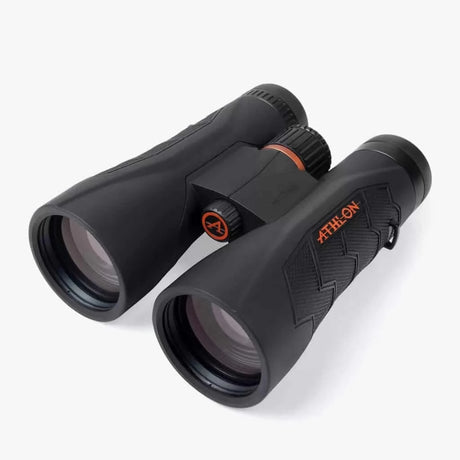
Athlon Optics Midas G2 UHD 12x50 Binoculars
Sale price $459.99 Regular price $574.99Unit priceIn stock -
-
20% off
Alpen Optics
Alpen Shasta Ridge 25-75x100 Waterproof Spotting Scope
Sale price $450.00 Regular price $562.50Unit priceIn stock -
-
20% off
Athlon Optics
Athlon Optics Argos BTR GEN3 8-34×56 APLR11 FFP IR MOA
Sale price $449.99 Regular price $562.49Unit priceIn stock -
-
20% off
Athlon Optics
Athlon Optics Argos BTR GEN3 8-34×56 APRS11 FFP IR MIL
Sale price $449.99 Regular price $562.49Unit priceIn stock -
-
20% off
Athlon Optics
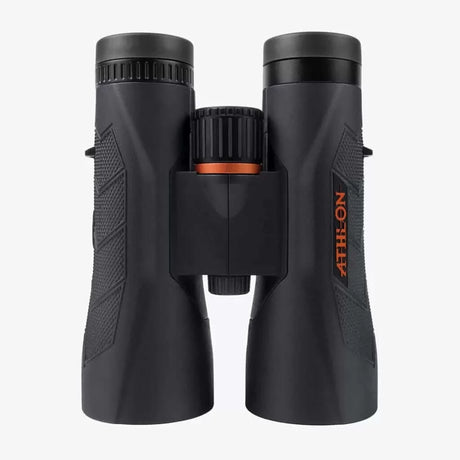
Athlon Optics Midas G2 UHD 10x50 Binoculars
Sale price $449.99 Regular price $562.49Unit priceIn stock -
-
10% off
Luna Optics
Luna Optics ELIR-3 Extended Range Laser IR Illuminator
Sale price $449.95 Regular price $499.95Unit priceIn stock -
-
Pre-Order
-
-
20% off
Athlon Optics
Athlon Optics Argos BTR GEN3 1-8×24 ATMR4 SFP IR MOA
Sale price $439.99 Regular price $549.99Unit priceIn stock -
-
12% off
Bresser
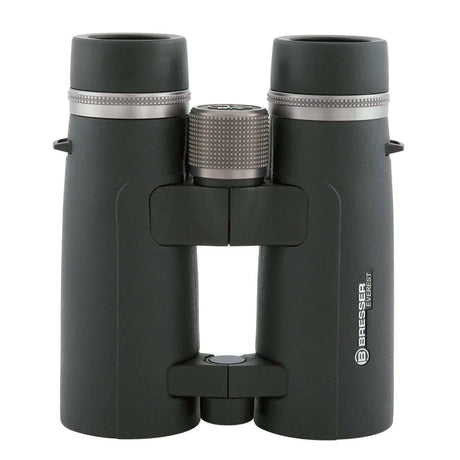
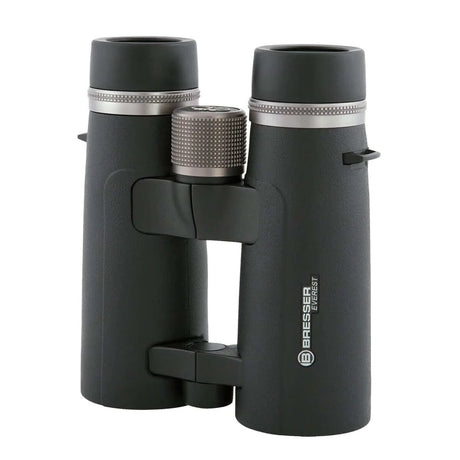
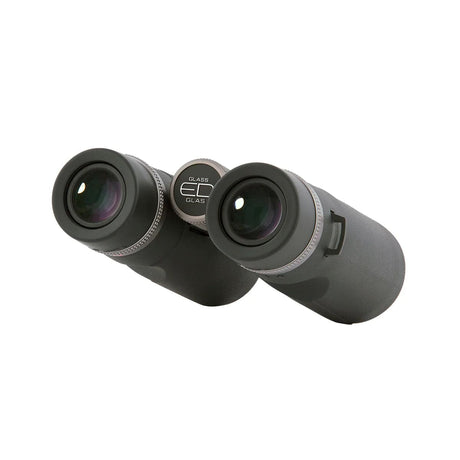
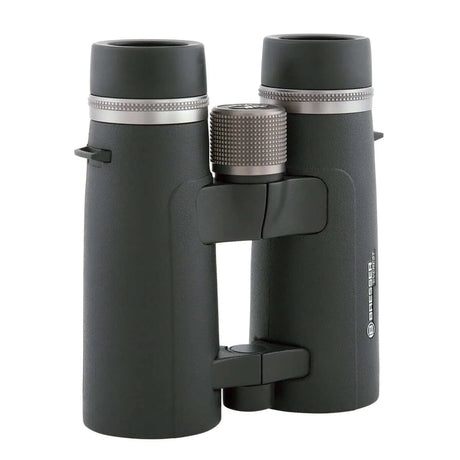
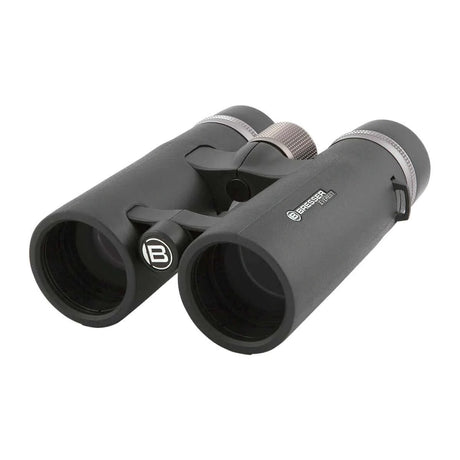
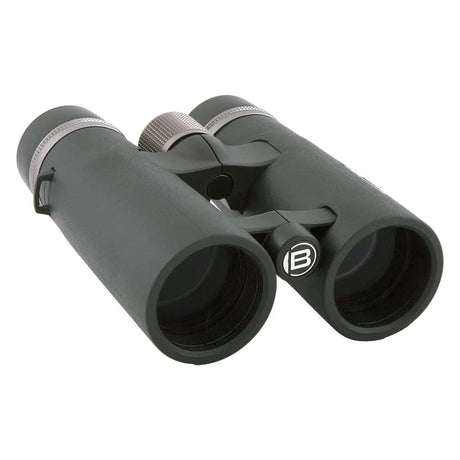
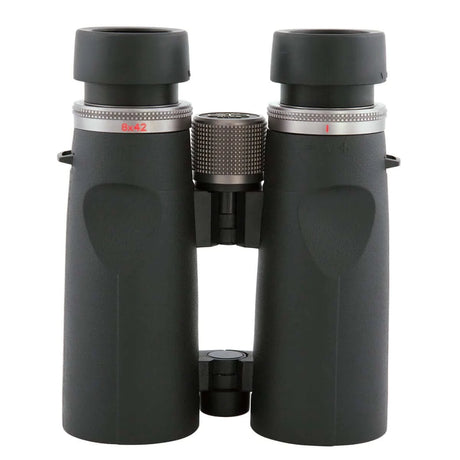
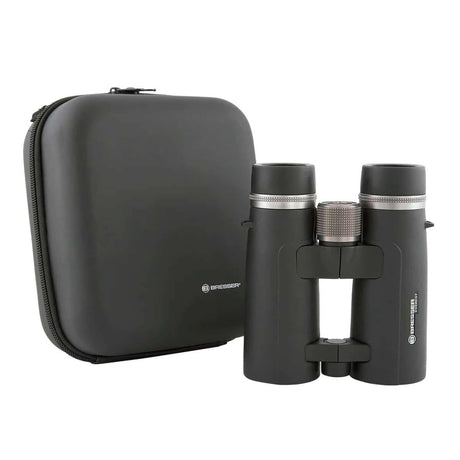
Bresser Everest 8x42 ED Binoculars
Sale price $439.99 Regular price $499.99Unit priceIn stock -
-
20% off
Athlon Optics
Athlon Optics Argos BTR GEN3 6-24×50 APLR11 FFP IR MOA
Sale price $429.99 Regular price $537.49Unit priceIn stock -
-
20% off
Athlon Optics
Athlon Optics Argos BTR GEN3 6-24×50 APRS11 FFP IR MIL
Sale price $429.99 Regular price $537.49Unit priceIn stock -
-
20% off
Athlon Optics
Athlon Argos HD 20-60x85 Spotting Scope - 45 Degree
Sale price $419.99 Regular price $524.99Unit priceIn stock -
-
20% off
Athlon Optics
Athlon Argos HD 20-60x85 Spotting Scope - Straight
Sale price $419.99 Regular price $524.99Unit priceIn stock -
-
20% off
Athlon Optics
Athlon Optics Rangecraft Velocity Pro Radar Chronograph
Sale price $399.99 Regular price $499.99Unit priceIn stock -
-
20% off
Alpen Optics
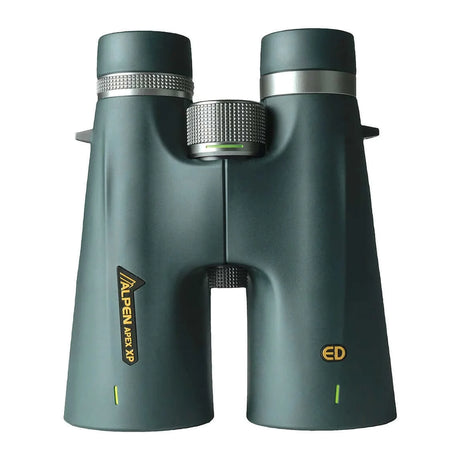
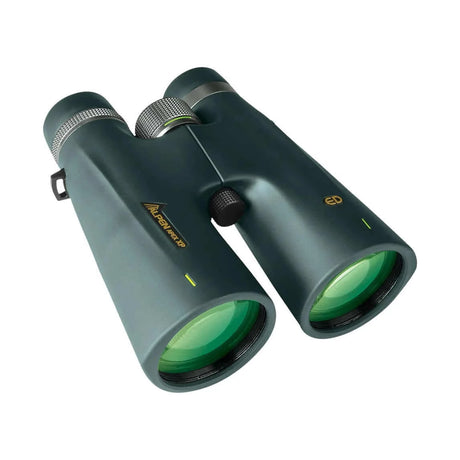
Alpen Apex XP 8x56 ED Binoculars
Sale price $399.99 Regular price $499.99Unit priceIn stock -
-
20% off
Athlon Optics
Athlon Optics Midas Flare 5x Prism Scope
Sale price $349.99 Regular price $437.49Unit priceIn stock -
-
20% off
Alpen Optics
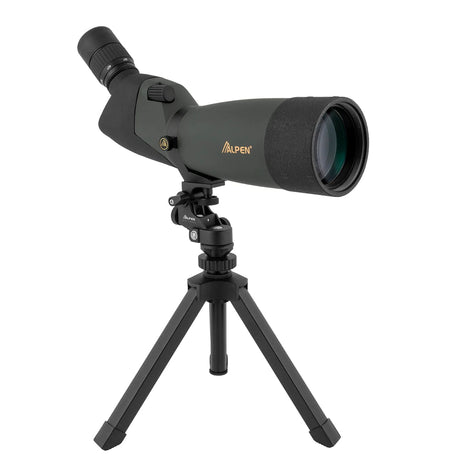
Alpen Shasta Ridge 20-60x80 Waterproof Spotting Scope
Sale price $349.99 Regular price $437.49Unit priceIn stock -
-
20% off
Athlon Optics
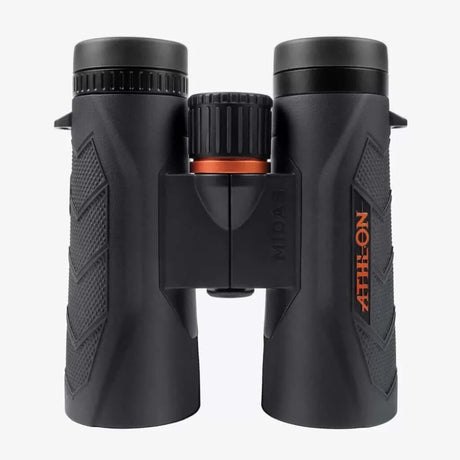
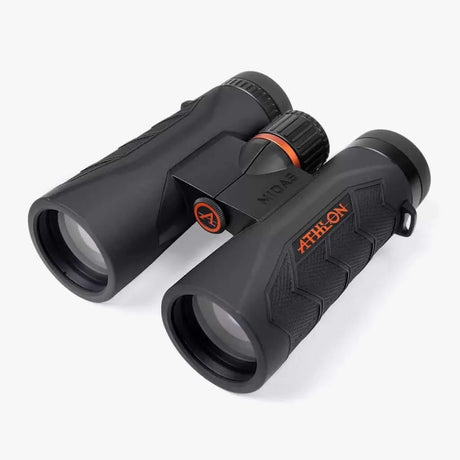
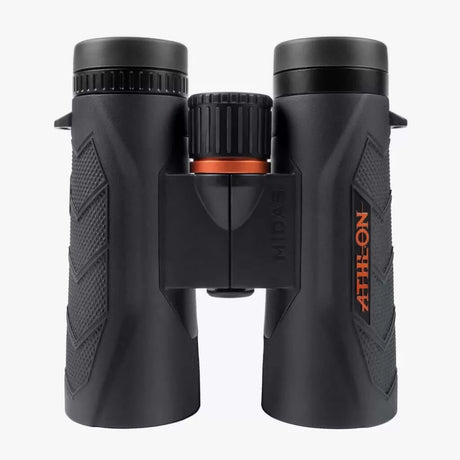
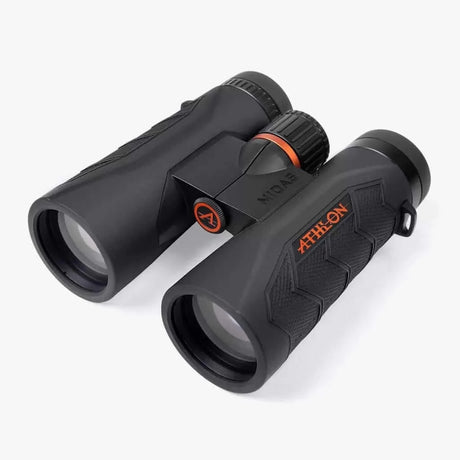
Athlon Optics Midas G2 UHD 10x42 Binoculars
Sale price $339.99 Regular price $424.99Unit priceIn stock -
-
20% off
Athlon Optics
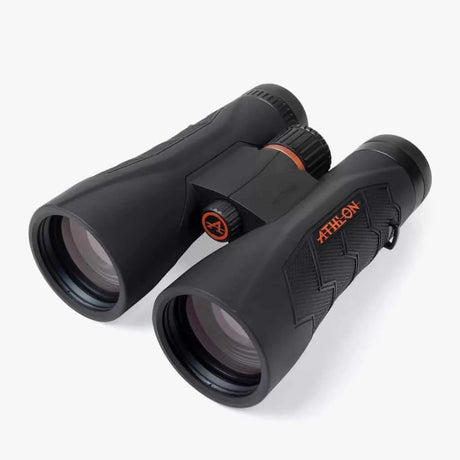
Athlon Optics Midas G2 UHD 8x42 Binoculars
Sale price $329.99 Regular price $412.49Unit priceIn stock -












Sport Optics under $1,000
View all-
20% off
Alpen Optics
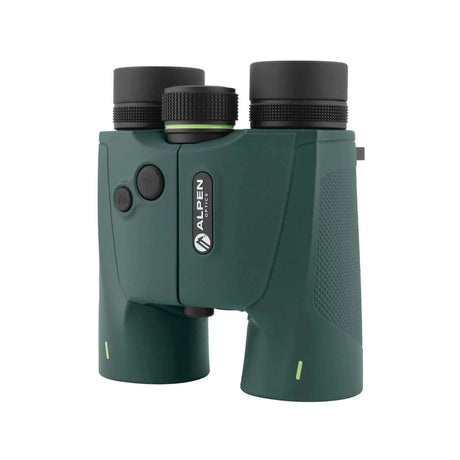
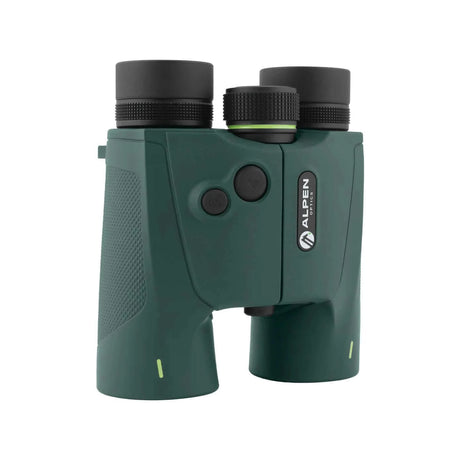
Alpen Apex XP 10x42 ED Laser Rangefinder Binoculars
Sale price $999.99 Regular price $1,249.99Unit priceIn stock -
-
20% off
Athlon Optics
Athlon Optics Cronus BTR GEN2 UHD 1-6×24 ATSR2 SFP IR MOA
Sale price $999.99 Regular price $1,249.99Unit priceIn stock -
-
5% off
Luna Optics
Sale price $999.95 Regular price $1,049.95Unit priceIn stock -
-
9% off
Luna Optics
Sale price $999.95 Regular price $1,099.95Unit priceIn stock -
-
20% off
Alpen Optics
Alpen Apex Steady 20x42 HD Binoculars with Image Stabilization
Sale price $999.00 Regular price $1,249.99Unit priceIn stock -
-
5% off
Kite Optics
Kite Optics Lynx HD+ 10x30 Binoculars
Sale price $965.00 Regular price $1,020.00Unit priceIn stock -
-
5% off
Luna Optics
Sale price $949.95 Regular price $999.95Unit priceIn stock -
-
5% off
Kite Optics
Kite Optics Lynx HD+ 8x30 Binoculars
Sale price $930.00 Regular price $980.00Unit priceIn stock -
-
20% off
Alpen Optics
Alpen Apex Steady 14x42 HD Binoculars with Image Stabilization
Sale price $899.99 Regular price $1,124.99Unit priceIn stock -
-
20% off
Athlon Optics
Athlon Optics Ares BTR GEN3 HD 4.5-27×50 APRS13 FFP IR MIL
Sale price $899.99 Regular price $1,124.99Unit priceIn stock -
-
20% off
Athlon Optics
Athlon Optics Ares BTR GEN3 HD 4.5-27×50 APLR13 FFP IR MOA
Sale price $899.99 Regular price $1,124.99Unit priceIn stock -
-
20% off
Athlon Optics
Athlon Optics Ares G2 UHD 20-60x85 Straight Spotting Scope
Sale price $899.99 Regular price $1,124.99Unit priceIn stock -
-
20% off
Athlon Optics
Athlon Optics Ares G2 UHD 20-60x85 Angled Spotting Scope
Sale price $899.99 Regular price $1,124.99Unit priceIn stock -
-
5% off
Luna Optics
Sale price $899.95 Regular price $949.95Unit priceIn stock -
-
5% off
Luna Optics
Sale price $899.95 Regular price $949.95Unit priceIn stock -
-
5% off
Kite Optics
Kite Optics B6 LR 3-18x50 Riflescope (23i Reticle)
Sale price $899.00 Regular price $950.00Unit priceIn stock -
-
5% off
Kite Optics
Kite Optics B6 LR 3-18x50 Riflescope (4Ai Reticle)
Sale price $899.00 Regular price $950.00Unit priceIn stock -
-
Alpen Optics
Alpen Apex XP 1-6x24 Duplex Riflescope with SmartDot
Regular price $881.95Unit priceIn stock -
-
6% off
Luna Optics
Luna Optics Quantum Elite 4K 6-36x50 Day/Night Vision Riflescope
Sale price $849.95 Regular price $899.95Unit priceIn stock -
-
20% off
Athlon Optics
Athlon Optics Cronus ATS Pro 25-250 Thermal Scope with Picatinny Mount
Sale price $799.99 Regular price $999.99Unit priceIn stock -
-
20% off
Alpen Optics
Alpen Apex Steady 16x30 HD Binoculars with Image Stabilization
Sale price $799.99 Regular price $999.99Unit priceIn stock -