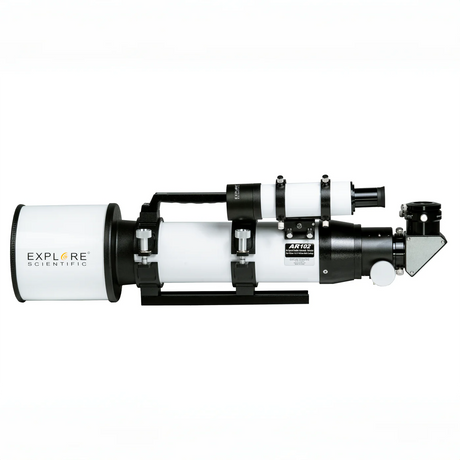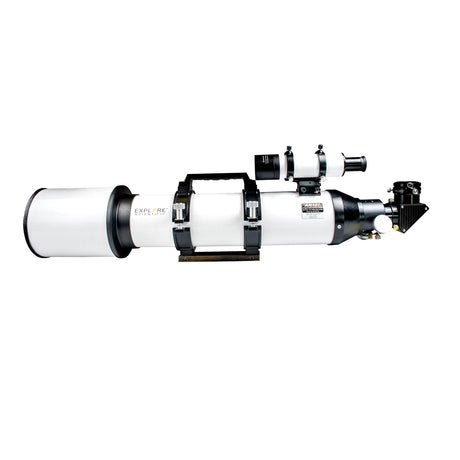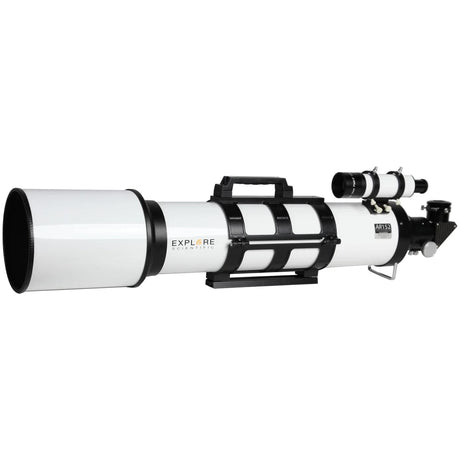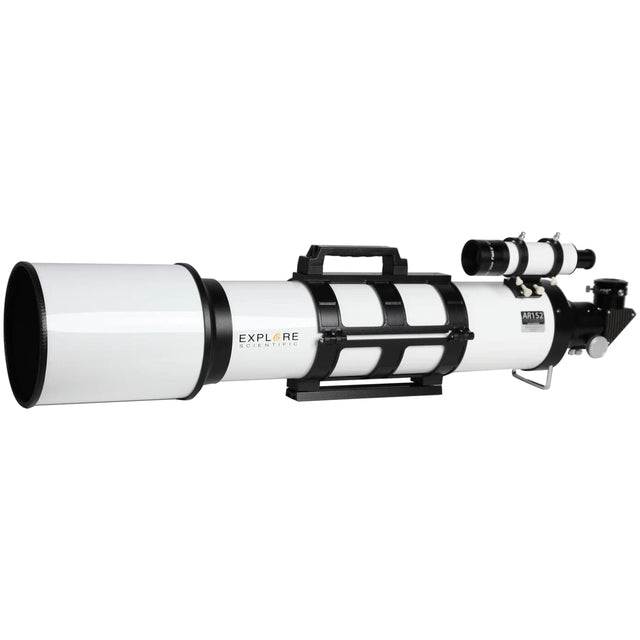
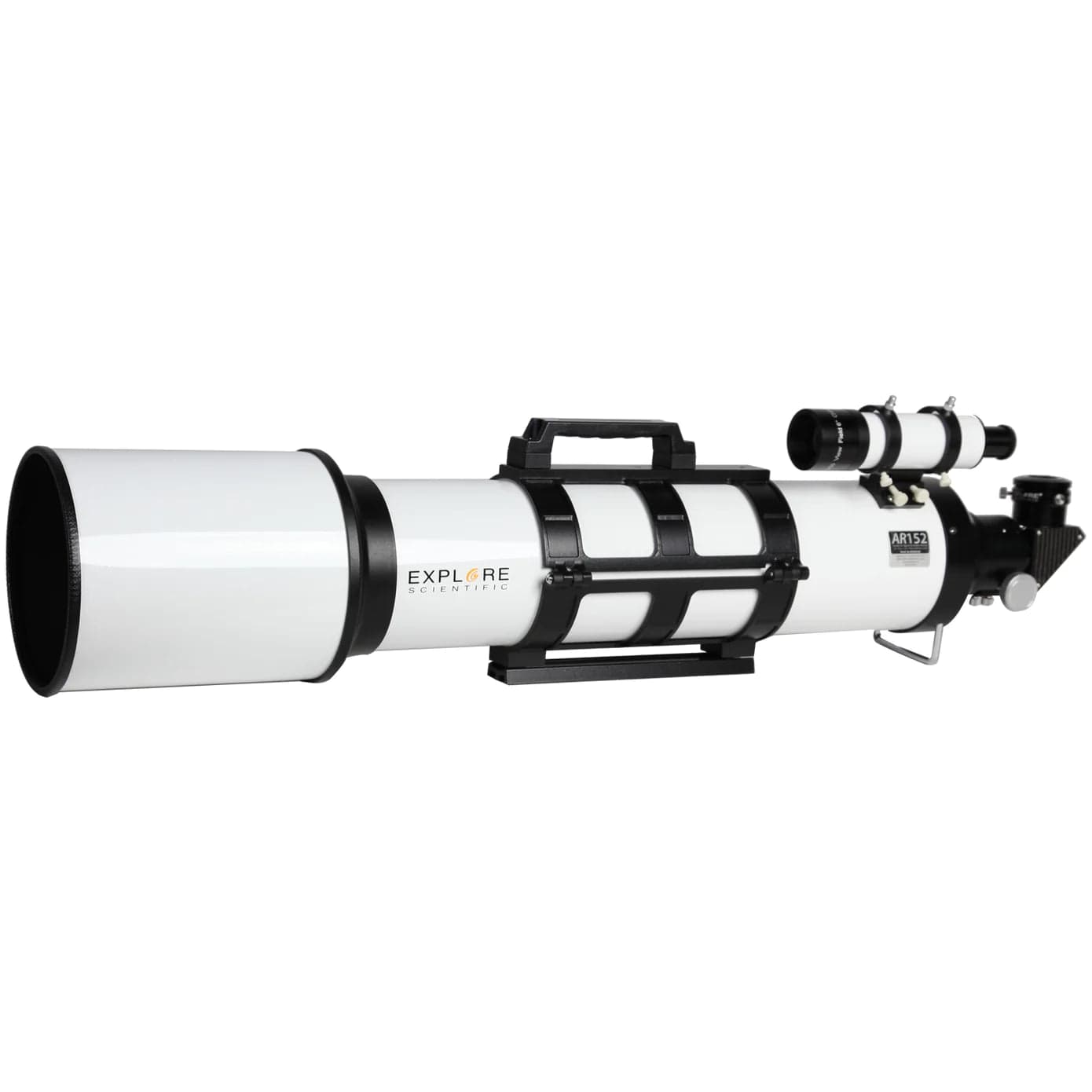

Explore Scientific AR152 152mm f/6.5 Doublet Refractor Telescope
Explore Scientific AR152 152mm f/6.5 Doublet Refractor Telescope is backordered and will ship as soon as it is back in stock.
Out of stock
Sign up to be the first to know when this product becomes available
Shipping & Returns
Shipping & Returns
We offer free US standard shipping on orders over $99 and 30-day returns on most items. Some limitations apply.
Shipping Policy
30-Day Return Policy
Six inches of refractor aperture — the Explore Scientific AR152 delivers a large-aperture achromatic refractor at an accessible price. Its fast f/6.5 optics and complete accessory package make this a deep-sky visual powerhouse.

Key Features
- 44% more light than a 5-inch refractor — The jump to 152mm is where globular clusters start to resolve into individual stars, nebulae reveal internal structure, and faint galaxies show shape. Deep-sky viewing is this telescope's strongest suit.
- Wide-field f/6.5 optics — A fast focal ratio paired with the included 2" diagonal delivers expansive true fields of view for Milky Way sweeping, large open clusters, and extended nebulae.
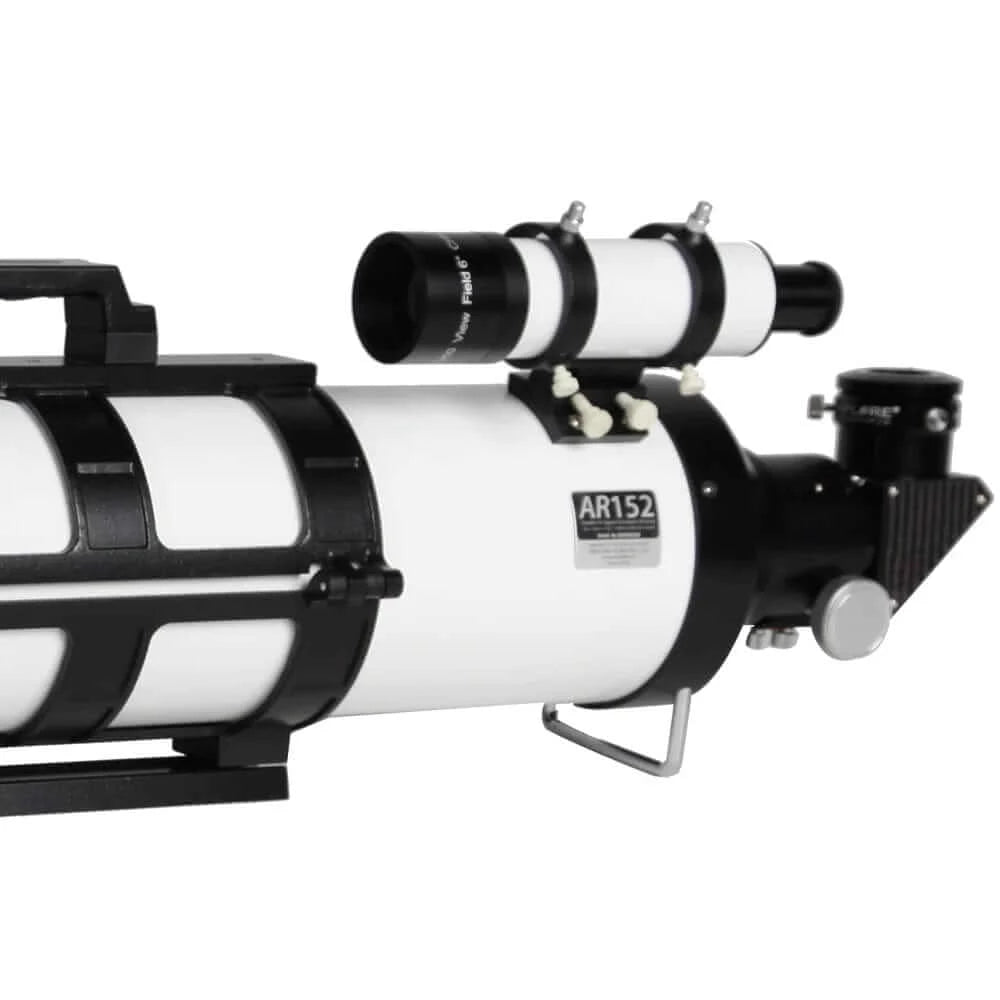
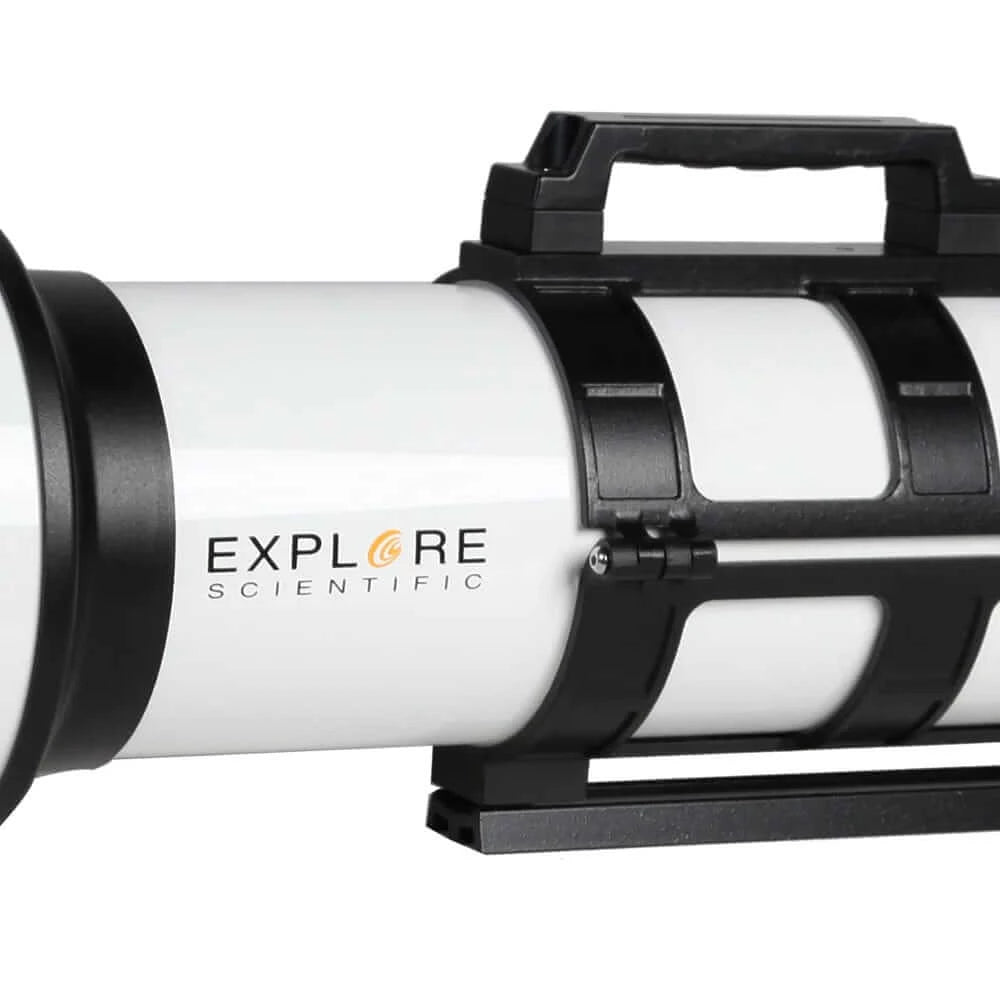
- Complete ready-to-observe package — Ships with a 2" dual-speed Crayford focuser with 10:1 fine focus, 99% dielectric diagonal, 8x50 finderscope on the Hybrid 2N1 base (accepts both Explore Scientific and Synta/Vixen accessories), tube rings with carry handle, and Vixen-style dovetail. Just add a mount and eyepiece.
- Diffraction-limited air-spaced doublet — Fully multi-coated EMD optics with a collimatable objective lens cell deliver sharp, high-contrast images across the field. Internal knife-edge baffles and flat-black tube interior minimize stray light.
- Built for outreach and durability — Heavy-duty aluminum and stainless steel construction handles repeated transport to star parties and school events. The intuitive refractor design is approachable for first-time observers looking through the eyepiece.
- Narrowband imaging capable — While broadband imaging shows chromatic aberration typical of achromatic designs, the fast optics and precision focuser make this a capable narrowband imaging platform with a mono camera.
Ideal For
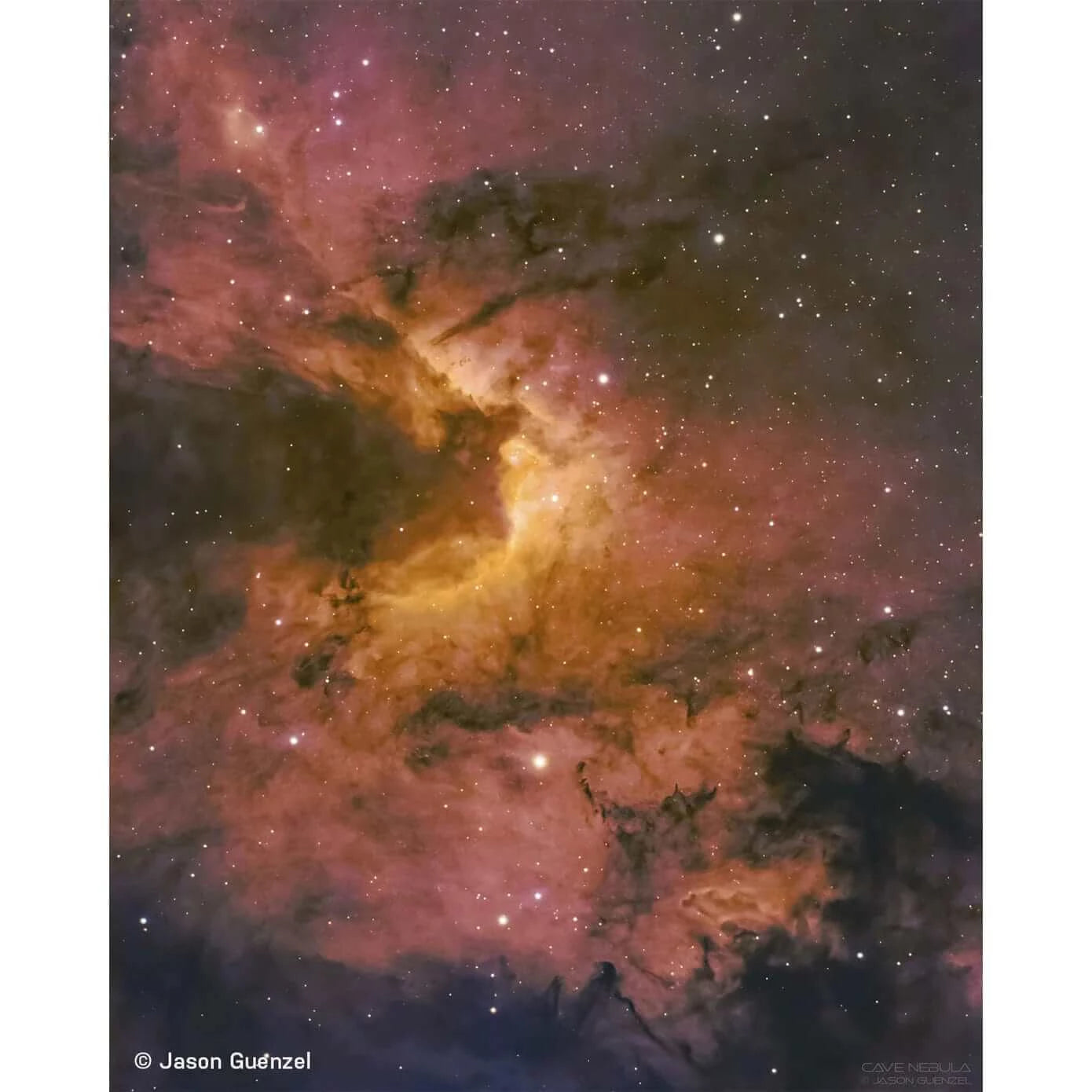
Deep-sky visual observers who want maximum refractor aperture without paying apochromatic prices. The AR152 brings faint objects to life — resolved stars in M13, structure in M42, and the Double Cluster as a field of sharp pinpoints from edge to edge.
Astronomy clubs and educators who need an impressive, durable scope for public events. Six inches of refractor aperture delivers bright, high-contrast views that keep a crowd lined up at the eyepiece.
Narrowband astrophotographers who know that single-wavelength filters eliminate chromatic aberration entirely. Paired with a mono camera, this becomes a fast, affordable narrowband imaging scope.
Intermediate observers upgrading from smaller scopes who want a meaningful jump in light grasp while staying in the refractor family. The OTA weighs 23 lbs and requires a sturdy equatorial mount (EQ6-class recommended) for stable viewing.
Recommended Accessories
- Explore Scientific Soft-Sided Telescope Case — Padded protection for transport and storage
- Explore Scientific Field Flattener — Eliminates field curvature for astrophotography
Recommended Eyepieces
The AR152 does not include eyepieces, giving you the flexibility to choose the right ones for your observing style. We recommend the Explore Scientific 52° Series Waterproof Eyepieces:
-
Item Number
-
Lens Design
-
Optical Glass Type
-
Lens Coating
-
Objective Lens Diameter
-
Focal Length
-
Focal Ratio
-
Resolution
-
Limiting Magnitude
-
Barrel Size
-
Dimensions
-
Weight
-
Other Details
-
Warranty
Payment & Security
Payment methods
Your payment information is processed securely encrypted during transmission. We do not store credit card details nor have access to your credit card information.
Compare Explore Scientific's DAR series refractors
| Facet | |||
|---|---|---|---|
| Price | |||
| Price |
Regular price
$449.99
Unit price
|
Regular price
$749.99
Unit price
|
Regular price
$849.99
Unit price
|
| Aperture | |||
| Aperture | |||
| Focal Length | |||
| Focal Length | |||
| Focal Ratio | |||
| Focal Ratio | |||
| Resolution | |||
| Resolution | |||
| Limiting Magnitude | |||
| Limiting Magnitude | |||
| Weight | |||
| Weight | |||