
TL;DR — Quick Summary
Quick Summary
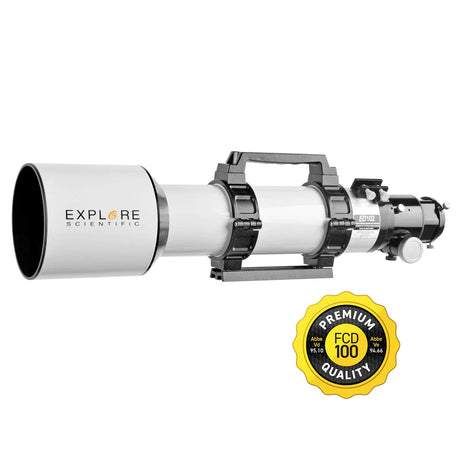
Choosing an APO vs achromatic refractor? Achromatic doublets cost less and deliver more aperture per dollar, making them solid for visual observing. APO triplets use specialized glass to nearly eliminate color fringing, making them the clear choice for astrophotography and high-contrast planetary work. If you want specifics, our head-to-head comparison of the AR102 vs ED102 vs ED102-FCD100 shows exactly what the upgrade buys you at the same aperture.
The APO vs achromatic refractor decision is one of the most common crossroads in amateur astronomy. Both designs use lenses rather than mirrors to form an image, and both can deliver sharp views of the Moon, planets, and deep-sky objects. The difference comes down to how well each design handles chromatic aberration — and how much that matters for your specific use case.
This guide breaks down the optical differences, the real-world performance gap, the glass types that determine quality, and practical budget recommendations using actual telescopes and current pricing.
Overview: How Refractor Telescopes Handle Light
Every refractor telescope uses an objective lens at the front of the tube to bend (refract) incoming light and bring it to a focus. The challenge is that glass bends different wavelengths of light by different amounts — blue light refracts more than red. This means the colors that make up white starlight don't all converge at the same focal point.
The result is chromatic aberration (CA): false color fringes — typically a violet or blue halo — around bright objects like the Moon, Jupiter, and Vega. There are two types:
- Longitudinal CA — Different colors focus at different distances from the lens. This produces colored halos that shift when you adjust focus: a violet halo on one side, a yellow-green halo on the other.
- Lateral CA — Different colors focus at different positions across the field. This causes colored fringes at the edges of the field of view, particularly with wider-angle eyepieces.
The entire history of refractor design is essentially the story of fighting chromatic aberration. Achromatic and APO refractors represent two different levels of that fight.
Achromatic Refractors Explained
An achromatic refractor uses a doublet objective — two lens elements made from different types of glass (typically crown and flint glass). The two elements have complementary dispersion properties, so when paired together, they bring two wavelengths of light (red and blue) to a common focus.
This corrects the worst of the chromatic aberration, but it doesn't eliminate it. A third wavelength — usually in the violet range — still comes to focus at a slightly different point, producing the characteristic blue-violet fringe around bright objects.
How Much CA You'll Actually See
The amount of visible chromatic aberration in an achromat depends heavily on the focal ratio (f/number):
- Fast achromats (f/5–f/7): Noticeable purple fringing on the Moon's limb and around bright planets. Clearly visible in photographs.
- Medium achromats (f/8–f/10): Moderate fringing, manageable for visual use. A minus-violet filter helps significantly.
- Slow achromats (f/11–f/15): Minimal fringing at the eyepiece. Historically, long-focus achromats were prized for planetary observing precisely because the CA becomes negligible at these ratios.
For visual observing at moderate magnifications, a well-made achromat at f/10 or longer delivers clean, high-contrast views. The color fringing becomes a real issue primarily at high magnifications on bright targets, or when imaging.

What Achromats Do Well
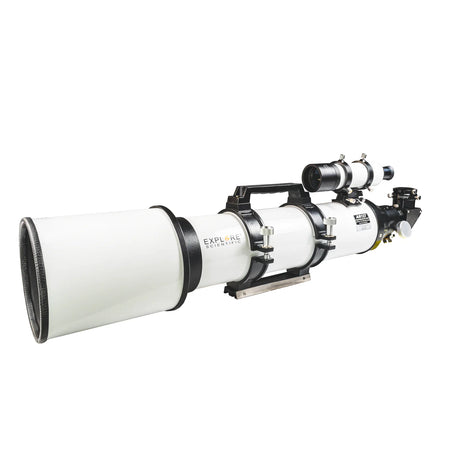
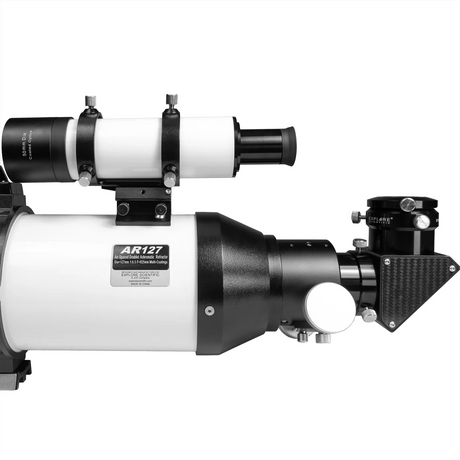
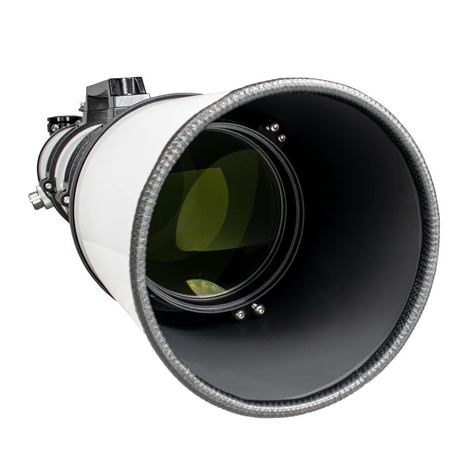
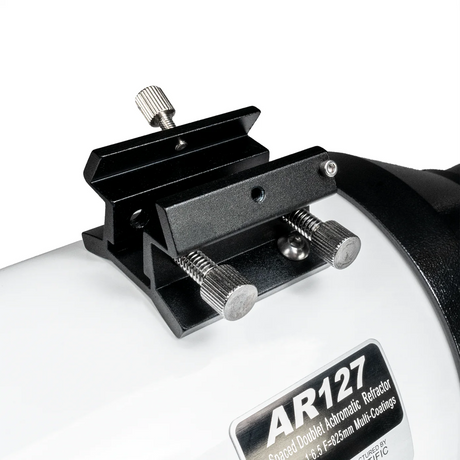
- Aperture per dollar: An achromat gives you more glass for less money. The Explore Scientific AR127 ($449.99) delivers 127mm of aperture — gathering 55% more light than a 102mm scope — at a price below the most affordable APO triplet in the lineup.
- Simplicity and weight: Two-element designs are lighter than triplets, making them easier to mount and more portable.
- Visual lunar and planetary: At longer focal ratios, achromats deliver sharp, satisfying planetary views that have kept observers happy for over two centuries.
APO (Apochromatic) Refractors Explained
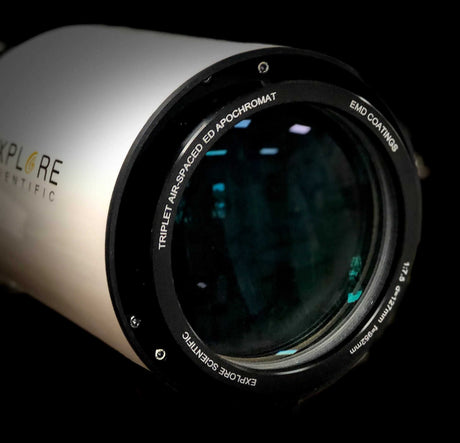
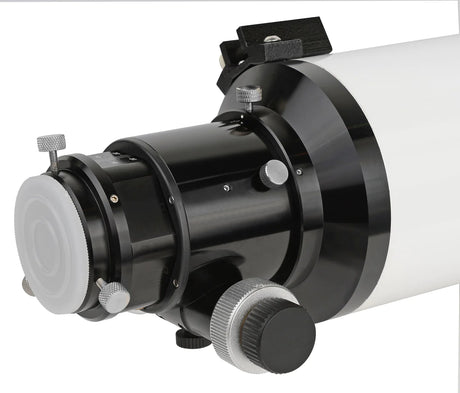
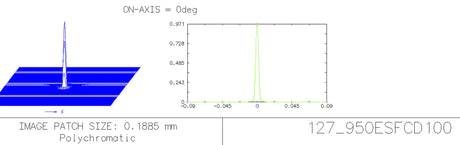
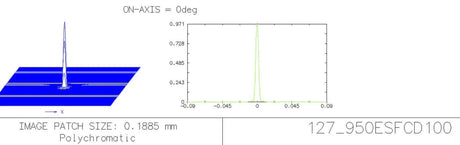
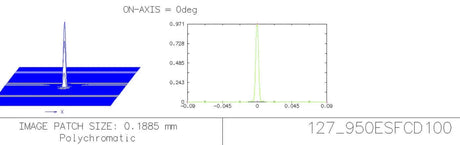
An APO refractor uses a triplet objective — three lens elements, at least one made from specialized low-dispersion glass. This design brings three wavelengths of light (red, green, and blue) to a common focus, virtually eliminating chromatic aberration across the visible spectrum.
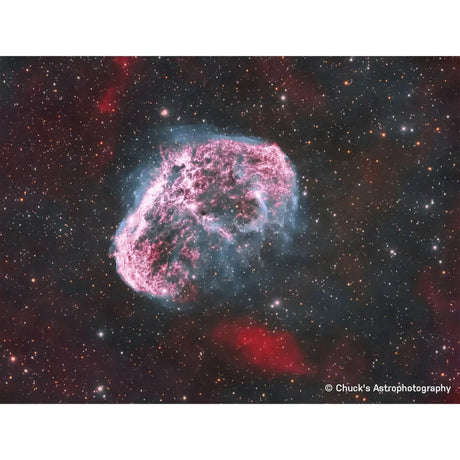
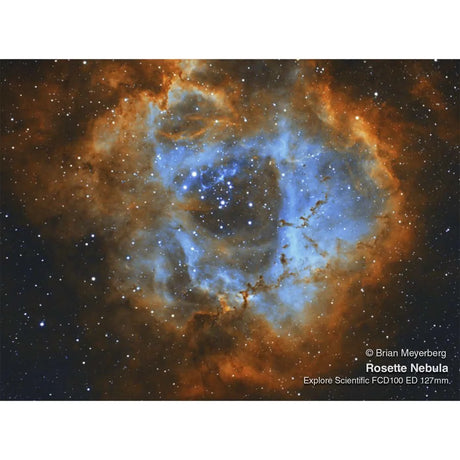
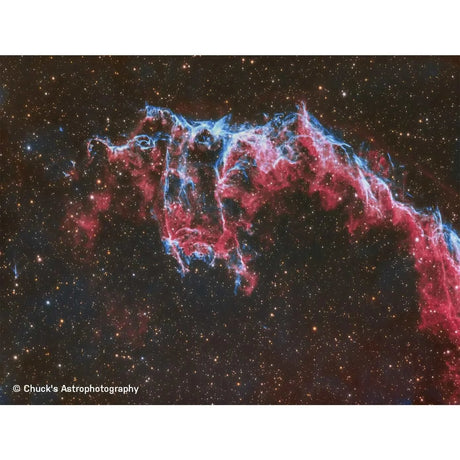
The result is an image with virtually no false color: stars are pinpoints without colored halos, planetary limbs are clean, and photographs come out with accurate star colors and no violet bloat.

Glass Types: Not All APOs Are Equal
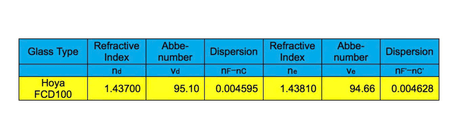
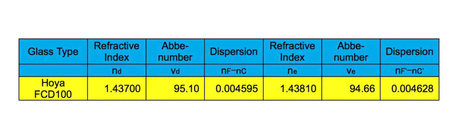
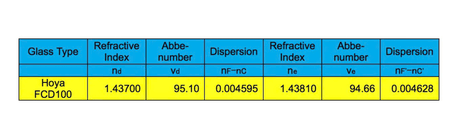
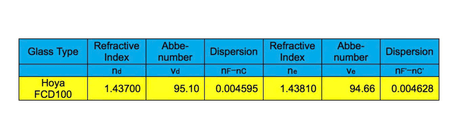
The type of glass used in the triplet determines how well it corrects CA. The key metric is the Abbe number — a measure of how much a glass disperses light. Higher Abbe numbers mean lower dispersion and better color correction:
| Glass Type | Manufacturer | Abbe Number | Classification | Typical Use |
|---|---|---|---|---|
| Standard ED (FPL-51 / FCD1) | Ohara / Hoya (Japan) | 81.5 | Extra-low Dispersion | Entry-level APOs |
| FPL-53 | Ohara (Japan) | 94.9 | Super ED | Mid-to-premium APOs |
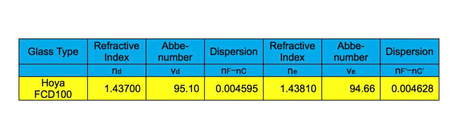
| FCD100 | Hoya (Japan) | 95.1 | Super ED | Premium APOs |
| Fluorite (CaF₂) | Natural/synthetic | 95.2 | Fluorite crystal | Ultra-premium APOs |
What this means in practice:
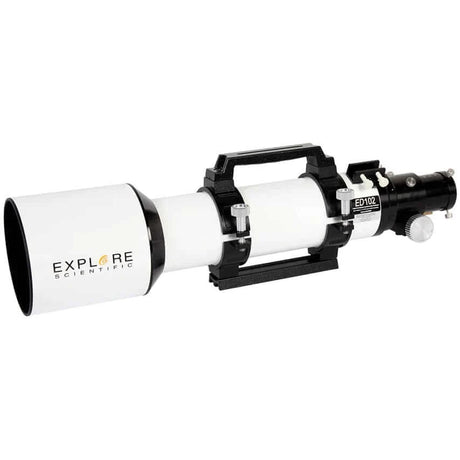
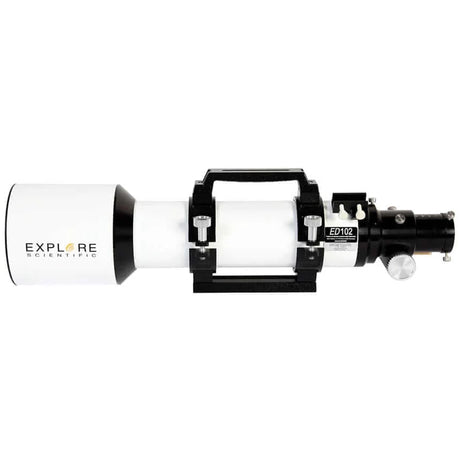
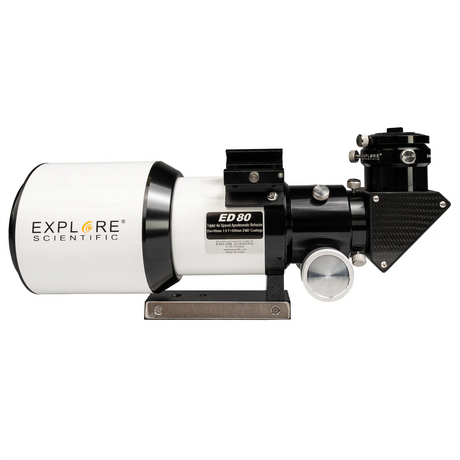
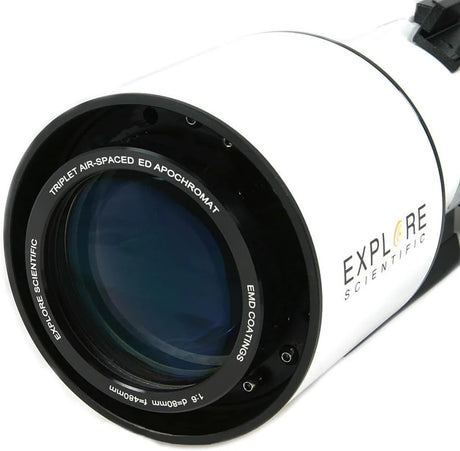
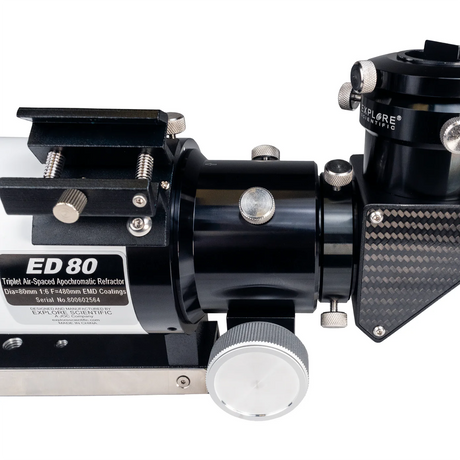
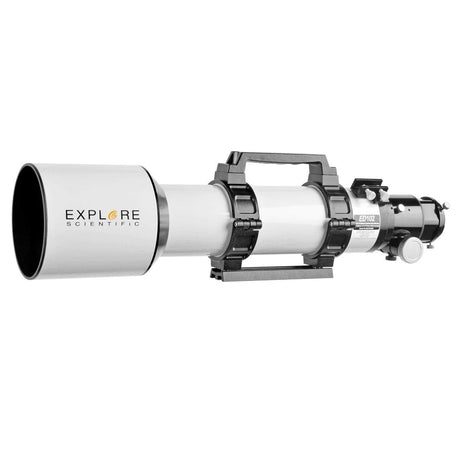
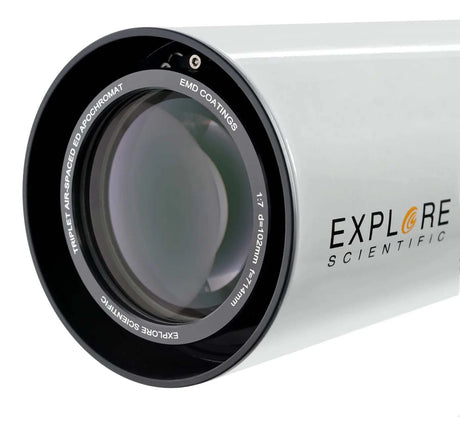
- FPL-51 / FCD1 (ED) triplets — Significant improvement over achromats. Good for visual and capable for astrophotography. Explore Scientific uses Hoya FCD1 glass (equivalent to Ohara's FPL-51) in scopes like the Explore Scientific ED80 ($499.99) and ED102 ($699.99).
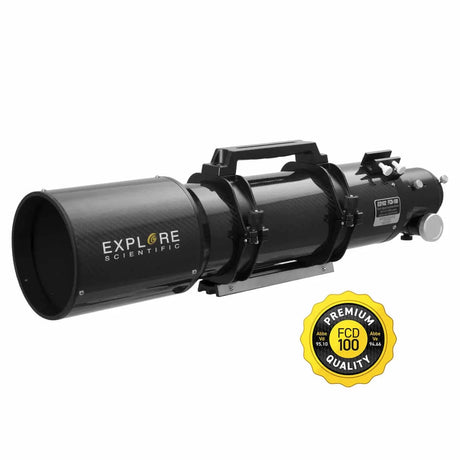
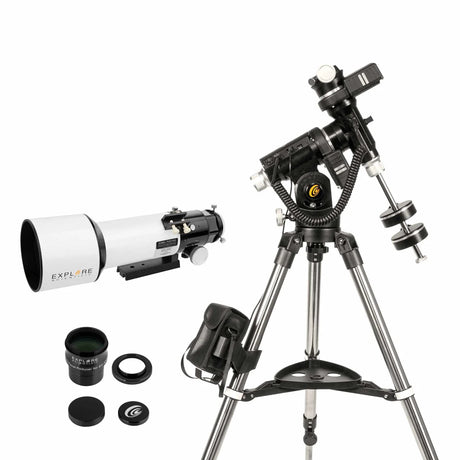
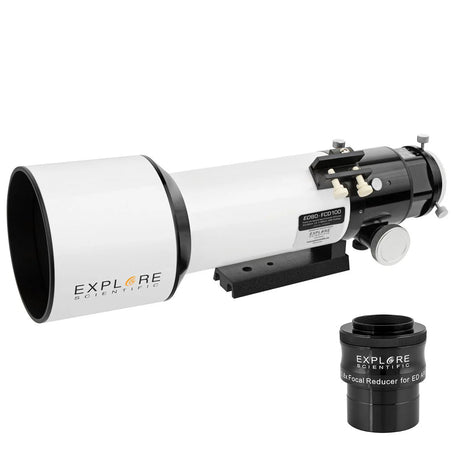
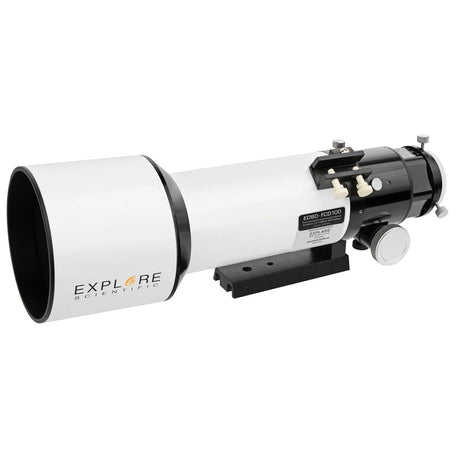
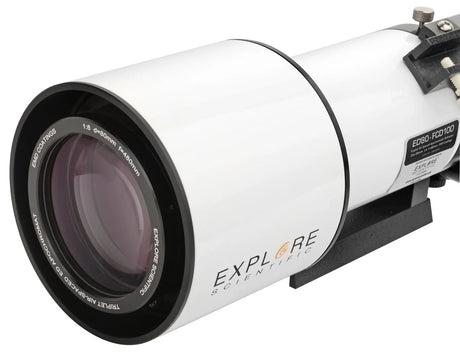
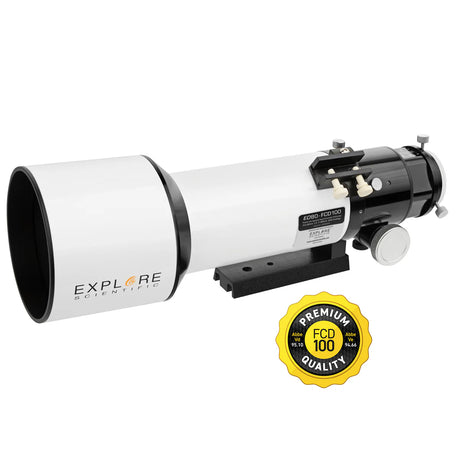
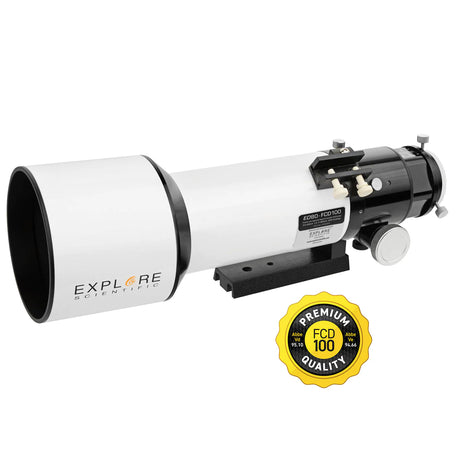
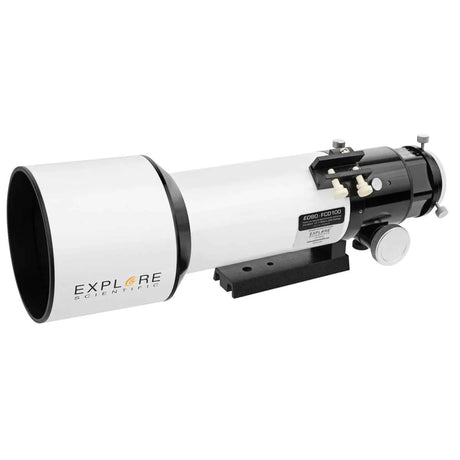
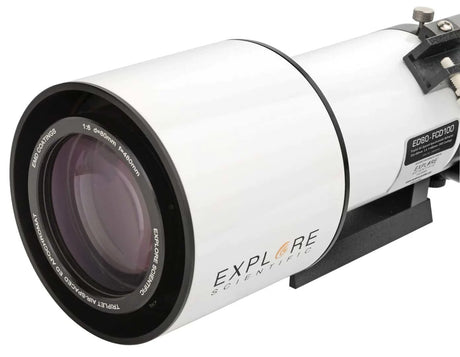
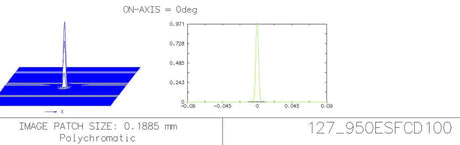
- FPL-53 / FCD100 triplets — Near-perfect color correction. The standard for serious astrophotography. Used in the Explore Scientific ED80 FCD100 ($699.99) and ED102 FCD100 ($1,199.99).
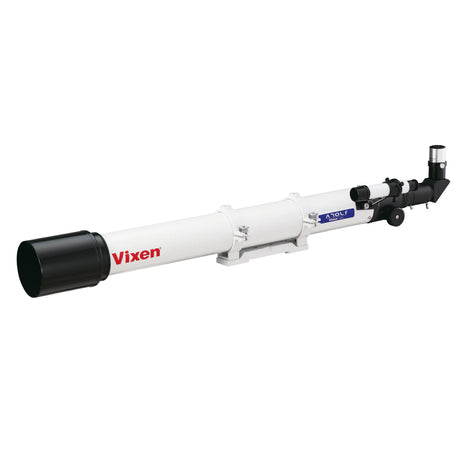
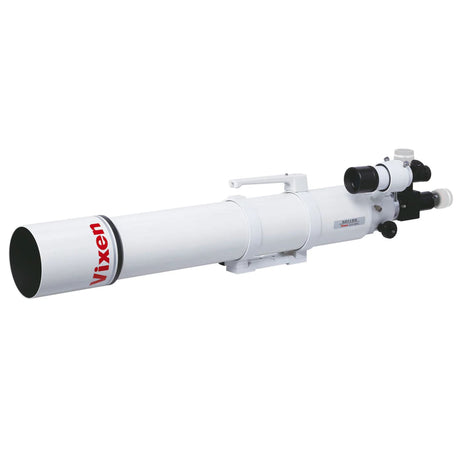
- Fluorite — The gold standard, with virtually identical performance to FPL-53/FCD100 but more fragile and expensive. Found in premium Japanese optics like Vixen and Takahashi.
One important caveat: the label "APO" is not standardized across the industry. Some manufacturers apply it to ED doublets that don't fully meet the classical apochromatic definition (three wavelengths corrected). When evaluating a scope, look at the actual glass type and number of elements, not just the marketing label.
APO vs Achromatic Refractor Comparison: Head to Head
| Feature | Achromatic (Doublet) | APO (Triplet) |
|---|---|---|
| Lens elements | 2 (crown + flint) | 3 (with ED/fluorite glass) |
| Chromatic aberration | Noticeable on bright targets | Near-zero |
| Visual planetary | Good at f/10+, fair at f/6–f/8 | Excellent at any f/ratio |
| Deep-sky visual | Good (CA less visible on dim objects) | Excellent |
| Astrophotography | Limited — color fringing in stacked images | Excellent — clean star colors |
| Weight (same aperture) | Lighter (2 elements) | Slightly heavier (3 elements) |
| Price range (store) | $250–$450 | $500–$2,600 |
| Cooldown time | Faster (less glass) | Slightly longer |
| Best for | Visual observers, beginners, grab-and-go | Astrophotographers, serious visual observers |
The Aperture Dilemma: Bigger Achromat or Smaller APO?
This is the decision that keeps astronomers up at night — pun intended.
For roughly the same $450–$500, you're choosing between an 80mm APO (the ED80 at $499.99) and a 127mm achromat (the AR127 at $449.99) that gathers 2.5 times as much light. More light means fainter objects, more detail on planets, and better views of star clusters and nebulae.
So why would anyone buy the smaller APO?
Because image quality isn't just about brightness. The 127mm achromat at f/6.5 will show a noticeable violet halo around Jupiter's limb and the Moon's edge. The 80mm APO shows a clean, color-free image with higher contrast. For astrophotography, the difference is even starker — the achromat's color fringing bloats stars and muddies colors in stacked images, while the APO produces tight, well-defined star fields.
Here's how to think about it:
- If you observe visually and don't image: The larger achromat wins on most targets. More aperture means more detail on galaxies, nebulae, and star clusters. The CA is visible but manageable with a minus-violet filter.
- If you do astrophotography: The APO wins, full stop. No amount of aperture compensates for the color fringing that contaminates long-exposure images.
- If you observe planets primarily: Both work. A slow achromat (f/10+) at larger aperture can rival a smaller APO for planetary contrast. But if your achromat is a fast f/6, the APO will show cleaner views.
The Middle Ground: ED Doublets
There's a category between achromats and full APO triplets that's worth knowing about: the ED doublet (sometimes called a "semi-APO").
These use a two-element design like an achromat, but one element is made from extra-low-dispersion glass (typically FPL-51 or equivalent). This eliminates roughly 80–90% of the chromatic aberration compared to a standard achromat, at a price point lower than a triplet APO.
ED doublets are a practical compromise for observers who want cleaner views than an achromat can provide but don't want to pay triplet prices. They're also lighter than triplets, making them easier to mount.
For astrophotography, ED doublets are usable but not ideal — they still show some residual CA in long exposures, particularly on blue stars. Serious imagers generally gravitate toward FPL-53 or FCD100 triplets for the cleanest results.
Total Cost of Ownership
The sticker price of the OTA (optical tube assembly) doesn't tell the whole story. Here's what the real cost looks like:
Achromat Setup
- OTA: $250–$450
- Mount: A lighter achromat works well on a mid-range alt-az or equatorial mount ($200–$500)
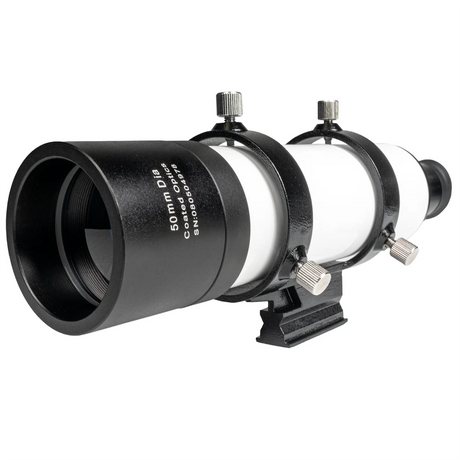
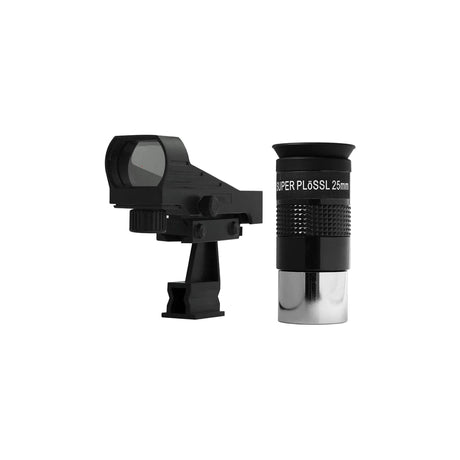
- Accessories: Eyepieces, diagonal, finder — often included in package deals
- Optional: Minus-violet filter ($30–$50) to reduce CA
- Total typical investment: $450–$1,000
APO Setup
- OTA: $500–$2,600
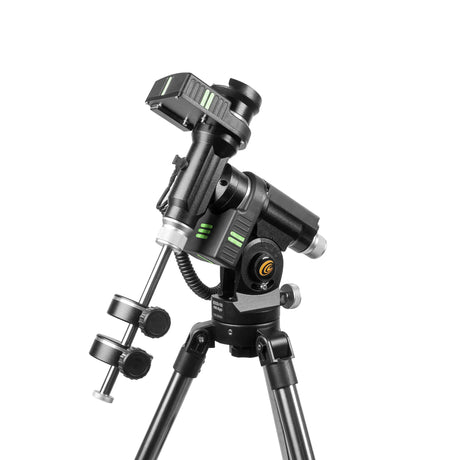
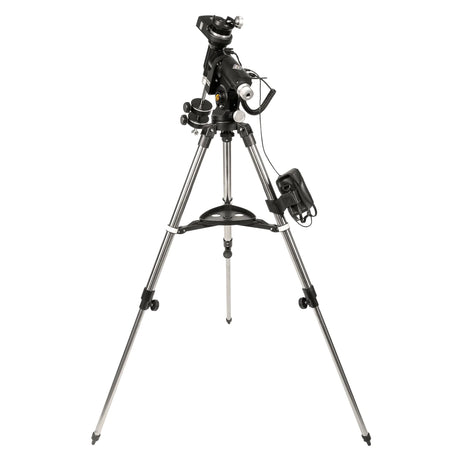
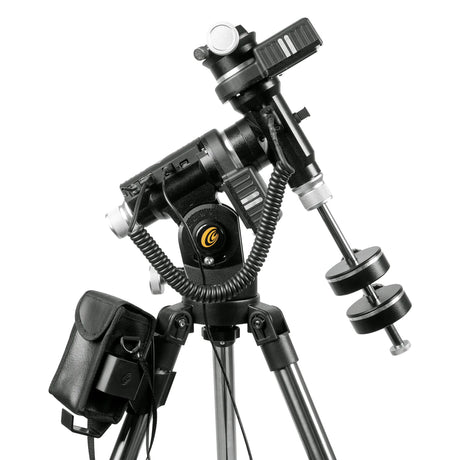
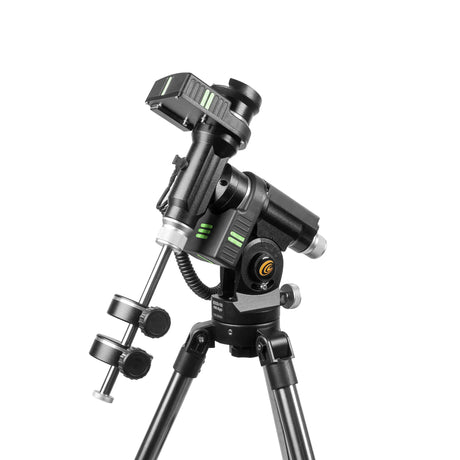
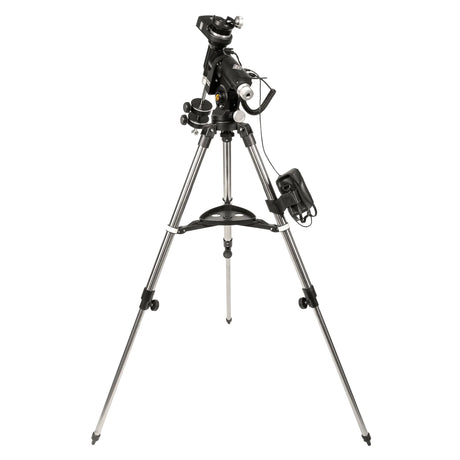
- Mount: Heavier triplets need a sturdier mount, especially for imaging ($400–$2,000+)
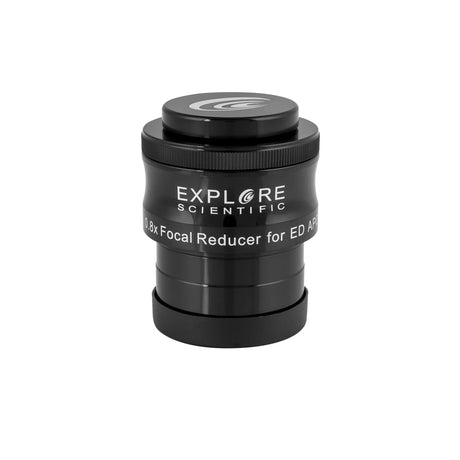
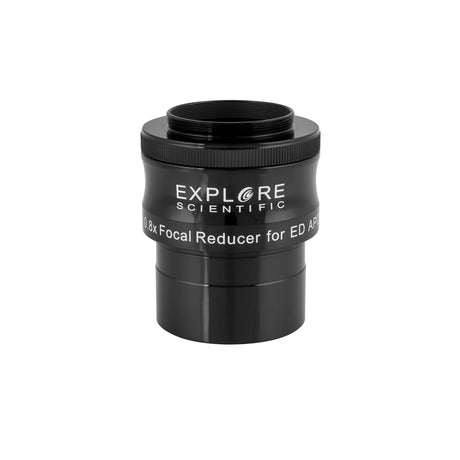
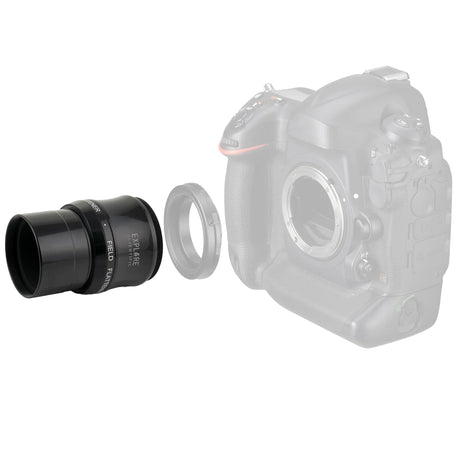
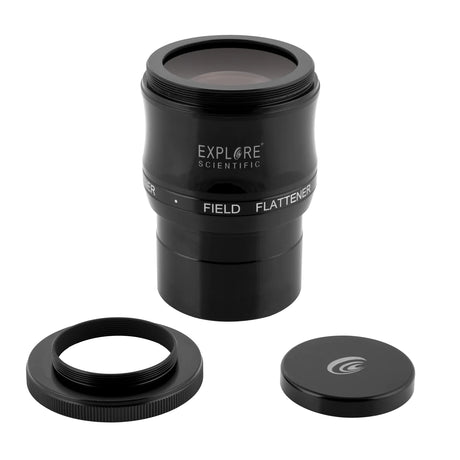
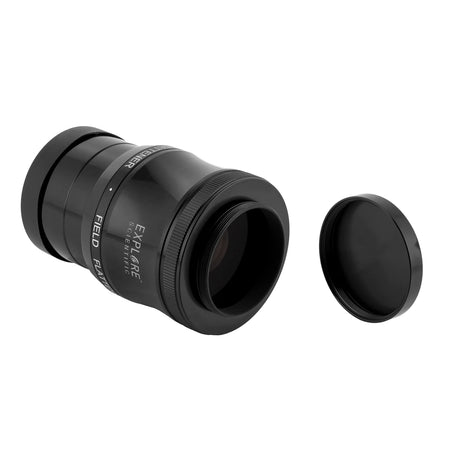
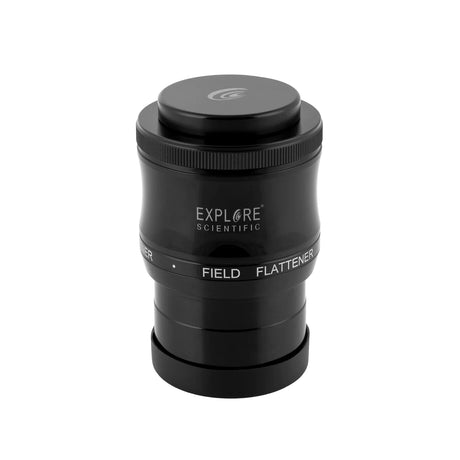
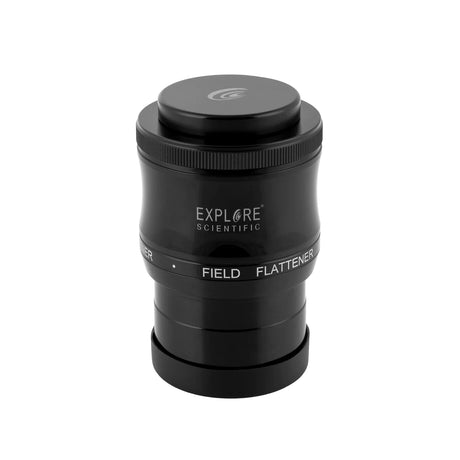
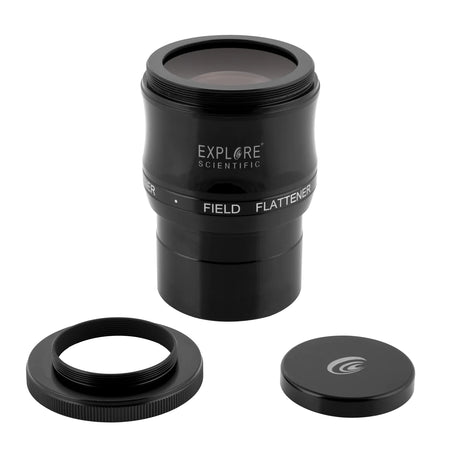
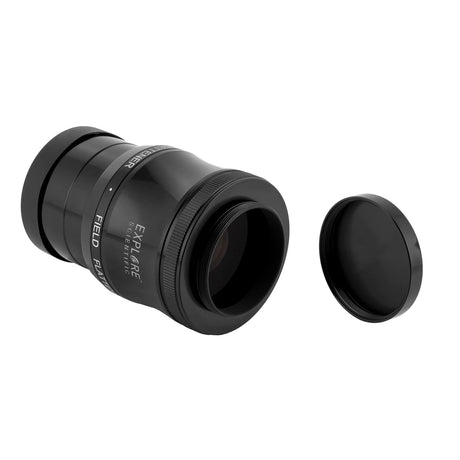
- Field flattener: Most APOs benefit from a dedicated flattener for imaging ($150–$350)
- Accessories: Premium eyepieces to match the optics
- Total typical investment: $1,000–$5,000+
The mount is often the hidden cost. A 127mm APO triplet at 18 lbs needs a mount rated for at least 25–30 lbs with imaging gear attached. That mount alone can cost as much as an entire achromat setup.
Best Refractors by Budget
Here are specific recommendations using telescopes we carry, organized by what you'll spend:
Under $500
Best for: Beginners, casual visual observing, grab-and-go setups
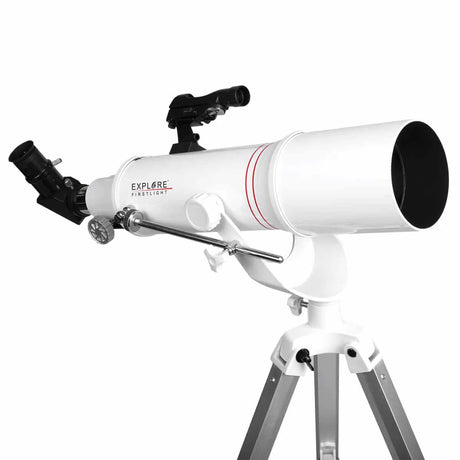
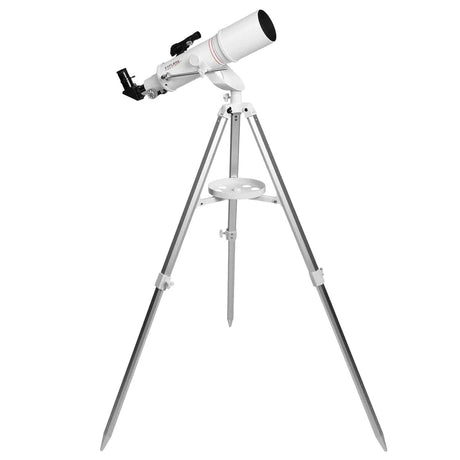
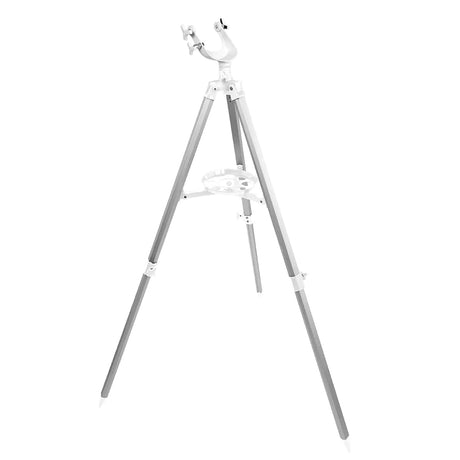
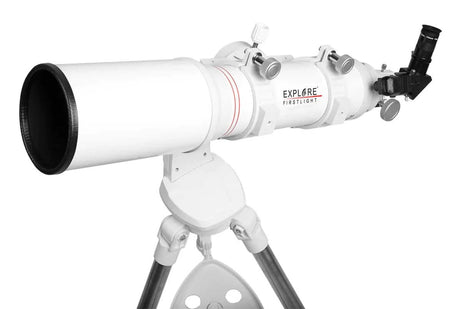
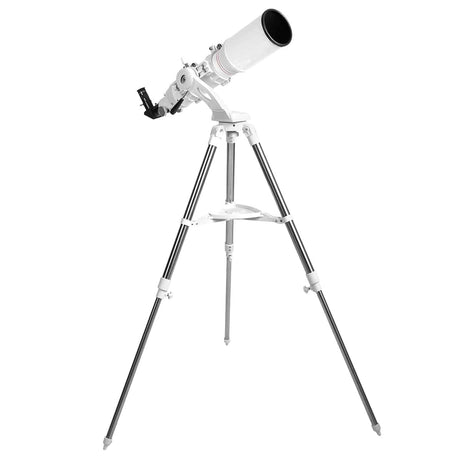
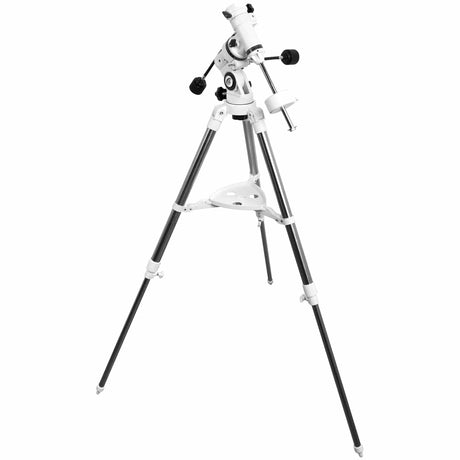
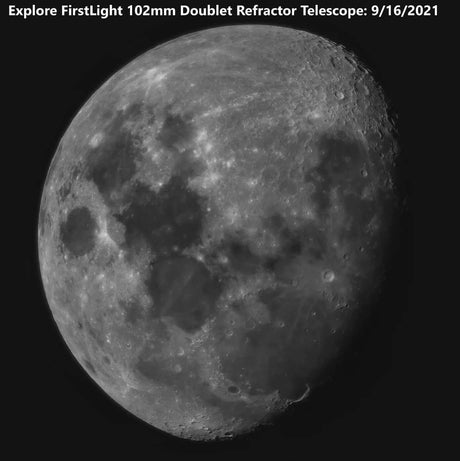
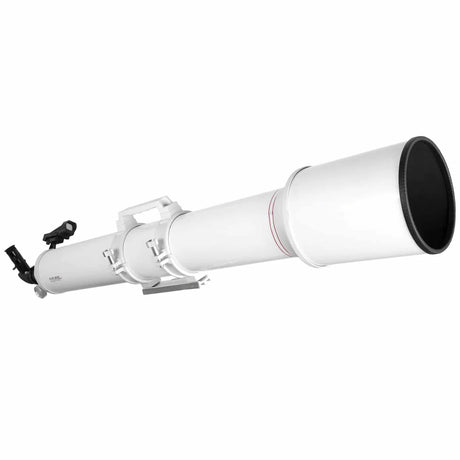
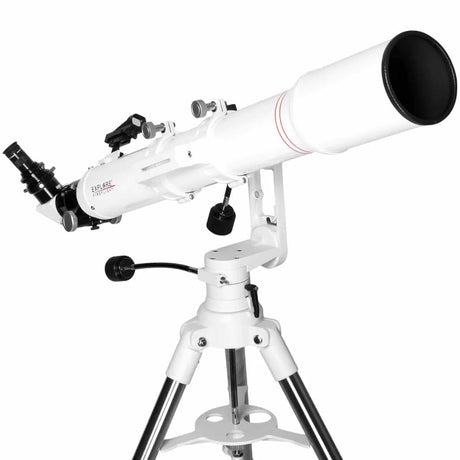
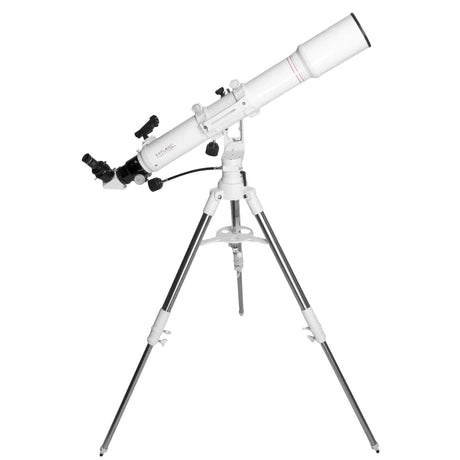
- Explore FirstLight 102mm f/6.5 with Twilight Nano Mount — Complete package at an entry-level price ($249.99, MSRP $389.99). Fast f/6.5 ratio means some CA, but it's a full 102mm of aperture with a mount included.
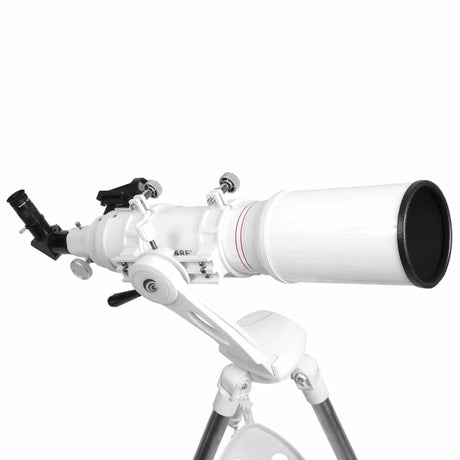
- Explore FirstLight 102mm f/9.8 with EXOS Nano EQ3 Mount ($279.99, MSRP $455.99) — Slow f/9.8 focal ratio keeps chromatic aberration minimal, and the equatorial mount allows basic tracking. A strong value for planetary visual observing.
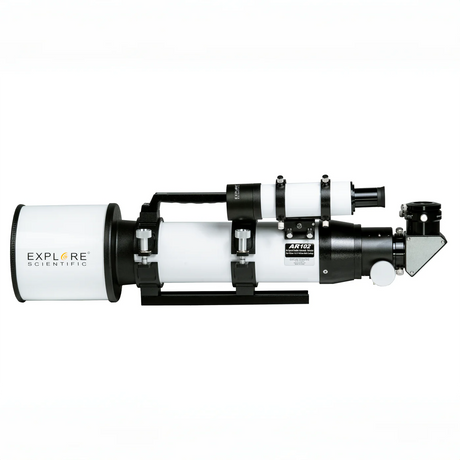
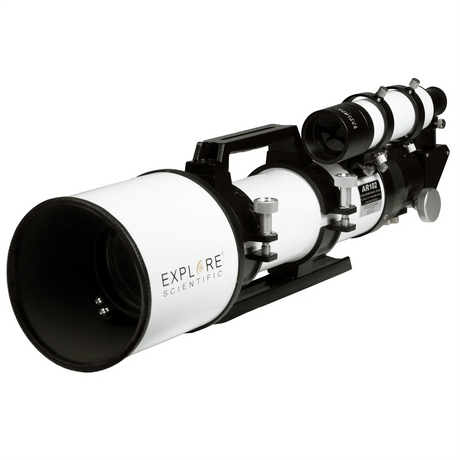
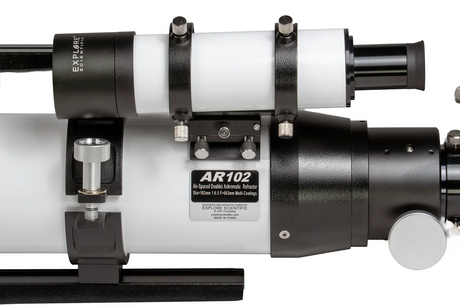
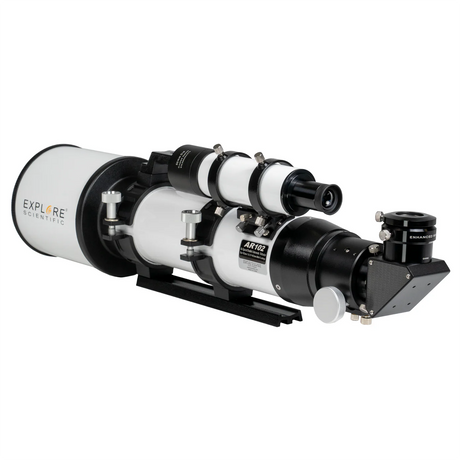
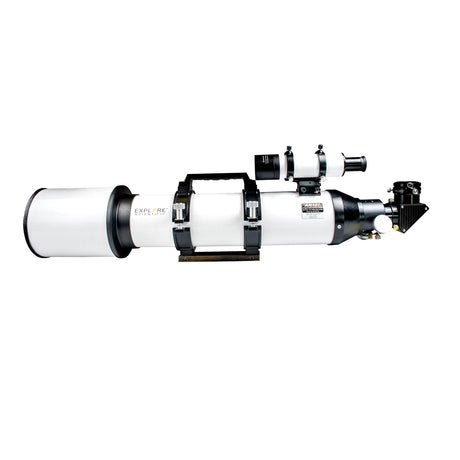
- Explore Scientific AR102 102mm f/6.5 ($299.99) — A capable achromatic doublet with a 2" focuser. Solid for lunar, planetary, and bright deep-sky visual work.
- Explore Scientific AR127 127mm f/6.5 ($449.99) — The biggest aperture under $500. 127mm gathers 55% more light than a 102mm scope, making it the best light-gathering value in its class.
$500–$700
Best for: Entry-level astrophotography, intermediate visual observers stepping up to APO

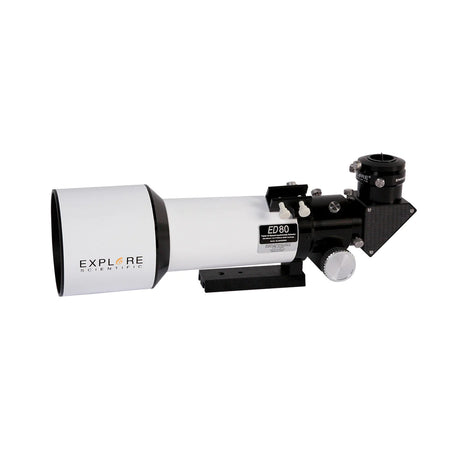
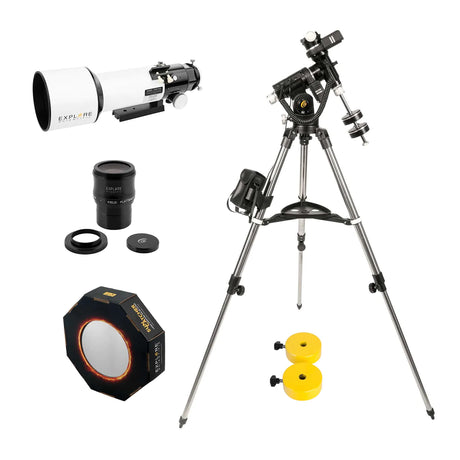
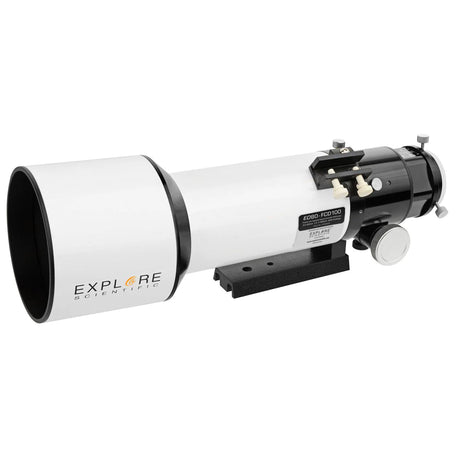
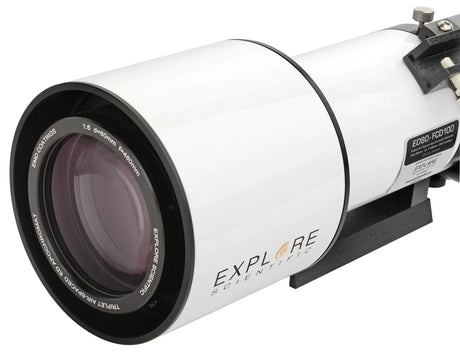
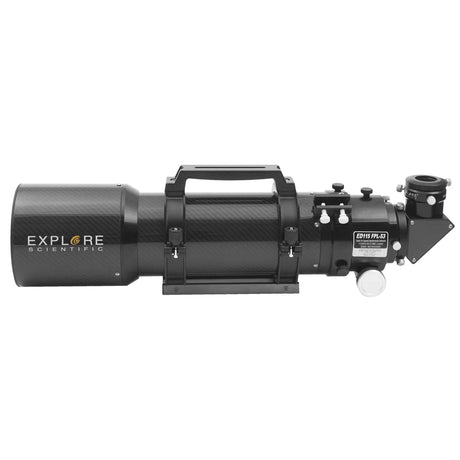
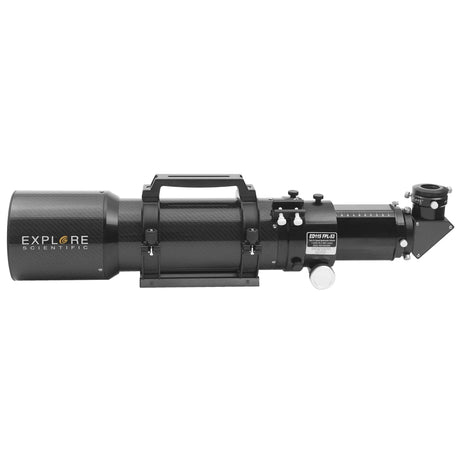
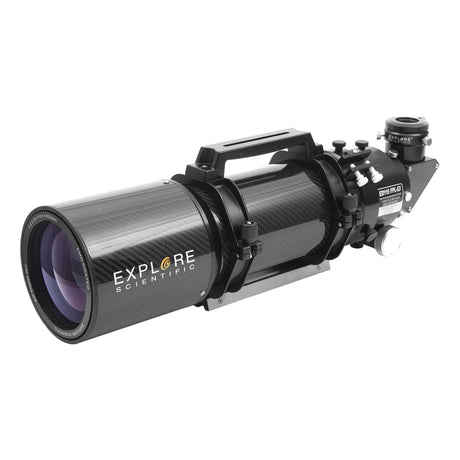
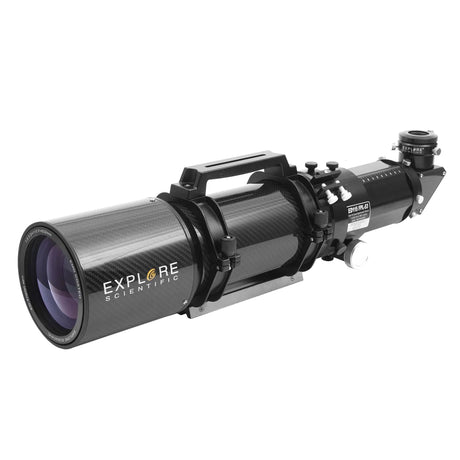
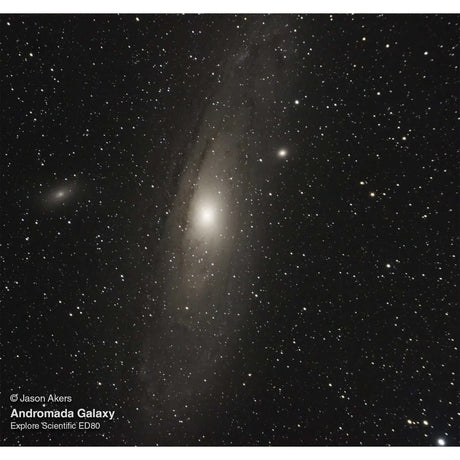
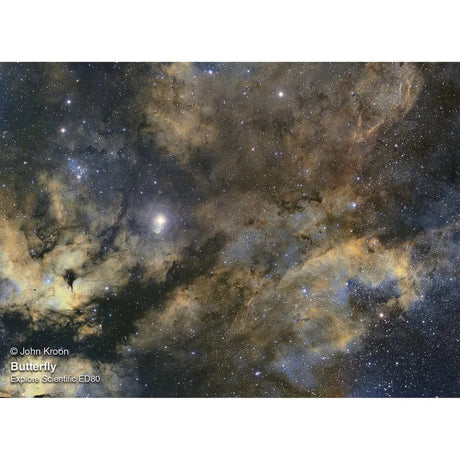
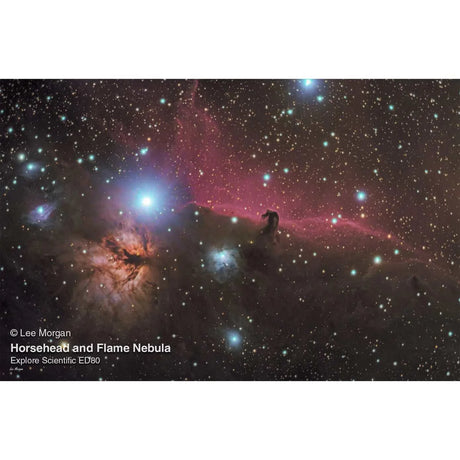
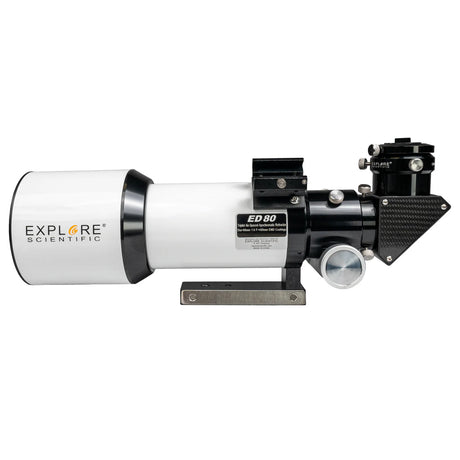
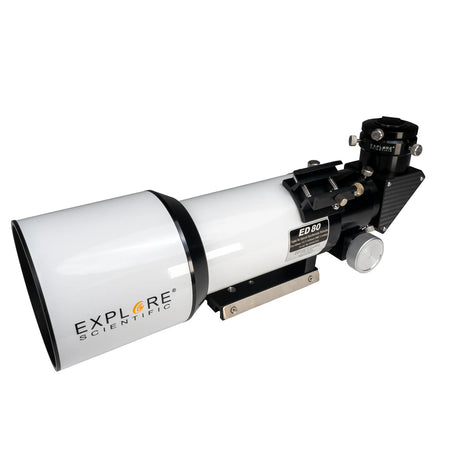
- Explore Scientific ED80 80mm f/6 Triplet ($499.99) — Your entry into APO territory. Hoya FCD1 ED glass, compact and lightweight. A popular first imaging scope.
- Explore Scientific ED102 102mm f/7 Triplet ($699.99) — The sweet spot. 102mm APO with Hoya FCD1 ED glass balances aperture, weight, and correction.
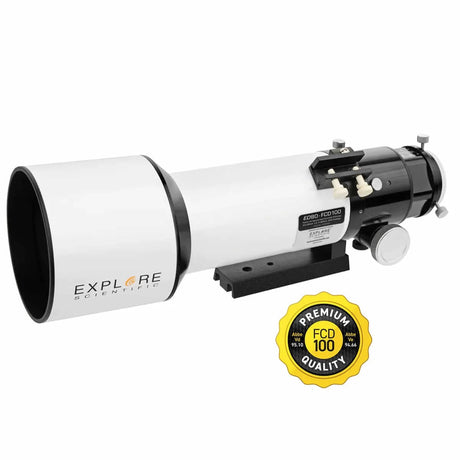
- Explore Scientific ED80 FCD100 80mm f/6 Triplet ($699.99) — Premium Hoya FCD100 glass for near-perfect color correction. Compact enough for lightweight mounts.
$1,000–$1,200
Best for: Dedicated astrophotography, high-contrast visual, dual-purpose setups
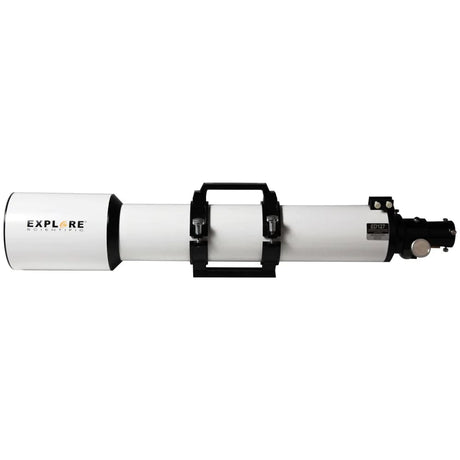
- Explore Scientific ED127 127mm f/7.5 Triplet ($1,099.99) — Large-aperture APO with serious light-gathering power. Ideal for deep-sky imaging and high-magnification planetary.
- Explore Scientific ED102 FCD100 102mm f/7 Triplet ($1,199.99) — FCD100 glass in a 102mm aperture. Premium color correction in a manageable package.
$2,500+
Best for: No-compromise astrophotography and premium visual setups

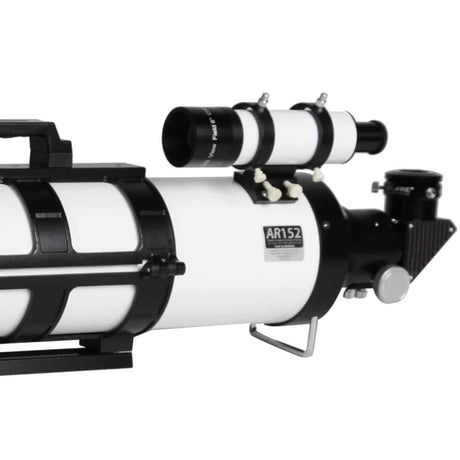
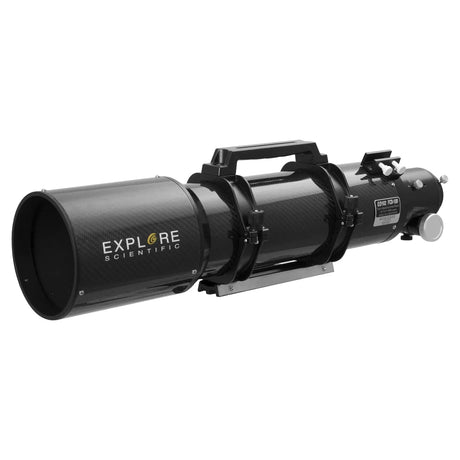
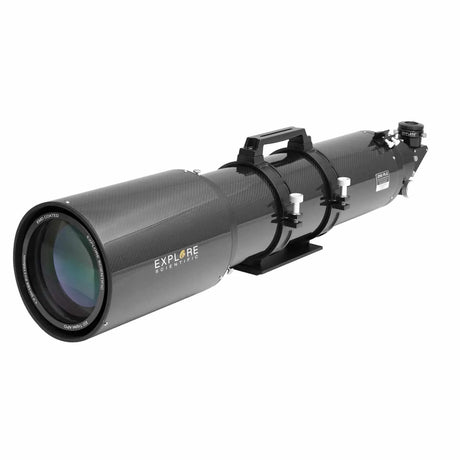
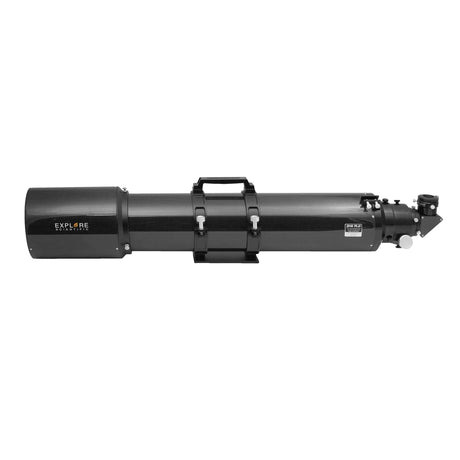
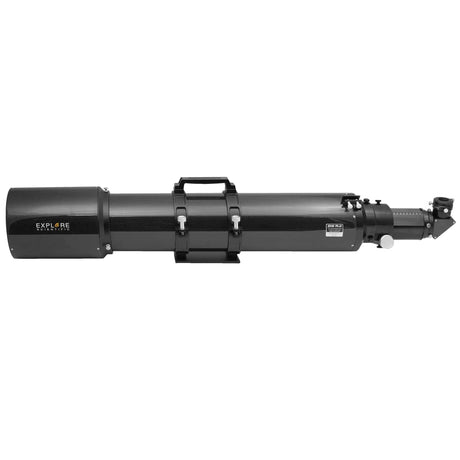
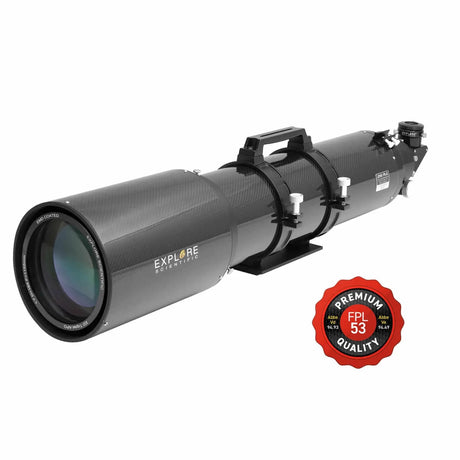
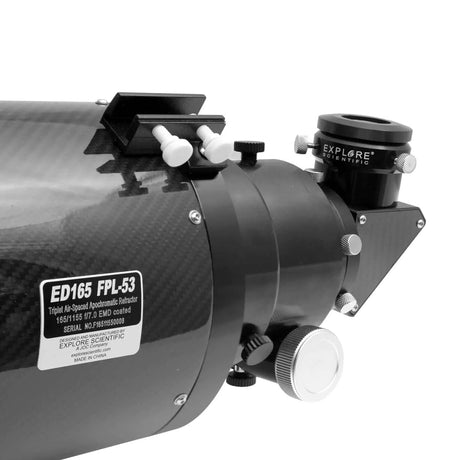
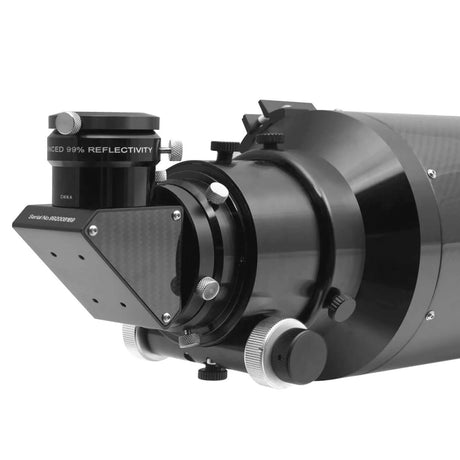
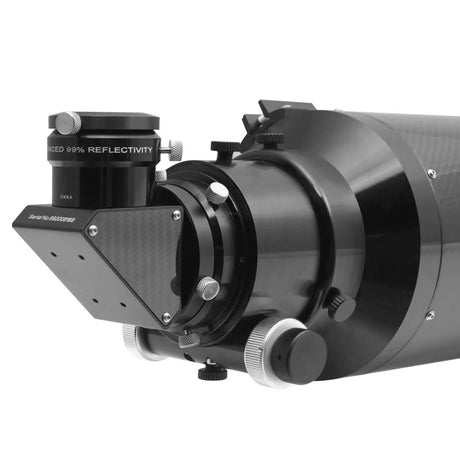
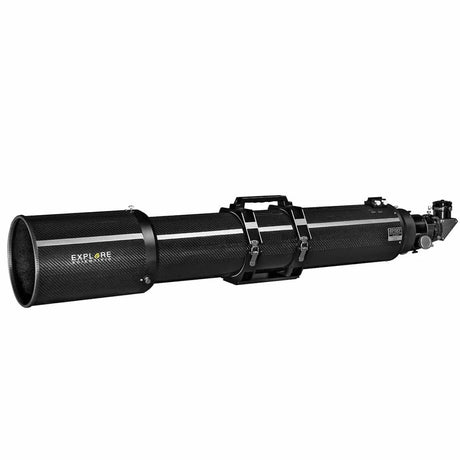
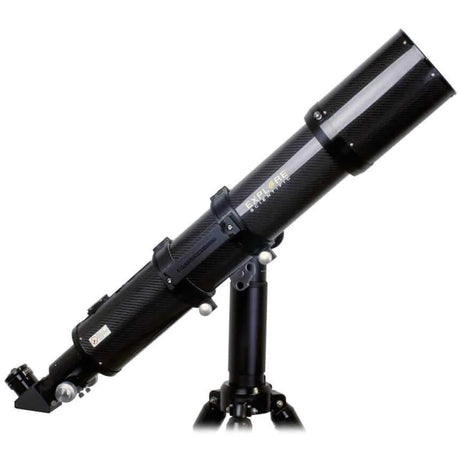
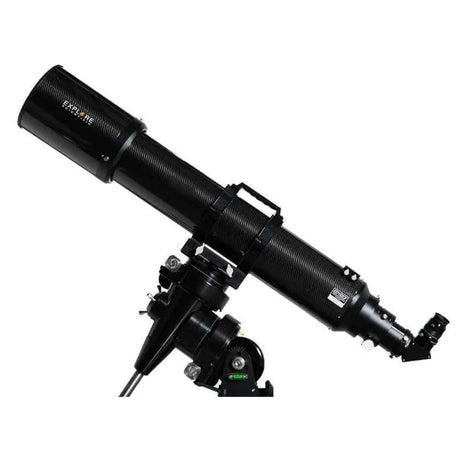
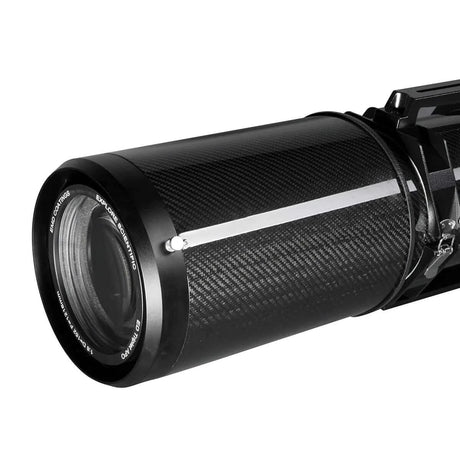
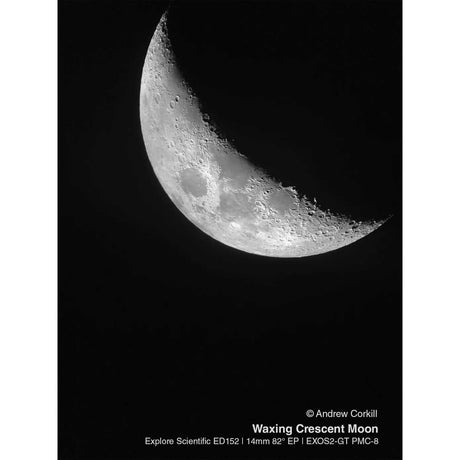
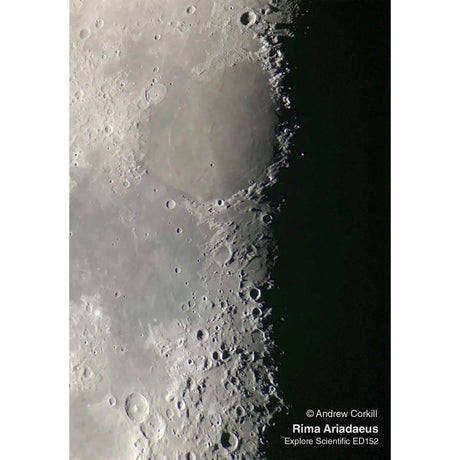
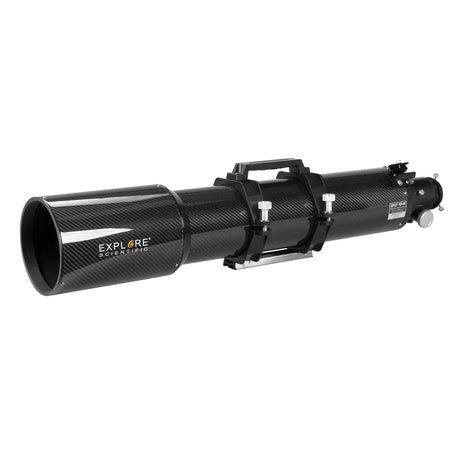
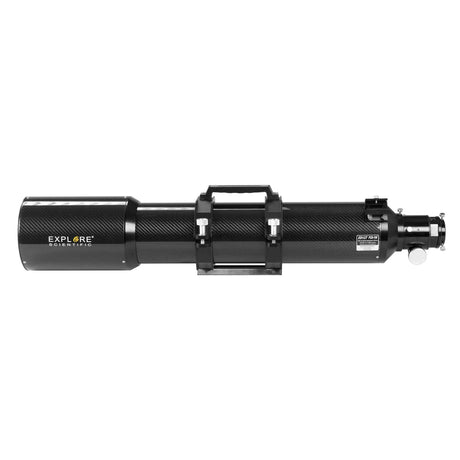
- Explore Scientific ED152 152mm f/8 Carbon Fiber Triplet ($2,599.99) — The flagship. 152mm APO aperture in a carbon fiber tube delivers serious light-gathering power with near-perfect color correction. A benchmark for deep-sky imaging and high-resolution planetary work.
Prices shown are current at time of publication. Check individual product pages for the latest pricing.
Final Verdict: Which Should You Choose?
After all the specs and glass types, the decision comes down to how you'll use the telescope:
Choose an achromatic refractor if:
- You're starting out and want maximum aperture for the money
- You observe visually and don't plan to do long-exposure astrophotography
- You want a lightweight, grab-and-go setup
- Your budget is under $500 for the complete system (OTA + mount)
Choose an APO refractor if:
- You plan to do astrophotography (this is the single biggest deciding factor)
- You want the highest-contrast planetary and lunar views with near-zero false color
- You're willing to invest in a mount that can handle the weight
- You want a telescope that won't limit you as your skills grow
Consider an ED doublet if:
- You want better correction than an achromat but can't justify triplet pricing
- You do casual astrophotography and can tolerate minor residual CA
- Weight and portability are priorities
For a detailed real-world comparison at the same aperture, see our AR102 vs ED102 vs ED102-FCD100 comparison — it shows exactly what each upgrade level buys you.
Frequently Asked Questions
Can I do astrophotography with an achromatic refractor?
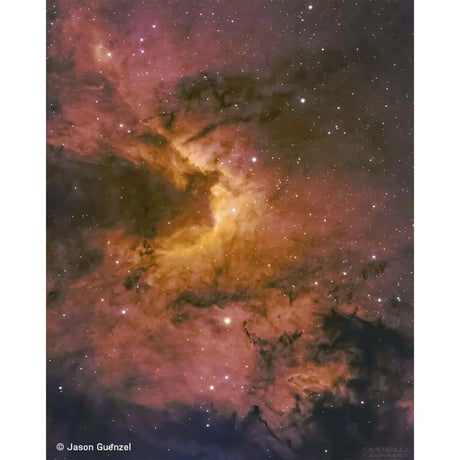
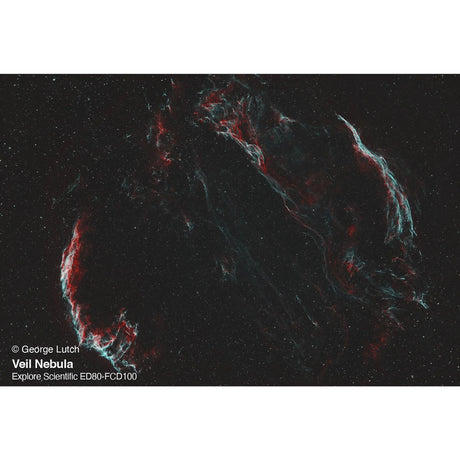
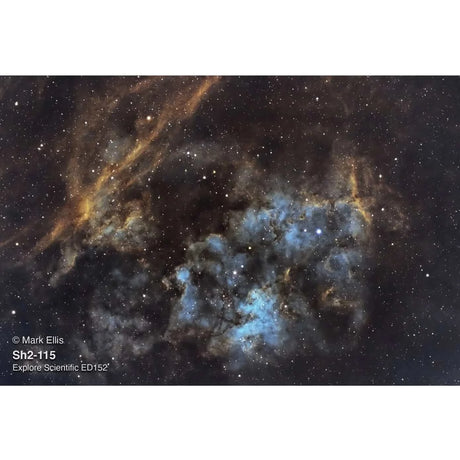
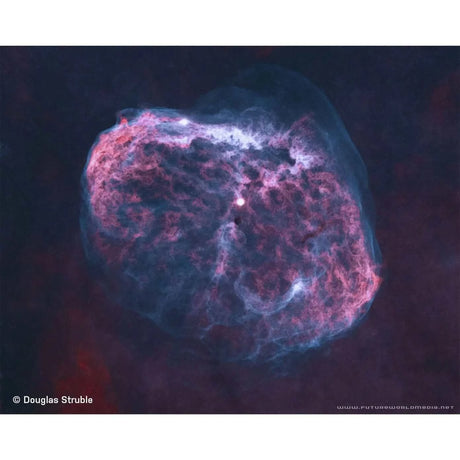
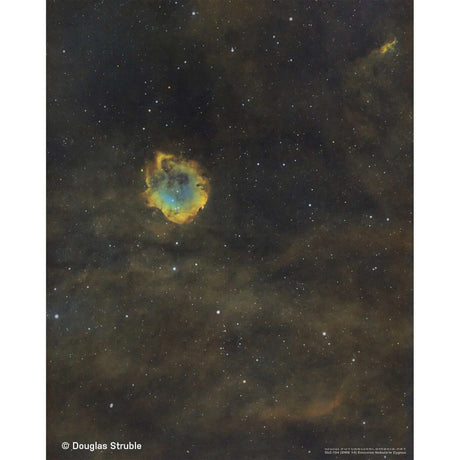
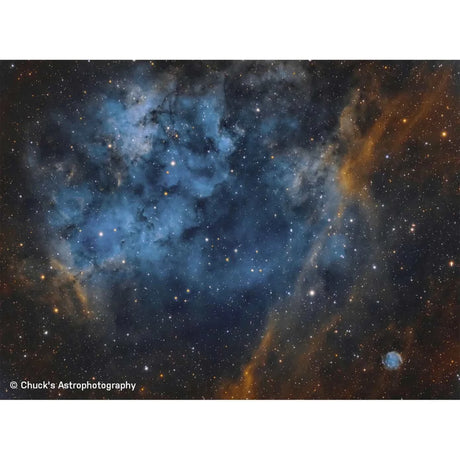
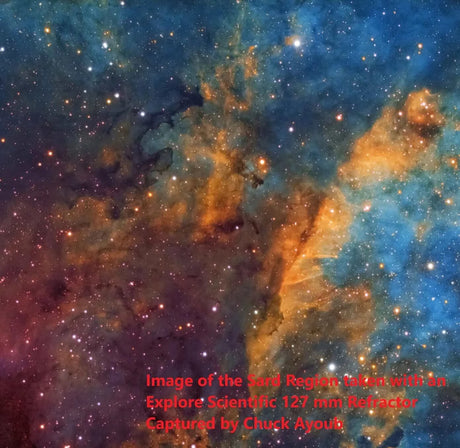
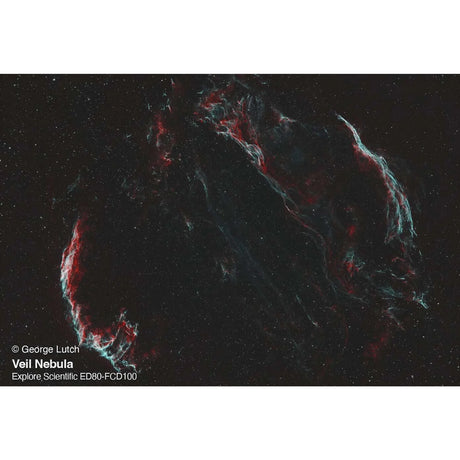
Yes, but with significant limitations. Short exposures of the Moon and planets work fine. For deep-sky imaging, the color fringing bloats stars and adds false color to images. Narrowband imaging (using Ha, OIII, or SII filters) is more forgiving because each filter isolates a narrow band of wavelengths, which sidesteps the CA problem. But for broadband RGB imaging, an APO produces dramatically cleaner results.
Is an ED refractor the same as an APO?
Not necessarily. "ED" refers to the glass type (Extra-low Dispersion), while "APO" (apochromatic) describes the level of correction — three wavelengths brought to common focus. An ED doublet can significantly reduce CA without fully meeting the APO standard. An ED triplet using FPL-53 or FCD100 glass typically does meet it. Look at the number of elements and the specific glass type, not just the label.
Why are APO refractors so expensive?
Three factors: the specialized glass itself costs more (FPL-53 is precision-manufactured by Ohara in Japan, and optical-grade fluorite is grown synthetically by manufacturers worldwide), the triplet design requires tighter manufacturing tolerances to align three elements, and the air-spacing or oil-coupling between elements demands careful assembly. A doublet achromat uses commodity glass and a simpler two-element cell.
Does focal ratio affect chromatic aberration?
Yes, significantly — but only in achromats. A faster focal ratio (lower f/number) spreads the chromatic aberration over a larger angle, making it more visible. A 102mm f/6.5 achromat shows noticeably more CA than a 102mm f/10 achromat. In APO refractors, the CA is already corrected by the glass, so focal ratio has minimal impact on color performance.
What's the difference between FPL-51 and FPL-53 glass?
Both are extra-low dispersion glasses made by Ohara in Japan. Hoya produces equivalent glasses: FCD1 (equivalent to FPL-51) and FCD100 (equivalent to FPL-53). FPL-51/FCD1 has an Abbe number around 81.5, while FPL-53/FCD100 reaches 94.9–95.1 — meaning it disperses light significantly less. In practice, FPL-53 triplets show tighter star colors and less residual CA, especially on bright blue stars. The difference is most apparent in astrophotography; for visual use, both perform well.
Do I need an APO for visual observing only?
Not necessarily. If you observe at moderate magnifications and your targets are mostly deep-sky objects (where CA is barely visible on dim objects), an achromat works well. For high-magnification planetary observing, a slow achromat (f/10 or longer) can deliver clean views. An APO becomes genuinely worthwhile for visual use when you want pin-sharp, color-free views at high magnification on bright targets — the Moon at 200x in an APO is a noticeably different experience than in a fast achromat.
Is a slow achromat (f/10+) as good as an APO for planets?
A well-made slow achromat can come close. At f/12 or f/15, the residual chromatic aberration is minimal, and the views of Jupiter and Saturn can be very satisfying. The APO still wins on absolute contrast and freedom from any trace of false color, but the gap narrows substantially at long focal ratios. If planetary visual observing is your primary goal and budget is limited, a quality slow achromat is a legitimate option.
Can narrowband filters fix chromatic aberration on an achromat?
Partially. Narrowband filters (Ha, OIII, SII) isolate a very narrow band of wavelengths (typically 3–7 nm wide), which means the lens only needs to focus within that tiny range — effectively eliminating CA for that filter. This makes achromats surprisingly capable for narrowband deep-sky imaging. The limitation is that you can't do true broadband color (RGB) imaging without the CA returning.