








Which filter for which target
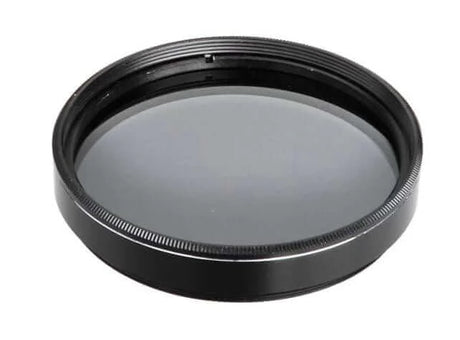
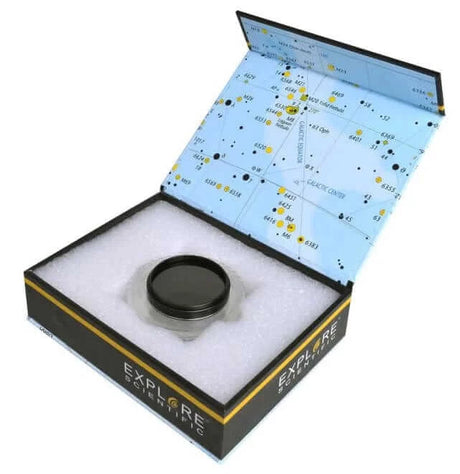
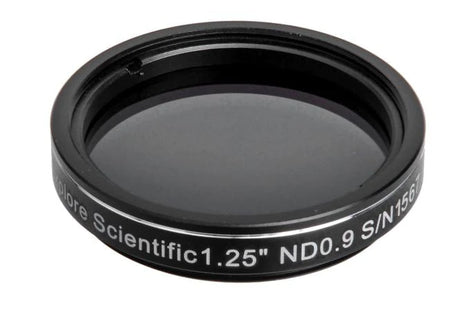
- The Moon and bright planets: a neutral density or variable polarizing filter cuts the glare so finer detail shows.
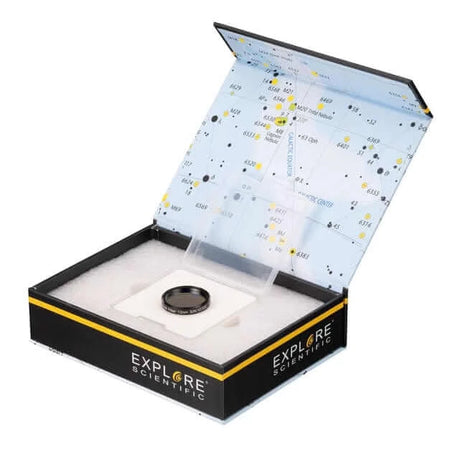
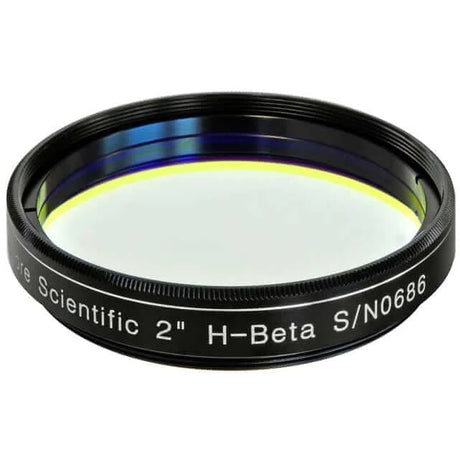
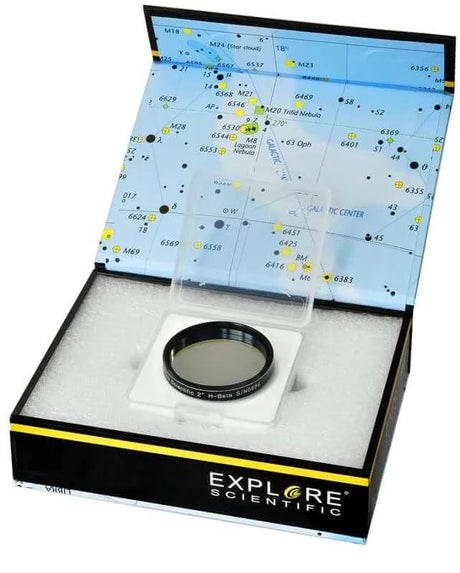
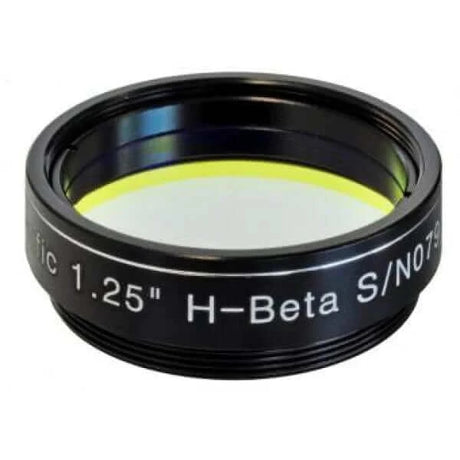
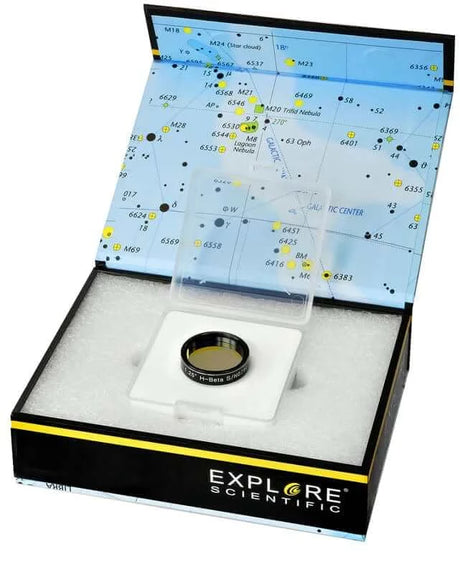
- Nebulae by eye: an Oxygen III filter isolates the oxygen emission lines the dark-adapted eye is most sensitive to, and an H-Beta filter passes only the hydrogen-beta line.
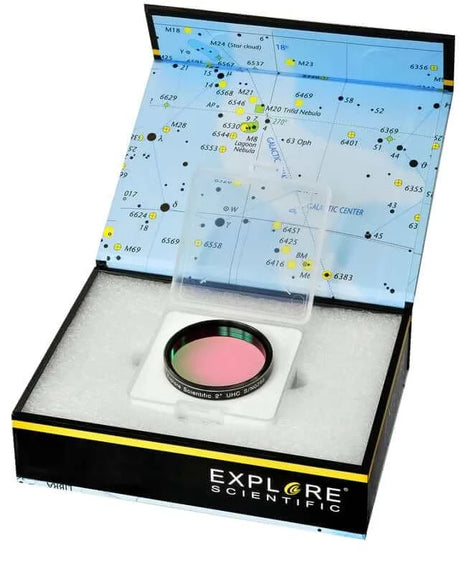
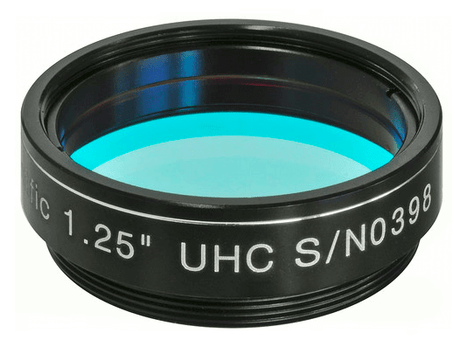
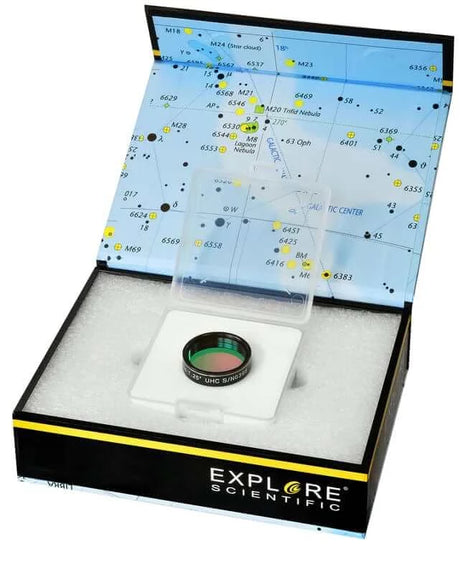
- Light-polluted skies: the broadband CLS (City Light Suppression) filter blocks much of the artificial light while dimming what you observe as little as possible.
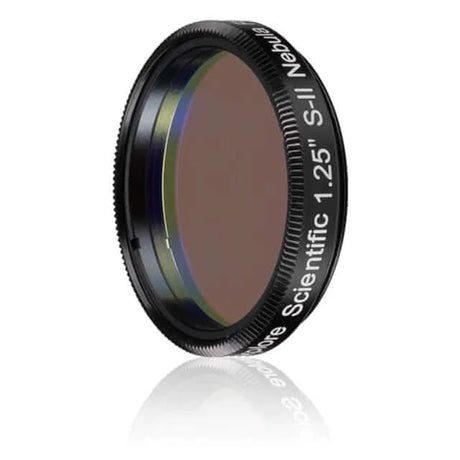
- Imaging: H-Alpha, Oxygen III and S-II filters serve as narrowband channels; H-Alpha in particular is effectively invisible to the eye.
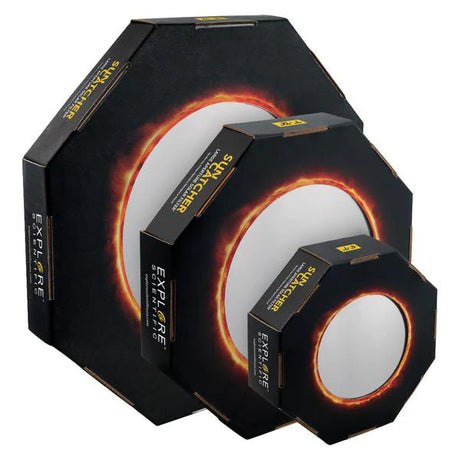
- The Sun: only a solar filter that covers the front of the telescope, such as the Sun Catcher.
Size and bandpass
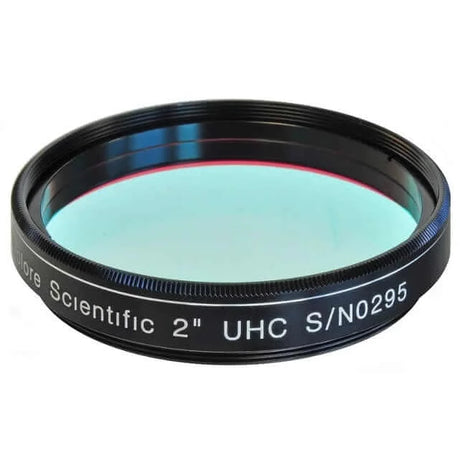
Match the filter to your barrel size: 1.25-inch filters fit standard 1.25-inch eyepieces and accessories, and 2-inch filters fit 2-inch barrels. Our narrowband filters come in bandpasses from 6.5 nm to 12 nm, and the narrower the band, the more exposure time an imaging filter asks for.
Frequently Asked Questions
Which filter should I buy first?
Start with what you observe most: a neutral density or polarizing filter for the Moon, or an Oxygen III for the brighter nebulae.
Can I look at the Sun through an eyepiece filter?
No. Use only a solar filter secured over the front of the telescope: viewing any part of the bright Sun without one causes severe eye injury instantly.
Do filters dim the view?
Yes, every filter blocks some light. The aim is to block the light you do not want, such as skyglow, while dimming the object you are observing as little as possible.
Do I need a filter to see nebulae?
No, but an Oxygen III filter helps a great deal on emission nebulae, because it passes the oxygen light they glow in and blocks most of the rest.
To pair filters with eyepieces, read Best Telescope Eyepieces.